
Best Time to Visit Costa Rica: A Complete Seasonal Guide
Choosing the best time to visit Costa Rica depends on your priorities—whether that's guaranteed sunshine, wildlife encounters, budget savings, or avoiding crowds. Costa Rica offers rewarding travel experiences year-round, with each season bringing its own unique advantages. This guide breaks down what to expect every month across the country's diverse regions.
Overview of Costa Rica's Climate Zones
Costa Rica is a small country—roughly the size of West Virginia—but it contains an extraordinary diversity of microclimates. The country has four main climate zones: the tropical dry forest of Guanacaste in the northwest, the humid Pacific lowlands of the Central Pacific coast, the constantly moist Caribbean lowlands, and the cool, cloud-draped Central Valley highlands.
These zones experience weather very differently. When Guanacaste basks in weeks of sunshine, the Caribbean coast may be receiving steady rain. When the Pacific side is in full rainy season, the Caribbean can be at its driest. This diversity means that with some planning, you can find favorable weather somewhere in Costa Rica during any month of the year.
Costa Rica lies between 8° and 11° north latitude, close to the equator, so temperatures don't change dramatically between seasons—the main difference is rainfall. Coastal areas stay warm year-round, typically 75–90°F (24–32°C), while highland areas like San José and Monteverde are 60–75°F (15–24°C) year-round.
Why Seasons Matter More Than Months
Unlike temperate destinations with four distinct seasons, Costa Rica's weather is defined by whether you're in the dry season or wet season, and which coast you're on. Within those broad categories, the transition months of November, December, April, and May can vary significantly year to year. Flexibility in your travel dates—even by two weeks—can make a meaningful difference in weather and price.
Dry Season: December Through April
The dry season is the most popular time to visit Costa Rica and for good reason. From mid-December through April, the Pacific coast—from Guanacaste down to the Osa Peninsula—enjoys predominantly sunny weather with minimal rainfall. This is the time when beach destinations shine, road conditions are best, and outdoor activities are most predictable.
January, February, and March are considered the peak of the peak season. Prices are highest, flights fill up, and popular hotels in Manuel Antonio, Tamarindo, and Arenal can book out months in advance. Despite the higher cost, this period offers the most reliable weather and the widest range of tour and activity options.
April marks the transition to the rainy season. Early April can still be dry on the Pacific coast, but by late April, afternoon showers begin to arrive. April is still a popular month—especially around Easter (Semana Santa), when Costa Ricans themselves travel domestically and tourist destinations become extremely crowded.
December: Holiday Season Arrival
December is one of the best months to visit Costa Rica. The dry season is just beginning, vegetation is still green from the rains, and the holiday atmosphere is festive. The last two weeks of December (Christmas through New Year's) are extremely busy and expensive—book 4–6 months ahead. Early December offers excellent conditions with fewer crowds.
January–March: Peak Season
These three months represent the heart of the dry season. Pacific beaches are at their sunniest, road conditions are optimal for 4WD adventures, and wildlife is active and visible in the drier vegetation. Expect premium prices and the largest tourist crowds. Book everything well in advance.
Green Season: May Through November
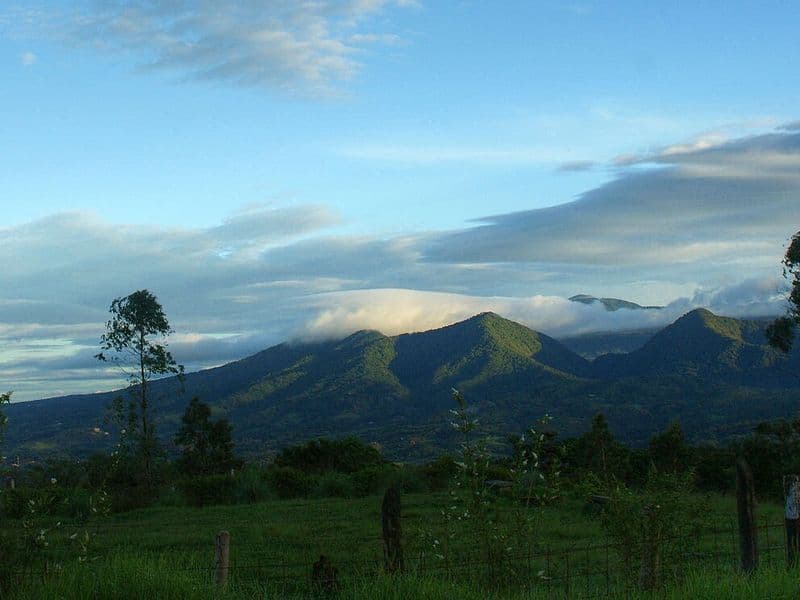
The green season—also called the rainy season or low season—runs from May through November. Despite the rain, this is a beloved time for many experienced Costa Rica travelers. Hotel rates drop 20–40%, popular attractions are far less crowded, and the landscape is impossibly lush and vibrant.
Rain during the green season typically falls in the afternoon or evening, leaving mornings clear and often sunny. The rhythm of a green season day often goes: sunny morning for outdoor activities, hearty lunch, afternoon rain to cool things down, then a pleasant evening. Many travelers find this pattern perfectly workable.
May and June offer a particularly attractive balance—prices are lower than peak season but the rain isn't as heavy as September and October. November is another underrated month: the rains are tapering off on the Pacific side while remaining relatively dry on the Caribbean coast.
September and October: Wettest Months
September and October receive the most rainfall nationwide (except on the Caribbean, which can be drier). Some areas experience multiple days of continuous rain, and some roads may become impassable. That said, this is the cheapest time to visit, waterfalls are at peak flow, and the lack of tourists gives access to a more authentic Costa Rica. If you're flexible and rain-tolerant, significant savings await.
The Veranillo Phenomenon
In July and August, Guanacaste and the northern Pacific often experience a 'veranillo' (little summer)—a brief dry spell within the rainy season when conditions temporarily improve. This makes late July and early August a surprisingly good time to visit Guanacaste beach destinations at reduced prices.
Best Time to Visit by Activity
For beach vacations and snorkeling, the dry season (December–April) on the Pacific coast is ideal. Visibility in the water is highest, surf conditions are more predictable, and beach days are virtually guaranteed. Guanacaste's beaches like Conchal and Flamingo are particularly stunning during this period.
For wildlife viewing, the green season can actually be superior. Animals are more active, birds are displaying breeding plumage, and sea turtle nesting is in full swing on both coasts. Whale watching (humpback whales) peaks from August through October on the Southern Pacific coast around the Osa Peninsula and Drake Bay.
For white-water rafting, the rainy season produces higher water levels and more exciting rapids on the Pacuare, Reventazón, and Sarapiquí rivers. For zip-lining and hanging bridges in cloud forests like Monteverde, any time works but the dry season offers better visibility across the canopy.
Sea Turtle Nesting by Season
Leatherback turtles nest on the Pacific coast at Playa Grande from October through February. Olive ridley turtles mass-nest (arribadas) at Ostional Wildlife Refuge year-round, with peak activity from July through November. On the Caribbean, green sea turtles nest at Tortuguero from July through October. Hawksbill turtles are present year-round at various Caribbean beaches.
Best Time to Visit by Region
Guanacaste (Pacific Northwest): Best December through March for guaranteed sun. July–August offers a veranillo with reduced prices. Avoid September and October if rain is a concern.
Central Pacific (Jacó, Manuel Antonio): Best January through April. Good from December–May. Surf conditions year-round at Jacó. Manuel Antonio park is rewarding in any season for wildlife.
Caribbean Coast (Puerto Viejo, Tortuguero): Best February–April and September–October. Tortuguero best July–September for turtle nesting. Avoid June–August for beach visits due to rough seas.
Arenal Volcano: Year-round destination. Clear volcano views are more common in the dry season (January–March) but never guaranteed. The hot springs are enjoyable regardless of rain.
Monteverde Cloud Forest: Year-round, but July–October sees the most mist and rain. December–April offers clearer conditions and easier hiking on drier trails.
South Pacific (Osa Peninsula, Drake Bay)
The South Pacific around the Osa Peninsula has a longer rainy season than other regions, with significant rain from May through November. The dry season (December–April) is the recommended window for visiting Corcovado National Park and Drake Bay. This remote region requires more planning—access is by small plane or rough roads even in dry season.
Crowds and Budget Considerations
Costa Rica's peak tourist season (mid-December through April) brings the largest crowds and highest prices across the country. During the absolute peak weeks—Christmas through New Year's and Semana Santa (Holy Week before Easter)—it's essential to book accommodations, tours, rental cars, and even restaurant reservations 3–6 months in advance.
The shoulder season months of May, June, and November offer an excellent compromise: prices are 15–30% lower than peak season, but weather is still reasonable. September and October offer the deepest discounts—sometimes 40–50% off peak rates—but also come with the most rainfall and the highest chance of weather-related disruptions.
Budget Travel Tips
Visiting in May or June offers the best value without sacrificing much in terms of weather. Flying midweek instead of on Fridays or Sundays can save on airfare. Choosing smaller boutique hotels over luxury resorts and eating at local sodas (casual restaurants) keeps daily costs down. Renting a car and cooking some meals reduces the premium that tourist-zone restaurants charge.
Month-by-Month Quick Reference
January: Dry, sunny, peak season. Excellent Pacific beach weather. Crowds and premium prices. Fiestas de Palmares (largest festival) in Palmares.
February: Ideal dry season conditions. Slightly fewer crowds than January. Great for Guanacaste, Manuel Antonio, and Caribbean coast. Valentine's season popular for couples.
March: Hottest month in the lowlands (up to 95°F/35°C). Still dry on Pacific. Spring break crowds arrive mid-month. US school vacation season begins.
April: Transition month. Early April is dry; late April sees first rains. Semana Santa (Easter) is extremely crowded. Crowds and prices remain high.
May: Rainy season begins on Pacific. Prices drop 20–30%. Lush green season begins. Good surfing conditions emerge.
June: Rainy afternoons but manageable. Caribbean coast relatively dry. Whale shark season at Cocos Island. Good value with decent weather.
July: Veranillo in Guanacaste brings drier conditions. Good whale watching starts. Sea turtle nesting begins at Tortuguero.
August: Similar to July. Good for humpback whale watching on Southern Pacific coast.
September: Wettest month nationally. Deepest discounts. Caribbean coast drier. Best for budget travelers comfortable with rain.
October: Still very rainy on Pacific. Caribbean coast one of its drier periods. Humpback whale watching peak on Osa Peninsula.
November: Rains tapering on Pacific. Caribbean getting wetter. Prices beginning to rise. Good transitional month with value and improving weather.
December: Dry season begins mid-month. Christmas crowds and prices. Festive atmosphere. Early December excellent for quieter conditions.
Planning for Holidays
The two weeks surrounding Christmas and New Year's are the single busiest and most expensive period in Costa Rica. If your schedule allows, arriving just before December 20 or after January 5 saves significantly on prices while still enjoying dry season weather. Semana Santa (the week before Easter) is Costa Rica's domestic vacation week—book very early for any Pacific coast destination.
Frequently Asked Questions
What is the absolute best time to visit Costa Rica?
January and February are considered the best overall months to visit Costa Rica. The dry season is in full swing on the Pacific coast, temperatures are comfortable, and the holiday crowds have dissipated. Vegetation is still reasonably green and wildlife is active and visible.
How many days do you need in Costa Rica?
Most visitors find 10–14 days ideal for experiencing 2–3 regions. A week is the minimum to get beyond one area. Popular itineraries combine San José/Arenal/Guanacaste, or San José/Monteverde/Manuel Antonio. Allow extra travel time since distances take longer than maps suggest due to road conditions.
Is Costa Rica good to visit in the summer?
Yes, though June–August falls in the rainy season on the Pacific side. July and August are popular months for North American family travel due to school vacations. The veranillo in Guanacaste (mid-July to August) can bring drier conditions. Mornings are typically sunny, with afternoon rains. The Caribbean coast is often drier in September–October.
Does it rain every day in Costa Rica during rainy season?
In most regions during the rainy season, it rains most afternoons but not all day. Mornings are frequently sunny and clear. The pattern varies by region and month—September and October on the Pacific coast can see multi-day rain events, while May, June, July, and August are more reliably morning-sunny/afternoon-rainy.
When should you avoid visiting Costa Rica?
September and October bring the heaviest rainfall and flooding risk on the Pacific coast. While not impossible to visit, outdoor activities can be severely limited and some roads may be impassable. Avoid Semana Santa if you dislike large crowds—it's when all of Costa Rica vacations at once and popular beaches become extremely packed.