
Zip Lining Costa Rica: Everything You Need to Plan Your Trip
Zip lining in Costa Rica is a bucket-list adventure that places you above the jungle canopy, skimming through mist-covered cloud forests or soaring over tropical rainforest with howler monkeys below. Costa Rica established the template for commercial zip lining tourism in the 1990s and has refined the experience over decades into one of the world's premier adventure tourism offerings. This guide covers everything you need to know before you book.
Where to Go Zip Lining in Costa Rica
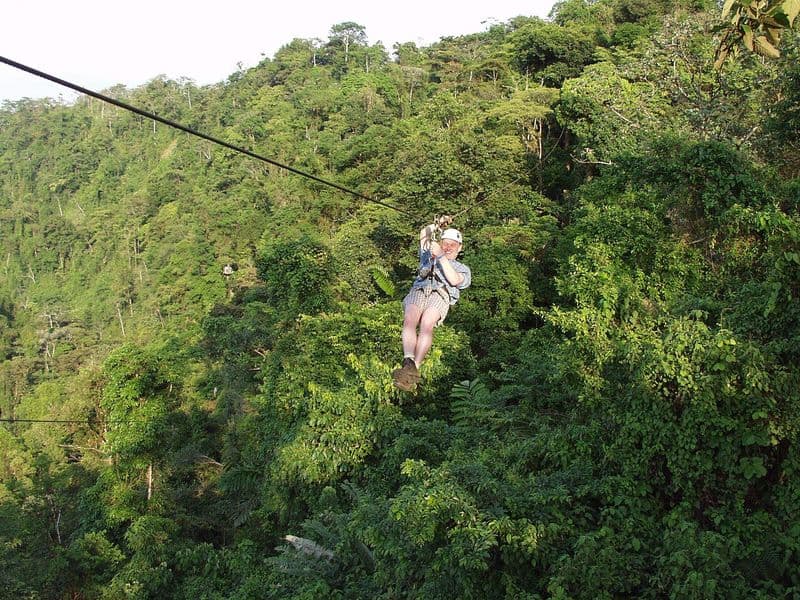
Costa Rica's geography creates several distinct zip lining environments, each with its own character and appeal. The most famous zone is the Arenal Volcano region in the northern lowlands, where circuits run through lush secondary rainforest with frequent sightings of the volcano's iconic profile. Cables here are long and fast, with some reaching over 1,500 meters and delivering speeds of 60 to 80 km/h. The combination of speed, height, and scenery makes Arenal a top choice for thrill-seekers.
The Monteverde and Santa Elena cloud forest region offers the most atmospheric zip lining in the country. Perched at elevations above 1,500 meters on the Continental Divide, these circuits cut through forests that are frequently shrouded in mist. The biodiversity here is extraordinary—Monteverde is one of the world's most important cloud forest reserves, harboring over 400 bird species, 100 mammal species, and 1,200 amphibian and reptile species. The cooler temperatures and dramatic fog add an otherworldly quality to zip lining in this region.
Pacific Coast destinations like Jacó, Quepos, and Manuel Antonio offer circuits with ocean views and coastal wildlife. The Caribbean lowlands around Puerto Viejo and Cahuita provide humid rainforest experiences at lower elevations. The Guanacaste region in the northwest, including Tamarindo and Liberia, hosts zip line tours that combine well with beach vacations, making them popular for travelers staying in the dry tropical forests of the Pacific Coast.
Least-Visited Zip Lining Destinations
For travelers seeking a more intimate zip lining experience away from crowds, areas like Turrialba, Sarapiqui, and the Osa Peninsula offer excellent circuits with fewer tourists. These destinations often have smaller groups and more personalized guide attention, though they may require longer travel times from major tourist hubs.
Best Zip Lining Operators and Parks
Sky Adventures operates parks in both Arenal and Monteverde, making it one of the largest zip line companies in Costa Rica. Their Arenal park features 11 cables with a maximum length of 1,590 meters, combined with hanging bridges and an observation tower. The Monteverde location offers 10 cables and the renowned Superman wire, which positions riders horizontally for a flying sensation above the canopy. Sky Adventures holds multiple tourism certifications and is frequently cited in travel publications as a top operator.
The Original Canopy Tour in Monteverde holds historical significance as one of the first commercial zip line operations in the world. It continues to operate today, offering a more intimate circuit with smaller group sizes and a strong emphasis on naturalist interpretation. Guides here are particularly knowledgeable about cloud forest ecology, making it an excellent choice for nature-focused visitors.
Arenal Mundo Aventura is a popular mid-range operator near La Fortuna offering 13 cables up to 400 meters in length, combined with a farm tour and the option to add bungee jumping. Pure Trek Canyoning offers zip lining combined with rappelling and canyoneering in natural gorges for a more rugged adventure. In Manuel Antonio, Midworld Adventures and Titi Canopy Tours operate well-reviewed circuits with Pacific Ocean views.
Multi-Activity Adventure Parks
Several operators in Costa Rica have expanded beyond pure zip lining into full adventure parks. These parks combine cables with ATV tours, horseback riding, bungee jumping, white-water tubing, hanging bridges, and rappelling. Visiting an adventure park allows travelers to stack multiple activities into a single day, often at a bundled price that is lower than booking each activity separately.
Cost Breakdown for Zip Lining Tours
Zip lining in Costa Rica costs between $45 and $120 USD per person for a standard circuit tour. Price variation depends primarily on operator reputation, circuit length and complexity, included features, and location. Premium operators in Arenal and Monteverde charge $80 to $120 per person and typically offer longer circuits, better infrastructure, and professional photo packages. Mid-range operators in the same regions charge $55 to $80, while budget-friendly options in less-visited areas start around $45 per person.
Transportation is often available as an add-on or included in premium packages. Hotel pickup from La Fortuna town to an Arenal zip line facility typically costs $10 to $15 USD round trip. Photography packages, where an on-site photographer captures shots along the cables, add $15 to $30 to the total cost but provide professional-quality images without the risk of dropping personal devices from height.
Group discounts are standard at most operators. Parties of 6 or more often receive 10 to 15 percent off listed rates. Children's pricing is typically 20 to 30 percent below adult rates. Some operators offer package deals combining zip lining with other activities such as white-water rafting, hanging bridges, or hot spring visits, which can represent significant savings compared to booking each activity independently.
What Is Typically Included
Most zip line tour prices include the use of harness, helmet, and gloves; a safety briefing; guide service for the duration of the tour; and sometimes a light snack or bottled water. Excluded items commonly include transportation to the facility, photography packages, gratuities for guides, and any food or beverages beyond a light refreshment. Always confirm inclusions when comparing quoted prices.
What Happens During a Zip Line Tour
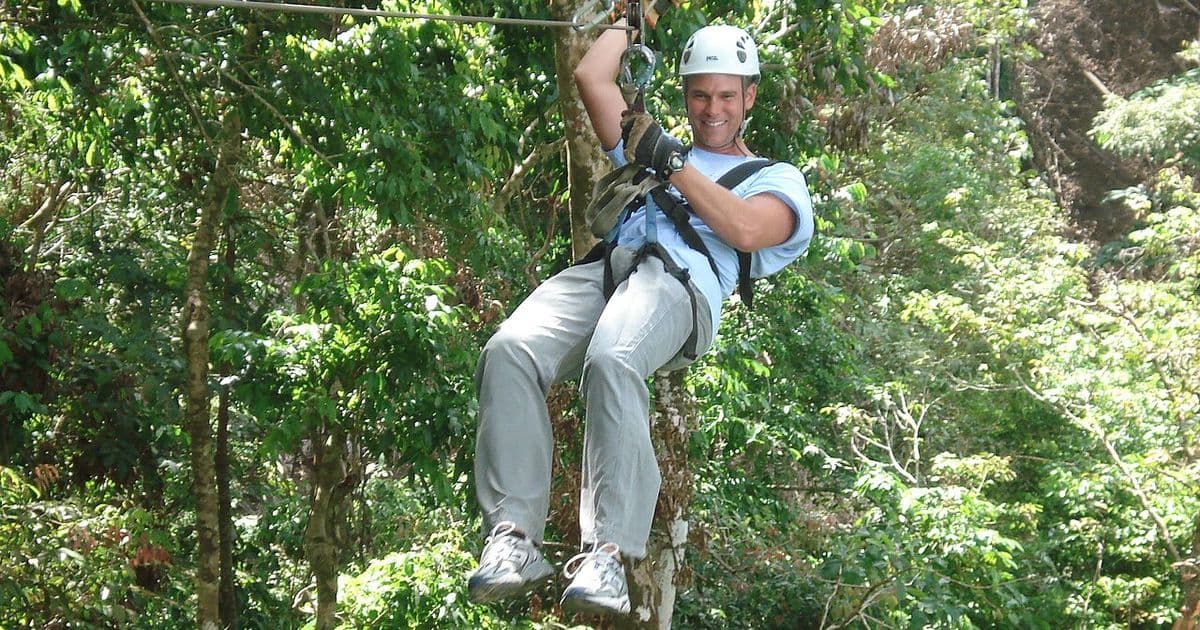
A typical zip lining tour in Costa Rica begins with a check-in at the operator's base facility, where staff verify bookings, weigh participants if required, and assign equipment. The safety briefing covers how to hold the cable, proper braking technique, body positioning during flight, and what to do in the event of stopping mid-cable. Harness fitting follows, and guides ensure all buckles and connections are secure before departing to the first platform.
The circuit proceeds from platform to platform, with guides stationed at both departure and arrival ends. Riders depart one at a time, with the second guide providing final weight confirmation and departure assistance. Arrival guides use a hand-assisted braking system as a backup and help riders slow before reaching the terminal platform. Between cables, guides often pause to share information about the trees, animals, or ecological features visible from the platform.
Additional elements vary by operator but commonly include a Tarzan swing, where the rider is attached to a long rope and released into a free-fall pendulum through the forest, and rappelling sections, where riders descend a fixed rope vertically down a large tree or cliff face. These elements break up the cable-to-cable routine and add variety to the overall experience. Total circuit time including these elements ranges from 90 minutes to four hours.
If You Stop Mid-Cable
On long or flat cables, lighter riders may not generate enough speed to complete the crossing under gravity alone. Guides are trained to retrieve stranded riders using a hand-over-hand technique along the cable. This is a normal operational situation and not a safety concern. To avoid mid-cable stops, lean back and keep the legs slightly elevated to reduce air resistance on longer runs.
Age, Weight, and Health Requirements
The vast majority of zip line operators in Costa Rica enforce weight limits for equipment safety, with the standard range being 25 to 120 kilograms (55 to 265 lbs). These limits are determined by the weight ratings of trolleys, harnesses, and cable anchor systems. Participants outside this range may not be permitted to participate regardless of other fitness factors. Operators weigh participants discreetly during equipment fitting to ensure compliance.
There is no universal minimum age for zip lining in Costa Rica, but most operators set a practical lower limit at around 6 to 8 years old, or a minimum weight of 25 kg. Children who do not meet the minimum weight requirement may be able to participate in tandem with a guide, depending on the operator's specific protocols. Family-friendly circuits with shorter cables and lower heights are available at several operators and are well-suited to younger participants.
Health conditions that may preclude participation include acute cardiovascular disease, severe vertigo, uncontrolled hypertension, recent major surgery, significant joint instability, and pregnancy. These restrictions are industry-standard globally and stem from the physical stress of high-speed cable riding and harness tension. Participants with any medical concerns should consult a physician before booking and discuss their condition transparently with the operator during check-in.
Pregnancy and Zip Lining
Pregnant participants are universally advised against zip lining by Costa Rican operators due to the impact forces involved and the harness configuration, which places pressure across the abdominal and hip region. This restriction applies regardless of trimester. Many operators suggest pregnant travelers accompany their group as observers from the base station, which is typically permitted at no charge.
Zip Lining and Wildlife Encounters
One of the most distinctive aspects of zip lining in Costa Rica compared to other destinations worldwide is the frequency of wildlife encounters. From the elevated vantage point of canopy platforms, visitors regularly observe animals that would be virtually invisible at ground level. Howler monkeys, one of the loudest animals on earth, are commonly seen in family groups near Arenal and Manuel Antonio. White-faced capuchin and spider monkeys are also frequent platform visitors, occasionally approaching within meters of waiting tour groups.
Toucans, scarlet macaws, parrots, and a vast array of small tropical birds are regularly visible from zip line platforms. The Monteverde region in particular is renowned for bird diversity, with resplendent quetzals—considered one of the most beautiful birds in the world—sometimes spotted from circuit platforms during breeding season from February to April. Sloths, though slow-moving, are frequently visible from cables and platforms as they cling to canopy trees. Their camouflage is less effective when viewed from above.
Reptiles including green iguanas, basilisk lizards, and various snake species are sometimes visible from platforms, particularly in drier regions. Poison dart frogs, while more common on the forest floor, are occasionally visible from lower platforms in rainforest circuits. Guides at reputable operators are trained naturalists who actively watch for wildlife and pause at platforms to allow observation when animals are spotted nearby.
Best Regions for Wildlife While Zip Lining
Manuel Antonio combines coastal forest zip lining with some of the highest wildlife density in the country, including four species of monkeys, two species of sloths, and over 180 bird species. Monteverde is unmatched for bird diversity, while Arenal offers excellent mammal sightings. Tortuguero and Caribbean lowland circuits provide access to species not found on the Pacific side, including the endangered great green macaw.
Frequently Asked Questions
How long does a zip lining tour in Costa Rica last?
Most zip lining tours in Costa Rica last between 2 and 4 hours including the safety briefing, harness fitting, and the full circuit. Tours with additional elements like Tarzan swings, rappelling, and hanging bridges take longer. Some half-day adventure packages run 5 to 6 hours when combined with other activities.
Do I need prior experience for zip lining in Costa Rica?
No prior experience is required. Operators provide a full safety briefing before the tour begins, and guides accompany participants throughout the circuit. Costa Rica's zip line industry caters to beginners, with many operators offering circuits specifically designed for first-time participants.
Is zip lining in Costa Rica good for families?
Yes, zip lining is an excellent family activity in Costa Rica. Most operators offer family-friendly circuits with shorter cables and lower heights. Children who meet weight requirements (typically 25 kg minimum) can participate, and those who don't may be able to tandem with a guide. Children's rates are usually 20 to 30 percent lower than adult prices.
What wildlife might I see while zip lining in Costa Rica?
Common wildlife sightings include howler, white-faced capuchin, and spider monkeys, along with sloths, toucans, scarlet macaws, and a wide variety of tropical birds. The Monteverde region is exceptional for bird diversity, including resplendent quetzals. Guides are trained naturalists who actively identify wildlife during tours.
When is the best season for zip lining in Costa Rica?
Zip lining operates year-round in Costa Rica. The dry season from December to April offers the most consistent weather. The green season (May to November) brings afternoon rains, but morning tours are usually unaffected. Some travelers prefer the green season for lush scenery and fewer tourists despite the wetter conditions.