
Costa Rica Ziplining: A Complete Guide to Canopy Adventures
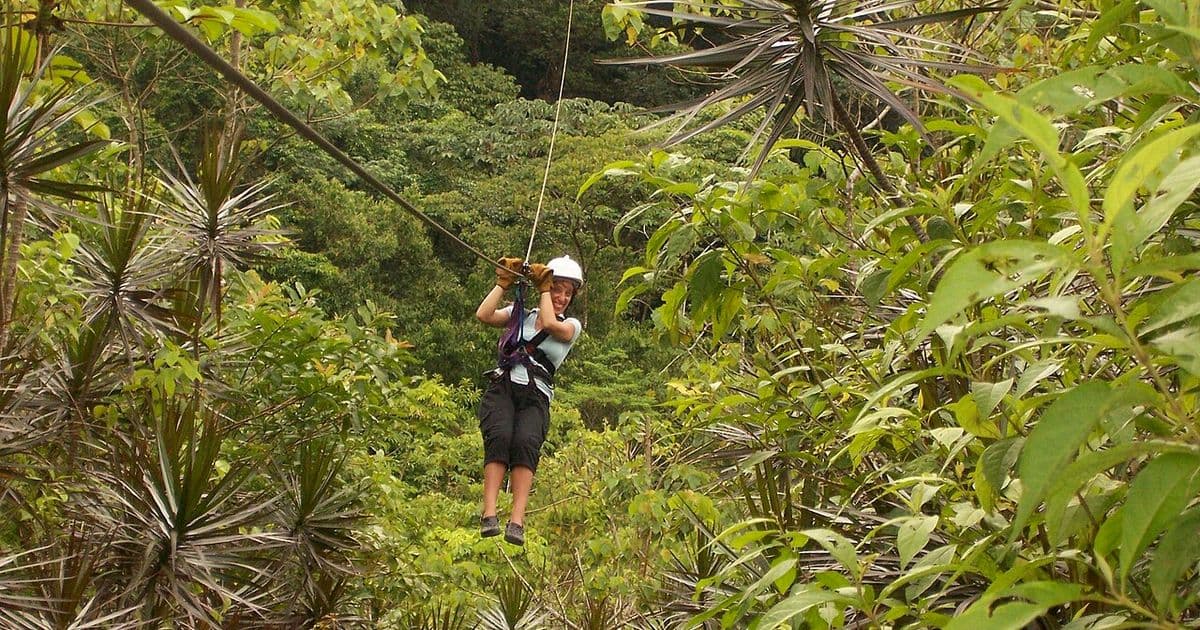
Costa Rica ziplining is one of the most iconic adventure activities in Central America, drawing visitors from around the world to soar above rainforest canopies, cloud forests, and volcanic terrain. The country pioneered recreational ziplining in the 1990s and remains one of the premier destinations globally for canopy tours. From first-timers to seasoned thrill-seekers, Costa Rica's diverse circuits offer something for everyone.
Why Costa Rica Is the Ziplining Capital of the World
Costa Rica earned its reputation as the ziplining capital of the world through a combination of geography, biodiversity, and early adoption of adventure tourism. The country's diverse terrain—stretching from Pacific beaches to Caribbean lowlands to cloud-draped mountain ranges—provides a naturally dramatic backdrop for zip line circuits. Cables can be strung between cloud forest trees at 1,600 meters or above steamy lowland jungles near sea level, each offering a completely different ecological experience.
The ziplining industry in Costa Rica traces its commercial roots to Monteverde in the 1990s, where biologists who once used cable systems for canopy research shared the concept with a tourism entrepreneur. The Original Canopy Tour, founded there, sparked a nationwide and eventually global industry. Today, Costa Rica hosts more than 50 licensed ziplining operators, making it one of the most concentrated adventure tourism markets in the world relative to its land area.
Beyond the adrenaline, Costa Rica's ziplining sector has contributed to conservation. Many operators lease land adjacent to protected areas and use revenue to maintain wildlife corridors and support local environmental education programs. Choosing a certified operator means visitors contribute indirectly to the country's legendary biodiversity preservation efforts.
A Legacy of Innovation
Costa Rica's operators have continuously innovated since the 1990s. Early circuits with 6 to 8 cables have evolved into complex adventure parks featuring 18 or more cables, Tarzan swings, rappelling walls, hanging bridges, and ATV connections. This innovation keeps the country at the cutting edge of global adventure tourism.
Top Ziplining Regions and Circuits
The Arenal Volcano region near La Fortuna is arguably the country's most popular ziplining destination. Cables here run through dense secondary rainforest with frequent views of the iconic 1,670-meter Arenal Volcano and the expansive Lake Arenal. Operators such as Sky Adventures Arenal Park and Arenal Mundo Aventura offer circuits with up to 18 cables, some exceeding 1,500 meters in length, with speeds reaching 60 to 80 km/h on longer runs.
Monteverde and Santa Elena remain iconic for cloud forest ziplining. At elevations above 1,500 meters, cables cut through misty, moss-draped forest where resplendent quetzals, emerald toucanets, and howler monkeys are frequently spotted. The cooler temperatures and ethereal fog make Monteverde circuits distinctly atmospheric. Several operators offer night zip line tours for a completely different sensory experience under the stars.
Along the Pacific Coast, Quepos and Manuel Antonio offer circuits with ocean views and diverse coastal wildlife. The Turrialba region is known for combining white-water rafting with ziplining for multi-activity day trips. The northern lowlands near Sarapiqui and the Caribbean zone near Puerto Viejo offer more off-the-beaten-path ziplining in humid tropical rainforest with exceptionally dense wildlife populations.
Night Ziplining in Monteverde
Several Monteverde operators offer guided night zip line tours, allowing guests to experience the cloud forest after dark. Nocturnal animals including kinkajous, night monkeys, and glowing fungi become visible with headlamps, creating a completely different dimension to the canopy tour experience.
Ziplining Near San Jose
For travelers with limited time, ziplining options exist within 90 minutes of San Jose. Turrialba, Poas Volcano area, and the Central Valley foothills host several operators accessible as day trips from the capital, making it possible to experience Costa Rica's canopy tours even on a short itinerary.
Types of Ziplining Experiences Available
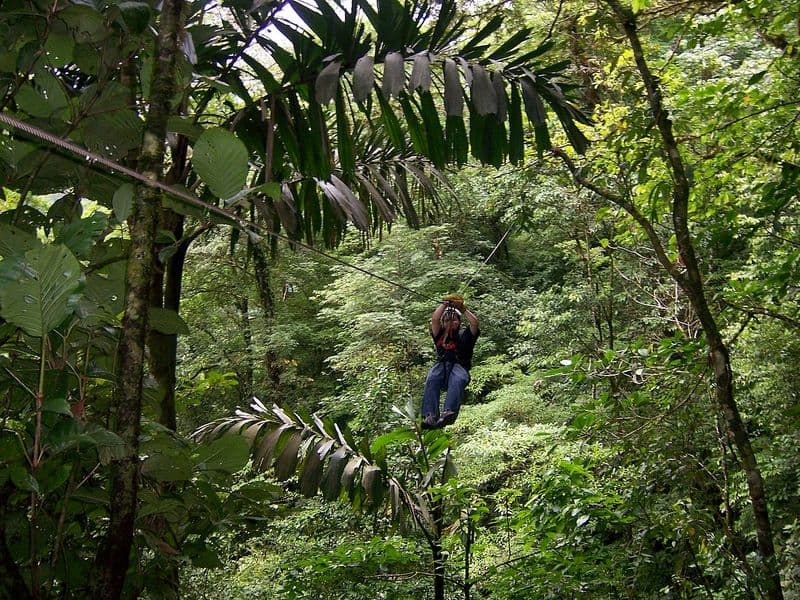
Standard canopy tours remain the most common ziplining format in Costa Rica. These circuits consist of 8 to 18 cables traversing the forest canopy with wooden or metal platforms at each connection point. Most include at least one Tarzan swing, a free-fall element where riders are released from a platform on a long rope to pendulum through the forest. Rappelling sections—where riders descend a rope vertically down a cliff or large tree—are also common additions.
Mega-zip experiences cater to adrenaline-seekers looking for longer, faster cables. Some operators offer single cables exceeding 1,500 meters where riders can reach speeds of 80 to 100 km/h. These are less common and typically exist as standalone attractions or the headline cable within a larger circuit. Superman-style cables, where riders face downward in a horizontal position rather than sitting upright in a harness, are available at select operators and deliver a uniquely intense experience.
Family-friendly circuits are designed for younger or less adventurous participants. These involve shorter cables at lower heights with more gradual speeds. Guides can tandem with young children on most family circuits, ensuring even the smallest adventurers can participate safely. Some operators also offer private tours that allow more personalized pacing and extended time on the platforms for wildlife observation.
Superman Ziplining
The Superman or 'flying squirrel' configuration attaches the harness across the rider's chest and hips, allowing them to face downward and fly horizontally like a superhero. This style is offered at select operators including Sky Trek in Monteverde and provides an especially immersive perspective of the canopy below.
How to Choose the Right Ziplining Operator
With more than 50 licensed operators in Costa Rica, selecting the right one can feel overwhelming. The most important factor is verifying the operator holds a current ICT (Instituto Costarricense de Turismo) license. The ICT requires licensed operators to meet minimum safety standards for equipment, guide training, and site maintenance. A list of licensed operators is available on the ICT website and can be requested at local tourism offices.
Beyond the license, consider the circuit's features relative to your experience level and interests. First-timers may prefer circuits with a moderate number of cables, experienced guides who provide naturalist commentary, and a relaxed pace. Thrill-seekers should look for operators advertising longer cables, higher platforms, and additional elements like Superman wires and Tarzan swings. Reading recent reviews on TripAdvisor or Google can provide useful insight into guide quality, equipment condition, and the overall experience.
Transportation is another consideration. Many operators are located 20 to 45 minutes outside town centers and offer hotel pickup and drop-off as part of the package or for an additional fee. Comparing operators on a fully-loaded price—including transportation, equipment, and any add-ons—gives a more accurate basis for comparison than quoted base prices alone.
Questions to Ask Before Booking
Ask operators how often equipment is inspected, when cables were last tested, and whether guides hold internationally recognized certifications. Inquire about group sizes, as smaller groups typically allow more personalized service and better wildlife-spotting opportunities. Ask whether the tour includes any hanging bridges or other activities beyond the cables themselves.
Preparing for Your Ziplining Tour
Preparation for a Costa Rica ziplining tour involves both physical and logistical readiness. Physically, participants should be in reasonable health with no acute injuries affecting their upper body or core. Weight limits of 25 to 120 kg apply at virtually all operators for equipment safety reasons. Participants with heart conditions, back problems, or pregnancy are typically advised to consult a physician before participating in high-speed ziplining.
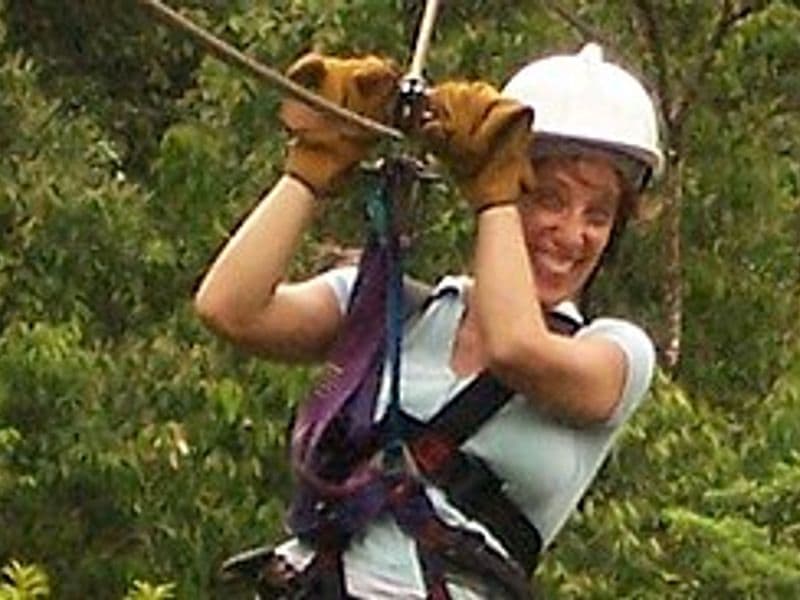
Logistically, wear lightweight, moisture-wicking athletic clothing and closed-toe shoes. Sandals, flip-flops, and open-toe shoes are prohibited at all reputable operators. Long hair should be tied back tightly, as loose hair can catch in the trolley mechanism. Jewelry, especially necklaces and bracelets, should be removed before donning the harness. Apply sunscreen and insect repellent before leaving your hotel, as operators ask that these not be applied at the facility to prevent slippery residue on equipment.
Arrive at least 15 to 20 minutes before your scheduled tour time to complete the safety briefing and harness fitting without rushing. Bring a small amount of cash for tips—guides work hard and tips of $5 to $10 per person are customary in Costa Rica. A zippered pocket for your phone is advisable, though many operators ask guests to secure devices at the base station for safety.
Health Conditions and Ziplining
Participants with vertigo, severe acrophobia, cardiovascular conditions, recent joint surgeries, or who are pregnant should consult a medical professional before booking a ziplining tour. Most operators ask about health conditions during check-in. Being transparent allows guides to make appropriate accommodations or advise against participation if necessary.
Environmental Impact and Eco-Conscious Ziplining
Costa Rica's ziplining industry has a complex relationship with the environment. On one hand, canopy tours require tree platforms, cable anchors, and forest clearing in some areas. On the other hand, many operators function as a form of ecotourism that generates income for local communities and provides an economic incentive to preserve forest rather than convert it to agriculture or development.
The most environmentally responsible operators minimize their physical footprint by using existing tree trunks as anchors rather than concrete poles, installing platforms that allow tree growth, and restoring cleared areas with native plantings. Several operators in Monteverde and Arenal have received certification from the Costa Rican Tourism Board's Certification for Sustainable Tourism (CST) program, which evaluates environmental practices, social responsibility, and cultural sensitivity.
Visitors can make a positive environmental choice by selecting CST-certified operators, purchasing locally made souvenirs at operator gift shops rather than imported mass-produced items, and following guide instructions to avoid disturbing wildlife or plant life during the tour. Responsible tourism practices in Costa Rica's adventure sector directly support the conservation infrastructure that protects the very forests these tours depend on.
Certification for Sustainable Tourism
The CST program rates tourism businesses on a leaf scale from 1 to 5, with 5 leaves indicating the highest level of sustainability practice. Several zip line operators hold CST certification, and their ratings can be verified on the ICT website. Choosing a highly-rated CST operator ensures your adventure tourism spending contributes to environmental conservation.
Frequently Asked Questions
What is the best ziplining in Costa Rica?
Monteverde and Arenal are consistently ranked as the best ziplining destinations. Monteverde offers a cloud forest atmosphere with exceptional wildlife, while Arenal provides longer cables and volcano views. The best choice depends on your preferences for scenery, speed, and circuit complexity.
How much does ziplining cost in Costa Rica?
Prices range from $45 to $120 USD per person. Premium operators in Arenal and Monteverde charge at the higher end and typically offer longer circuits with more features. Budget options are available in less-visited regions. Always confirm what is included in the price, such as transportation and equipment.
Is ziplining safe in Costa Rica?
Ziplining with a licensed ICT operator is considered safe. The industry is regulated, with requirements for equipment inspections, trained guides, and insurance. Accidents are rare at reputable companies. Verify an operator's ICT license before booking and read recent reviews for additional assurance.
Can beginners go ziplining in Costa Rica?
Absolutely. Costa Rica has circuits designed for all experience levels. Beginners should look for operators with shorter cables, experienced naturalist guides, and a relaxed pace. Guides provide full safety briefings and are trained to support first-time participants throughout the tour.
What is the best time of year for ziplining in Costa Rica?
Ziplining operates year-round, but the dry season from December through April offers the most reliable weather. Morning tours are recommended to avoid afternoon rain showers common during the green season (May through November). Morning departures also coincide with peak wildlife activity.