
Costa Rica Best Beaches: Top Picks for Every Type of Traveler
Costa Rica's best beaches span both the Pacific and Caribbean coasts, offering experiences that range from world-class surfing and snorkeling to remote wildlife encounters and luxurious resort escapes. With over 300 named beaches to choose from, selecting the best ones depends entirely on what you are looking for — whether that is the finest surf, the clearest water, the most wildlife, or the most family-friendly conditions. This guide highlights the top beaches in Costa Rica across different categories to help you find the perfect match.
Best Beaches in Guanacaste
Guanacaste province in northwestern Costa Rica is home to some of the finest beaches in the country, characterized by golden and white sand, calm turquoise water, and the reliable sunshine of the Pacific dry season. The region's proximity to Liberia's international airport and the concentration of world-class resort infrastructure make it the most accessible and popular beach region in Costa Rica for international visitors.
Playa Conchal ranks consistently as one of the best beaches in Costa Rica and arguably the entire region. Its unique crushed-shell composition gives it a distinctive pale, pearlescent color, and the water clarity and turquoise hue are exceptional. The snorkeling just offshore is the best in Guanacaste, with reef structures hosting diverse tropical fish, sea turtles, and rays. The Westin Playa Conchal resort anchors luxury accommodation at the beach, while the adjacent village of Brasilito offers more affordable options.
Playa Flamingo, located on a sheltered bay in northern Guanacaste, is an elegant, low-key resort destination favored by visitors seeking a quieter, more refined experience. The beach itself is beautiful — a wide arc of white sand in a calm, sheltered bay — and the small town behind it has excellent restaurants and a well-equipped marina for sport fishing and diving excursions. Playa Tamarindo is the most developed beach town in Guanacaste, offering the widest range of accommodation, dining, nightlife, and activities, along with a legitimate surf scene suitable for all levels.
Playa Conchal — Best for Snorkeling
No beach in Guanacaste matches Playa Conchal for snorkeling quality. The combination of shell-sand bottom (which reflects light and creates the extraordinary turquoise color), minimal freshwater runoff, and thriving reef systems close to shore delivers water visibility that regularly exceeds 10 meters. Marine life includes parrotfish, angelfish, pufferfish, moray eels, multiple ray species, and both Hawksbill and Pacific Green sea turtles. The beach's unique shell composition and spectacular color also make it the most photographed beach in the region.
Playa Tamarindo — Best for Surf and Nightlife
Tamarindo is Guanacaste's largest and most complete beach town, offering something for nearly every type of visitor. The surf is consistent and suitable for all levels, with several established surf schools. The restaurant scene is excellent and international, ranging from budget sodas to upscale fine dining. Nightlife is lively by Costa Rican beach-town standards. The town also serves as a practical base for day trips to Playa Grande (sea turtle nesting), Playa Avellanas (great surf), and the Ostional Wildlife Refuge (mass Olive Ridley turtle arrivals).
Best Beaches on the Central Pacific Coast
The Central Pacific coast, accessible from San José in 90 minutes to 3 hours depending on the destination, combines the convenience of proximity to the capital with lush rainforest scenery and excellent wildlife viewing. The beaches here tend to have darker volcanic sand than the white beaches of Guanacaste, but they are no less beautiful — the contrast of dark sand, green forest, and blue Pacific water is striking.
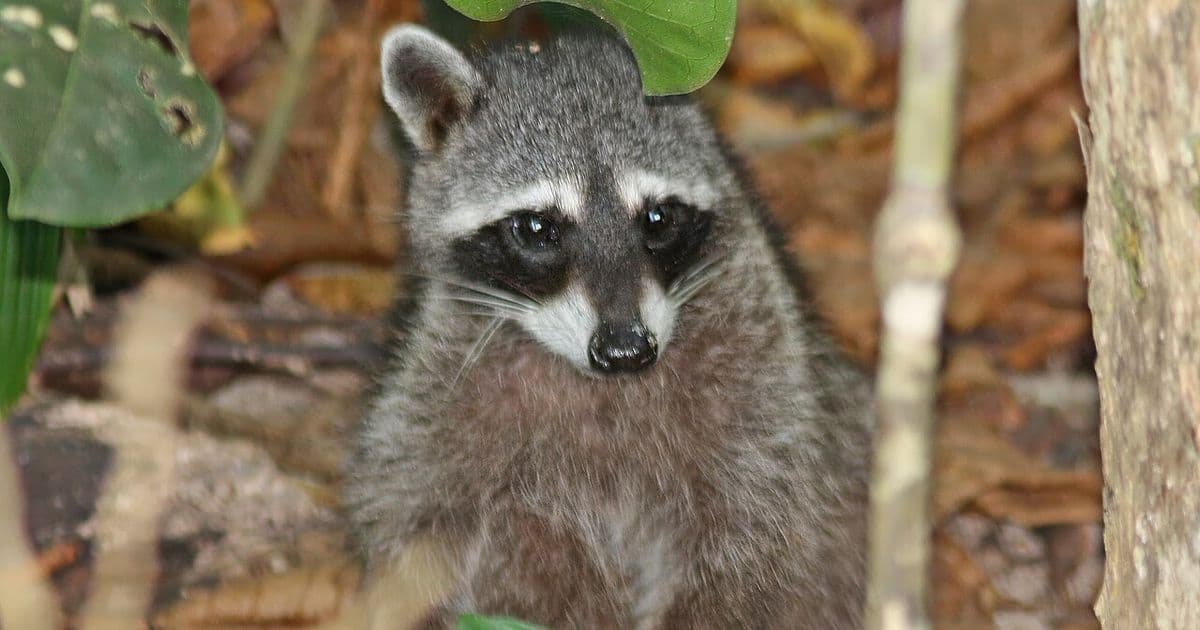
Manuel Antonio National Park contains what many consider the single most beautiful beach in Costa Rica: Playa Manuel Antonio, a sheltered white-sand cove enclosed by rocky headlands and backed by primary rainforest. The park limits visitor numbers to protect its extraordinary biodiversity, and the combination of safe swimming, wildlife encounters (monkeys, sloths, and raccoons are practically guaranteed), and stunning scenery makes it a must-visit destination. Advance booking for park entry is required.
Playa Hermosa, 8 kilometers south of Jacó, is the best surfing beach on the Central Pacific and among the finest in the country for experienced surfers. Its powerful, consistent beach break has hosted international competitions, and the wild, black-sand beach flanked by forested hills is genuinely dramatic. Jacó beach itself is the most convenient surf beach near the capital, with good beginner conditions and the most extensive tourism infrastructure on the coast.
Manuel Antonio — Best Beach-Wildlife Combination
Manuel Antonio National Park offers a beach experience unlike any other in the world — a genuinely beautiful, swimmable beach inside a biodiverse national park where wildlife regularly shares the sand with visitors. White-faced capuchin monkeys raid unattended bags and climb across beach umbrellas; three-toed sloths hang in the trees above the trails; iguanas bask on the rocks; and Scarlet macaws fly overhead. The park also protects coral reef offshore and sea turtle nesting beaches. The combination of natural beauty and guaranteed wildlife sightings makes Manuel Antonio consistently ranked among the world's top beach destinations.
Best Beaches on the Nicoya Peninsula
The Nicoya Peninsula, jutting southward from Guanacaste into the Pacific, contains a remarkable concentration of excellent beaches catering to different types of visitors. The peninsula's relative remoteness — reaching some of its beaches requires ferry crossings or driving winding mountain roads — has helped preserve a more authentic character at many of its beaches compared to the more developed northern Guanacaste coast.
Playa Samara is widely regarded as one of the best family beaches in Costa Rica. A protective offshore reef calms the surf to gentle, safe waves ideal for children and inexperienced swimmers. The beach is a broad, palm-fringed crescent of pale sand in a sheltered bay, and the small town behind it has a relaxed, unpretentious atmosphere with good but affordable restaurants and a selection of accommodations across all price ranges. Playa Samara also has a flying school that offers ultralight flights over the coastline.
Santa Teresa and Mal País on the southern tip of the Nicoya Peninsula are among Costa Rica's most fashionable beach destinations, combining world-class surf with an eclectic mix of international restaurants, yoga studios, boutique hotels, and a bohemian social atmosphere. The surf at Santa Teresa is powerful and consistent, best for intermediate and advanced surfers, and the beaches are wide and photogenic. The destination has evolved from a backpacker circuit stop into an international wellness and surf destination attracting visitors from across the Americas and Europe.
Playa Samara — Best Family Beach
Playa Samara earns its reputation as Costa Rica's top family beach through the combination of naturally calm, protected water (courtesy of an offshore reef), a wide sandy beach with good shade, and a relaxed town atmosphere. Families with young children can swim safely while adults enjoy the scenery without constant surf vigilance. The town has a small supermarket, pharmacy, and restaurants serving good food at reasonable prices. Surf lessons, paddleboarding, kayaking, and snorkel tours cater to active families.
Santa Teresa and Mal País — Best for Surf Culture
Santa Teresa and Mal País (the names are used somewhat interchangeably for the overall destination) have developed into one of Latin America's most sought-after surf and wellness destinations. The beaches are stunningly beautiful — wide, palm-backed white sand beaches with consistent, powerful Pacific swell — and the surrounding landscape of rocky headlands and tidal pools adds visual drama. The restaurant and café scene is exceptional for a beach town, reflecting the international demographic that the area attracts. Yoga and wellness retreats have proliferated alongside the surf schools, making it a popular destination for visitors seeking both physical activity and relaxation.
Best Beaches on the South Pacific Coast
The South Pacific region of Costa Rica — from Dominical south through the Osa Peninsula and Golfo Dulce — contains the country's most wild and ecologically extraordinary beaches. This region receives the highest annual rainfall in Costa Rica, keeping the surrounding rainforest impossibly lush year-round and supporting biodiversity that rivals the Amazon basin. The beaches here are less developed and harder to reach than those in Guanacaste or the Central Pacific, but the reward for making the journey is exceptional.
The beaches within Marino Ballena National Park near Uvita are among the most scenic on the entire Pacific coast. The famous whale-tail sandbar, formed by two converging beaches and only visible at low tide, is a natural spectacle unlike anything else in the country. The park protects offshore coral reefs and is a major breeding area for Humpback whales, making whale-watching exceptional from July through March. Snorkeling and diving in the park's protected waters reveal excellent coral reef communities.
On the Osa Peninsula, the beaches within Corcovado National Park — Playa Sirena, Playa Corcovado, and Playa Llorona — are among the most remote and wildlife-rich beaches in the world. Access requires either boat transport or a multi-day jungle hike, but those who make the journey are rewarded with virtually empty beaches inside one of the most biodiverse places on Earth, where encounters with Scarlet macaws, Tapirs, and even Jaguars are possible.
Marino Ballena National Park — Best for Whale Watching
Marino Ballena National Park near Uvita protects both the distinctive whale-tail sandbar and extensive offshore marine habitat that serves as one of the most important Humpback whale breeding grounds in the Eastern Pacific. Both Northern Hemisphere humpbacks (present roughly December through April) and Southern Hemisphere humpbacks (present roughly July through October) use these waters, making whale-watching possible for an unusually extended portion of the year. Boat tours operating from Uvita provide guided whale-watching and snorkeling excursions into the park's protected waters.
Best Beaches for Specific Activities
Costa Rica's best beach for any given visitor depends heavily on the primary activities they are seeking. No single beach excels at everything — the best approach is to identify your top priorities and match them to the appropriate destination.
For surfing, the top choices are Playa Grande and Playa Tamarindo in Guanacaste for all levels, Playa Hermosa near Jacó and Santa Teresa on the Nicoya Peninsula for intermediate and advanced surfers, and Pavones near the Panamanian border for experienced surfers seeking the legendary long left-hand point break. For snorkeling and reef diving, Playa Conchal offers the best Guanacaste conditions, Cahuita National Park on the Caribbean coast has the country's most accessible reef, and the Bat Islands off the northern Guanacaste coast attract divers from around the world for bull shark encounters.
For wildlife watching, Manuel Antonio National Park combines beach enjoyment with guaranteed primate sightings, while Tortuguero on the Caribbean coast offers the world's best Green sea turtle nesting experience from July through October. Playa Grande near Tamarindo hosts Leatherback sea turtle nesting from October through February. For pure relaxation in beautiful surroundings with minimal development, the Osa Peninsula's wild beaches, the Caribbean beaches of Manzanillo and Punta Uva, and several Nicoya Peninsula beaches like Playa Nosara offer the best off-the-beaten-path experiences.
Best Beaches for Swimming Safety
Not all of Costa Rica's beautiful beaches are equally safe for swimming. The safest beaches for casual swimmers and families include Playa Samara (Nicoya), Playa Conchal (Guanacaste), Playa Flamingo (Guanacaste), Playa Manuel Antonio (inside Manuel Antonio National Park), and the sheltered Caribbean beaches at Puerto Viejo and Cahuita. Beaches with powerful surf, strong rip currents, or rocky shorelines that require caution from recreational swimmers include Playa Dominical, Playa Hermosa near Jacó, and many of the exposed Pacific beaches between Quepos and Uvita.
Best Beaches for Sunsets
Costa Rica's Pacific coast faces west, making it ideal for sunset watching, while the Caribbean coast faces east and is better for sunrises. The best sunset beaches on the Pacific include Playa Tamarindo, Playa Flamingo, Playa Samara, Playa Dominical, and the beaches of the Nicoya Peninsula. The combination of a dramatic Pacific sunset with the silhouette of the surrounding tropical forest makes sunset watching at Pacific beaches one of the signature experiences of a Costa Rica vacation.
Best Caribbean Coast Beaches
Costa Rica's Caribbean coast offers a fundamentally different beach experience from the Pacific, shaped by its unique geography, climate, and the Afro-Caribbean cultural heritage of its coastal communities. The beaches here are darker, often palm-fringed, and receive significantly more rainfall than the Pacific — but the Caribbean also has its own dry periods (February-March and September-October) when conditions are ideal.
Playa Cocles, just south of Puerto Viejo de Talamanca, is considered the finest swimming and general-purpose beach on the Caribbean coast. Its wide, dark-sand beach with powerful but manageable surf attracts both swimmers and surfers, and the backdrop of dense rainforest gives it a wild, tropical character. Nearby Playa Chiquita is quieter and more sheltered, with calm, swimmable water and a tranquil atmosphere.
The beaches within the Gandoca-Manzanillo Wildlife Refuge — particularly Punta Uva and Playa Manzanillo itself — are among the most beautiful and pristine on the entire Caribbean coast. Punta Uva features a sheltered cove with crystalline water ideal for snorkeling, while Playa Manzanillo extends into the wildlife refuge's protected forest, where Caribbean wildlife including sloths, monkeys, and numerous bird species are readily encountered. Cahuita National Park, just north of Puerto Viejo, protects Costa Rica's most accessible coral reef and the scenic beach trails through the park are among the finest coastal hikes in the country.
Puerto Viejo Area Beaches
The cluster of beaches between Puerto Viejo de Talamanca and the Panamanian border represents the finest concentration of Caribbean beaches in Costa Rica. Starting at Puerto Viejo town and working southward: Playa Negra (a black-sand beach famous among surfers for the powerful Salsa Brava reef break — one of the most challenging waves in Costa Rica), Playa Cocles (excellent swimming and moderate surf), Playa Chiquita (calm and sheltered), Punta Uva (exceptional snorkeling in clear water), and Playa Manzanillo (wild, remote, inside the wildlife refuge). Cycling between these beaches along the flat jungle road is a popular activity.
How to Choose the Best Beach for Your Trip
Selecting the best Costa Rica beach for your specific trip requires considering several factors: the time of year you are visiting, your preferred activities, your budget, how much you value infrastructure and convenience versus remoteness and authenticity, and whether you are traveling with children or as adults.
For families with young children, the priority should be calm, safe swimming water and proximity to services. Playa Samara, Playa Flamingo, and Playa Conchal in Guanacaste, and the coves at Manuel Antonio National Park, all score highly on this criterion. For surf-focused trips, identifying your skill level first is critical — beginner surfers should head to Tamarindo or Jacó, while advanced surfers will be most satisfied at Playa Hermosa near Jacó, Santa Teresa, or Pavones.
For wildlife enthusiasts, the best beach choices are those within or adjacent to protected areas: Manuel Antonio National Park, Corcovado National Park (Osa Peninsula), Tortuguero National Park (Caribbean, for sea turtles), Cahuita National Park (Caribbean, for reef and forest wildlife), and the beaches near Carara National Park on the Central Pacific. Budget travelers will find the best value in Jacó (Central Pacific), Puerto Viejo (Caribbean), and Montezuma or Santa Teresa (Nicoya Peninsula), where accommodation, food, and activities span a wide price range. The most remote and ecologically exceptional experiences require the most travel investment — reaching the Osa Peninsula or Tortuguero typically involves domestic flights or boat journeys on top of the international flight.
Best First-Time Visit Beaches
For travelers visiting Costa Rica for the first time and looking to experience the country's beach highlights efficiently, a combination of Guanacaste beaches (for classic Pacific resort experience) and Manuel Antonio (for wildlife-meets-beach) covers the most ground. Flying into Liberia allows direct access to Playa Conchal, Playa Flamingo, and Tamarindo in the north. A domestic flight or road trip south to Quepos for Manuel Antonio adds the Central Pacific rainforest experience. Together, these two regions represent the best of Costa Rica's beach diversity for a first visit of one to two weeks.
Frequently Asked Questions
What is the most beautiful beach in Costa Rica?
The answer depends on personal preference, but Playa Conchal (Guanacaste), Playa Manuel Antonio (Manuel Antonio National Park), and Punta Uva (Caribbean coast) consistently rank as the most visually stunning beaches in Costa Rica. Playa Conchal is famed for its unique crushed-shell composition and brilliant turquoise water. Playa Manuel Antonio is a white-sand cove inside a biodiverse national park. Punta Uva is a sheltered Caribbean cove with crystal-clear water and palm-fringed shores.
Which Costa Rica beach is best for swimming?
The safest and most enjoyable swimming beaches in Costa Rica include Playa Samara (Nicoya Peninsula, protected by an offshore reef), Playa Flamingo (Guanacaste, calm sheltered bay), Playa Conchal (Guanacaste, excellent water clarity), and Playa Manuel Antonio (inside Manuel Antonio National Park). All of these have calm, relatively gentle conditions suitable for families and non-surfer swimmers. Avoid high-surf beaches like Playa Hermosa near Jacó or Playa Dominical if calm swimming is your priority.
What is the best beach in Costa Rica for surfing?
Costa Rica's best surf beaches depend on skill level. For beginners: Playa Tamarindo (Guanacaste) and Jacó Beach (Central Pacific) have gentle beach breaks and many surf schools. For intermediate surfers: Santa Teresa (Nicoya Peninsula) and Playa Avellanas (Guanacaste) offer consistent quality waves. For advanced surfers: Playa Hermosa near Jacó, Playa Grande (Guanacaste), and Pavones (South Pacific) deliver the most challenging and rewarding conditions. Playa Salsa Brava in Puerto Viejo is the premier reef break on the Caribbean coast.
Is Guanacaste or Manuel Antonio better for beaches?
Guanacaste offers more numerous beaches, better dry season weather reliability (December-April), and a greater range of resort infrastructure. Manuel Antonio offers fewer but exceptionally beautiful beaches within a national park setting, guaranteed wildlife encounters, and lush rainforest scenery. Guanacaste is generally better for a traditional beach resort vacation; Manuel Antonio is better if combining wildlife and beach experiences is important. Both coasts receive more rainfall during the May-November rainy season.
Which beach in Costa Rica has the clearest water?
Playa Conchal in Guanacaste consistently has the clearest water of any beach on the Pacific coast, with visibility often exceeding 10 meters due to its shell-sand bottom, minimal runoff, and thriving reef systems. On the Caribbean coast, Punta Uva near Puerto Viejo de Talamanca has exceptionally clear, calm water ideal for snorkeling. The northern Guanacaste beaches including Playa Flamingo and Playa Potrero also have excellent water clarity relative to the more turbid beaches further south.