
Costa Rica Zip Line: The Ultimate Guide to Canopy Tours
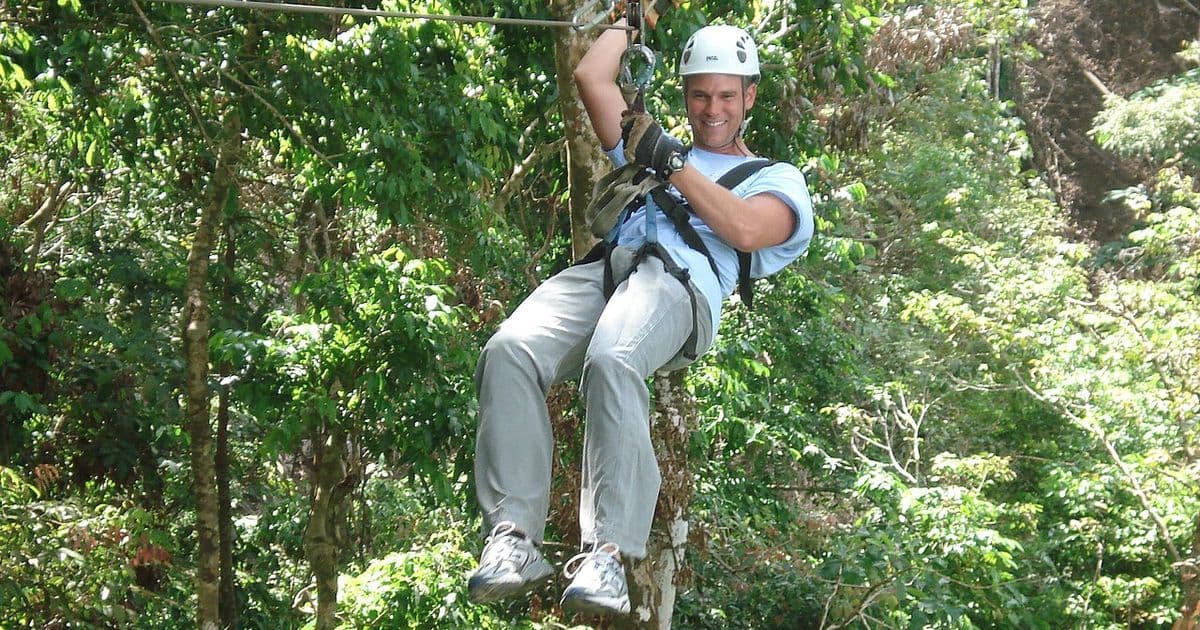
Costa Rica is widely regarded as the birthplace of commercial zip lining, offering some of the most thrilling canopy tours in the world. With cables stretching across misty cloud forests, active volcanic landscapes, and dense rainforest canopies, a Costa Rica zip line experience is unlike anything else. Whether you are a first-time thrill-seeker or a seasoned adventure traveler, the country's diverse zip line options cater to every level.
History of Zip Lining in Costa Rica
Costa Rica is credited as the birthplace of recreational zip lining. In the 1970s and 1980s, biologists used zip line systems to travel through the forest canopy to conduct research without disturbing the ecosystem below. These early cable systems evolved into the adventure tourism industry that now attracts hundreds of thousands of visitors each year.
The first commercial canopy tour opened in the Monteverde Cloud Forest Reserve in the mid-1990s, operated by the Original Canopy Tour. The concept spread rapidly across the country as entrepreneurs recognized the tourism potential. Today, there are over 50 licensed zip line operators in Costa Rica, ranging from small family-run outfits to large-scale adventure parks with multi-cable circuits and additional attractions like Tarzan swings, rappelling, and hanging bridges.
The evolution of zip lining in Costa Rica has also contributed significantly to conservation efforts. Many operators are situated adjacent to protected reserves and contribute a portion of their proceeds to environmental programs. Travelers who choose reputable operators are indirectly supporting rainforest preservation and wildlife corridors throughout the country.
From Research Tool to Global Phenomenon
What began as a scientific research method became the template for adventure tourism worldwide. Costa Rica's model was replicated across Central America, Southeast Asia, and beyond, but the original circuits in Monteverde and Arenal remain among the most iconic zip line destinations on the planet.
Best Zip Line Destinations
Costa Rica offers zip line experiences across vastly different environments, each providing a unique perspective on the country's extraordinary biodiversity. The region around Arenal Volcano near La Fortuna is one of the most popular areas, where cables run through secondary rainforest with views of the iconic cone-shaped volcano and Lake Arenal. Operators in this area typically offer circuits with 10 to 18 platforms and cables reaching speeds of up to 60 kilometers per hour.
Monteverde and Santa Elena in the cloud forest region offer a dramatically different experience. Here, cables slice through dense, fog-covered forest at elevations above 1,500 meters, offering the chance to spot resplendent quetzals, howler monkeys, and hundreds of bird species. The Monteverde Cloud Forest Biological Reserve borders several of the zip line circuits, making it a paradise for wildlife enthusiasts.
Manuel Antonio on the Pacific Coast combines zip lining with ocean views and the chance to see white-faced capuchin monkeys, sloths, and scarlet macaws. Jaco and Quepos also offer canopy tours with coastal perspectives. On the Caribbean side, Tortuguero and the Sarapiqui region provide lush lowland rainforest experiences at lower elevations.
Arenal Volcano Region
The La Fortuna and Arenal area hosts some of the longest and fastest zip lines in the country. Operators like Arenal Mundo Aventura and Sky Adventures Arenal Park offer multi-cable circuits combined with hanging bridges, giving visitors both adrenaline and perspective on rainforest ecology.
Monteverde Cloud Forest
Monteverde's zip lines are considered among the most scenic in Costa Rica. The mist-shrouded canopy, diverse bird life, and cooler temperatures make this a year-round destination. The Original Canopy Tour continues to operate here, alongside newer operators offering more extensive circuits.
What to Expect on a Zip Line Tour
A typical Costa Rica zip line tour lasts between two and four hours and includes an orientation session covering safety procedures, harness fitting, and braking techniques. Most tours involve riding in small groups of 8 to 15 people with two certified guides—one who goes ahead to receive guests at each platform, and one who assists with departures. Guides are trained to communicate weight limits, speed expectations, and braking instructions clearly.
Circuits generally consist of 8 to 18 individual cables of varying lengths and heights. The longest cables in Costa Rica stretch over 1,500 meters, while others traverse shorter gaps between platforms in the treetops. Most tours also include Tarzan swings, rappelling sections, or Tarzan-style platforms as bonus elements. The combination of these features makes the experience more dynamic and engaging beyond the zip line segments alone.
Wildlife sightings are common during zip line tours. Guides are trained naturalists and will point out species such as howler monkeys, toucans, poison dart frogs, and leaf-cutter ants. The elevated vantage point from the canopy platforms offers a unique ecological perspective that ground-level hikes rarely provide.
Physical Requirements
Most zip line operators require participants to weigh between 25 kg and 120 kg (approximately 55 to 265 lbs) for safety reasons. There is typically no strict age minimum, though children under 8 are often required to tandem with a guide. Closed-toe shoes are mandatory, and operators usually provide helmets and gloves.
Safety Standards and Regulations
Costa Rica's zip line industry is regulated by the Instituto Costarricense de Turismo (ICT) and the Ministerio de Salud. Reputable operators must obtain operating licenses, carry liability insurance, conduct regular equipment inspections, and train their guides to internationally recognized standards. The Association for Challenge Course Technology (ACCT) and the Professional Ropes Course Association (PRCA) set guidelines that many Costa Rican operators follow voluntarily to attract international visitors.
Equipment standards include the use of dual carabiner systems, redundant trolleys, and auto-braking mechanisms on high-speed cables. Guides typically use hand-held brake systems as a backup. Helmets, harnesses, and gloves are inspected daily and replaced on a fixed maintenance schedule. When selecting an operator, visitors should verify that the company holds a current ICT license, which can be checked on the tourism institute's official website.
The safety record of Costa Rica's reputable zip line industry is strong. Accidents are rare when operators adhere to established protocols. Visitors should be cautious of unlicensed operators offering significantly lower prices, as these companies may cut corners on equipment maintenance and guide training.
How to Verify a Reputable Operator
Ask to see the operator's ICT license before booking. Reputable companies will display their certification prominently and welcome questions about equipment inspection schedules, guide certifications, and emergency protocols. Reviews on platforms like TripAdvisor and Google can also provide insight into recent visitor experiences.
Tips for Booking Your Zip Line Adventure
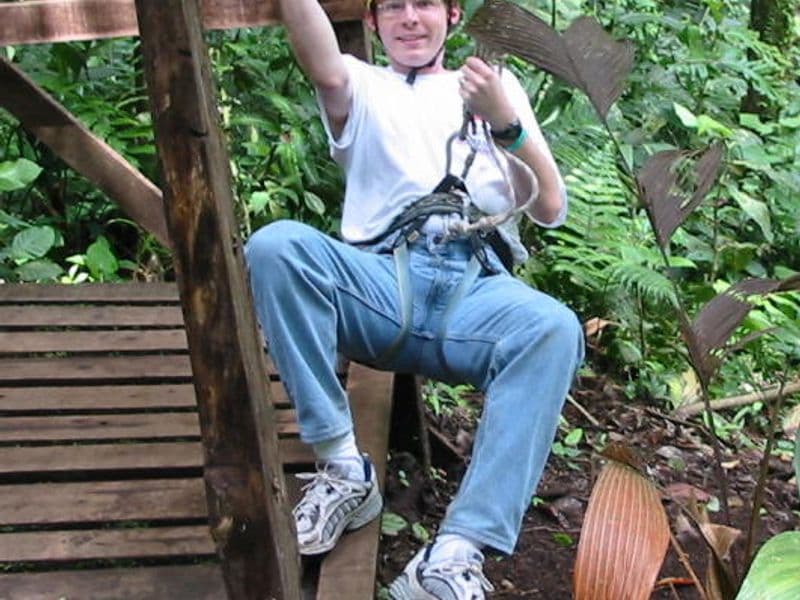
Booking a zip line tour in Costa Rica is straightforward, but a few strategies can enhance the experience. Advance booking is recommended during peak season (December through April) when popular operators can fill up days or weeks in advance. Online booking typically offers a modest discount over walk-up rates. Many hotels and tour operators in tourist hubs like La Fortuna, Monteverde, and Manuel Antonio act as booking agents and can arrange transportation to the zip line facility.
Morning tours are generally preferable for several reasons. Cloud cover and afternoon rain showers are common in Costa Rica, especially during the green season (May through November). Morning departures typically offer clearer skies and calmer wind conditions. Additionally, wildlife activity tends to be higher in the early morning hours, increasing the chances of animal sightings during the tour.
Dress in lightweight, moisture-wicking clothing and apply sunscreen before arriving, as operators ask guests not to apply sunscreen or insect repellent at the facility to reduce the risk of slippery hands on equipment. Tie back long hair, remove dangling jewelry, and wear closed-toe athletic shoes. Cameras and phones should be secured in zippered pockets or left at the facility, as loose items can fall from the cables at height.
Combining Zip Lining with Other Activities
Many visitors pair zip lining with complementary activities. In Arenal, a canopy tour combines naturally with a hot springs visit or white-water rafting on the Balsa or Toro rivers. In Monteverde, zip lining pairs well with a hanging bridges hike through the cloud forest. In Manuel Antonio, a canopy tour followed by beach time at the national park makes for a full day of diverse adventure.
Zip Line Costs and Inclusions
Zip line tour prices in Costa Rica generally range from $45 to $120 USD per person depending on the operator, circuit length, and included features. Budget-friendly options are available in less-visited regions, while premium operators in Arenal and Monteverde charge more for longer circuits, better infrastructure, and additional elements like hanging bridges and rappelling. Some operators include transportation from nearby towns in the tour price, while others charge separately for transport.
Most reputable operators include equipment rental (harness, helmet, gloves), guide service, safety briefing, and a light snack or refreshment in the base price. Photography packages are available at many facilities, where on-site photographers capture action shots along the cables. These packages typically cost an additional $15 to $30 USD and can be worthwhile for visitors who want professional photos without the risk of dropping a personal device.
Group discounts are available at most operators for parties of six or more. Children's rates are commonly 20 to 30 percent lower than adult prices. Some operators offer combination packages that bundle zip lining with ATV rides, horseback riding, or white-water rafting at a reduced combined rate compared to booking each activity individually.
Free vs. Paid Inclusions
Always clarify what is included in the quoted price before booking. Some operators advertise a base rate but charge separately for equipment, transportation, or insurance. The total cost can vary significantly depending on these add-ons, so comparing operators on a fully-loaded price basis gives a more accurate picture of value.
Frequently Asked Questions
Is zip lining in Costa Rica safe?
Yes, zip lining with a licensed, reputable operator is considered safe. Costa Rica's ICT regulates the industry, requiring regular equipment inspections, trained guides, and liability insurance. Always verify an operator's ICT license before booking and avoid unlicensed companies offering unusually low prices.
What is the best place to go zip lining in Costa Rica?
Arenal and Monteverde are the two most popular destinations. Arenal offers long, fast cables with volcano views, while Monteverde provides a misty cloud forest setting with exceptional wildlife. Manuel Antonio is ideal for those combining zip lining with beach and national park activities.
Do I need to book a zip line tour in advance?
Advance booking is strongly recommended during peak season (December through April). Popular operators in Arenal and Monteverde can fill up days ahead. Online booking often provides a small discount and guarantees your preferred time slot.
What should I wear on a zip line tour in Costa Rica?
Wear lightweight, moisture-wicking clothing, closed-toe athletic shoes, and secure any long hair. Remove dangling jewelry and avoid applying sunscreen or insect repellent at the facility. Helmets and gloves are provided by the operator.
Can children go zip lining in Costa Rica?
Most operators welcome children, typically requiring a minimum weight of around 25 kg. Children under 8 may be required to tandem with a guide. Children's rates are generally 20 to 30 percent lower than adult prices. Always check the specific operator's age and weight policies before booking.