
Costa Rica: The Ultimate Guide to Central America's Natural Paradise
Costa Rica is a small Central American nation roughly the size of West Virginia, yet it contains nearly 6% of the world's biodiversity. Famous for its commitment to environmental conservation, stunning rainforests, active volcanoes, and two coastlines stretching along both the Pacific Ocean and the Caribbean Sea, Costa Rica has become one of the most visited countries in the Americas. Whether you seek adventure, wildlife, or relaxation on pristine beaches, Costa Rica delivers an extraordinary experience.
Geography and Regions of Costa Rica
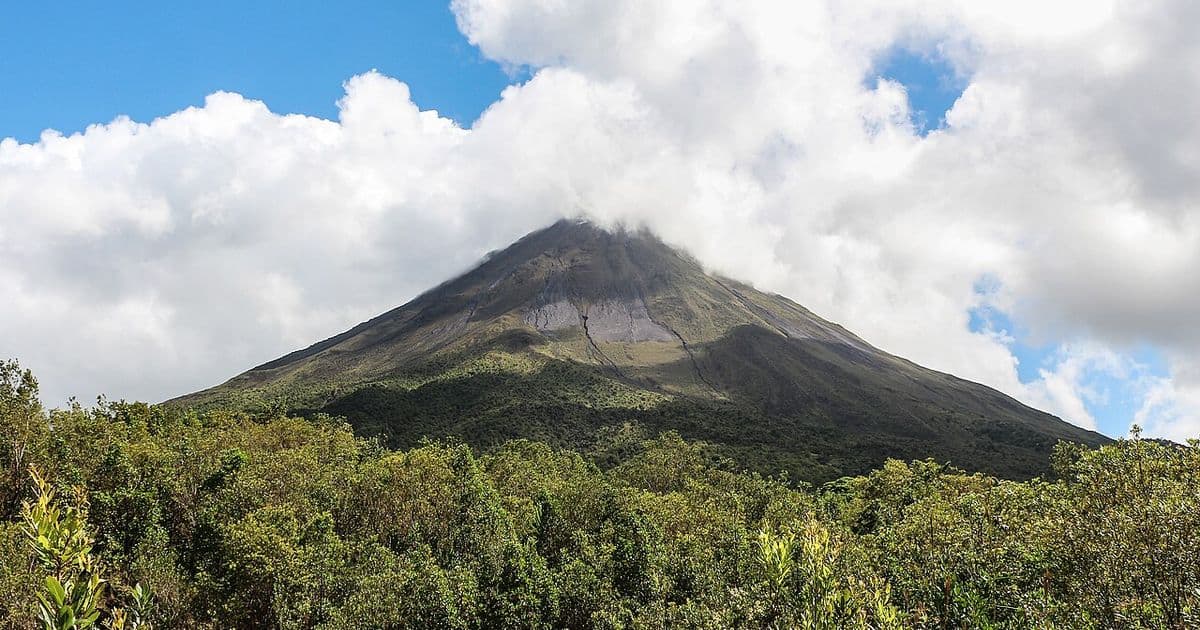
Costa Rica occupies a narrow land bridge between Nicaragua to the north and Panama to the south, spanning approximately 51,100 square kilometers. Despite its small size, the country's topography is remarkably varied. A mountainous central spine called the Cordillera Central runs through the middle of the country, featuring several active and dormant volcanoes including Arenal, Poás, Irazú, and Turrialba. These mountains create dramatic microclimates, from misty cloud forests at elevations above 1,500 meters to dry tropical forests near sea level.
The country is commonly divided into seven distinct regions: the Central Valley (Valle Central), the Pacific Coast (further subdivided into the Northern Pacific and Southern Pacific), the Caribbean Coast, the Northern Lowlands (Zona Norte), the Nicoya Peninsula, and the Osa Peninsula. Each region offers a fundamentally different landscape and travel experience. The Central Valley sits at roughly 1,100 meters elevation, giving San José and surrounding cities a perpetually mild, spring-like climate. The Pacific side experiences a defined dry season from December through April, while the Caribbean coast receives rainfall year-round but peaks in December and January.
The Nicoya Peninsula in Guanacaste province is home to some of Costa Rica's most popular beach towns including Tamarindo, Nosara, and Santa Teresa. The Osa Peninsula in the far south contains Corcovado National Park, considered by National Geographic as one of the most biologically intense places on Earth. The country's geography is the foundation of its extraordinary biodiversity and its thriving ecotourism industry.
Major Mountain Ranges and Volcanoes
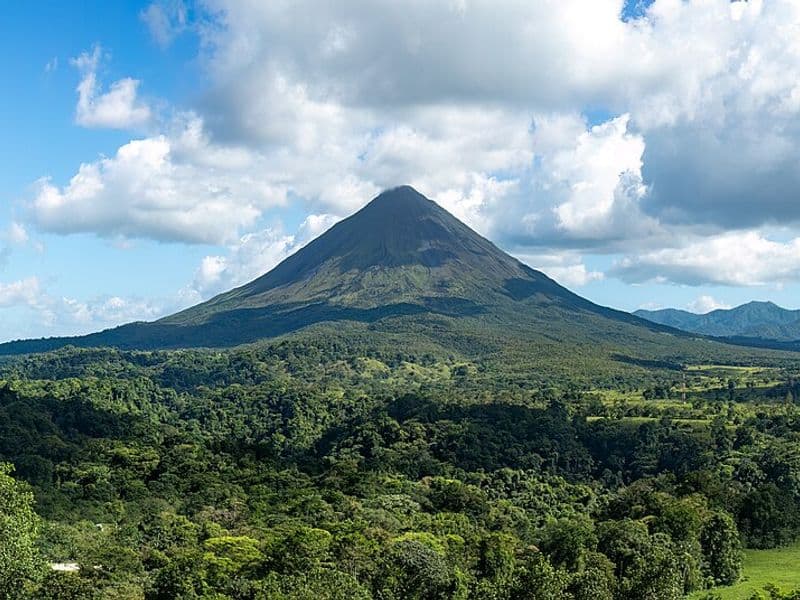
The Cordillera de Guanacaste extends through the northwest, while the Cordillera de Tilarán passes through the center, hosting the famous Monteverde Cloud Forest Reserve. The Cordillera Central contains Poás Volcano (2,708 m) and Irazú Volcano (3,432 m), both accessible as day trips from San José. Arenal Volcano (1,670 m) in the Northern Lowlands was one of the most active volcanoes in the world until it entered a quieter phase around 2010, though geologists consider it still active.
Two Coastlines
Costa Rica's Pacific coastline stretches approximately 1,016 kilometers and features everything from calm Gulf of Nicoya waters to powerful surf breaks. The Caribbean coastline runs about 212 kilometers and includes Tortuguero National Park, a vital nesting site for green sea turtles, and the laid-back Afro-Caribbean culture of towns like Puerto Viejo de Talamanca.
Top Destinations to Visit
Costa Rica offers an impressive range of destinations suited to every type of traveler. The La Fortuna and Arenal Volcano area in the Northern Lowlands is consistently one of the most visited regions, offering hot springs, zip-lining, white-water rafting on the Sarapiquí River, and the iconic cone-shaped backdrop of Arenal Volcano. Lake Arenal, the largest lake in Costa Rica, provides windsurfing, kayaking, and scenic viewpoints.
Monteverde and Santa Elena in the Tilarán mountains attract visitors with world-class cloud forest experiences. The area is home to over 400 species of birds including the resplendent quetzal, 100 species of mammals, and thousands of plant species. Hanging bridges, canopy tours, and guided night walks are popular activities. In Guanacaste province, the beach towns of Tamarindo, Sámara, and Nosara draw surfers and yoga enthusiasts, while Manuel Antonio National Park on the Central Pacific coast combines accessible wildlife viewing with beautiful beaches in a compact area.
For the truly adventurous, Corcovado National Park on the Osa Peninsula offers multi-day jungle treks with chances to see tapirs, scarlet macaws, jaguars, and all four species of Costa Rican monkeys. The Nicoya Peninsula's Cabo Blanco Absolute Nature Reserve, Costa Rica's first protected area established in 1963, rewards visitors with pristine beaches and excellent snorkeling. The Caribbean town of Puerto Viejo de Talamanca provides a unique cultural experience with its Afro-Caribbean food, music, and relaxed atmosphere.
San José as a Base
While many travelers pass through quickly, San José serves as an excellent base for day trips to Poás Volcano, Irazú Volcano, the cloud forests of Braulio Carrillo National Park, and the white-water rapids of the Pacuare River. The city's central location in the Valle Central puts travelers within two to four hours of most major tourist destinations in the country.
Costa Rica's Wildlife and Biodiversity
Costa Rica's commitment to conservation has made it a global leader in protecting natural habitats. Approximately 26% of the country's total land area is protected within a system of national parks, wildlife refuges, biological reserves, and other protected zones — one of the highest percentages of protected land in the world. This network of protected areas, combined with private reserves and wildlife corridors, has enabled Costa Rica to halt and partially reverse deforestation that once threatened its forests.
The country is home to roughly 500,000 species, representing nearly 6% of global biodiversity in just 0.03% of Earth's land surface. Birdwatchers can find over 900 recorded bird species including toucans, motmots, scarlet macaws, and the famous resplendent quetzal. Mammals include jaguars, pumas, ocelots, tapirs, white-lipped peccaries, giant anteaters, sloths, and four species of monkeys (howler, spider, white-faced capuchin, and squirrel monkeys). The country also has more than 220 species of reptiles, 175 amphibian species, and thousands of insect species.
Marine life is equally impressive. The Pacific coast hosts world-class whale watching from July through October as humpback whales migrate from both hemispheres to breed in Costa Rican waters — the longest whale watching season on Earth. Sea turtles nest on both coastlines, with Tortuguero on the Caribbean side hosting the world's largest green sea turtle nesting beach, and Ostional Wildlife Refuge on the Pacific side hosting massive olive ridley turtle arribadas (mass nestings) from July through December.
Pura Vida and the Conservation Ethic
Costa Rica abolished its military in 1948, redirecting resources toward education and healthcare. The country has since developed a global reputation for environmental leadership, targeting 100% renewable electricity (which it has achieved on most days) and pledging to be carbon neutral. The phrase "Pura Vida" (literally "pure life") has become both a national motto and a cultural philosophy reflecting the Costa Rican emphasis on enjoying nature and life's simple pleasures.
Climate and Best Time to Visit
Costa Rica does not have traditional four-season weather patterns. Instead, the country experiences two primary seasons: the dry season (verano, or summer) from December through April, and the rainy season (invierno, or winter) from May through November. These seasons, however, apply primarily to the Pacific coast and Central Valley. The Caribbean coast operates on a nearly opposite weather pattern, receiving more rain from December through March and experiencing drier conditions from September through November.
The dry season is generally considered the best time to visit for most travelers, particularly for beach destinations on the Pacific. Roads are more passable, outdoor activities are less likely to be interrupted by rain, and wildlife is often more concentrated around water sources as rivers and water holes shrink. However, the dry season also coincides with peak tourist season, meaning higher prices and more crowded attractions.
The green season (rainy season) has its own advantages. Rain typically falls in concentrated afternoon and evening showers rather than all-day downpours, leaving mornings clear and bright. Vegetation is lush and intensely green, waterfalls run at full force, and tourist numbers drop significantly, resulting in better prices and a more authentic experience. Surfing on the Pacific's southern beaches is often best during the rainy season when consistent swells arrive. Temperatures throughout Costa Rica remain relatively stable year-round, typically between 21°C and 28°C at sea level, cooler in the mountains.
Microclimates and Regional Variation
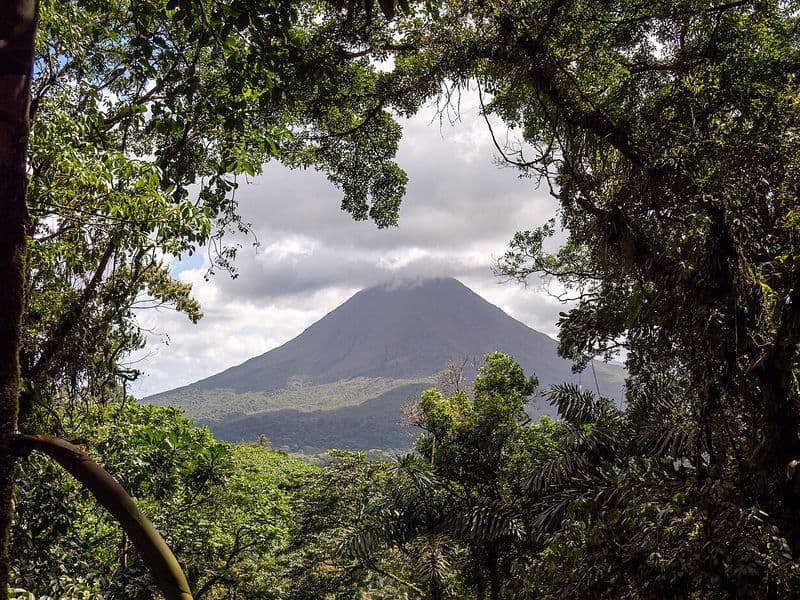
Costa Rica's complex topography creates dozens of microclimates. Monteverde receives mist and light rain throughout much of the year due to trade winds passing over the mountains, making it perpetually cool and humid. The Guanacaste region experiences the country's most pronounced dry season, with some areas going months without rainfall from January through April. The Osa Peninsula receives some of the heaviest rainfall in the Americas, with some areas recording over 5,000 mm annually.
Getting Around Costa Rica
Transportation in Costa Rica requires planning, as infrastructure varies considerably by region. The primary international airport, Juan Santamaría International Airport (SJO), is located in Alajuela near San José and serves most international arrivals. A second international airport, Daniel Oduber Quirós International Airport (LIR), in Liberia provides direct access to the Guanacaste beach region and is increasingly popular with North American visitors.
Renting a 4WD vehicle is highly recommended for exploring beyond the major towns, as many roads leading to beaches, national parks, and rural areas are unpaved and can become challenging during the rainy season. Popular routes like the Pan-American Highway (Route 1) and the Inter-American Highway are paved, but secondary roads require caution. Domestic airlines including Sansa and Green Airlines operate small propeller planes connecting San José with destinations like Nosara, Tamarindo, Drake Bay, Puerto Jiménez, and Tortuguero, cutting travel times from hours to minutes.
Public buses are reliable and inexpensive, connecting most towns throughout the country from the Coca-Cola Bus Terminal in San José and regional terminals in major cities. Shared shuttle vans (called shuttles) offer a middle ground between private transfers and public buses, providing door-to-door service between tourist hubs at a moderate cost. Water taxis are essential for reaching some coastal destinations, particularly Montezuma and Mal País on the Nicoya Peninsula and the canals of Tortuguero.
Driving Tips
Driving in Costa Rica requires patience and preparation. GPS apps like Waze are widely used and generally reliable for navigating urban areas and major routes. Speed bumps (called muertos, literally "dead men") are extremely common, even on highways, and are often unmarked. Driving at night in rural areas is strongly discouraged due to wildlife on roads, poor signage, and potholes. All international visitors must carry their passport and rental agreement while driving.
Culture, Food, and Local Life
Costa Ricans, who call themselves Ticos (men) and Ticas (women), are known throughout Latin America for their warm hospitality and relatively high standard of living. Costa Rica consistently ranks as one of the happiest countries in the world in international surveys, and it is frequently cited as a model for sustainable development. Literacy rates exceed 97%, and the country has one of the best public healthcare systems in Latin America. The official language is Spanish, though English is widely spoken in tourist areas.
Costa Rican cuisine is modest but satisfying. The national dish, gallo pinto, consists of rice and black beans cooked together with onion, sweet pepper, cilantro, and Salsa Lizano (a mild Worcestershire-style sauce unique to Costa Rica). It is eaten at breakfast, lunch, and sometimes dinner. A casado (literally "married man") is the standard lunch plate, combining rice, beans, plantains, a small salad, and a protein such as chicken, beef, fish, or pork. Tropical fruits — papaya, mango, pineapple, cas, maracuyá (passion fruit), and guanábana — are abundant and cheap year-round.
Costa Rican coffee is world-famous and grown primarily in the highlands of Tarrazú, Naranjo, Tres Ríos, and the Poás Volcano area. The country was one of the pioneers of specialty coffee and shade-grown farming practices. Visiting a coffee plantation (hacienda de café) is a popular activity in the Central Valley. The Boruca, Bribri, and Maleku are among the indigenous communities that maintain traditional crafts, languages, and cultural practices, particularly in the Talamanca mountains and the Caribbean lowlands.
Festivals and Holidays
Costa Rica celebrates several unique national festivals. The Palmares Festivities in January feature bullfighting (the Costa Rican style, in which the bull is never harmed), live music, and carnival rides, drawing hundreds of thousands of visitors to the small town of Palmares. The Día de la Virgen de los Ángeles on August 2 is the country's most important religious event, with pilgrims walking from across the country to the Basilica in Cartago. Independence Day on September 15 is celebrated with lantern parades (faroles) and student marching bands nationwide.
Frequently Asked Questions
Do I need a visa to visit Costa Rica?
Citizens of the United States, Canada, the European Union, the United Kingdom, and most Latin American countries do not require a visa to enter Costa Rica for tourism stays of up to 90 days. You must have a valid passport with at least six months of remaining validity. Always check with the Costa Rican embassy or your country's travel advisory for the latest entry requirements before traveling.
Is Costa Rica safe for tourists?
Costa Rica is generally considered one of the safer countries in Central America for tourists. The most common issues are petty theft and vehicle break-ins, particularly in tourist areas. Travelers should take standard precautions: avoid leaving valuables in rental cars, use hotel safes, be aware of your surroundings in crowded areas, and avoid walking alone at night in unfamiliar parts of cities. The U.S. State Department typically rates Costa Rica at Level 1 or 2 (Exercise Normal or Increased Caution).
What is the best time of year to visit Costa Rica?
The dry season from December through April offers the most reliably sunny weather, particularly for Pacific coast beaches, and is considered peak tourist season. The green season (May through November) brings lower prices, lush scenery, and fewer crowds, with rain typically concentrated in afternoon showers. The Caribbean coast follows a different pattern, with September through October being particularly sunny. Many experienced travelers prefer visiting in the shoulder months of November or late April for a balance of good weather and value.
What currency is used in Costa Rica?
The official currency is the Costa Rican Colón (CRC). US dollars are widely accepted in tourist areas, hotels, restaurants, and many shops, often with competitive exchange rates. However, colones are required for local buses, small sodas (family restaurants), markets, and transactions in rural areas. ATMs dispensing both colones and dollars are available in most towns. Credit cards are accepted at most hotels, restaurants, and larger businesses, though a small surcharge may apply.
How do I get from the airport to popular destinations?
Juan Santamaría International Airport (SJO) near San José is connected to the city center by taxi (approximately $25-35 USD), Uber (often cheaper), official orange airport taxis, and public bus. Shared shuttle services and private transfers are available to most tourist destinations across the country, with prices ranging from $50 to $200+ depending on distance. For Guanacaste beach destinations, flying into Liberia's Daniel Oduber Airport (LIR) instead of San José can save 3-4 hours of ground travel.