
Costa Rica Currency: Everything You Need to Know About the Colon
The official currency of Costa Rica is the Costa Rican colon (CRC), named after Christopher Columbus. Understanding how the colon works, where to exchange money, and when to use dollars versus colones will help you save money and avoid confusion during your trip.
What Is the Costa Rican Colon?
The Costa Rican colon (symbol: ₡, code: CRC) is the official currency of Costa Rica. It has been the national currency since 1896, replacing the Costa Rican peso. The colon is named after Christopher Columbus, known as Cristóbal Colón in Spanish.
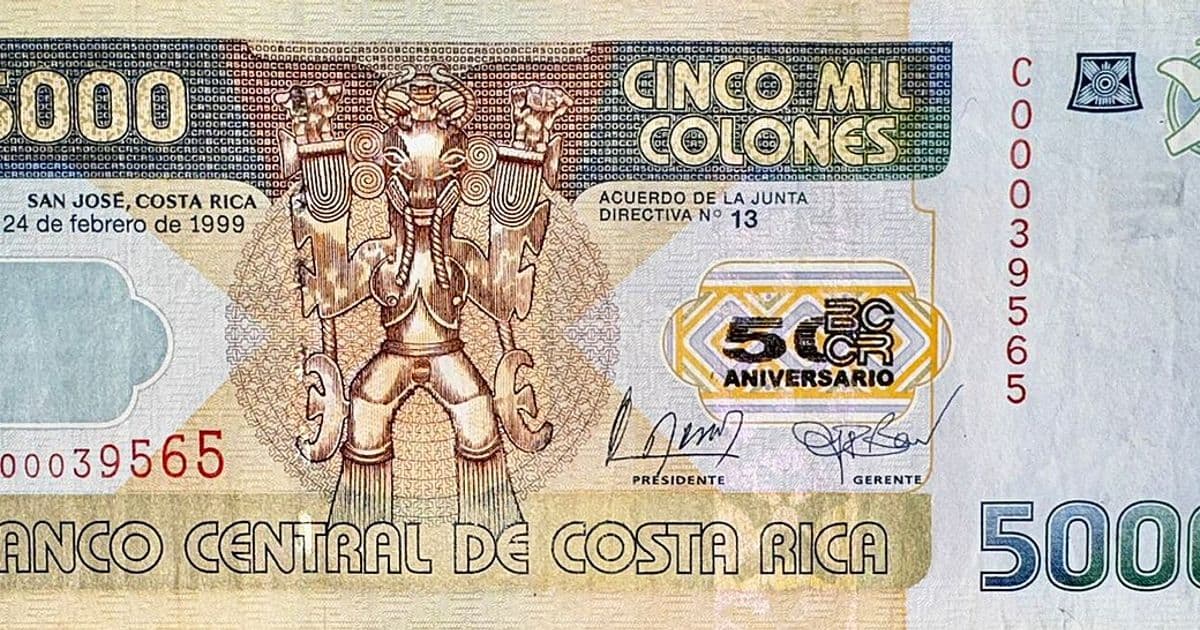
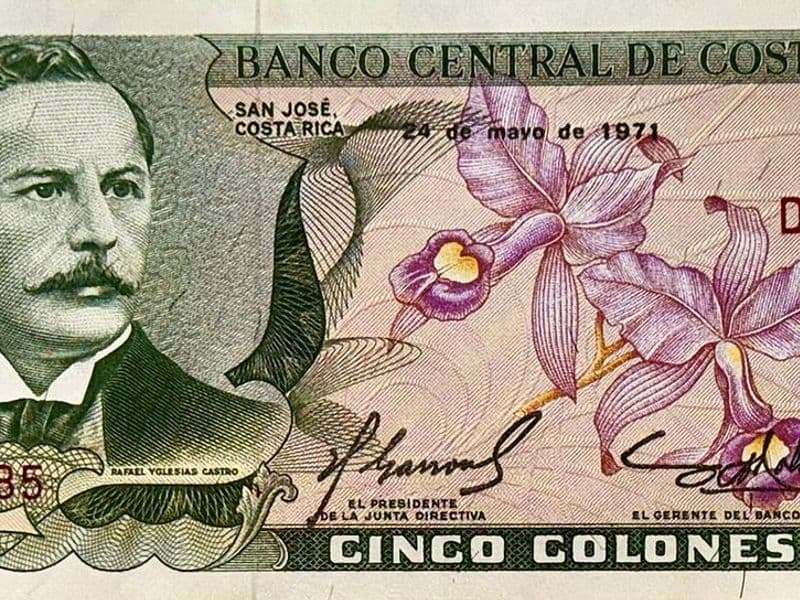
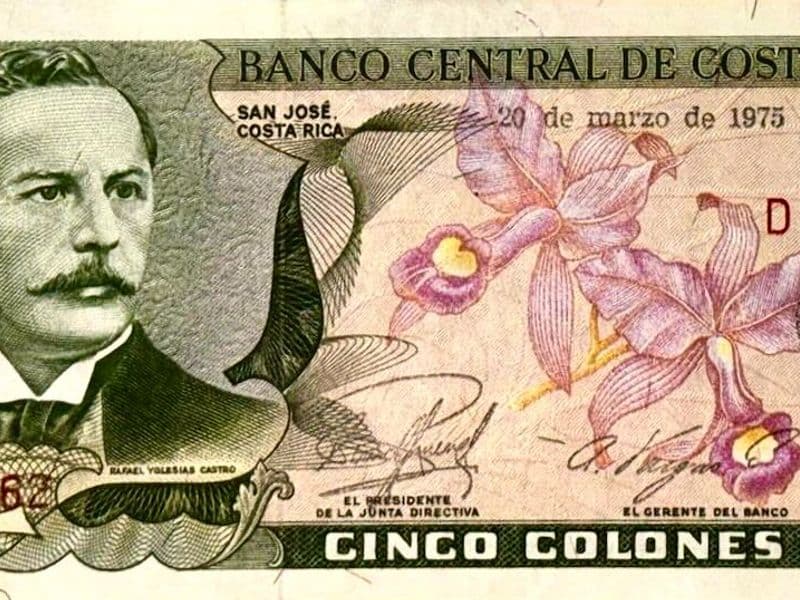
Coins come in denominations of 5, 10, 25, 50, 100, and 500 colones. Banknotes are issued in 1,000, 2,000, 5,000, 10,000, 20,000, and 50,000 colones. The bills feature colorful designs showcasing Costa Rica's wildlife and notable figures.
Colon Denominations
The most commonly used bills are the 1,000, 5,000, and 10,000 colon notes. The 50,000 colon bill (roughly $90 USD) can be difficult to break at small businesses, so try to carry smaller denominations when visiting rural areas or local shops.
The Silver and Gold Coins
Costa Rican coins are divided into silver-colored (5, 10, 25 colones) and gold-colored (50, 100, 500 colones). The 500 colon coin is particularly useful for small purchases, tips, and parking meters.
Current Exchange Rate: Colon to USD
As of 2025, the exchange rate hovers around 510-530 colones per US dollar. This rate fluctuates daily based on market conditions. The Central Bank of Costa Rica (Banco Central de Costa Rica) manages monetary policy and publishes official exchange rates daily.
For quick mental math, dividing the colon price by 500 gives you a rough USD equivalent. So a 5,000 colon meal costs about $10 USD, and a 25,000 colon excursion is roughly $50 USD.
Tracking the Exchange Rate
Check the Central Bank of Costa Rica website (bccr.fi.cr) for the official rate. Currency conversion apps like XE or Google's built-in converter also provide real-time rates. The rate at banks and ATMs is generally within 1-2% of the official rate.
Where to Exchange Money in Costa Rica
The best places to exchange money in Costa Rica are ATMs, which offer rates close to the official exchange rate. Most ATMs accept Visa and Mastercard and dispense colones. Some ATMs at airports and in tourist areas also offer the option to withdraw US dollars.
Avoid exchanging money at the airport currency exchange booths, as they typically offer rates 5-10% worse than ATMs or banks. Street money changers should also be avoided due to the risk of counterfeit bills and scams.
ATMs in Costa Rica
ATMs (called cajeros automáticos) are widely available in cities and tourist towns. Look for ATMs inside banks or shopping centers for added security. Notify your bank before traveling to avoid card blocks, and be aware that most Costa Rican ATMs charge a withdrawal fee of $3-5 USD per transaction.
Banks and Exchange Houses
Major banks like Banco Nacional, BAC, and Scotiabank offer currency exchange services. Exchange hours are typically Monday-Friday, 9 AM to 3 PM. Some banks may require your passport for large exchanges.
Can You Use US Dollars in Costa Rica?
Yes, US dollars are widely accepted in tourist areas throughout Costa Rica. Hotels, tour operators, upscale restaurants, and shops in popular destinations like Tamarindo, Manuel Antonio, and Arenal readily accept dollars. However, you will almost always receive change in colones.
In rural areas and local neighborhoods, colones are preferred and sometimes required. It's wise to carry both currencies. Small denominations of US dollars ($1, $5, $10, $20) are most practical, as many businesses cannot break $50 or $100 bills.
When to Use Dollars vs. Colones
Use dollars for hotels, tours, and tourist restaurants where prices are often quoted in USD. Use colones for local restaurants (sodas), buses, taxis, farmers markets, and small shops. Paying in colones at businesses that price in dollars can sometimes save you money, as they may round the dollar price up.
Tipping in Costa Rica
Tipping customs in Costa Rica are more relaxed than in the United States. A 10% service charge (called servicio) is automatically added to restaurant bills by law. An additional tip is appreciated but not expected—rounding up or leaving an extra 5-10% for excellent service is generous.
For tour guides, $10-20 USD per person per day is customary. Hotel bellhops typically receive $1-2 USD per bag, and housekeeping staff $1-2 USD per day. Taxi drivers do not expect tips, but rounding up the fare is a nice gesture.
The 10% Service Charge
The mandatory 10% service charge on restaurant bills goes to the restaurant, not directly to your server. If you want to tip your server directly, leave cash on the table. This is especially meaningful in local restaurants where servers may earn minimum wage.
Frequently Asked Questions
What is the currency of Costa Rica?
The official currency of Costa Rica is the Costa Rican colon (CRC), symbolized by ₡. It is named after Christopher Columbus (Cristóbal Colón in Spanish).
Can I use US dollars in Costa Rica?
Yes, US dollars are widely accepted in tourist areas, hotels, and tour companies. However, you'll receive change in colones. Carry both currencies for the best experience.
What is the exchange rate for Costa Rica currency to USD?
As of 2025, the exchange rate is approximately 510-530 colones per US dollar. Check the Central Bank of Costa Rica or a currency app for the current rate.
Where is the best place to exchange money in Costa Rica?
ATMs offer the best exchange rates, typically within 1-2% of the official rate. Avoid airport currency exchange booths and street money changers.
Do I need to tip in Costa Rica?
A 10% service charge is automatically added to restaurant bills. Additional tipping is appreciated but not required. Tour guides typically receive $10-20 USD per person per day.