
Costa Rica Property for Sale: Regional Guide, Prices, and Buying Tips
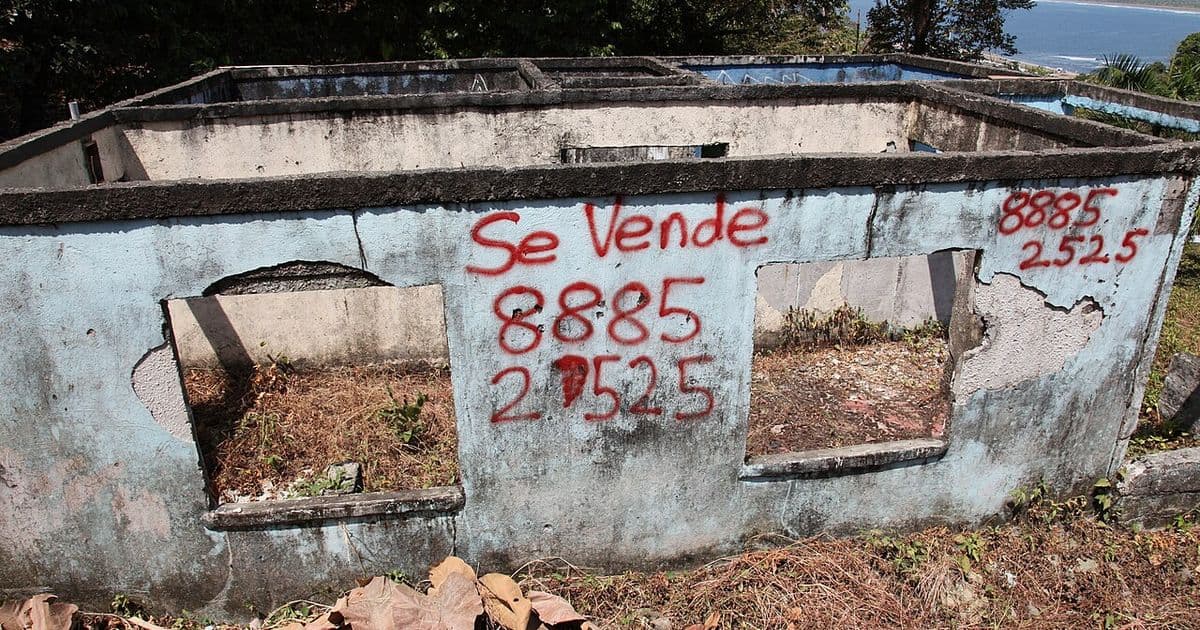
The Costa Rica property market offers a remarkable range of options for buyers seeking residential homes, vacation retreats, investment parcels, or agricultural land. With foreigners holding the same constitutional property rights as citizens, a public title registry, and a stable democratic government, Costa Rica consistently ranks among the most secure and accessible property markets in Central America. This guide walks through the key property categories, regional differences, pricing benchmarks, and the legal steps every buyer should understand.
Categories of Property for Sale in Costa Rica
Costa Rica property listings fall into several broad categories that determine both the legal ownership structure and the practical use of the land. Residential property includes single-family homes, condominiums, townhouses, and multi-family buildings intended for personal or rental housing. Commercial property covers retail storefronts, office buildings, hotels, and mixed-use developments. Agricultural and farm properties, known locally as fincas, range from small hobby farms with a few hectares to large-scale operations producing coffee, pineapple, or cattle.
Raw land parcels, either fully titled or sold as rights of possession, attract buyers looking to build custom homes or develop eco-tourism projects. Beachfront and coastal properties are among the most desirable and legally complex categories, as many fall within the Maritime Terrestrial Zone where ownership is replaced by municipal concession rights. Industrial properties, including warehouses and logistics facilities in Free Trade Zones near the capital, serve a growing corporate sector supported by technology and medical device manufacturing companies operating in Costa Rica.
Fractional and Co-Ownership Properties
Fractional ownership and co-ownership models have emerged in some luxury resort communities, particularly in Guanacaste. Buyers purchase a defined share of a high-value property, gaining usage rights for a portion of the year. These arrangements can lower the entry price for premium properties but require careful legal review of the co-ownership agreement, governance rules, and exit provisions before committing funds.
Regional Market Breakdown
San José and the Central Valley represent the largest and most liquid segment of the Costa Rica property market. The metropolitan area is home to approximately half of the country's population and generates the majority of formal economic activity. Residential property in well-regarded suburbs such as Escazú, Santa Ana, La Florida, Rohrmoser, and Ciudad Colón attracts both Costa Rican professionals and foreign residents seeking urban infrastructure with a temperate mountain climate. Commercial property demand in this region is driven by the technology, pharmaceutical, and business services sectors.
Guanacaste is the dominant coastal market, featuring everything from affordable inland lots to ultra-luxury oceanfront estates. The dry season (December through April) brings peak tourism and rental demand, supporting a robust vacation rental economy. Key micro-markets within Guanacaste include the Papagayo Gulf, home to the four-star and five-star resort corridor; the Tamarindo area, a surf and expat hub; and the quieter Nosara-Sámara stretch known for wellness tourism and digital nomad communities. The Nicoya Peninsula, accessed by ferry from Puntarenas or roads through Guanacaste, includes the globally recognized Blue Zone region and has seen dramatic price appreciation over the past decade.
Southern Pacific and Caribbean Markets
The Southern Pacific Zone from Quepos and Manuel Antonio south to Drake Bay and Puerto Jiménez on the Osa Peninsula remains one of the most biologically diverse and scenically dramatic regions in the country. Property prices are generally lower than comparable Pacific Northwest locations, though rising steadily. The Caribbean coast around Cahuita, Puerto Viejo, and Gandoca offers the most affordable coastal property in Costa Rica, with a distinct cultural character influenced by Afro-Caribbean and indigenous Bribrí communities.

Understanding Costa Rica Property Prices
Property prices in Costa Rica are influenced by location, views, proximity to the ocean or amenities, infrastructure quality, and the overall condition of the structure or land improvements. As a general benchmark, residential lots in suburban Central Valley neighborhoods range from $50,000 to $200,000 depending on size and location. Modest single-family homes in the same area start around $120,000 and rise to over $500,000 for executive residences with premium finishes and community facilities.
Coastal property commands significant premiums. Ocean-view lots in Guanacaste start around $80,000 for smaller parcels with partial views and can exceed $500,000 for prime ridge-top land with panoramic Pacific vistas. Beachfront condominiums in developed resort communities like Playa Flamingo or Papagayo range from $250,000 to over $2 million. In the Southern Zone, buyers can still find productive farm land, jungle parcels, and modest homes at prices 30 to 50 percent below comparable Guanacaste inventory, reflecting the longer drive times and lower tourist infrastructure.
Declared Value vs. Market Value
In Costa Rica, properties are often registered with the National Registry at a declared value that may be lower than the actual market price. While buyers and sellers sometimes agree to declare a lower value to reduce transfer taxes, this practice carries legal risks and is increasingly scrutinized by the tax authority (Ministerio de Hacienda). Declaring the full and accurate sale price is the legally correct approach and protects buyers from future capital gains complications.
Legal Steps to Buying Property in Costa Rica
The property purchase process in Costa Rica begins with identifying a property and conducting preliminary due diligence through the National Registry to verify ownership, confirm there are no liens or mortgages, and check the cadastral map for boundary accuracy. Buyers should also consult municipal records to verify that any existing structures were built with proper permits (permisos de construcción) and comply with local zoning regulations.
Once due diligence is satisfactory, the buyer and seller sign a purchase-sale option agreement (opción de compraventa) or a binding purchase-sale agreement (promesa de compraventa), accompanied by a deposit of 5 to 15 percent of the agreed price placed in an escrow account. The closing deed (escritura de traspaso) is then prepared and signed before a Costa Rican notary public, who simultaneously submits the transfer to the National Registry. The buyer pays transfer taxes, stamps, and legal fees at closing, while the seller pays capital gains tax (2.25 percent of the sale price for properties held as personal assets under the simplified capital gains regime) and the real estate agent's commission.
Escrow and Fund Security
Using a licensed escrow service or having the purchase deposit held by a reputable law firm in a dedicated client trust account is essential for protecting buyer funds during the due diligence period. Costa Rica has reputable escrow companies, including some affiliated with U.S. title and escrow businesses. Never transfer purchase funds directly to a seller or agent prior to closing without proper escrow arrangements in place.
Residency and Property Ownership
Owning property in Costa Rica does not automatically grant legal residency. However, investment in real estate with a minimum value of $150,000 (subject to regulatory change) can qualify a buyer for the Investor Residency (Inversionista) category. Separately, the Pensionado and Rentista residency programs, which do not require property investment, are popular among retirees and those with passive income. Consulting an immigration attorney alongside a real estate attorney is advisable for buyers with residency goals.
Environmental Restrictions and Protected Zones
Costa Rica is internationally recognized for protecting approximately 28 percent of its national territory within national parks, biological reserves, wildlife refuges, and other protected areas. Properties located near or within these zones may be subject to significant restrictions on construction, deforestation, or land use change. The National System of Conservation Areas (SINAC) administers these regulations, and local municipal development plans (planes reguladores) further define allowable uses in different zones.
Rivers and stream buffers also carry mandatory setback requirements under the Water Law, typically restricting construction within 10 meters of seasonal streams and 15 meters of permanent water bodies. Properties in flood-prone areas, steep terrain, or areas classified as public interest zones for water recharge may have further limitations. Buyers should request a review of any applicable environmental or zoning restrictions as part of their legal due diligence before committing to a purchase.
SETENA Environmental Permits
Development projects in Costa Rica above a certain scale or located in sensitive ecological areas require environmental impact assessments processed through the Secretaría Técnica Nacional Ambiental (SETENA). Buyers of raw land or partially developed properties intended for construction should verify whether pending SETENA approvals are required and what conditions may apply. SETENA approval processes can take several months and add cost to development timelines.
Property Management for Absentee Owners
Many foreign buyers of Costa Rica property do not live in the country full-time, making professional property management an important consideration. Property managers handle a wide range of tasks including rental guest check-in and check-out, housekeeping coordination, routine maintenance, landscaping, pool service, security monitoring, utility bill payment, and municipal tax payments. Management fees for vacation rentals typically range from 20 to 30 percent of gross rental revenue, while long-term rental management is usually charged at one month's rent as a leasing fee plus 8 to 10 percent of monthly rent for ongoing management.
Choosing a property management company with verifiable references, experience in your specific region, and transparent reporting practices is critical. Some larger resort communities have on-site management services included in HOA fees. For remote properties in rural or Southern Zone areas, finding reliable independent managers with demonstrated local networks and contractor relationships is especially important given the greater maintenance demands of jungle or farm environments.
Rental Regulations and Tourism Licensing
Operating a vacation rental property in Costa Rica legally requires registration with the Costa Rican Tourism Institute (Instituto Costarricense de Turismo, or ICT) for properties rented to tourists. Additionally, rental income above certain thresholds is subject to VAT (Impuesto al Valor Agregado) at 13 percent. Non-resident property owners must designate a local fiscal representative to handle tax filings with the Ministerio de Hacienda. Compliance with these requirements protects owners from fines and keeps rental operations legally sound.
Common Mistakes to Avoid When Buying
The most frequent and costly errors made by foreign property buyers in Costa Rica stem from inadequate due diligence, misplaced trust, and unfamiliarity with local legal conventions. Buying property with clouded title or unresolved liens is perhaps the most serious risk, as inheriting another party's debt or legal dispute can be extremely difficult and expensive to resolve. A complete National Registry title search conducted by your own independent attorney is non-negotiable.
Paying deposits to sellers or agents without a formal purchase agreement and a secure escrow arrangement has resulted in significant financial losses for buyers. Using a verbal agreement or an informal letter of intent as the basis for a large deposit is inadvisable. Additionally, failing to verify that structures have legal construction permits can create problems when trying to resell or obtain financing. Overpaying based on emotional attachment to a property without comparing similar sales (comparables) in the area is another avoidable mistake. Engaging an experienced, independent real estate attorney before signing anything is the single most protective step a buyer can take.
Verifying Builder and Developer Credentials
For pre-construction purchases, buyers should thoroughly investigate the developer's track record, financial stability, and existing completed projects. Visiting prior developments, speaking with past buyers, and confirming the developer's corporate registration and legal standing in Costa Rica are all important steps. Ensuring that purchase deposits are held in a third-party escrow account rather than the developer's operating accounts provides critical protection if a project is delayed or abandoned.
Frequently Asked Questions
What types of property can foreigners buy in Costa Rica?
Foreigners can buy any titled residential, commercial, agricultural, or raw land property in Costa Rica. Beachfront property within the Maritime Terrestrial Zone is an exception — it cannot be privately titled and is held as municipal concession instead.
How do I verify that a Costa Rica property has clean title?
Your attorney searches the National Registry (Registro Nacional) using the property's folio real number to confirm the current registered owner, check for any mortgages or liens, and verify cadastral measurements. This search is the foundation of title due diligence.
Are there environmental restrictions on property use in Costa Rica?
Yes. Approximately 28% of national territory is protected. Properties near national parks, biological reserves, rivers, wetlands, or steep slopes may face restrictions on construction and land use. Due diligence should include review of SINAC zoning and municipal development plans.
What is the typical timeline to close on property in Costa Rica?
From signed purchase agreement to completed title registration, most transactions take 30 to 90 days. Complexity of due diligence, financing arrangements, and National Registry processing times affect the actual timeline.
Do I need to be in Costa Rica to buy property?
It is possible to purchase property remotely by granting power of attorney to a trusted representative or attorney in Costa Rica. However, visiting the property in person before committing to a purchase is strongly recommended.