
Costa Rica Food: A Guide to Traditional Cuisine and Local Flavors
Costa Rica food is built on simple, fresh, and satisfying ingredients that reflect the country's agricultural abundance and mestizo heritage. From the beloved gallo pinto served at breakfast to the hearty casado plate at lunch, Costa Rican cuisine prioritizes flavor, nutrition, and community. Visitors who venture beyond resort buffets discover a vibrant food culture rooted in generations of home cooking.
Staple Foods of the Costa Rican Diet
The foundation of Costa Rica food is rice and beans, which appear in virtually every meal in some form. Black beans (frijoles negros) are the most common variety, cooked until tender and served whole, mashed, or fried. White rice is ubiquitous and is grown domestically in the Guanacaste and Turrialba regions. Together, rice and beans form a nutritionally complete protein combination that has sustained Costa Rican families for centuries.
Corn (maíz) is another ancient staple, used to make tortillas, tamales, and various beverages. Unlike Mexico's thin flour tortillas, Costa Rican corn tortillas are thicker and denser, often served alongside soup or used as an edible scoop for beans. Plantains — both ripe (maduros) and unripe (patacones or tostones) — are served as sides at nearly every meal and are considered comfort food by most Ticos.
Yuca (cassava), chayote squash, and pipián are other vegetables that appear regularly in the Costa Rican kitchen. These root vegetables and squashes are typically boiled and served plain or with a light seasoning, reflecting the cuisine's preference for letting natural flavors shine rather than relying on heavy spices or sauces.
Lizano Sauce: Costa Rica's Iconic Condiment
No discussion of Costa Rica food staples is complete without mentioning Salsa Lizano, a mild, slightly sweet brown sauce made from vegetables and spices that has been produced in Costa Rica since 1920. Lizano is used as a marinade, a cooking sauce, and a table condiment, and it is an essential ingredient in authentic gallo pinto. Ticos abroad often list Lizano as one of the foods they miss most from home.
Traditional Dishes Every Visitor Should Try
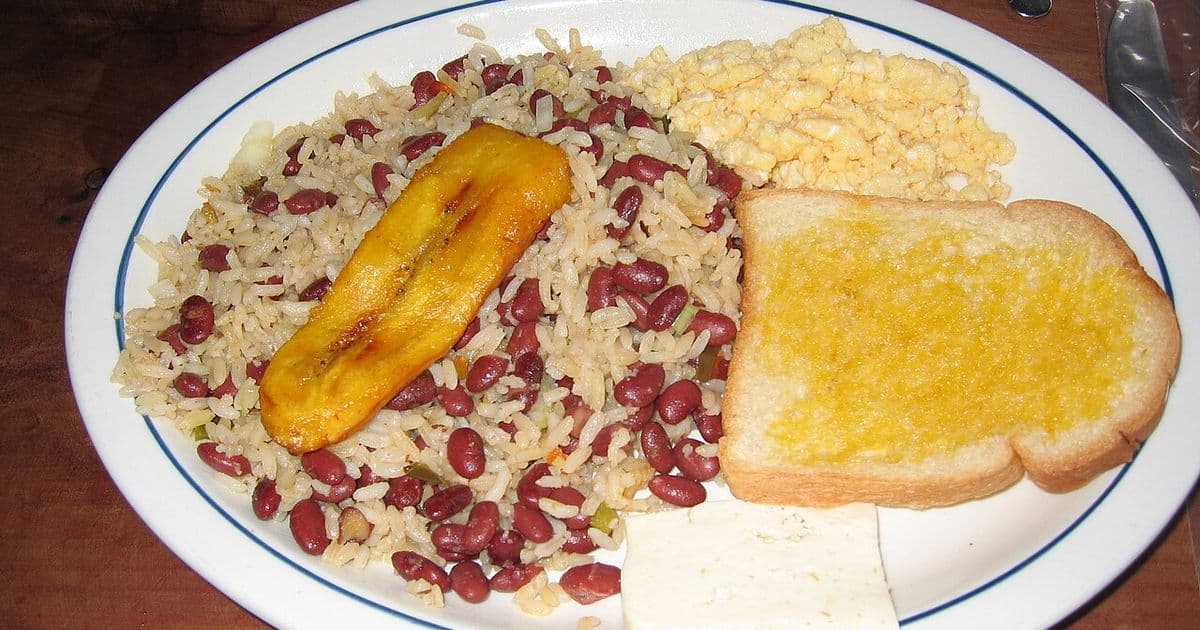
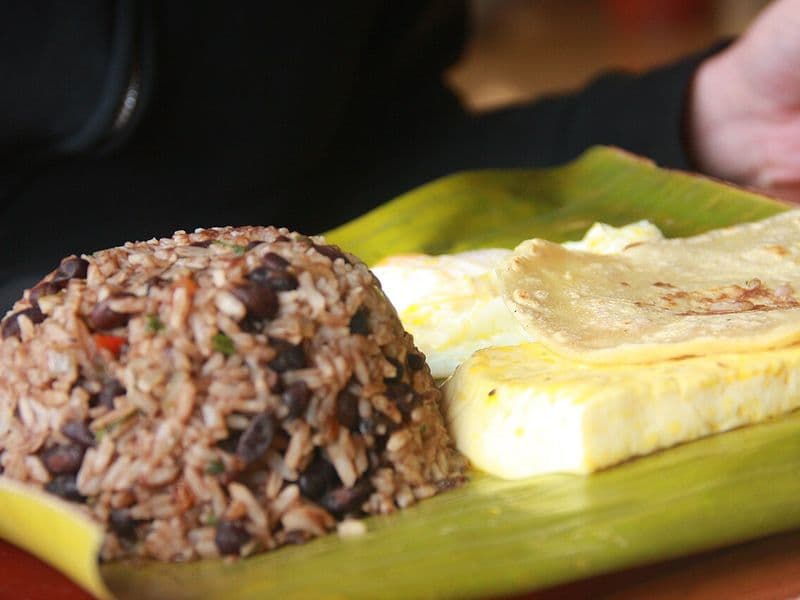
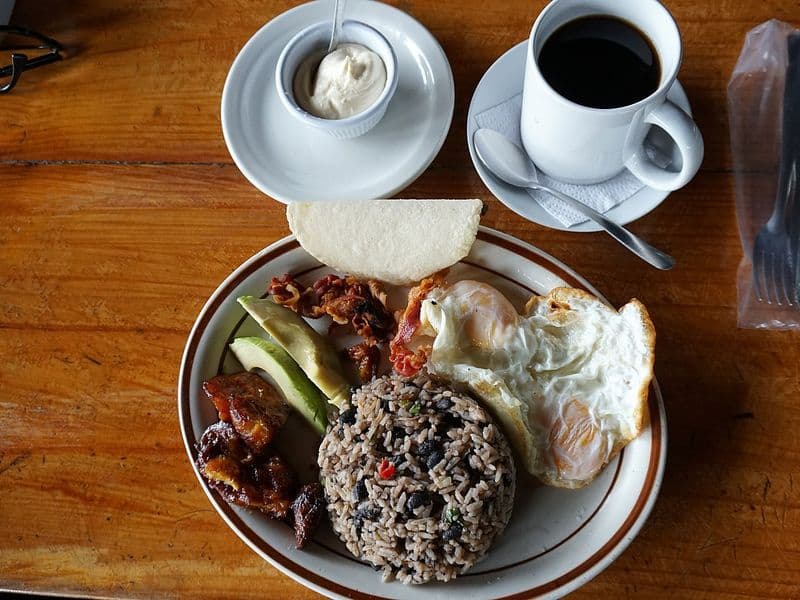
Gallo pinto is widely considered the national dish of Costa Rica. This mixture of rice and black beans, seasoned with Lizano sauce, onions, and cilantro, is served as the centerpiece of the traditional Costa Rican breakfast alongside eggs, sour cream (natilla), and bread or tortillas. Its name, meaning "spotted rooster," refers to the speckled appearance of the rice and bean mix.
The casado is the quintessential Costa Rican lunch plate, translating roughly to "married man's plate." It typically consists of rice, beans, a protein (chicken, beef, pork, or fish), a green salad, fried plantains, and occasionally pasta or a vegetable side. The casado is the backbone of the "soda" restaurant experience — the small family-run eateries that serve as the soul of Costa Rican daily food culture.
Olla de carne is a beloved beef and vegetable stew that appears frequently at family Sunday lunches and celebrations. It contains chunks of beef on the bone, yuca, plantains, chayote, corn, and other vegetables simmered in a rich broth. Other traditional dishes include sopa negra (black bean soup served with a poached egg), arroz con leche (rice pudding), and chifrijo (a popular bar snack of rice, beans, chicharrones, and pico de gallo).
Tamales: The Food of Celebration
During the Christmas season (December through early January), Costa Rican families come together to make tamales — masa (corn dough) filled with seasoned pork, rice, vegetables, and olives, then wrapped in plantain leaves and boiled. The process of making tamales, called "tamalada," is a family tradition that can take an entire day and involves multiple generations working together. Costa Rican tamales are distinct from Mexican tamales in their use of plantain-leaf wrapping and the inclusion of rice in the filling.
Ceviche Costa Rican Style
Costa Rican ceviche differs from Peruvian ceviche in that it is typically made with tilapia or corvina marinated in lime juice, mixed with finely diced white onion, red bell pepper, and cilantro. It is served cold, often in a cup with saltine crackers, and is a popular snack at beaches and sodas throughout the country. The preparation is milder and less acidic than other regional ceviches.
Street Food and Snacks
Costa Rica's street food scene offers affordable, delicious bites that reveal the country's culinary soul. Empanadas — half-moon pastries filled with beans, cheese, potatoes, or meat — are sold from carts and small shops throughout the country. They can be baked or fried and make a satisfying snack at any time of day.
Churros dusted with cinnamon sugar, elotes (grilled or boiled corn on the cob), and chorreadas (sweet corn pancakes) are popular street-side treats. During festival season, vendors sell arreglados, which are puff-pastry sandwiches filled with vegetables and meat. In the Caribbean province of Limón, patties — Jamaican-influenced spiced meat pastries — reflect the region's Afro-Caribbean heritage and are distinct from the rest of the country's street food.
Pipas frias — cold fresh coconut water drunk directly from a green coconut with the top macheted off — are sold from roadside carts and are one of the most refreshing ways to experience Costa Rica's tropical bounty. Along the coasts, vendors sell grilled fish on a stick, fresh oysters, and other seafood snacks that showcase the country's access to both Pacific and Caribbean waters.
Chifrijo: The Ultimate Bar Snack
Chifrijo is a dish invented in San José in the 1990s that became a national phenomenon. It layers white rice, red beans, crispy chicharrones (fried pork rinds), and fresh pico de gallo (tomato, onion, cilantro salsa) in a glass or bowl, typically served with tortilla chips for scooping. It is now found in bars and sodas throughout the country and is considered essential Costa Rican comfort food.
Tropical Fruits and Fresh Produce
Costa Rica's year-round warm climate and diverse microclimates produce an extraordinary variety of tropical fruits that feature prominently in the national diet. Mangoes, papayas, pineapples, bananas, and watermelons are everyday staples, available fresh from markets and roadside stands at low prices. Pineapple is particularly significant — Costa Rica is one of the world's largest pineapple exporters, and fresh local pineapple has a sweetness and complexity rarely found in exported fruit.
More exotic fruits available in season include mamón chino (rambutan), cas (a tart green fruit used in juices and candies), maracuyá (passion fruit), granadilla, nance, and guanábana (soursop). The farmer's markets (ferias del agricultor) held weekly in most towns are the best places to explore seasonal varieties and buy directly from growers at excellent prices.
Fresh-squeezed fruit juices (jugos naturales) and fruit smoothies blended with water or milk (frescos) are a cornerstone of the Costa Rican beverage culture. Most sodas offer a rotating selection of seasonal fruit drinks, and a cold fresco de cas or fresco de mora (blackberry) is one of the most refreshing things a visitor can order alongside their meal.
Pejibayes: The Ancient Nutritional Powerhouse
The pejibaye palm fruit is one of Costa Rica's most ancient foods, cultivated by indigenous peoples long before Spanish colonization. The orange-red fruits are boiled and eaten plain or with mayonnaise, and their starchy, slightly nutty flesh is highly nutritious. Boiled pejibayes are sold by street vendors throughout the country and are particularly popular during the rainy season. Pejibaye cream soup (crema de pejibaye) is a refined dish found in upscale Costa Rican restaurants.
Seafood and Coastal Cuisine
With coastlines on both the Pacific Ocean and the Caribbean Sea, Costa Rica has access to exceptional seafood that varies notably between regions. Pacific coast cuisine emphasizes corvina (sea bass), red snapper, mahi-mahi, shrimp, and lobster, typically prepared simply — grilled with butter and garlic, or fried — to let the fresh flavor of the fish come through.
Caribbean coast cuisine, centered on the city of Puerto Limón and towns like Cahuita and Puerto Viejo, is markedly different in character, reflecting the strong influence of Afro-Caribbean and Jamaican cooking traditions. Rondon is the defining dish of Costa Rica's Caribbean coast: a slow-cooked coconut milk stew containing whatever the cook has available — typically fish, yuca, plantains, breadfruit, and spiced dumplings. The name comes from the English phrase "run down," referring to reducing coconut cream.
Rice and beans Caribbean style (arroz con frijoles) is another Caribbean specialty that differs fundamentally from the Pacific-side gallo pinto. On the Caribbean coast, red kidney beans are cooked in coconut milk with thyme and then mixed with rice, producing a richly flavored dish served alongside jerk chicken, fried fish, or plantains. This version reflects the cultural distinctiveness that makes Limón province a uniquely rewarding culinary destination.
Fishing Villages and Fresh Catch
Small Pacific fishing villages like Tárcoles, Quepos, and Zancudo offer some of the freshest seafood experiences in Costa Rica, where boats return in the morning and fish goes directly from the water to the plate within hours. Visitors who seek out these village comedores (small restaurants) find simple preparations — whole fried fish, ceviche, and garlic shrimp — that represent Costa Rican coastal food at its most authentic.
Where to Eat Like a Local
The soda is the quintessential Costa Rican restaurant: a small, family-run eatery that serves comida tipica (typical food) at low prices. Sodas are found on virtually every street in every town and are the backbone of local food culture. A full casado plate at a soda typically costs between 3,000 and 6,000 colones (roughly $6–$12), making them an excellent value for travelers. The quality is often outstanding because sodas compete on taste and reputation rather than marketing.
Ferias del agricultor (farmers' markets) are held on weekends in most communities and are an ideal place to taste and buy local produce, cheeses, artisan food products, and prepared foods. The Feria Verde de Aranjuez in San José is particularly well known for organic and specialty products. Mercado Central in San José, the country's oldest covered market, offers an immersive experience with dozens of stalls selling fresh produce, meat, spices, and traditional cooked foods.
Upscale Costa Rican restaurants, particularly in San José's Escazú and Santa Ana districts and in tourist centers like Manuel Antonio and Tamarindo, have elevated traditional ingredients into refined modern cuisine. Chefs are incorporating indigenous ingredients like pejibaye, cas, and local cacao into internationally influenced menus, creating a growing "nueva cocina costarricense" movement that honors traditional flavors with contemporary techniques.
The Mercado Central Experience
San José's Mercado Central, established in 1880, is a labyrinthine covered market in the heart of downtown that remains a working food hub for city residents. Inside, visitors find everything from fresh fish and butcher counters to spice vendors, flower stalls, and small lunch counters serving traditional soups and casados. It is crowded, loud, fragrant, and thoroughly authentic — one of the best places in the capital to experience everyday Costa Rican food culture without a tourist markup.
Costa Rican Food Culture and Meal Times
Meal structure in Costa Rica follows a pattern typical of much of Latin America, with breakfast (desayuno) eaten early, a substantial midday lunch (almuerzo) serving as the main meal, and a lighter dinner (cena) in the evening. The heavy emphasis on almuerzo reflects the agricultural heritage of a society that historically needed a filling midday meal to sustain hard physical labor.
Breakfast is deeply important in Costa Rican culture. A typical Tico breakfast includes gallo pinto, one or two fried or scrambled eggs, natilla (sour cream), fried sweet plantains, white bread or toast, and a mug of local coffee (café con leche). This combination, sometimes called the "típico" breakfast, is offered by nearly every hotel and soda in the country and is one of the most satisfying morning meals in Central America.
Food is deeply social in Costa Rica. Family Sunday lunches, office birthday cakes, neighborhood fiestas, and the shared experience of watching a football match over chifrijo and beer all reflect a culture where food is a medium for connection. Visitors who accept an invitation to eat in a Costa Rican home will encounter extraordinary generosity and a pride in homemade food that reveals the true heart of the national cuisine.
Coffee as Cultural Ritual
Coffee (café) is integral to daily life in Costa Rica, one of the world's premier coffee-producing nations. The traditional preparation is café chorreado, brewed through a cloth filter (chorreador) directly into the cup. Coffee is typically served with hot milk (café con leche) at breakfast and as a small black cup (café negro) throughout the day. Offering coffee to a guest is a fundamental act of hospitality, and refusing it can be considered mildly impolite.
Frequently Asked Questions
What is the most popular food in Costa Rica?
Gallo pinto — a mixture of rice and black beans seasoned with Lizano sauce, onions, and cilantro — is the most beloved and iconic food in Costa Rica. It is eaten at breakfast by the vast majority of Ticos and is considered the national dish.
Is Costa Rican food spicy?
No, traditional Costa Rican food is generally mild and not spicy. Unlike Mexican or some other Latin American cuisines, Costa Rican cooking relies on savory seasonings like cilantro, onion, garlic, and Lizano sauce rather than chili heat. Visitors who prefer mild food will find Costa Rica very accommodating.
What is a soda in Costa Rica?
A soda in Costa Rica is a small, typically family-run restaurant that serves traditional Costa Rican food (comida tipica) at affordable prices. Sodas are not named after the carbonated drink — the origin of the name is debated, but these establishments are the backbone of everyday dining culture in the country.
What do Costa Ricans eat for breakfast?
The classic Costa Rican breakfast (desayuno tipico) consists of gallo pinto (rice and beans), fried or scrambled eggs, natilla (sour cream), sweet fried plantains, bread or corn tortillas, and café con leche (coffee with hot milk). This combination is served at sodas and hotels throughout the country.
How is food on the Caribbean coast of Costa Rica different?
Caribbean coast cuisine reflects strong Afro-Caribbean and Jamaican influences, using coconut milk, thyme, and red kidney beans rather than the black beans of the Pacific side. Signature dishes include rondon (coconut milk stew), rice and beans Caribbean style cooked in coconut milk, jerk-seasoned meats, and patties (spiced meat pastries).