
San José Costa Rica: The Capital City Guide
San José is the capital and largest city of Costa Rica, home to roughly one-third of the country's population and serving as the political, economic, and cultural heart of the nation. Situated in the broad Valle Central at an elevation of approximately 1,100 meters, San José enjoys a mild, spring-like climate year-round. While many travelers pass through the city quickly en route to beaches and national parks, San José rewards those who pause with excellent museums, lively markets, creative restaurants, and outstanding access to day trips across the country.
Overview of San José and Its Neighborhoods
San José was founded in 1738 and became Costa Rica's capital in 1823, shortly after independence from Spain. The city sits at the center of the Valle Central, surrounded by mountains and neighboring cities including Alajuela, Cartago, and Heredia — together forming the Gran Área Metropolitana (GAM) that houses over 2 million people. The city's colonial architecture blends with modern high-rises, and neighborhoods range from historic barrios to upscale residential districts.
The historic downtown core, known as El Centro, contains most of the city's major landmarks including the Plaza de la Cultura, the National Theater, and the Central Market. It is generally busy, noisy, and chaotic but walkable during daytime hours. The neighborhood of Barrio Amón, just northeast of downtown, is the city's most beautiful historic district, featuring Victorian and Art Deco mansions dating from the early 20th century, many now converted into boutique hotels, galleries, and restaurants.
Barrio Escalante has emerged as San José's most fashionable neighborhood, particularly for food and nightlife, with a dense concentration of coffee shops, restaurants, bars, and craft beer establishments along the Calle de la Amargura (Paseo Gastronómico La Luz). Los Yoses and San Pedro are adjacent neighborhoods near the University of Costa Rica that offer a more relaxed, residential feel with plenty of cafes and affordable dining options. The upscale districts of Escazú and Santa Ana to the west have developed into modern commercial zones with shopping malls, international restaurants, and many expat residents.
La Sabana and the West Side
La Sabana Metropolitan Park, located on the western edge of downtown, is the city's largest urban park. The former site of San José's international airport, La Sabana now contains soccer fields, jogging paths, the National Stadium (rebuilt with assistance from China and opened in 2011), the National Museum of Costa Rica's Jade Museum annex, and a large artificial lake. On weekends the park fills with families, joggers, and sports teams, offering a pleasant green escape from the urban density.
Top Attractions and Museums
San José punches above its weight for a capital city of its size when it comes to museums. The Museo del Jade (Jade Museum), part of the INS building near the Plaza de la Democracia, holds the world's largest collection of pre-Columbian jade, including thousands of artifacts from indigenous cultures that inhabited Costa Rica and surrounding areas before Spanish conquest. The collection is beautifully curated and provides essential context for understanding Costa Rica's pre-Hispanic history.
The Museo Nacional de Costa Rica (National Museum), housed in the Bellavista Fortress that was the site of the brief 1948 Civil War, presents Costa Rican natural and cultural history across archaeology, colonial history, and natural sciences exhibits. Its butterfly garden is a highlight. The Museo de Arte y Diseño Contemporáneo (Museum of Contemporary Art and Design), in the historic National Liquor Factory building, showcases Central American and Costa Rican contemporary art in an impressive setting.
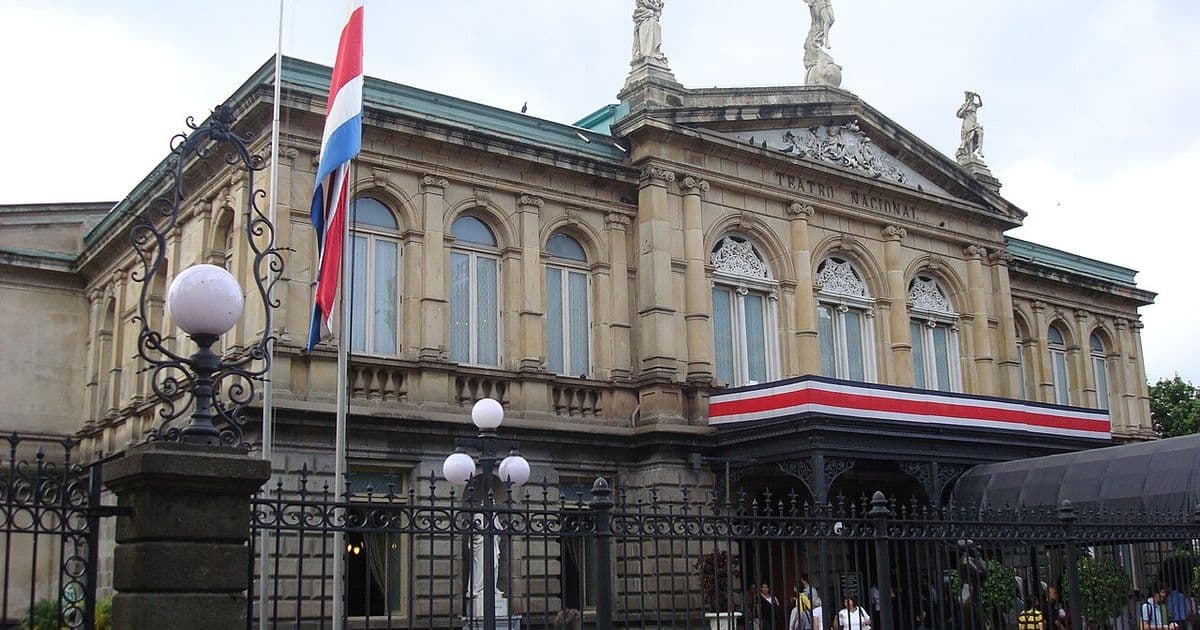
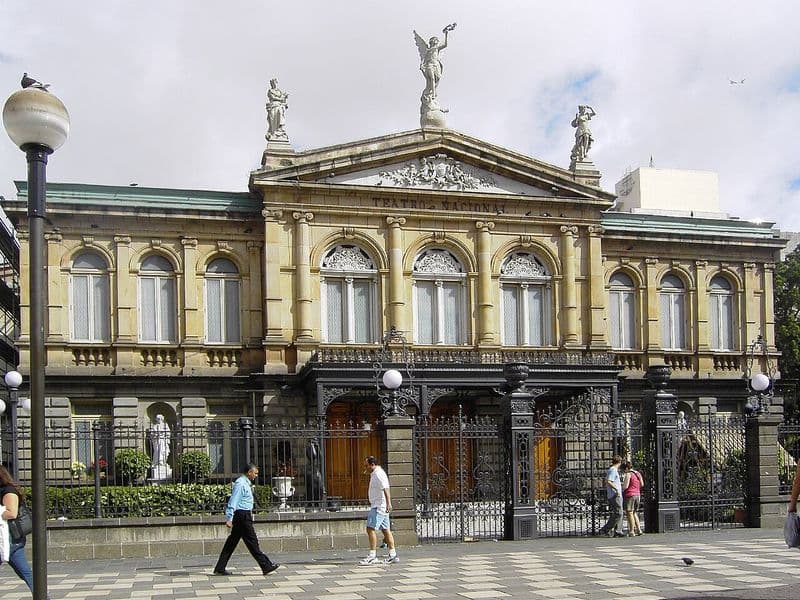
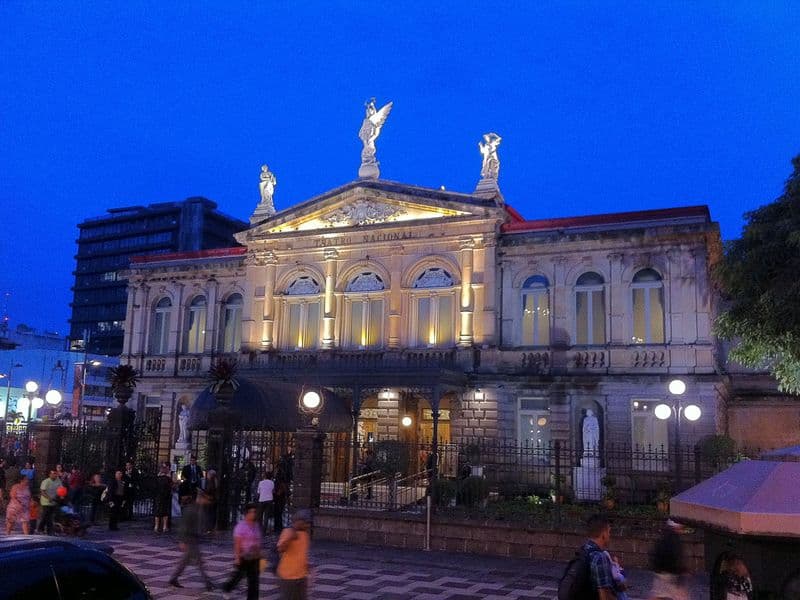
The Teatro Nacional (National Theater), completed in 1897 and considered the most beautiful building in Central America by many visitors, is a must-see. Modeled after the Paris Opera House, it was funded by a tax on coffee exports imposed voluntarily by Costa Rican coffee barons who wanted to attract international opera companies. Guided tours of the ornate interior run daily, and attending a performance here is a memorable experience. The Pre-Columbian Gold Museum (Museo del Oro Precolombino) beneath the Plaza de la Cultura houses over 1,600 gold pieces from Costa Rica's pre-Columbian peoples and is operated by the Banco Central de Costa Rica.
The National Theater
The Teatro Nacional is the cultural crown jewel of San José. Its Italian Renaissance facade, marble interiors, and famous allegorical ceiling painting depicting coffee and banana harvests reflect the prosperity of the late 19th-century coffee boom. Costa Rica's 5-colón bill historically featured an image of the theater's interior. Performances ranging from symphony concerts to ballet to international touring shows are held regularly, and the theater's café serves excellent coffee in a grand setting.
Markets, Food, and Nightlife
The Mercado Central (Central Market), a covered labyrinth of stalls that has operated since 1880, is one of San José's most authentic experiences. Inside, vendors sell everything from fresh produce and medicinal herbs to leather goods, sodas (small family restaurants) serving traditional Costa Rican food, fish stalls, and souvenir shops. The market gets extremely crowded during lunch hours when office workers flood in for cheap casados and fresh fruit juices. Visitors should be mindful of pickpockets in the crowded corridors.
San José's restaurant scene has grown considerably more sophisticated over the past decade. Barrio Escalante is the epicenter, with standout restaurants serving everything from Japanese-Peruvian fusion to traditional Costa Rican ingredients prepared with modern techniques. The El Mercado, a food hall concept near Barrio Escalante, brings together multiple vendors under one roof. Several rooftop bars and restaurants in the downtown area offer views of the surrounding mountains.
The city's nightlife concentrates in several areas. The Barrio La California area near downtown has bars and clubs attracting a mixed crowd. San Pedro near the university is popular with students and younger travelers. Escazú, particularly the Centro Comercial Multiplaza area, has upscale cocktail bars and nightclubs. Craft beer has exploded in popularity in San José, with breweries and taprooms now operating throughout the city offering locally produced ales and lagers made with Costa Rican ingredients like cas fruit and guaro.
Sodas and Traditional Food
The best way to eat authentic Costa Rican food in San José is at a soda, a small family-run restaurant serving home-style cooking. Sodas serve casados (rice, beans, salad, plantains, and protein), gallo pinto (rice and beans with eggs), arroz con pollo (rice with chicken), and tropical fresh fruit smoothies called batidos. Prices at sodas are typically under $7 USD for a full meal. Look for sodas with handwritten menus and long lines of local workers for the most authentic experience.
Day Trips from San José
San José's central location in the Valle Central makes it an outstanding base for exploring Costa Rica. The most popular day trip is to Poás Volcano National Park, approximately 37 kilometers north of the city (about 1.5 hours by car). Poás features one of the largest active volcanic craters in the world and frequently visible fumarolic activity. The visitor center and viewing platform require advance online reservations with timed entry slots. On clear mornings, the crater lake is dramatically visible; cloud cover typically rolls in by noon.
Irazú Volcano, Costa Rica's highest at 3,432 meters, is about 50 kilometers east of San José and reachable in roughly 1.5 hours. On exceptionally clear days (most common in the dry season), both the Pacific Ocean and the Caribbean Sea are simultaneously visible from the summit. The historic city of Cartago, once Costa Rica's colonial capital, is nearby and worth a visit for the Basílica de Nuestra Señora de los Ángeles and the ruins of the Parroquia de Santiago Apóstol.
The Pacuare River, widely considered one of the best white-water rafting rivers in the Americas, is accessible as a full-day rafting trip from San José. The river offers Class III and IV rapids through a stunning primary jungle gorge. Several operators including Ríos Tropicales run professionally guided trips with transportation from San José. Tortuga Island in the Gulf of Nicoya offers a scenic catamaran day trip with snorkeling. The cloud forests of Braulio Carrillo National Park along the road to the Caribbean coast offer accessible hiking and wildlife viewing within 30 minutes of the city.
Coffee Farm Tours
The Valle Central's cool hillside climate produces some of Costa Rica's finest coffee. Several coffee haciendas near San José offer guided tours explaining the full coffee production process from tree to cup. Doka Estate near Alajuela is one of the oldest coffee farms still in operation and offers detailed tours of its traditional wet mill. Café Britt near Barva de Heredia offers polished tours with theatrical presentations and excellent tasting sessions. Most tours take two to three hours and include transportation from San José hotels.
Getting Around San José
Getting around San José can be challenging for first-time visitors because addresses are often given as directions from landmarks rather than street numbers — a legacy of the colonial era when numbered streets were not systematically used. A typical address might read "150 meters north and 50 meters east of the KFC on Avenida Central." GPS navigation apps like Waze and Google Maps have made navigation considerably easier, though they occasionally struggle with the informal address system in older neighborhoods.
The city has a network of local buses with very low fares (under $1 USD for most routes) but routes can be confusing for visitors. Uber operates throughout the San José metropolitan area and is generally reliable, affordable, and safer than hailing a random taxi. Official taxis are red with a yellow triangle painted on the door; insist that the driver use the taxímetro (meter) rather than negotiating a flat rate, which is legally required. The city center is walkable for sightseeing during daylight hours, but several areas including La Coca-Cola and portions of downtown should be avoided after dark.
The bus terminal at Terminal 7-10 on Calle 7 and Avenida 10 serves routes to the Atlantic coast. The Coca-Cola Terminal area serves routes to Guanacaste and the Pacific. The main MUSOC and other private bus companies serving the Southern Zone and Panama operate from terminals near the Coca-Cola. Gray Line and Interbus shuttle services offer door-to-door connections to tourist destinations throughout the country from most San José hotels.
Airport Access
Juan Santamaría International Airport (SJO) is located in Alajuela, approximately 18 kilometers northwest of downtown San José. The official airport taxi (orange cabs) charges a fixed rate of around $30-35 USD to the city center. Uber is permitted to pick up but not drop off at the terminal, though this policy changes periodically. A public bus (Tuasa line) connects the airport with San José's Avenida 2 for about $1 USD but does not accommodate large luggage easily.
Practical Tips for Visiting
The best time to visit San José itself is year-round, as the Valle Central's elevation keeps temperatures pleasant between roughly 17°C and 26°C regardless of season. December and January bring the clearest skies, while the rainy season from May through November means afternoon showers but lush surrounding greenery. The city's elevation also means UV radiation is intense — sunscreen is advisable even on overcast days.
Most tourist-oriented establishments in San José accept US dollars, and ATMs dispensing both colones and dollars are plentiful throughout the city. The exchange rate at ATMs is generally better than at airport money changers or hotel desks. Tap water in San José is safe to drink, which is true throughout most of the country — Costa Rica has one of the highest rates of safe drinking water access in Latin America.
Healthcare in San José is good by regional standards. The Hospital Nacional de Niños (children's hospital), Hospital San Juan de Dios, and the CIMA Hospital in Escazú (which meets international standards) are all available. CIMA and Clínica Bíblica are popular with medical tourists and expats seeking elective procedures and are significantly less expensive than comparable care in the United States. Travel insurance with medical evacuation coverage is strongly recommended for all visitors.
Safety in San José
Like any major Latin American city, San José requires common-sense precautions. Pickpocketing, bag snatching, and vehicle break-ins are the most frequently reported crimes against tourists. Avoid displaying expensive cameras, jewelry, or phones openly in the city center. The areas around La Coca-Cola bus terminal, portions of Avenida Central west of downtown, and several downtown streets should be avoided after dark. The neighborhoods of Barrio Amón, Barrio Escalante, and Los Yoses are generally safe for walking during the day and evening.
Frequently Asked Questions
Is San José worth visiting or should I go directly to the beach?
San José deserves at least one or two days, particularly if you are interested in Costa Rican history, culture, and cuisine. The National Theater, Jade Museum, Gold Museum, and Central Market are genuinely excellent. The city also serves as the best base for day trips to Poás and Irazú volcanoes, white-water rafting on the Pacuare River, and coffee farm tours. If beaches are your primary goal, consider flying into Liberia instead to save travel time.
What neighborhood should I stay in as a tourist?
Barrio Amón is ideal for travelers wanting a historic, atmospheric setting with boutique hotels within walking distance of major museums. Barrio Escalante is best for food enthusiasts and travelers who want to be near San José's best restaurant scene. Los Yoses and San Pedro suit budget travelers and those who want a calmer, more residential feel. Escazú and Santa Ana, while farther from downtown attractions, offer the most modern hotels and the strongest sense of security.
How far is San José from major tourist destinations?
San José is approximately 2.5–3 hours from La Fortuna and Arenal Volcano by car, 3–4 hours from Monteverde (longer due to the mountain road), 2–3 hours from Manuel Antonio National Park, 1 hour from Poás Volcano, 1.5 hours from Irazú Volcano, and about 4 hours from Tamarindo beach in Guanacaste. Domestic flights can dramatically cut these times — La Fortuna is served by a nearby airstrip at approximately 25 minutes flying time from SJO.
What is the currency situation in San José?
The Costa Rican Colón (CRC) is the official currency. US dollars are accepted almost everywhere in San José at tourist-facing businesses, hotels, and restaurants. ATMs dispensing both colones and dollars are available throughout the city. The Banco de Costa Rica and Banco Nacional have ATMs at the airport and in most neighborhoods. Avoid changing money at airport kiosks or hotel desks, which typically offer poor exchange rates.
Is tap water safe to drink in San José?
Yes. Tap water in San José and throughout most of Costa Rica is treated and safe to drink. Costa Rica has one of the highest rates of potable water access in the Americas. Some rural areas and a few beach communities may have less reliable water quality, but in San José and the Central Valley, drinking from the tap is perfectly safe and widely practiced by locals.