
Costa Rica Airports: Your Complete Arrival Guide
Costa Rica has two major international airports serving millions of travelers each year. Understanding which airport to fly into, what to expect on arrival, and how to get to your destination can make a significant difference in your vacation experience.
Juan Santamaría International Airport (SJO)
Juan Santamaría International Airport (IATA: SJO) is Costa Rica's largest and busiest airport, located in Alajuela, approximately 17 kilometers northwest of San José's city center. It serves as the primary gateway for most international visitors and handles the vast majority of international flights entering the country.
The airport has a single main terminal divided into international and domestic sections. International arrivals exit through a well-organized customs and immigration hall before entering the main arrivals area, where you'll find currency exchange booths, ATMs, car rental counters, and taxi services. The airport underwent significant expansions in recent years and now accommodates dozens of airlines including American, United, Delta, Air Canada, Copa, Avianca, and several European carriers.
The airport operates 24 hours a day, though most international flights arrive in the morning and afternoon hours. Departing passengers are advised to arrive at least three hours before international flights due to potentially long security lines during peak travel seasons.
SJO Airport Facilities
Juan Santamaría International Airport offers a solid range of facilities including duty-free shops, restaurants, cafes, Wi-Fi access, and currency exchange services. The international departures area has a larger selection of shops and dining options than the arrivals hall. Several hotel shuttles and private transfer services operate from the designated pickup zones outside the arrivals exit.
Getting to San José from SJO
Official orange taxis operate from the airport to San José and cost roughly $25–$35 USD for the 30- to 45-minute ride depending on traffic. Uber also operates at SJO, typically at lower prices. Shared shuttle services are available for travelers heading to popular destinations like Arenal, Monteverde, or Manuel Antonio, and can be booked in advance online.
Daniel Oduber Quirós International Airport (LIR)
Daniel Oduber Quirós International Airport (IATA: LIR), commonly called Liberia Airport, is located near the city of Liberia in Guanacaste province, approximately 12 kilometers from the city center. It serves as the gateway to Costa Rica's Pacific coast beaches, including Tamarindo, Flamingo, Conchal, and the Nicoya Peninsula.
LIR has grown dramatically in recent years, now receiving direct seasonal and year-round flights from major North American cities including Miami, New York, Houston, Atlanta, Toronto, and Los Angeles. Airlines such as American, United, Delta, Southwest, JetBlue, Air Canada, and WestJet operate routes into Liberia.
The airport is considerably smaller than SJO, which many travelers appreciate for its faster immigration and customs processing. The entire arrival process, including collecting baggage, clearing customs, and reaching your transportation, typically takes 30–60 minutes during normal conditions. The terminal has car rental agencies, ATMs, and a small selection of shops and food options.
Why Fly into Liberia
Flying into Liberia is ideal for travelers planning to spend most or all of their trip on the Guanacaste coast. It saves several hours of driving compared to flying into San José, and the Nicoya Peninsula beaches, Rincon de la Vieja, and Santa Rosa National Park are all easily accessible from LIR. If your itinerary focuses on the Pacific north coast, Liberia is the smarter choice.
Choosing the Right Airport for Your Trip
Deciding between SJO and LIR depends almost entirely on your intended destinations within Costa Rica. San José (SJO) is the better choice if you plan to visit the Central Valley, Arenal Volcano, Monteverde, Manuel Antonio, the Caribbean coast, or the Osa Peninsula. Liberia (LIR) is preferred for Guanacaste beach towns, the Nicoya Peninsula, and northern Pacific destinations.
Some travelers fly into one airport and out of the other, creating an open-jaw itinerary that allows them to travel in a single direction and cover more ground without backtracking. For example, arriving at LIR, traveling south through Guanacaste and Manuel Antonio, and departing from SJO is a popular route that eliminates redundant driving.
Flight availability and price should also factor into your decision. SJO typically offers more year-round international flights, while LIR sees a higher concentration of service during the dry season (December through April) when tourism to the beaches peaks.
Open-Jaw Itinerary Planning
Booking an open-jaw flight — arriving at one Costa Rica airport and departing from the other — can save significant driving time and is available through most major airlines. Be sure to check whether the open-jaw routing adds significant cost, as it sometimes does compared to round-trip fares into a single airport.
Domestic Airports and Regional Airstrips
Costa Rica has an extensive network of small domestic airports and private airstrips that connect the main hubs to remote regions. Sansa Airlines and Skyway (formerly Nature Air) operate scheduled domestic flights from SJO's domestic terminal to destinations including Tamarindo, Quepos (for Manuel Antonio), Puerto Jiménez (Osa Peninsula), Drake Bay, Tortuguero, Nosara, and Tambor.
Domestic flights are short — most under an hour — and are often the only practical way to reach places like Drake Bay or Tortuguero without extremely long bus or boat journeys. Small propeller aircraft, typically Cessna Caravans seating 9–14 passengers, are the norm. Luggage allowances on domestic flights are strict, typically 12–15 kilograms, so pack accordingly or arrange to store extra bags in San José.
Charter flights are also available for groups or travelers who want maximum flexibility in scheduling and routing, though they come at a significant premium over scheduled domestic services.
Key Domestic Destinations
The most frequently used domestic routes from SJO include flights to Quepos, Tamarindo, Liberia, Puerto Jiménez, Drake Bay, and Tortuguero. Booking domestic flights in advance, especially during peak season, is strongly recommended as small aircraft fill up quickly and last-minute availability can be limited.

Airport Transportation and Getting Around
Transportation from Costa Rica's international airports is well-organized, though the options vary in price and convenience. Official metered red taxis at SJO and regulated taxis at LIR are the safest and most straightforward ground transportation, particularly for first-time visitors who may not yet be comfortable with navigation.
Uber operates at both SJO and LIR, often at lower prices than traditional taxis. The app works reliably in Costa Rica, and drivers are vetted through the platform. Note that there is occasional friction between Uber and traditional taxi drivers near airports, so pick up your Uber away from the main taxi stand to avoid confrontations.
Shared shuttle services are highly popular for budget-conscious travelers heading to major tourist destinations. Companies like Interbus, Tropical Tours, and Caribe Shuttle offer fixed-route shuttles that collect passengers from the airport and deliver them to hotels in destinations like Arenal, Monteverde, Tamarindo, and Manuel Antonio at costs significantly below private transfers.
Car Rental at Costa Rica Airports
Car rental is available at both major international airports and is a popular option for travelers who want maximum flexibility. The major international companies (Hertz, Budget, Alamo, Avis, National) are all represented, along with numerous local Costa Rican rental agencies. Renting from local agencies can be cheaper, but ensure they have adequate insurance coverage. A 4WD vehicle is strongly recommended for travel outside major paved highways.
Customs, Immigration, and Arrival Tips
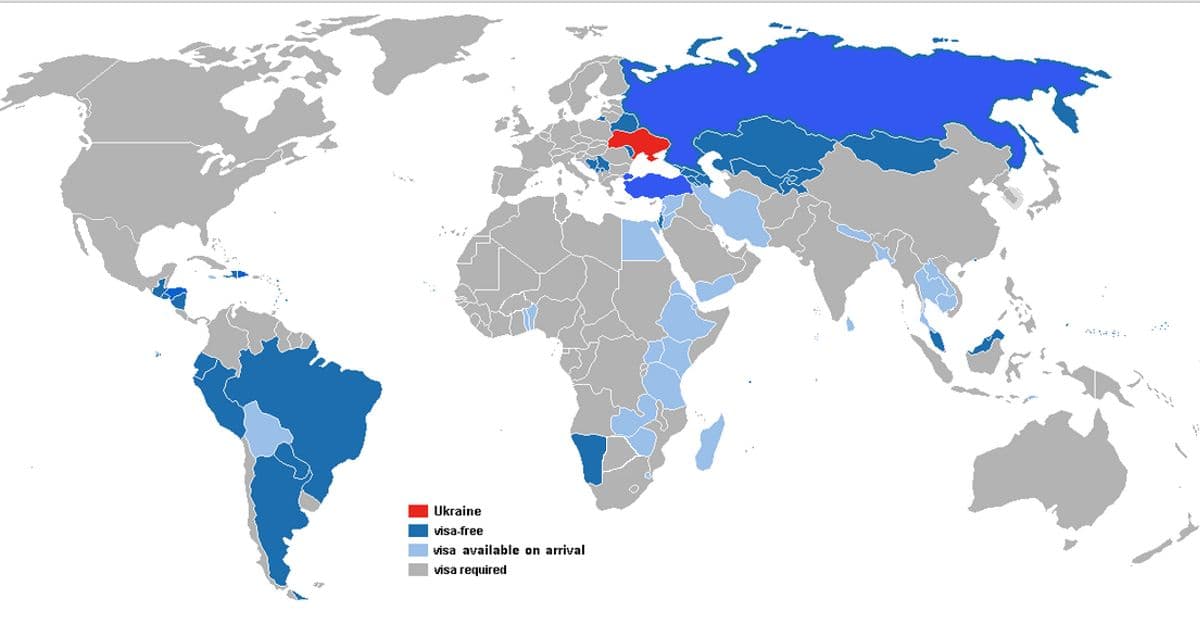
Upon arriving at any Costa Rica international airport, passengers follow a standard immigration and customs process. After disembarking, you'll proceed to immigration, where you present your passport and completed entry form. Citizens of the United States, Canada, and most European and Latin American countries do not require a visa to enter Costa Rica for stays up to 90 days.
After clearing immigration, you collect your checked baggage and proceed to customs. Most travelers pass through without issue, though random inspections do occur. Costa Rica prohibits importing fresh fruits, vegetables, meat, and dairy products, so declare any food items on your customs form. Dogs and cats require specific health certificates and documentation.
The currency in Costa Rica is the colón (CRC), but US dollars are widely accepted throughout the tourist industry. ATMs are available immediately after the customs exit at both major airports. It's wise to withdraw local currency for tipping, small purchases at markets, and rural areas where card payment may not be available.
Travel Tips for Smooth Arrivals
Pre-download the Uber app and offline maps before your flight to make navigation easier on arrival. Ensure your passport is valid for at least six months beyond your intended stay, and have proof of onward travel — a return or connecting flight — as immigration officers occasionally request it. Keep a small amount of USD cash accessible for immediate expenses after customs.
Frequently Asked Questions
Which Costa Rica airport should I fly into?
It depends on your destinations. Fly into SJO (San José) for the Central Valley, Arenal, Monteverde, Manuel Antonio, or the Caribbean. Fly into LIR (Liberia) for Guanacaste beaches, the Nicoya Peninsula, and northern Pacific destinations. Consider an open-jaw itinerary if your route covers both regions.
How far is the San José airport from the city center?
Juan Santamaría International Airport is approximately 17 kilometers from San José's city center in the Alajuela canton. The drive typically takes 30–45 minutes depending on traffic, and can be longer during morning or afternoon rush hours.
Does Uber work at Costa Rica airports?
Yes, Uber operates at both SJO and LIR and is a reliable, cost-effective option. Download the app before you travel and have mobile data active upon arrival. Uber pickups at airports may require walking slightly away from the main taxi area.
Are there domestic flights within Costa Rica?
Yes. Sansa Airlines operates scheduled domestic flights from SJO's domestic terminal to destinations including Quepos, Tamarindo, Puerto Jiménez, Drake Bay, Tortuguero, and Nosara. Flights are short but luggage is strictly limited to 12–15 kg, so pack light or store excess bags in San José.
What documents do I need to enter Costa Rica?
You need a valid passport (recommended valid for at least 6 months beyond your trip), a completed immigration entry form, and proof of onward travel such as a return flight. Most nationalities including US, Canadian, and EU citizens do not need a visa for stays up to 90 days.