
Jacó Beach Costa Rica: Complete Guide to the Central Pacific's Top Resort Town
Jacó Beach is Costa Rica's closest major beach resort to San José, located about 110 kilometers west of the capital along the Central Pacific coast. Known for its reliable surf, bustling nightlife, and wide range of accommodations and restaurants, Jacó attracts a diverse mix of surfers, weekend vacationers from San José, international tourists, and partygoers. While it may lack the pristine seclusion of more remote beaches, Jacó more than compensates with its convenience, energy, and its role as a gateway to some of the region's finest natural attractions.
Overview of Jacó Beach
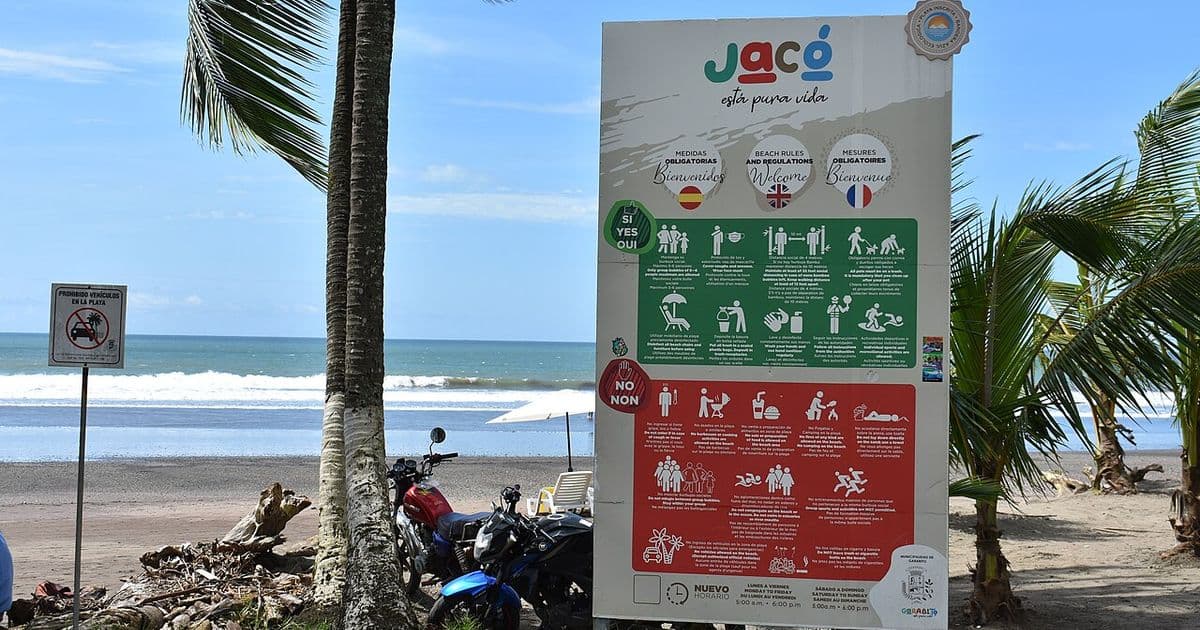
Jacó is a town of roughly 15,000 permanent residents on the Central Pacific coast of Costa Rica, situated in the canton of Garabito in Puntarenas province. The town sits on a wide, gray-volcanic-sand beach stretching about 3.5 kilometers along Jacó Bay. The beach faces southwest and receives consistent swell from the open Pacific, making it one of the most reliable surf spots on the Costa Rican mainland.
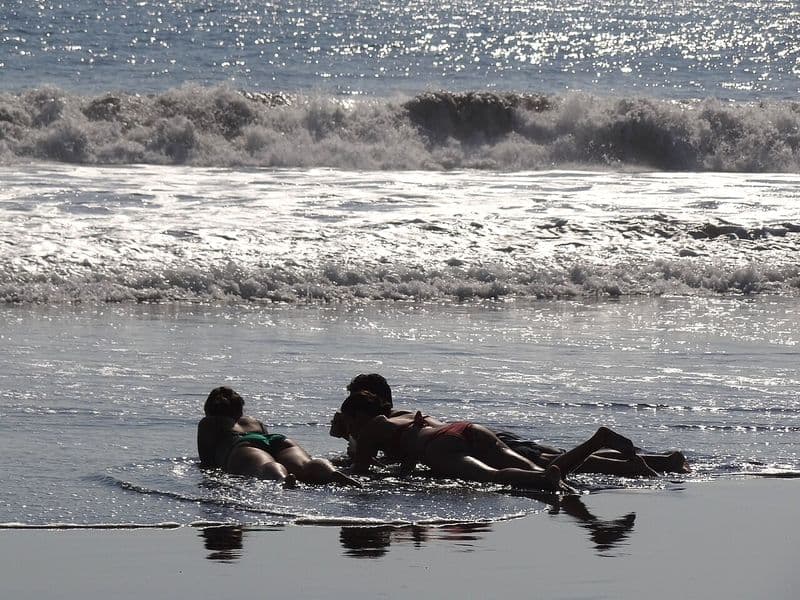
Unlike the more pristine white or shell-sand beaches of Guanacaste, Jacó's beach is composed of dark volcanic sand — a common characteristic of Central Pacific beaches shaped by the region's volcanic geology. The surf can be strong, and swimming conditions vary depending on the swell; during larger swells, strong rip currents can develop, making it important to swim in designated safe areas and heed local advice. On calmer days, the beach is excellent for swimming and boogie boarding.
The town itself is compact and walkable, with the main commercial street (Avenida Pastor Díaz) running parallel to the beach and lined with surf shops, restaurants, bars, souvenir stores, tour operators, and ATMs. Jacó has the most developed tourist infrastructure of any Central Pacific beach town, which makes it a practical base for exploring the region even if one prefers to stay in a quieter neighboring community.
Jacó's Reputation and Recent Development
Jacó has historically had a mixed reputation due to its association with nightlife and adult entertainment, but significant investment and development since the 2010s has transformed much of the town. Upscale condominium developments, international restaurant chains, and boutique hotels have diversified the visitor profile, and the town now caters equally well to families, couples, surf enthusiasts, and adventure travelers. The Costa Rican government and local businesses have made concerted efforts to improve infrastructure and safety in recent years.
Wildlife in and Around Jacó
Despite its developed character, Jacó and its immediate surroundings support impressive wildlife. American crocodiles are frequently spotted in the Tárcoles River just north of Jacó — the bridge over the Tárcoles on the Costanera highway is one of the most reliable places in the world to see large crocodiles from a safe vantage point. Brown-throated three-toed sloths, White-faced capuchin monkeys, and numerous bird species including Scarlet macaws inhabit the surrounding forests and are sometimes visible near the beach itself.
Surfing at Jacó Beach
Surfing is the defining activity at Jacó Beach, and the town has cultivated a legitimate surf culture over several decades. The beach break at Jacó is suitable for surfers of all levels — beginners can find gentler sections, while more experienced surfers can challenge the faster, more powerful peaks during larger swells. The surf is most consistent from April through November, when groundswells generated in the South Pacific push consistent waves toward the Central Pacific coast.
Jacó has dozens of surf schools and board rental shops catering specifically to beginner and intermediate surfers. Lessons typically last 90 minutes to 2 hours and include equipment, instruction, and in-water guidance. Most schools operate in the morning when conditions are typically calmer and the winds are lighter. For experienced surfers, the more challenging breaks just south of Jacó at Playa Hermosa offer superior wave quality.
Jacó regularly hosts national and international surf competitions. The town's surf culture is reflected in its shops, accommodation, restaurants, and the bronzed, casual atmosphere that permeates the main street. The annual Reef Classic and other events draw top competitors from throughout the Americas and beyond, reinforcing Jacó's standing as Costa Rica's most accessible surf hub.
Playa Hermosa — World-Class Waves Near Jacó
Playa Hermosa, located just 8 kilometers south of Jacó on the Costanera highway, is one of Central America's premier surfing destinations. The powerful, consistent beach break here regularly produces steep, fast waves up to 2-3 meters that attract professional and advanced surfers from around the world. Playa Hermosa hosts international surfing competitions including events on the World Surf League calendar, and its challenging conditions have helped produce some of Costa Rica's top professional surfers. The beach is far less developed than Jacó, with a quieter atmosphere and fewer amenities.
Surf Rentals and Schools in Jacó
Numerous surf schools and rental shops line the main street in Jacó, offering foam learner boards, fiberglass shortboards, longboards, and bodyboards. Prices for board rentals typically range from $10-20 USD per day, while lesson packages for beginners (including board and instruction) start around $50-80 USD for a 2-hour session. Many surf schools offer multi-day packages that combine lessons with accommodation. Notable operators include Jacó Surf School, Tortuga Surf School, and several others staffed by experienced local and international instructors.
Nightlife and Restaurants in Jacó
Jacó has the liveliest nightlife scene of any beach town in Costa Rica, with a concentration of bars, nightclubs, and restaurants that operate well into the early morning hours, particularly on weekends and during peak tourist season. The main street and side streets near the beach center contain the bulk of the nightlife venues, many of which transform from casual afternoon dining spots into high-energy bars and dance clubs after dark.
The restaurant scene in Jacó has expanded considerably in quality and variety over the past decade. Options range from traditional Costa Rican sodas serving casados (rice, beans, salad, and a protein) and fresh ceviche at budget prices to upscale restaurants offering international cuisine including Thai, Italian, American BBQ, and contemporary seafood. Fresh seafood is abundant and excellent — the day's catch from the local fishing fleet regularly appears on menus at restaurants throughout town.
Notable dining options include the well-regarded Lemon Zest restaurant for international fusion cuisine, the longstanding El Hicaco for fresh seafood in a beachside setting, and numerous pizza and sushi restaurants that have become fixtures in the local dining scene. The craft beer movement has also made inroads in Jacó, with several establishments offering locally produced Costa Rican craft beers alongside international selections.
Beach Bars and Sunset Spots
The western-facing beach at Jacó makes it an excellent spot for sunset watching, and several beach bars take full advantage of this orientation. La Lanterna, Bohio Bar, and similar establishments set up chairs and tables right on the sand for afternoon drinks as the sun drops into the Pacific. Happy hour specials at many beachfront bars run from approximately 4 to 6 p.m., making evening drinks on the beach both scenic and affordable. The beach strip becomes particularly lively on Friday and Saturday evenings when visitors from San José swell the town's population.
Hotels and Accommodation in Jacó
Jacó offers the widest range of accommodation options on the Central Pacific coast, from budget hostels and guesthouses to luxury beachfront resorts and private vacation villas. The sheer variety makes Jacó accessible to travelers across all budget levels, which is one reason the town is particularly popular with Costa Rican domestic travelers as well as international tourists.
At the budget end, several well-reviewed hostels and guesthouses along the main street and side roads offer dormitory beds and private rooms at prices starting under $20 USD per night. Mid-range hotels and boutique properties abound, many with swimming pools and proximity to both the beach and the main commercial strip. The Club del Mar Resort and Hotel Amapola are long-established mid-range properties with pools and beach access. At the upper end, the Croc's Casino Resort and Los Sueños Marriott Ocean & Golf Resort (just north of Jacó in Playa Herradura) represent the region's luxury tier.
The Los Sueños Resort and Marina at nearby Playa Herradura is a major luxury development that includes the Marriott hotel, a 250-slip marina, an 18-hole golf course, and a large gated residential community with vacation rental villas. Many visitors opt to stay at Los Sueños and visit Jacó town by car for dining and nightlife, enjoying the resort's superior amenities and quieter, more refined atmosphere.
Vacation Rentals and Condos
Vacation rentals have become increasingly prominent in and around Jacó, with numerous condominium developments offering short-term rental units through platforms like Airbnb and VRBO. These properties typically offer kitchen facilities, multiple bedrooms, and common-area amenities such as pools and security, making them a practical option for families or groups. Several gated communities on the hills above Jacó offer spectacular ocean-view rentals, combining privacy with proximity to the beach and town amenities.
Day Trips from Jacó Beach
Jacó's Central Pacific location makes it an excellent base for day trips to some of Costa Rica's most impressive natural and cultural attractions. The town is positioned between the Tárcoles River to the north, home to some of the largest American crocodiles in the world, and the world-famous Carara National Park, where Pacific and Caribbean ecosystems overlap creating extraordinary biodiversity.
Carara National Park, located about 30 kilometers north of Jacó on the Costanera highway, is one of Costa Rica's most accessible and rewarding national parks. The park protects 5,242 hectares of transitional forest — a unique zone where Pacific dry forest transitions into Caribbean-type humid forest — resulting in extraordinary bird diversity. Carara is the most reliable place in the country to see Scarlet macaws in the wild, as a large population of these spectacular birds nests within the park and commutes daily to feeding areas outside its boundaries. The park also harbors White-tipped peccaries, American crocodiles, caimans, and over 400 bird species.
Playa Hermosa (8 km south), Manuel Antonio National Park (120 km south), and the Monteverde Cloud Forest Reserve (accessible via a roughly 3-hour combination of road and boat travel up the Puntarenas coast) are other popular day trips from Jacó. The Canopy del Pacífico and other zip-line operators in the hills above Jacó offer half-day adventure tours, and ATV rentals are available for exploring the surrounding countryside independently.
Tárcoles River Crocodile Tour
The Tárcoles River empties into the Pacific just north of Jacó and is home to one of the densest concentrations of American crocodiles in the world. The crocodiles — some exceeding 4 meters in length — are commonly seen from the highway bridge, but guided boat tours on the river provide a closer and more comprehensive wildlife experience. Tours typically last 2 hours and in addition to crocodiles include sightings of herons, anhingas, kingfishers, iguanas, and frequently Scarlet macaws flying overhead. The river ecosystem is ecologically significant and supports significant bird diversity beyond the famous crocodiles.
Carara National Park
Carara National Park is particularly famous as one of the most reliable locations in the world to see Scarlet macaws. Every morning and evening, flocks of these spectacular crimson, blue, and yellow birds fly between the park and their feeding areas in a reliable pattern that guides and birders can predict. The park has well-maintained hiking trails through primary and secondary forest, with good wildlife viewing throughout the year. Guided tours departing from Jacó are available through numerous tour operators, and independent visits to the park are also straightforward by rental car or taxi.
Getting to Jacó Beach
Jacó is the most accessible major beach destination from San José, connected to the capital by the modern Autopista Bernardo Soto and the Caldera Highway. The drive from San José to Jacó takes approximately 90 minutes under normal traffic conditions, though it can extend to 2-3 hours on Friday afternoons and holiday weekends when San José residents head to the beach en masse. The route crosses the Talamanca mountain range via a scenic highway before descending to the Pacific coast, offering dramatic views of the Central Valley and surrounding mountains.
Public buses operated by Transportes Jacó depart from the Coca-Cola terminal in San José several times daily in each direction, making the journey in approximately 2.5-3 hours including stops. The bus service is reliable, affordable (fares under $10 USD), and represents the most budget-friendly way to reach Jacó from the capital. The Jacó bus terminal is centrally located in town, within easy walking distance of most hotels.
Shared shuttle services from San José and other destinations including Liberia, Tamarindo, Manuel Antonio, and Monteverde connect Jacó with the broader Costa Rican tourism circuit. Private transfers can be arranged through numerous operators for those preferring a direct, non-stop journey. Driving from Liberia is approximately 3.5-4 hours via the Inter-American Highway through San José, or roughly the same duration via Puntarenas and the coast road.
Arriving by Private Transfer or Shuttle
Several established shuttle companies operate between Jacó and major tourism hubs throughout Costa Rica. Gray Line, Interbus, and Monkey Ride are among the most reputable, offering air-conditioned minivans with reliable schedules and hotel pickup. Prices from San José to Jacó typically range from $35-55 USD per person for a shared shuttle. Private transfers (entire vehicle) cost more but offer flexibility in departure time and direct door-to-door service. Advance booking is recommended during peak season and holiday weekends.
Tips for Visiting Jacó Beach
Visiting Jacó successfully requires a few practical preparations. The surf at Jacó can be deceptively powerful — rip currents develop regularly, particularly during swells, and several drownings occur each year. Always swim between the flags if any are present, ask locals about current conditions before entering the water, and never swim alone. Children should be supervised closely near the surf at all times. The safest swimming area is generally in the southern section of the beach, closer to Jacó town.
Petty theft is a concern in Jacó as in any busy beach town. Never leave valuables in a parked vehicle, lock rental cars with all items out of sight, and use hotel room safes for passports and electronics. Keep an eye on your belongings at the beach and avoid walking alone on the beach at night in isolated sections. The town is generally safe for visitors exercising normal urban precautions, but it benefits from being more cautious here than at smaller, quieter beach towns.
The rainy season (May through November) brings afternoon rains but also excellent surf conditions and lush green landscapes. Midday heat during the dry season can be intense — planning beach time in the early morning and late afternoon avoids both the strongest sun and the most crowded beach conditions. All major services including banks, pharmacies, a hospital, car rental agencies, and a large Palí supermarket are available in Jacó, making it one of the most self-sufficient beach communities in Costa Rica.
Beach Safety and Rip Currents
Rip currents at Jacó Beach account for numerous rescues and some fatalities each year. If caught in a rip current, the critical advice is to avoid swimming directly against it and instead swim parallel to the shore until out of the current's pull, then swim back to the beach at an angle. Several local surf schools include basic ocean safety instruction in their beginner lessons, which is worthwhile for any visitor planning to spend significant time in the water. The Red Cross has a presence in Jacó, and emergency services can be reached at 911.
Frequently Asked Questions
Is Jacó Beach safe to visit?
Jacó is generally safe for visitors who exercise normal precautions. The main concerns are rip currents in the ocean (swim with caution and check conditions first) and petty theft (do not leave valuables in vehicles or unattended on the beach). The town has a visible police presence and the vast majority of visitors have trouble-free experiences. Stick to well-lit areas at night, and exercise the same situational awareness you would in any urban tourist area.
Is Jacó Beach good for beginner surfers?
Yes, Jacó Beach is one of the most popular destinations in Costa Rica for learning to surf. The beach break produces waves suitable for beginners, and there are numerous established surf schools with professional instructors and learner-friendly foam boards. Lessons are widely available and relatively affordable. For beginners, morning sessions when the surf is calmer are recommended. As skills improve, the nearby Playa Hermosa offers a significant step up in challenge and quality.
How far is Jacó from San José?
Jacó is approximately 110 kilometers from San José, a drive of about 90 minutes under normal traffic conditions via the Caldera Highway and Autopista Bernardo Soto. On Friday afternoons and holiday weekends, the drive can take 2-3 hours due to heavy traffic from San José residents heading to the beach. Public buses from the Coca-Cola terminal in San José take about 2.5-3 hours and run multiple times daily.
What can I do near Jacó besides surf?
The Jacó area offers a wide range of activities beyond surfing. Top options include visiting Carara National Park (30 min north) for Scarlet macaw and wildlife watching, taking a crocodile tour on the Tárcoles River, zip-lining above the rainforest canopy, ATV tours through the surrounding hills, sport fishing, kayaking, and day trips to Manuel Antonio National Park (2 hours south). The town itself has excellent restaurants, bars, and shopping.
What is the best time of year to visit Jacó Beach?
Jacó can be visited year-round, but the experience varies significantly by season. The dry season (December through April) offers reliable sunshine and calm seas, ideal for swimming and general beach enjoyment. The rainy season (May through November) brings the most consistent surf but also afternoon rains. December and January are the busiest and most expensive months. Visiting in November or early December offers a good balance of reasonable weather, good surf, and fewer crowds than the peak dry season.