Food & Culture
Costa Rican cuisine, traditions, language, and the Pura Vida lifestyle.
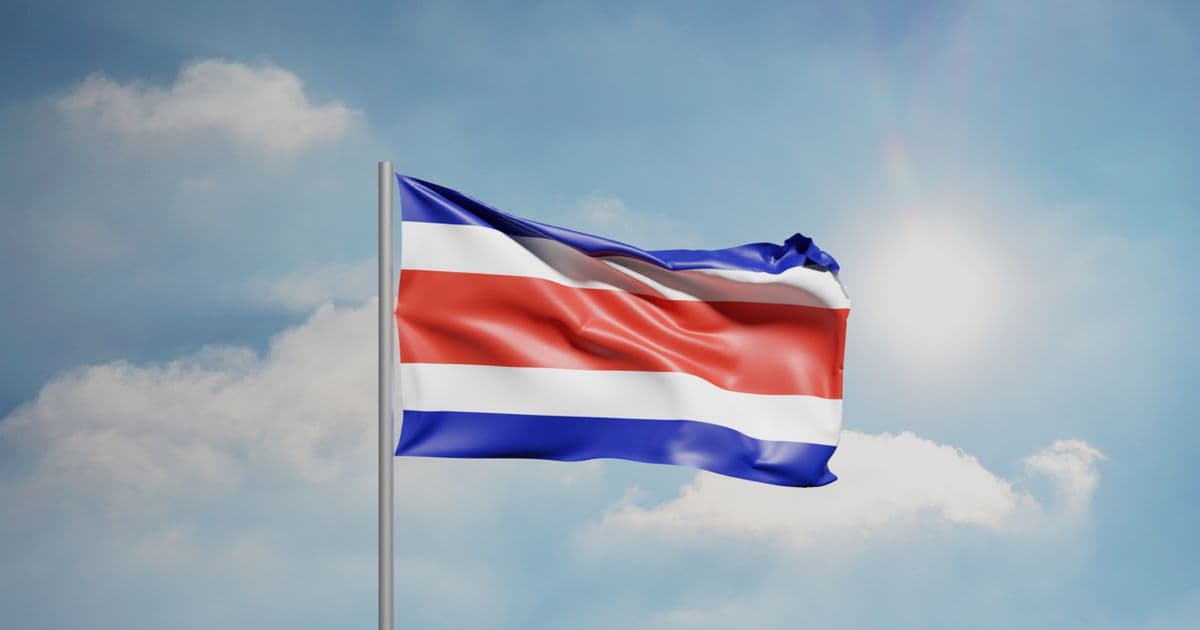
Bandera de Costa Rica: The National Flag and Its Meaning
The bandera de Costa Rica features five horizontal blue, white, and red stripes adopted in 1848, with colors symbolizing peace, idealism, and the vitality of the Costa Rican people.
Read guide →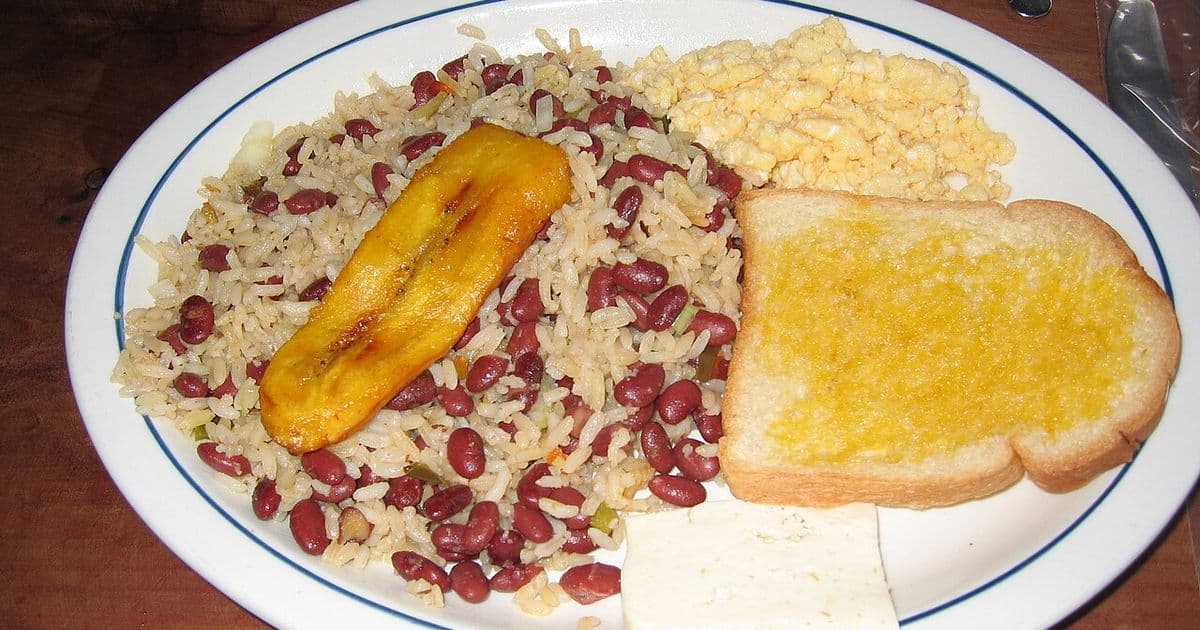
Costa Rica Food: A Guide to Traditional Cuisine and Local Flavors
Costa Rica food centers on rice, black beans, and fresh tropical ingredients, with the gallo pinto breakfast and the casado lunch plate serving as pillars of a simple, flavorful, and deeply communal cuisine.
Read guide →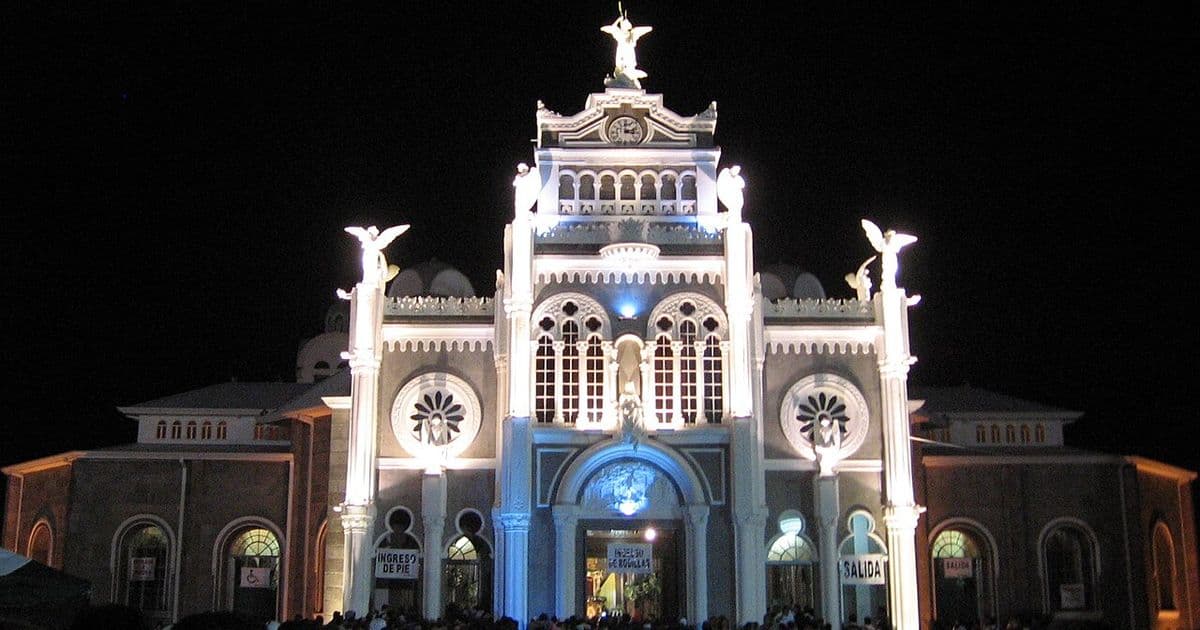
Costa Rica Holidays: National, Religious, and Cultural Celebrations
Costa Rica observes eleven official public holidays including Independence Day on September 15th, the Holy Week pilgrimage to Cartago, and a festive Christmas season centered on family tamale-making traditions.
Read guide →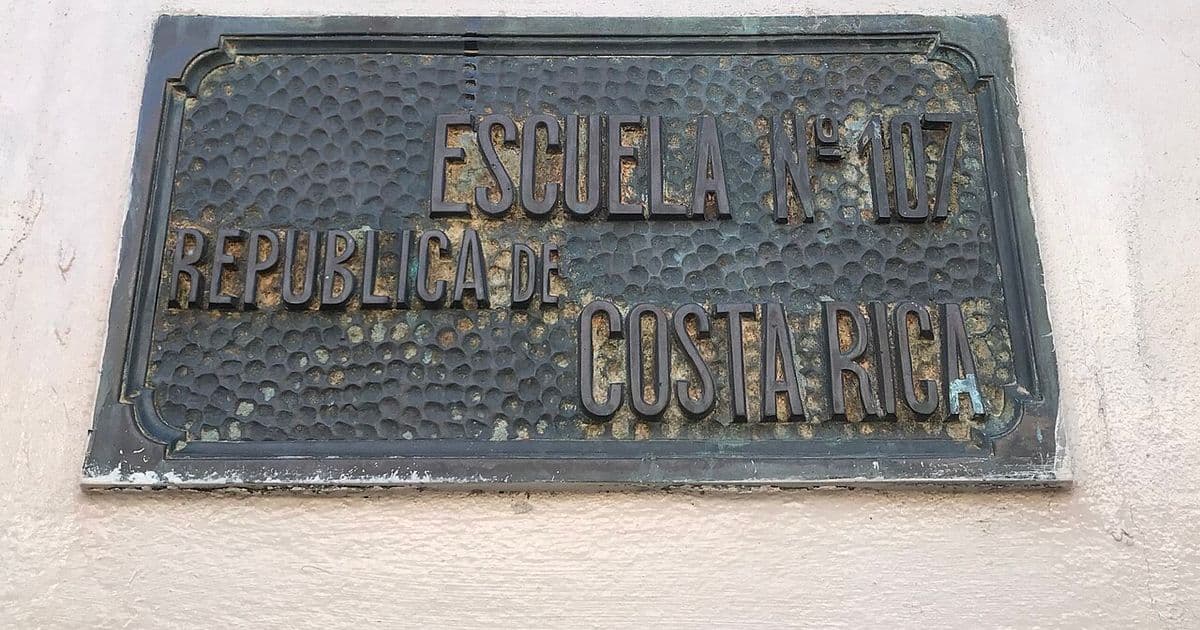
Costa Rica Language: Spanish, Indigenous Tongues, and Tico Slang
Spanish is Costa Rica's official language, spoken with distinctive formality and peppered with uniquely Tico slang like 'pura vida,' alongside indigenous languages and Caribbean Creole English in specific regions.
Read guide →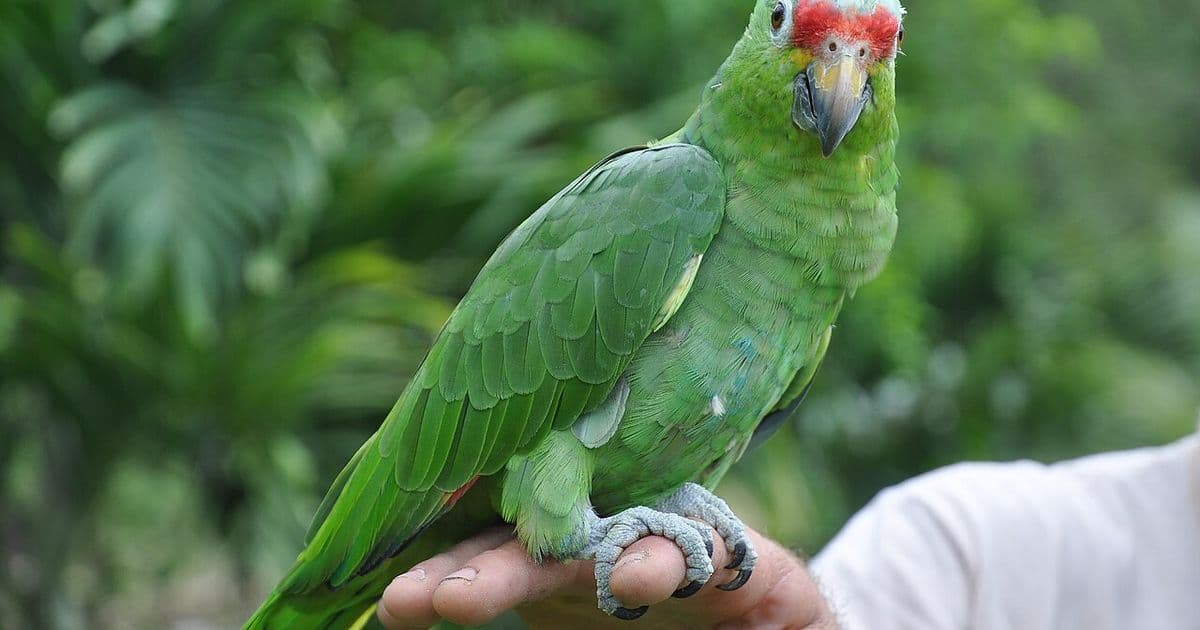
Costa Rica People: Who Are the Ticos and What Makes Them Unique
Costa Rica's roughly 5.2 million people — known as Ticos — are a warm, proud, and culturally diverse population whose national character is shaped by democratic values, the 'pura vida' philosophy, and a unique decision to abolish the military in 1948.
Read guide →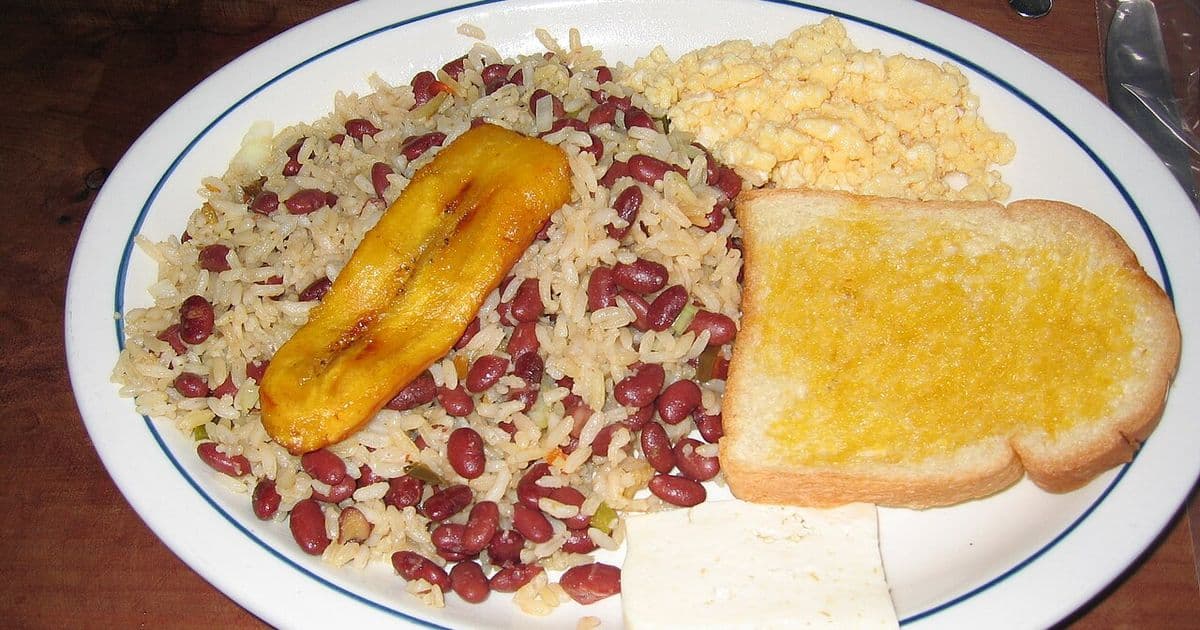
Gallo Pinto Costa Rica: The Beloved National Dish
Gallo pinto is Costa Rica's national dish — a fragrant mix of black beans and white rice seasoned with the iconic Lizano sauce, served at breakfast in virtually every home, soda, and hotel in the country.
Read guide →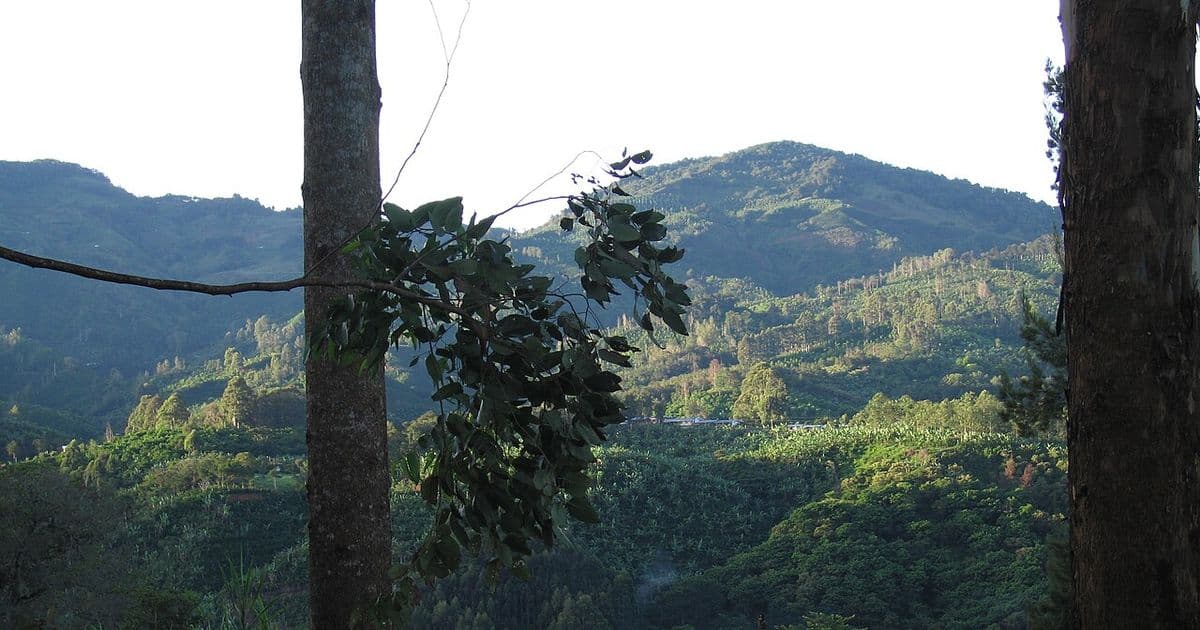
Costa Rica Coffee: A Complete Guide to One of the World's Finest Coffees
Costa Rica coffee, grown on volcanic soils across eight recognized regions and legally limited to 100% Arabica, is among the world's finest — a cultural institution as much as an export, brewed daily through the traditional cloth-filter chorreador.
Read guide →
Costa Rica Drinking Age: Legal Age, Alcohol Laws, and What Visitors Need to Know
The legal drinking age in Costa Rica is 18 years old, and alcohol is widely available nationwide — from ubiquitous Imperial beer to the national cane spirit guaro — within a relaxed but legally regulated drinking culture.
Read guide →
Costa Rica History: A Journey from Pre-Columbian Civilizations to Modern Democracy
Costa Rica history spans 10,000 years of indigenous civilization, a poverty-marked Spanish colonial period, peaceful independence in 1821, and a defining 1948 civil war that produced the world's most remarkable political outcome: the permanent abolition of the standing army.
Read guide →
Costa Rica Nightlife: A Guide to Bars, Clubs, and Evening Entertainment
Costa Rica nightlife ranges from the sophisticated craft cocktail bars of San José's Barrio Escalante to the reggaeton-pumping clubs of Jacó and the authentic reggae bars of Puerto Viejo on the Caribbean coast.
Read guide →
Costa Rica Official Language: Spanish, Its Legal Status, and Linguistic Diversity
Spanish is Costa Rica's constitutionally designated official language, spoken with distinctive formality ('ustedeo') and Tico-specific slang, alongside eight endangered indigenous languages and Caribbean Creole English in Limón province.
Read guide →
Costa Rica Kosher Food: A Guide for Jewish Travelers
Costa Rica has a small but organized Jewish community in San José with kosher restaurants, certified food products, a Rabbinical Council, and an active Chabad House — making the capital navigable for observant Jewish travelers with advance planning.
Read guide →