
Costa Rica Coffee: A Complete Guide to One of the World's Finest Coffees
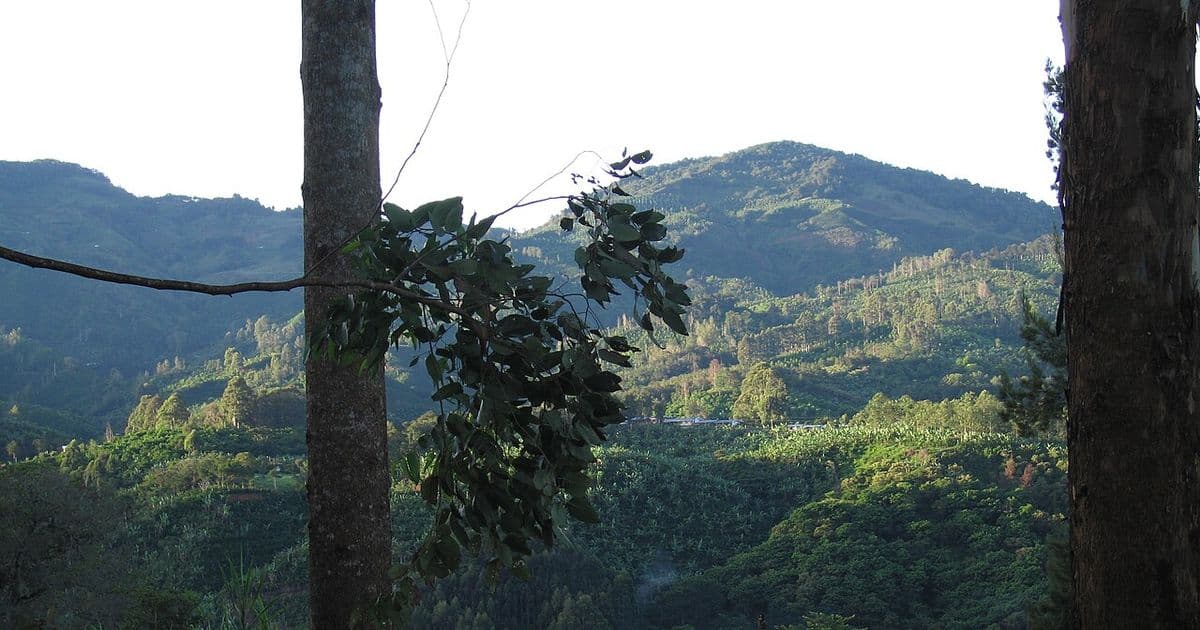
Costa Rica coffee is recognized worldwide as among the finest and most consistent specialty coffee produced anywhere, a reputation built over two centuries of cultivation on mineral-rich volcanic soils at high altitudes across the country's diverse growing regions. Coffee is not merely an export commodity in Costa Rica — it is a cultural institution woven into daily life, hospitality rituals, and national identity. Understanding Costa Rican coffee helps visitors appreciate both the cup in their hand and the country that produced it.
History of Coffee in Costa Rica
Coffee (Coffea arabica) was introduced to Costa Rica from Ethiopia via Cuba and Jamaica in the early 19th century and found ideal growing conditions in the fertile volcanic soils and temperate climate of the Central Valley. The Costa Rican government recognized the crop's economic potential early and actively promoted its cultivation, distributing coffee seedlings to farmers free of charge and constructing roads to facilitate export. By the 1830s, coffee had become Costa Rica's primary export and the economic engine of national development.
The coffee boom of the 19th century financed the construction of Costa Rica's public institutions, funded the National Theater (Teatro Nacional) in San José — built in 1897 partly from a tax on coffee exports — and created a prosperous class of coffee growers (cafetaleros) whose political influence shaped the country's democratic development. Historians credit the relative wealth generated by coffee with enabling Costa Rica to develop stronger democratic institutions than many of its Central American neighbors, who relied on more labor-intensive export crops requiring large estates and exploited workforces.
Costa Rica was also a pioneer in coffee processing innovation. The country developed the "washed" or "wet" processing method in the 19th century, which produces the clean, bright flavor profile associated with fine Costa Rican coffee. In 1989, Costa Rica became the first country in the world to legally ban the cultivation of lower-quality Robusta coffee varieties, mandating that only Arabica beans be grown — a bold quality commitment that distinguishes it among major coffee producers.
Coffee and the Teatro Nacional
The elegant Teatro Nacional in the heart of San José, considered one of the most beautiful buildings in Central America, was financed partly through a tax imposed on coffee exports during the presidency of Bernardo Soto in the 1890s. The theater's construction — completed with Italian architects and European materials — represents the direct transformation of coffee wealth into cultural infrastructure, a tangible symbol of how deeply coffee shaped Costa Rican society and its aspirations during the 19th century.
Growing Regions and Terroir
Costa Rica has eight officially recognized coffee-growing regions, each producing beans with distinct flavor characteristics shaped by altitude, soil type, rainfall patterns, and microclimate. The regions are: Tarrazú, West Valley (Valle Occidental), Central Valley (Valle Central), Tres Ríos, Brunca, Turrialba, Orosi, and Guanacaste (Coto Brus).
Tarrazú, located in the highlands south of San José at 1,200–1,900 meters above sea level, is the most internationally celebrated Costa Rican coffee region and produces beans widely considered the finest in the country. Tarrazú coffee is characterized by a bright, high acidity, full body, and complex flavor with notes of dark chocolate, citrus, and caramel. The region's steep hillsides, rich volcanic soils derived from the Talamanca mountain range, and extreme temperature variation between day and night create ideal stress conditions for developing concentrated coffee flavor in the cherry.
Tres Ríos, located east of San José and sometimes called the "Bordeaux of Costa Rican coffee," produces elegant, balanced beans with bright acidity and wine-like complexity. The Central Valley region, which surrounds San José, is one of the oldest coffee-growing areas and produces a wide range of quality, from commodity coffee to fine specialty lots. Turrialba, on the lower Caribbean slope, produces coffee at lower altitudes with a milder, smoother profile. Guanacaste's coffee, grown in the dry northwest, is less acidic and typically heavier in body.
Altitude and Quality
The relationship between altitude and coffee quality is one of the most important principles in specialty coffee production, and Costa Rica exemplifies it dramatically. At higher altitudes, cooler temperatures slow the ripening of the coffee cherry, allowing the bean inside more time to develop sugars and aromatic compounds. This extended maturation produces the higher acidity, greater complexity, and more nuanced flavor that characterize great Tarrazú and Tres Ríos coffees compared to lower-altitude growing areas. Costa Rica's mountainous geography makes it naturally suited to high-altitude cultivation throughout much of the Central Valley and southern highlands.
Coffee Varieties and Processing Methods
All coffee legally grown in Costa Rica is Coffea arabica, the higher-quality of the two main commercial coffee species. Within Arabica, Costa Rica grows several varieties, including Caturra, Catuaí, Villa Sarchí (a variety developed in Costa Rica), Bourbon, and Gesha (also spelled Geisha), among others. Villa Sarchí is particularly interesting as a naturally occurring mutation of Bourbon discovered in the Sarchí region of Alajuela in the 1950s, producing a small-leafed plant particularly suited to Costa Rica's wind-exposed hillsides.
Gesha (originally from Ethiopia, cultivated in Panama's Boquete region and now grown in Costa Rica) has become one of the most sought-after and expensive coffee varieties in the world, prized for its extraordinary floral and tea-like complexity. Costa Rican micro-lots of Gesha now compete at the highest levels of the specialty coffee market and command prices of hundreds of dollars per pound among dedicated enthusiasts.
Processing methods significantly affect the flavor of Costa Rican coffee. The traditional washed (wet) process — where the cherry skin and mucilage are removed from the bean before drying — produces the clean, bright, acidic profile most associated with Costa Rican coffee. Natural (dry) processing, where the whole cherry is dried with the fruit intact, imparts fruity, wine-like notes. Honey processing, developed in Costa Rica and now popular globally, leaves varying amounts of mucilage on the bean during drying, creating a spectrum of sweetness and complexity. Costa Rican producers have been pioneers in honey processing, developing yellow, red, and black honey variations that have influenced specialty coffee production worldwide.
Honey Processing: A Costa Rican Innovation
Honey processing — in which the coffee cherry skin is removed but varying amounts of the sticky mucilage ("honey") are left on the bean during sun-drying — was pioneered and refined in Costa Rica beginning in the early 2000s. The process creates coffee with more body and sweetness than washed coffee but less fruit character than natural-processed beans. Costa Rica's classification system (yellow, red, and black honey based on the percentage of mucilage retained) has been adopted as a global standard in specialty coffee terminology, cementing the country's reputation as an innovator in coffee production.
The Traditional Chorreador Brewing Method
The traditional Costa Rican method of brewing coffee is the chorreado (or café chorreado), made using a wooden stand called a "chorreador" that holds a cloth filter bag (bolsita de tela) over a cup or pot. Hot water is poured slowly through finely ground coffee held in the cloth bag, dripping directly into the vessel below. This pour-over method produces a clean, full-bodied cup that showcases the natural flavors of quality Costa Rican beans without the paper filtration that removes some oils, or the over-extraction that can occur with French press methods.
The chorreador is a simple, elegant, and sustainable brewing tool. The cloth bags can be washed and reused for months or years, generating no waste. The wooden stands are crafted in Costa Rica and are widely available as souvenirs, ranging from rustic functional pieces to beautifully decorated keepsakes. Many Costa Rican families have used the same chorreador for decades, the wooden stand darkening and absorbing coffee oils over years of use.
Café chorreado is traditionally prepared fresh for each cup rather than made in large batches, reflecting an approach to coffee as a deliberate, sensory ritual rather than a mere caffeine delivery mechanism. The practice of brewing coffee through the chorreador, then serving it in a mug with boiled milk (café con leche) or black with sugar, is one of the most quintessentially Tico domestic rituals and is central to the hospitality custom of offering guests a cup upon arrival.
Café con Leche: The Daily Ritual
The most common way Costa Ricans drink coffee daily is café con leche — coffee with hot milk — served in a large mug, typically for breakfast. The ratio of coffee to milk varies by personal preference but often favors milk, producing a mild, comforting drink that pairs perfectly with gallo pinto and bread. Offering café con leche to a guest upon arrival is a fundamental act of Costa Rican hospitality, and accepting it is an important social courtesy even if one does not particularly want coffee at that moment.
Costa Rica Coffee Culture
Coffee is deeply embedded in Costa Rican social and cultural life in a way that goes beyond simple consumption. Offering coffee to guests is a near-universal social expectation in Costa Rican homes, workplaces, and businesses — refusing the offer can be interpreted as a mild social slight, while accepting and appreciating the coffee signals respect for the host's hospitality. This tradition has roots in the agricultural heritage of a country where coffee was the source of economic prosperity for generations and where serving it well was a point of domestic pride.
The coffee break ("café") is a cherished midday ritual in Costa Rican workplaces. Many offices and businesses maintain a communal coffee area where colleagues gather for café and conversation, and this informal social time is considered important for maintaining workplace relationships and morale. The culture of the coffee break as social time rather than mere productivity disruption reflects a broader Costa Rican value of relationship and community over pure efficiency.
Cafés and coffee shops have proliferated in San José and tourist areas in recent decades, with a growing specialty coffee culture emerging alongside the traditional café con leche. Artisan roasters and third-wave coffee shops now offer single-origin pour-overs, espresso drinks featuring Tarrazú micro-lots, and educational cuppings for visitors interested in exploring the full depth of Costa Rican coffee quality. This upscale coffee scene coexists with the simple, unpretentious café chorreado that remains the everyday choice of most Ticos.
The Golden Bean Competition
The Costa Rican Institute of Coffee (ICAFE) sponsors the annual "Taza de la Excelencia" (Cup of Excellence) competition, a rigorous evaluation by international judges that identifies and rewards the highest-quality coffees produced in the country each year. Winning lots are auctioned to international specialty buyers at significant price premiums, providing economic rewards for quality-focused producers and generating global attention for Costa Rican coffee's finest achievements. These competitions have helped establish Costa Rica as a benchmark destination for specialty coffee tourism and sourcing.
Coffee Tours and Farm Visits
Coffee tourism is a thriving industry in Costa Rica, with dozens of farms and beneficios (processing mills) offering tours to visitors interested in understanding the journey from cherry to cup. The most accessible and well-developed coffee tourism is found in the areas surrounding San José, particularly in the Heredia, Alajuela, and Poás volcano regions, and in the Tarrazú highlands south of the capital.
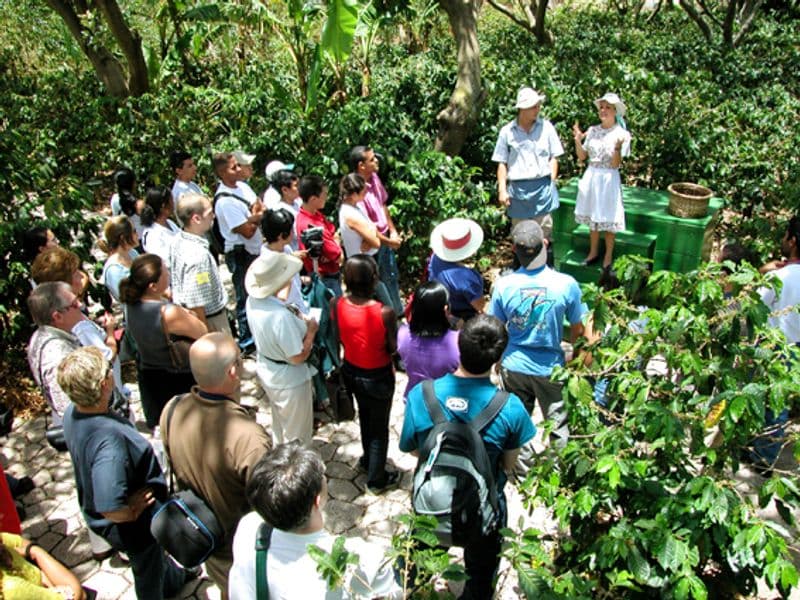
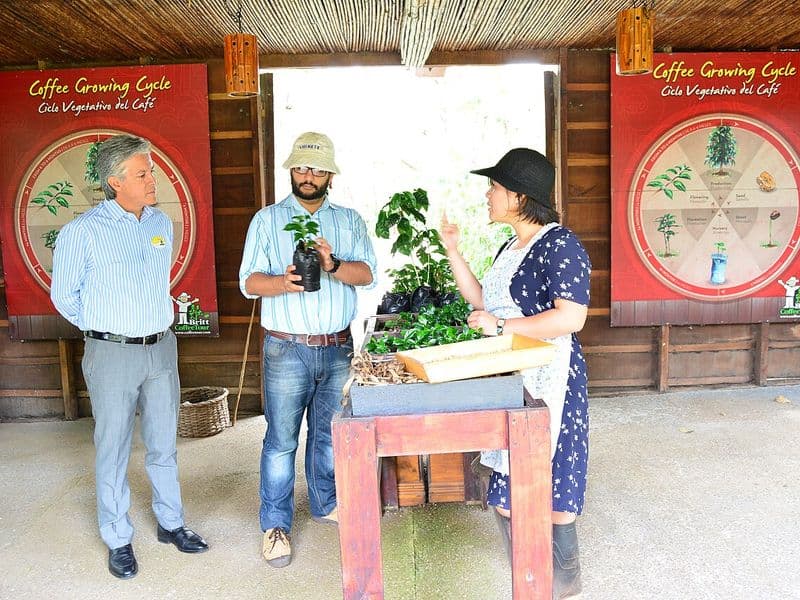
Several established coffee estates offer comprehensive tours that include walking through coffee fields during harvest season (typically October through February), seeing the processing mill where cherries are depulped, fermented, washed, and dried, and visiting the cupping room where trained tasters evaluate quality. These tours typically conclude with tastings of the estate's own coffees and the opportunity to purchase freshly roasted beans directly from the source.
Notable coffee tour destinations include Café Britt, one of Costa Rica's most famous coffee brands, which offers a theatrical and entertaining tour at its facilities near Heredia with costumed actors explaining coffee history; Doka Estate (Hacienda Espino) near Alajuela, one of the oldest continuously operating coffee mills in Costa Rica with traditional wet-processing equipment; and Don Juan Coffee Tour near La Fortuna, which includes cacao and sugar cane alongside coffee in a comprehensive agricultural experience. For visitors willing to travel to Tarrazú, visits to small producer cooperatives like CoopeTarrazú offer more authentic and less theatrical immersion in the region that produces Costa Rica's most celebrated coffee.
Harvest Season: Best Time to Visit
Costa Rica's main coffee harvest runs from approximately October through February, varying by altitude and region, with higher-altitude areas harvesting later. Visiting during harvest season offers the opportunity to see coffee pickers (recolectores) at work, often earning piece-rate wages for hand-picking only fully ripe red cherries from the plant — skilled labor that is essential for quality processing. The harvest is a significant social and economic event in coffee communities, with seasonal workers traveling from throughout Central America to participate, creating a vibrant, busy atmosphere in growing regions.
Buying and Bringing Home Costa Rican Coffee
Purchasing freshly roasted Costa Rican coffee to bring home is one of the most rewarding souvenirs a visitor can acquire, combining cultural significance with genuine quality. The best options for purchasing fine coffee are directly from producing farms during tours, from specialty coffee shops in San José's Escazú and Barrio Escalante neighborhoods, and from artisan roasters who source directly from specific producers and roast in small batches to order.
For convenience, supermarkets and airport shops sell major Costa Rican coffee brands — Café Britt, Café Rey, 1820, and Volio are widely available and represent reliable mid-quality options for gifting. These commercial brands, while good, do not represent the pinnacle of Costa Rican coffee quality; for that, specialty purchases from roasters sourcing Tarrazú or Tres Ríos micro-lots are required.
When buying coffee to bring home, whole beans rather than ground are strongly preferred, as ground coffee loses aromatics and flavor much faster. Costa Rica allows coffee in any quantity to be brought into the country in sealed commercial packaging; most receiving countries including the United States permit roasted coffee imports without restriction. Coffee purchased at specialty shops in Costa Rica is typically vacuum-sealed and roasted within days of purchase, ensuring excellent freshness upon return home.
What to Look for on the Bag
When buying Costa Rican specialty coffee, look for specific regional designation (Tarrazú, Tres Ríos, or other named regions), single-origin or single-farm identification, the variety of Arabica (Villa Sarchí, Gesha, Caturra), the processing method (washed, honey, natural), and a roast date within the past two to four weeks. Bags listing these details signal a producer or roaster committed to transparency and quality. Generic bags labeled only "100% Costa Rican coffee" without regional specificity represent commodity rather than specialty grade production.
Frequently Asked Questions
Why is Costa Rica coffee considered so good?
Costa Rica coffee benefits from ideal growing conditions: volcanic soils rich in minerals, high altitudes (especially in Tarrazú), and a temperate climate with distinct wet and dry seasons. The country also legally mandates 100% Arabica cultivation and has pioneered innovative processing methods like honey processing. Two centuries of expertise in cultivation and processing further contribute to consistently high quality.
What is the best region for Costa Rican coffee?
Tarrazú, located in the highlands south of San José at 1,200–1,900 meters altitude, is widely considered the finest coffee-growing region in Costa Rica. Tarrazú coffee is known for its bright acidity, full body, and complex flavors of dark chocolate, citrus, and caramel. Tres Ríos is also highly regarded for its elegant, balanced character.
What is a chorreador and how does it work?
A chorreador is a traditional Costa Rican coffee brewing stand made of wood that holds a cloth filter bag over a cup or pot. Hot water is poured slowly through finely ground coffee held in the cloth bag, producing a clean, full-bodied cup. It is a simple pour-over method similar in principle to modern specialty coffee brewing but with a specifically Costa Rican tradition dating back generations.
Can I take Costa Rican coffee home in my luggage?
Yes, roasted Costa Rican coffee in sealed commercial packaging can be brought home in checked or carry-on luggage with no restrictions imposed by Costa Rica. Most receiving countries, including the United States, permit roasted coffee imports without restriction. For the best quality, buy whole beans from a specialty roaster and look for a recent roast date on the packaging.
What are the best coffee tours in Costa Rica?
Top coffee tour options include Café Britt near Heredia (theatrical and educational), Doka Estate near Alajuela (historic wet-processing equipment), and the CoopeTarrazú cooperative in the Tarrazú highlands (most authentic, serious coffee experience). For visitors near La Fortuna, Don Juan Coffee Tour includes coffee alongside cacao and sugar cane. Harvest season (October–February) is the best time to visit for the full farm experience.