
Costa Rica Travel: The Essential Planning Guide
Costa Rica consistently ranks among the world's top travel destinations, offering a remarkable combination of biodiversity, adventure, beach relaxation, and cultural warmth packed into a country smaller than West Virginia. Whether you're planning a week-long beach escape or a two-week nature immersion, this guide covers everything you need to know to travel Costa Rica confidently.
Why Travel to Costa Rica
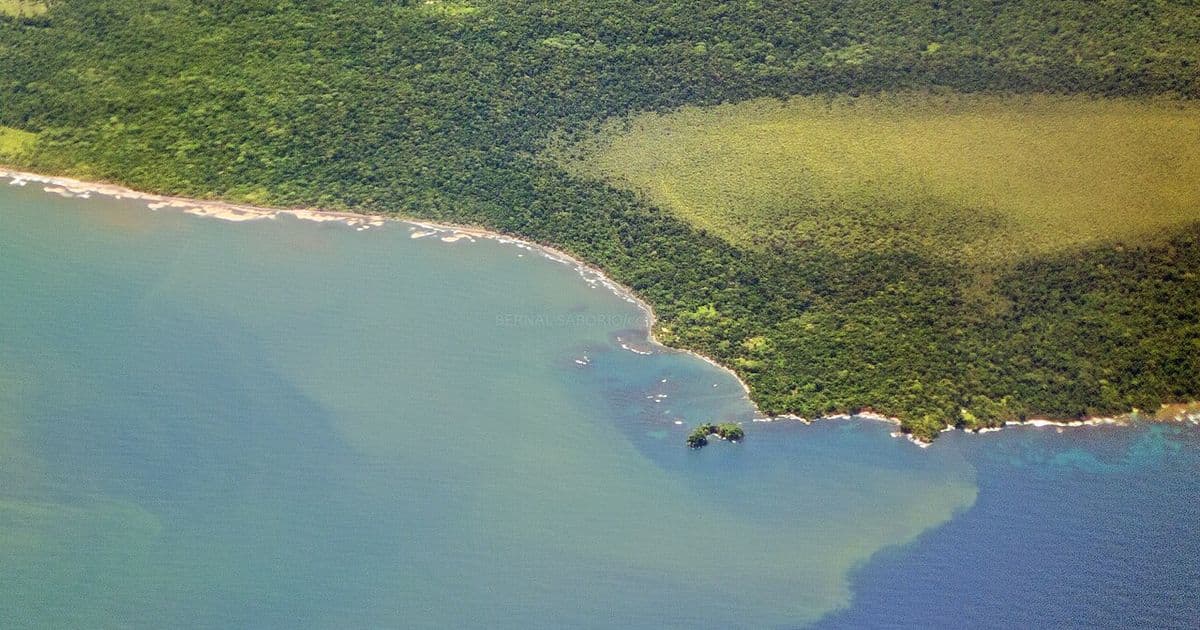
Costa Rica punches far above its weight as a travel destination. Despite covering just 51,100 square kilometers — roughly the size of West Virginia — it contains approximately 5% of the world's known biodiversity. From misty cloud forests and active volcanoes to white-sand Pacific beaches and lush Caribbean jungles, the geographic diversity is extraordinary.
Costa Rica pioneered the global ecotourism movement and continues to be a leader in conservation, with roughly 25% of its territory protected as national parks, biological reserves, and wildlife refuges. The country abolished its military in 1948, redirecting resources toward education and healthcare, and consistently ranks as one of the happiest countries in the world on international wellbeing indexes.
Tourism is Costa Rica's largest industry, and the infrastructure supporting visitors is well-developed by Central American standards. English is widely spoken in tourist areas, US dollars are accepted almost everywhere, and the road network — while imperfect — provides access to most major destinations. The country also has a notably lower crime rate than many regional neighbors, making it a comfortable destination for independent travelers.
Pura Vida: The Costa Rican Philosophy
'Pura Vida' (literally 'pure life') is more than a catchphrase — it's a genuine cultural expression of the Costa Rican approach to life. You'll hear it as a greeting, a farewell, an affirmation, and an expression of gratitude. It reflects the national tendency toward optimism, laid-back living, and appreciation for nature and simple pleasures. Embracing this mindset helps travelers relax into the slower pace that makes Costa Rica so restorative.
Best Time to Visit Costa Rica
Costa Rica has two primary seasons: the dry season (December through April), known as verano or summer despite being winter in the Northern Hemisphere, and the rainy or green season (May through November). Each season has distinct advantages and trade-offs for travelers.
The dry season is ideal for beach travel, especially to Pacific destinations like Guanacaste and Manuel Antonio. Skies are reliably clear, roads are at their best condition, and all outdoor activities are accessible. However, this is also peak tourist season: prices are highest, popular destinations are crowded, and accommodations at well-regarded lodges book out months in advance.
The green season brings afternoon and evening rains (mornings are usually clear), dramatically lower prices (often 20–40% off peak rates), fewer tourists, and lush, vibrant landscapes. Waterfalls are at their spectacular best. Surfing on the Pacific south coast actually improves with the consistent swells the rainy season generates. Wildlife watching is excellent year-round, with sea turtle nesting seasons peaking in green season months. Many experienced travelers consider May–June and September–October the sweet spots — reduced rates without the heaviest rains of July–August and the peak of storm season.
Microclimates and Regional Variation
Costa Rica's geography creates distinct microclimates. The Caribbean coast receives rain year-round, with drier periods in February–March and September–October — essentially the inverse of the Pacific pattern. The Central Valley (San José area) enjoys mild temperatures year-round (averaging 22–26°C / 72–79°F) with a distinct rainy season. Understanding regional variation helps you plan a trip that matches conditions at your specific destinations.

Top Destinations and Regions
Costa Rica is typically divided into several distinct travel regions, each with its own character, ecosystems, and attractions. The country's most popular destinations span the Pacific coast, Caribbean coast, Central Valley, and inland volcano and cloud forest zones.
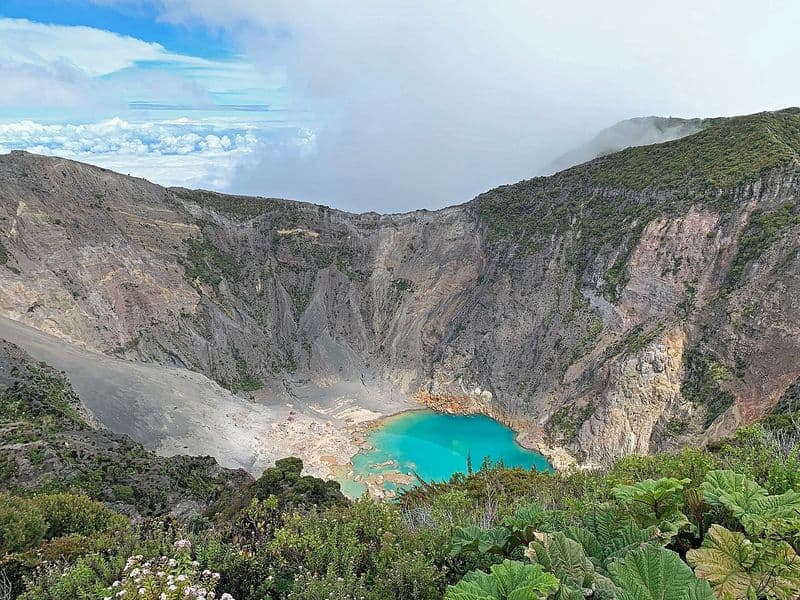
Arenal Volcano and La Fortuna, in the Northern Lowlands, are arguably Costa Rica's most iconic inland destination. The perfectly conical Arenal Volcano (active until 2010, now dormant) presides over a landscape of hot springs, hanging bridge parks, white-water rafting rivers, and jungle zip lines. Monteverde Cloud Forest Reserve, suspended in perpetual mist at 1,440 meters elevation, is world-famous for birdwatching (including the resplendent quetzal), canopy tours, and butterfly gardens.
Manuel Antonio National Park on the central Pacific coast combines accessible, well-maintained trails with some of the country's most stunning beach scenery and reliably easy wildlife viewing (sloths, monkeys, and coatis are practically guaranteed). The Osa Peninsula, home to Corcovado National Park, is the country's wildest destination — remote, challenging, and breathtakingly biodiverse. Guanacaste's Pacific beaches (Tamarindo, Flamingo, Conchal, Nosara) are the centers of beach resort tourism.
Caribbean Coast Destinations
Costa Rica's Caribbean coast is culturally and ecologically distinct from the Pacific side. Tortuguero National Park, accessible only by boat or small plane, is the primary nesting site for Atlantic green sea turtles. The town of Puerto Viejo de Talamanca near the Panamanian border offers a bohemian, Afro-Caribbean atmosphere with excellent beaches, good surfing at Playa Salsa Brava, and lush jungle surroundings. The Caribbean is less developed for mass tourism, which is precisely its appeal for many visitors.
Getting Around Costa Rica
Transportation within Costa Rica involves a combination of options suited to different itineraries and budgets. Car rental offers maximum flexibility and is preferred for independent travelers covering multiple destinations. Shared shuttle services connect the most popular tourist hubs on scheduled routes and are a cost-effective middle ground between rental cars and expensive private transfers. Public buses serve virtually every corner of the country at low cost, though travel times are long and comfort is basic.
Domestic flights on Sansa Airlines cut multi-hour overland journeys to under an hour and are particularly valuable for reaching remote destinations like Tortuguero, Drake Bay, or the Osa Peninsula. Prices are reasonable compared to the time saved — a San José to Quepos flight costs approximately $100–$150 each way versus a 3.5–4 hour drive or bus journey.
Within towns and cities, taxis (official metered red taxis in San José, regulated taxis elsewhere) and Uber are the primary options. Uber works reliably in urban areas but becomes patchy in rural zones. Many beach towns have local taxi drivers who operate informal but generally reliable services at agreed rates.
Driving in Costa Rica
Self-driving is one of the most rewarding ways to explore Costa Rica, but requires preparation. A 4WD vehicle with high clearance is recommended for most itineraries that go beyond major highways. Road quality ranges from excellent (Route 27 from San José to the coast) to challenging (dirt tracks to remote lodges). Night driving is strongly discouraged due to livestock on roads, unmarked speed bumps, and poor lighting in rural areas.
Budget and Costs for Costa Rica Travel
Costa Rica is more expensive than many Central American destinations but offers good value relative to the quality and variety of experiences available. Budget travelers staying in hostels, eating at sodas (local restaurants), and using public buses can manage on $50–$80 per person per day. Mid-range travelers in comfortable eco-lodges or boutique hotels, eating at tourist restaurants, and joining occasional guided tours typically spend $150–$300 per day. Luxury travelers at high-end eco-resorts with private guides and premium activities can easily spend $400–$800 or more per day.
Accommodation is the largest expense for most travelers. Hostels cost $15–$30 per night per bed; mid-range hotels and eco-lodges run $80–$200 per night for a double; boutique and luxury eco-lodges range from $200 to $1,000+ per night. Meals at local sodas cost $5–$10 per person; tourist restaurants charge $15–$30 per person including a drink. Guided tours for activities like white-water rafting, volcano hiking, or canopy tours typically run $50–$120 per person.
Currency and Payment
Costa Rica's official currency is the colón (CRC). US dollars are accepted virtually everywhere in the tourist industry, though change may be given in colones at an exchange rate that slightly disadvantages the traveler. Credit cards (Visa and Mastercard) are widely accepted at hotels, restaurants, and tour operators. Cash is useful for small purchases, local markets, rural areas, and tipping. ATMs (cajeros automáticos) are available in most towns and tourist centers.
Health and Safety Essentials
Costa Rica is one of the safest countries in Central America and has an excellent public healthcare system by regional standards. The country has no mandatory vaccinations for entry (for most nationalities), but the CDC and WHO recommend that travelers be up to date on routine vaccinations including hepatitis A, hepatitis B, and typhoid. Malaria risk is low in most tourist areas but exists in some remote regions near the Nicaraguan border and parts of the Caribbean coast — consult your doctor or a travel medicine clinic before visiting high-risk areas.
Tap water is generally safe to drink in urban and tourist areas, including San José, La Fortuna, Monteverde, and most beach towns. In very rural or remote areas, stick to bottled or filtered water. Food from licensed restaurants and certified street vendors is generally safe; the usual travel food hygiene practices (wash hands, avoid raw produce washed in questionable water) apply.
Petty crime — particularly bag snatching, pickpocketing, and vehicle break-ins targeting rental cars — is the most common safety concern for tourists. Exercise standard big-city precautions in San José, keep valuables out of sight, and never leave items in parked rental vehicles. Overall, violent crime against tourists is rare, and most visitors complete their trip without any security incidents.
Travel Insurance for Costa Rica
Comprehensive travel insurance covering medical evacuation is strongly recommended for Costa Rica travel. While public hospitals are competent, private medical care preferred by many tourists can be expensive. Medical evacuation from remote areas (Osa Peninsula, Tortuguero, Drake Bay) may require helicopter transport and can cost tens of thousands of dollars without coverage. Ensure your policy covers adventure activities if you plan to participate in ziplining, white-water rafting, or similar activities.
Costa Rica Culture and Practical Tips
Costa Rica is a predominantly Catholic country with a warm, welcoming culture that values family, nature, and community. The population is approximately 5 million people, with significant diversity including mestizo (mixed European and indigenous heritage), Afro-Caribbean communities (particularly on the Caribbean coast), and indigenous groups. Spanish is the official language, though English proficiency is high in tourist areas, hotels, and among younger urban Costa Ricans.
Tipping is customary but not mandatory. A 10% service charge (called el cargo por servicio) is automatically added to restaurant bills by law, but an additional tip for exceptional service is appreciated. Taxi drivers, hotel staff, tour guides, and hotel porters generally expect tips. Guides who provide exceptional wildlife tours or personalized experiences commonly receive $10–$20 per person.
Electrical outlets use the standard North American 110V/60Hz system with Type A (two flat prongs) plugs, meaning US and Canadian electronics work without adapters. Travelers from Europe, Australia, and most other regions will need a plug adapter. Cell phone coverage from local carriers (Kolbi, Movistar, Claro) is good in urban and tourist areas but patchy in remote regions. Buying a local SIM card at the airport or a convenience store is an inexpensive way to get data coverage throughout your trip.
Internet and Connectivity
Wi-Fi is available at most hotels, restaurants, and cafes throughout Costa Rica, though speeds and reliability vary. In popular tourist hubs, connections are generally adequate for video calls and streaming. In remote eco-lodges and rural areas, connectivity may be limited or non-existent — which many travelers consider a welcome digital detox. Buying a local prepaid SIM card (eSIM options are also available) provides mobile data for navigation and communication when Wi-Fi is unavailable.
Frequently Asked Questions
Is Costa Rica a good destination for first-time visitors to Central America?
Yes, Costa Rica is widely considered the easiest Central American country for first-time regional visitors. English is widely spoken in tourist areas, the infrastructure is reliable, US dollars are accepted, safety standards are high by regional norms, and the tourist industry is well-organized. It provides an excellent introduction to tropical travel without the logistical challenges of less-developed destinations.
How many days do you need to visit Costa Rica?
A minimum of 7 days is recommended to see two or three distinct regions without rushing. Ten to fourteen days allows a more comfortable pace covering beaches, a volcano or cloud forest, and wildlife attractions. Two weeks is ideal for travelers who want a comprehensive experience including the Caribbean coast, Pacific beaches, and inland nature destinations.
What is the best region to visit in Costa Rica?
It depends on your interests. For beaches and resorts, Guanacaste's Pacific coast (Tamarindo, Conchal, Flamingo) is excellent. For wildlife and adventure, Arenal Volcano and Monteverde are iconic. For remote, world-class biodiversity, the Osa Peninsula is unmatched. For Afro-Caribbean culture and sea turtles, the Caribbean coast (Tortuguero, Puerto Viejo) is unmissable.
Do I need to speak Spanish to travel in Costa Rica?
Spanish is useful but not required in most tourist areas. English is widely spoken at hotels, tour operators, airports, and restaurants frequented by international visitors. In rural areas and local sodas, some basic Spanish phrases go a long way and are greatly appreciated by locals. Having a translation app on your phone covers any gaps.
What should I pack for a Costa Rica trip?
Pack lightweight, moisture-wicking clothes, a quality rain jacket, sturdy waterproof hiking shoes or boots, swimwear, reef-safe sunscreen, insect repellent (DEET or picaridin for rainforest areas), a reusable water bottle, and a small daypack for excursions. A headlamp is useful for early wildlife walks. Leave room in your bag for local coffee and souvenirs to bring home.