
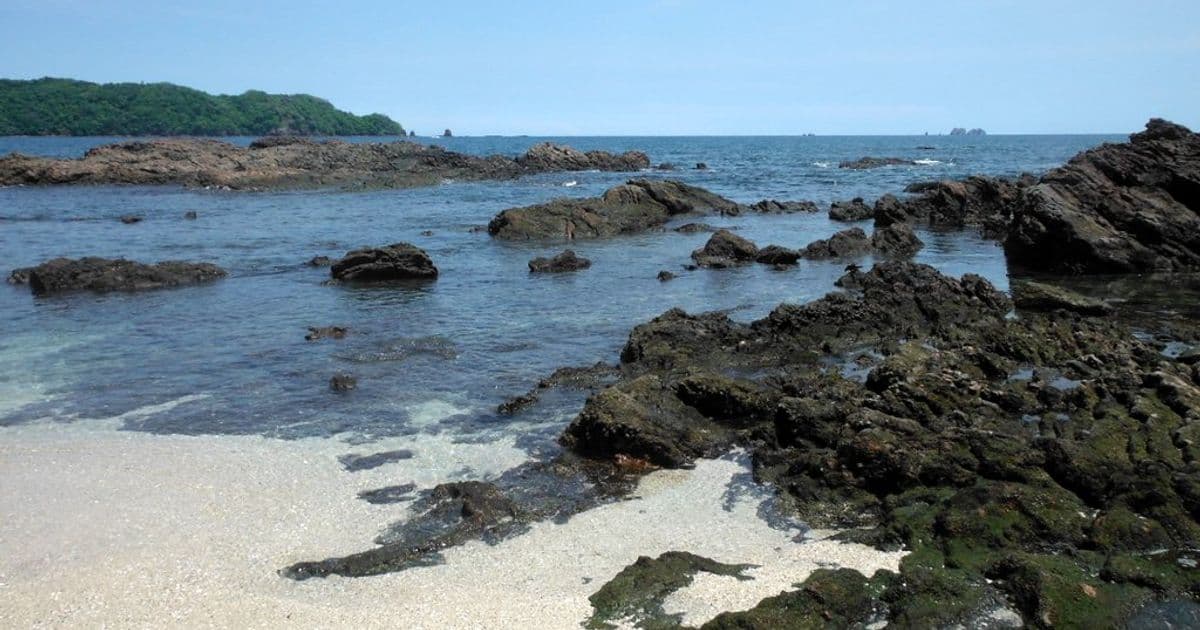
Playa Conchal Costa Rica: The Famous Shell Beach of Guanacaste
Playa Conchal is one of Costa Rica's most celebrated beaches, famous for its unique shoreline composed almost entirely of millions of tiny crushed shells rather than sand. Located in the Guanacaste province near the village of Brasilito, this dazzling white-blue beach is consistently ranked among the finest in the country. Its exceptionally clear turquoise water and gently sloping seabed make it a top destination for snorkeling and swimming.
What Makes Playa Conchal Unique
Playa Conchal derives its name from the Spanish word for shell, "concha," and the beach lives up to that name in spectacular fashion. Rather than the typical volcanic black sand or coarse yellow sand found on many Costa Rican beaches, Playa Conchal is blanketed in billions of tiny, crushed white and pink shells that have accumulated over thousands of years. This gives the beach its distinctive pale, pearlescent appearance and an unusually smooth texture underfoot.
The shells come from the abundant marine life in the surrounding waters, including various bivalves, snails, and other mollusks. Over time, wave action breaks these shells into fine fragments that wash ashore and compact into the beach's signature surface. Walking barefoot on Playa Conchal feels different from any other beach in Costa Rica — the shell fragments are surprisingly soft and cool, and they make a faint rustling sound underfoot.
The water at Playa Conchal is renowned for its exceptional clarity and vivid turquoise color. The beach faces west and is partially sheltered by a rocky headland to the north, which helps keep the surf calm and the water visibility high. Coral and rocky reef formations sit close to shore, supporting diverse marine life and making the snorkeling among the best in Guanacaste. The beach stretches approximately 1 kilometer and is bordered by tropical dry forest, adding to its natural beauty.
Shell Composition and Formation
The shells at Playa Conchal come primarily from species such as the purple snail (Purpura pansa), various ark clams, and the Coquina clam. Marine biologists note that the beach has been accumulating shells for thousands of years, with wave action gradually pulverizing them into the fine, sand-like consistency visitors enjoy today. Despite the high volume of tourism, the beach continues to replenish itself naturally through ongoing marine activity in the bay.
Water Color and Clarity
The striking turquoise and aquamarine colors of the water at Playa Conchal result from the combination of shallow depth, white shell bottom, and minimal sediment runoff from surrounding land. Visibility in the water regularly exceeds 10 meters, and on calm days snorkelers can see clearly to the sandy bottom and surrounding reef structures. This exceptional water quality is one of the primary reasons Playa Conchal consistently ranks as one of Costa Rica's premier snorkeling spots.
Snorkeling and Water Activities
Snorkeling is the signature activity at Playa Conchal, and for good reason. The reef and rocky outcroppings just offshore host an impressive array of tropical fish, sea turtles, rays, and invertebrates. Snorkelers regularly encounter parrotfish, angelfish, pufferfish, moray eels, and schools of sergeant majors. Sea turtles are a fairly common sighting, particularly Hawksbill and Pacific Green turtles that feed on the seagrass and sponges growing on the reef.
Snorkeling gear can be rented from vendors on the beach or brought from the nearby Westin Playa Conchal resort. The best snorkeling is found at the northern end of the beach near the rocky point, where coral growth is most concentrated. The calm, shallow conditions make snorkeling accessible to beginners and children, though more experienced snorkelers will find interesting marine life throughout the bay.
Beyond snorkeling, the calm and clear water is ideal for swimming and stand-up paddleboarding. Kayak rentals are available and allow visitors to explore the coastline and nearby beaches that are inaccessible by foot. Sport fishing charters depart from the nearby marina at Playa Flamingo, about 15 minutes north by road, for those interested in offshore fishing for marlin, tuna, and mahi-mahi. The Westin resort also operates a world-class golf course adjacent to the beach, designed by Robert Trent Jones II.
Best Snorkeling Spots
The rocky headland at the northern tip of Playa Conchal offers the most productive snorkeling, with coral heads, sea fans, and sponges colonizing the submerged boulders. The southern end of the beach near Brasilito village also has interesting reef structure. Mid-beach, the sandy bottom is shallower and less rich in coral but remains excellent for spotting rays and sea turtles resting on the bottom. Guided snorkel tours from nearby tour operators include equipment and instruction, making them a good option for first-timers.
Kayaking and Paddleboarding
Stand-up paddleboarding (SUP) is increasingly popular at Playa Conchal due to the calm surf and clear water that allows paddlers to see marine life below. Kayak tours along the coast reveal sea caves, tidepools, and neighboring beaches such as Playa Real and Playa Brasilito. Morning hours, typically before 10 a.m., offer the calmest conditions for paddling. Rental equipment is available at the beach from independent vendors and through the Westin resort.
Getting to Playa Conchal
Playa Conchal is located in Guanacaste province, approximately 280 kilometers northwest of San José and about 65 kilometers north of Liberia. The most common point of international arrival for visitors heading to Playa Conchal is Daniel Oduber Quirós International Airport (LIR) in Liberia, which serves direct flights from many U.S. cities including Miami, New York, Houston, Dallas, and Los Angeles. Flying into Liberia rather than San José saves considerable travel time — Playa Conchal is roughly a 50-minute drive from Liberia.
From Liberia airport, the most convenient option is renting a car or booking a private shuttle. The route follows Highway 21 north toward Comunidad, then continues on local roads through Huacas and Brasilito to reach the beach. A four-wheel-drive vehicle is not strictly necessary during the dry season, but one is recommended in the rainy season (May through November) when some access roads can become muddy. The main parking area for Playa Conchal is located in the village of Brasilito, a 5-10 minute walk from the beach.
Public buses operate between Liberia and Brasilito, making this a budget-friendly option for independent travelers. The journey takes approximately 90 minutes. From Brasilito, the beach is a short walk south. Shared shuttle services from Liberia or San José are also available through operators such as Interbus and Gray Line, offering door-to-door service to area hotels.
Driving Directions from Liberia
From Liberia, take Highway 21 toward Santa Cruz and Nicoya. After approximately 30 kilometers, turn right at the town of Comunidad toward Huacas. Continue through Huacas and follow signs toward Brasilito, which is approximately 18 kilometers from Comunidad. In Brasilito, park in the public parking area and walk south along the beach or take the footpath to reach Playa Conchal. The total drive from Liberia is about 50 kilometers and takes 45-60 minutes depending on road conditions.
Where to Stay Near Playa Conchal
The dominant accommodation option at Playa Conchal itself is the Westin Playa Conchal Resort and Spa, a large all-inclusive resort that sits directly behind the beach. With over 400 rooms spread across bungalow-style villas set within lush tropical landscaping, the Westin is one of the premier beach resorts in Costa Rica. Amenities include multiple pools, a world-class spa, five restaurants, a Robert Trent Jones II golf course, and direct beach access. The resort occupies a significant portion of the land adjacent to the beach, which means that much of the beachfront infrastructure caters primarily to guests.
For travelers seeking more independent or budget-conscious accommodation, the adjacent village of Brasilito offers several small hotels, guesthouses, and vacation rental properties. Brasilito is a charming, low-key fishing village with a handful of restaurants and a relaxed atmosphere. Properties in Brasilito typically range from budget hostels to mid-range boutique hotels. The short walk to Playa Conchal from Brasilito is a minor inconvenience offset by lower prices and a more authentic local experience.
Playa Flamingo, approximately 10 minutes north by car, offers additional upscale hotel and condo rental options with easy access to Playa Conchal by car or boat. The town of Tamarindo, about 25 kilometers south, has the largest selection of accommodation in the region across all budget ranges and serves as a hub for many visitors exploring the northern Guanacaste coast.
Westin Playa Conchal Resort
The Westin Playa Conchal is consistently rated one of the best resorts in Costa Rica. Its all-inclusive package covers meals, drinks, non-motorized water sports, and access to the golf course. The resort's main pool is reportedly the largest freshwater pool in Central America. Families particularly appreciate the resort's dedicated children's programs and the safe, calm beach right on its doorstep. Booking well in advance is strongly recommended during the December through April high season.
Brasilito Village Accommodation
Staying in Brasilito provides a more local experience, with family-run sodas (local restaurants) serving traditional Costa Rican food at affordable prices. Several small hotels in Brasilito offer clean, comfortable rooms at a fraction of resort prices, with easy access not only to Playa Conchal but also to the village's own beach, which is less crowded and has a charming fishing-village ambiance. Vacation rentals are also widely available through platforms like Airbnb and VRBO.
Best Time to Visit Playa Conchal
Playa Conchal, like most beaches in Guanacaste, is best visited during the dry season, which runs from approximately December through April. During this period, rainfall is minimal, the sun shines reliably each day, and offshore winds keep conditions calm and comfortable. January through March is often considered the peak of the dry season, with near-daily sunshine, low humidity, and consistently calm seas that are ideal for snorkeling and water sports. The dry season also coincides with the North American and European winter, which makes this the busiest and most expensive time to visit.
The rainy season runs from May through November, with the heaviest rains typically falling in September and October. Even during the rainy season, mornings in Guanacaste are usually sunny, with afternoon and evening showers bringing welcome cooling. The landscape transforms dramatically in the wet season, with the surrounding tropical dry forest turning lush and green. Visiting in the rainy season means fewer crowds, lower accommodation prices, and a more relaxed atmosphere, though some beach vendors and water sports operators may reduce their hours.
December and January are particularly popular due to the combination of reliable dry weather and holiday travel. Travelers visiting during this peak period should book accommodation and flights well in advance, as availability and prices reflect the high demand. The shoulder months of November and late April offer a good compromise — drier conditions than the rainy season but with fewer crowds and somewhat lower prices than the peak months.
Water Temperature and Conditions
Water temperature at Playa Conchal remains warm throughout the year, typically ranging from 26°C to 29°C (79°F to 84°F). During the dry season, offshore winds occasionally create mild upwelling that can temporarily cool the water, but conditions quickly return to warm. Jellyfish are occasionally present in the water, particularly during transitional months between seasons, so checking with locals or lifeguards before swimming is wise. Overall, water conditions are safe and pleasant for swimmers of most ability levels throughout the year.
Nearby Attractions and Day Trips
The Playa Conchal area sits within one of the most developed tourist corridors in Costa Rica, offering a wide array of day trip options. Playa Flamingo, just 15 minutes north, is a more developed beach town with a large marina that serves as the departure point for sport fishing, whale watching, and diving excursions. Flamingo has a well-established restaurant and bar scene and is a popular stop for a sunset meal after a day on Conchal.
The town of Tamarindo, approximately 30-35 minutes south of Playa Conchal, is the largest and most developed tourist destination in northern Guanacaste. Tamarindo offers surf schools, a vibrant nightlife scene, excellent restaurants representing international cuisines, and a wide range of tour operators offering zip-lining, ATV tours, wildlife watching, and more. Playa Langosta and Playa Avellanas, both near Tamarindo, are popular surf beaches worth visiting.
Rincon de la Vieja National Park, located about 80 kilometers east of Playa Conchal near Liberia, is one of Costa Rica's premier natural attractions. The park features an active volcano, bubbling mud pots, hot springs, and excellent wildlife watching, including monkeys, peccaries, and hundreds of bird species. A full-day trip to Rincon de la Vieja combined with a stop at one of the area's natural hot spring resorts makes for a memorable excursion from the beach.
Wildlife Watching Near Conchal
The tropical dry forest surrounding Playa Conchal is home to significant wildlife, including White-faced capuchin monkeys, howler monkeys, white-tailed deer, coatis, and numerous bird species. Early morning walks along the forest edges near the beach frequently yield sightings of these animals. The Potrero and Brasilito areas also serve as nesting grounds for Olive Ridley sea turtles during the rainy season, and organized nighttime turtle-watching tours are available through local operators when nesting is active.
Rincon de la Vieja National Park
Rincon de la Vieja National Park protects the slopes of an active stratovolcano and a remarkable geothermal landscape of fumaroles, boiling mud pots, and sulfurous hot springs. The park contains over 300 bird species and is one of the best places in Costa Rica to see the Three-wattled bellbird and numerous other endemic species. Hiking trails through the forest lead past waterfalls and volcanic features, and adventure activities including rappelling, tubing, and canopy tours are available at privately-operated adventure centers on park borders.
Tips for Visiting Playa Conchal
Access to Playa Conchal is technically through the Westin resort property or by walking south along the beach from Brasilito. The beach itself is public — all beaches in Costa Rica are legally public — but the most direct route passes through or adjacent to the resort. Visitors not staying at the Westin typically walk the short distance south from Brasilito beach, a well-established and widely used route. The walk takes about 10-15 minutes from the Brasilito parking area.
Bring reef-safe sunscreen to help protect the coral ecosystems that make snorkeling at Playa Conchal so rewarding. Many tour operators and the Westin resort sell approved reef-safe sunscreen on site. Costa Rica banned the sale of sunscreens containing oxybenzone and octinoxate in 2021, and using reef-safe alternatives is both legally required and ecologically important for preserving the beach's distinctive marine environment.
Arrive early to secure the best spots on the beach and to enjoy the calmest water conditions for snorkeling. By mid-morning, particularly during the dry season, the beach can become fairly crowded. Bring your own snorkeling gear if possible, as rental equipment availability can be inconsistent. Shade is limited on the beach itself, so bringing a beach umbrella is advisable, especially between 10 a.m. and 3 p.m. when the tropical sun is strongest. Fresh drinking water is essential — bring more than you think you will need.
Beach Safety and Rules
Like all Costa Rican beaches, Playa Conchal does not have lifeguards stationed on duty outside of the Westin resort area. Swimmers should exercise caution and stay within their ability level, particularly children. Though the water is generally calm, occasional rip currents can develop near the rocky headland. The beach is dog-friendly but visitors should clean up after their pets. Camping is not permitted on the beach. Vendors selling food, drinks, and snorkel equipment operate seasonally and are more plentiful in the dry season months.
Frequently Asked Questions
Is Playa Conchal in Costa Rica free to access?
Yes. All beaches in Costa Rica are legally public, and access to Playa Conchal is free. The easiest route for non-resort guests is to park in Brasilito village and walk south along the beach for 10-15 minutes. The Westin resort occupies land adjacent to the beach but cannot restrict access to the shoreline itself.
Is Playa Conchal good for snorkeling?
Playa Conchal is one of the best snorkeling beaches in Guanacaste. The water is exceptionally clear, often with visibility exceeding 10 meters, and reef and rocky formations close to shore host abundant marine life including tropical fish, sea turtles, and rays. The best snorkeling is found near the rocky headland at the northern end of the beach.
What is Playa Conchal made of?
Unlike most beaches, Playa Conchal is made of crushed shells rather than traditional sand. Over thousands of years, wave action has broken down the shells of mollusks and other marine invertebrates into fine, soft fragments that have accumulated along the shore, giving the beach its distinctive white and pale pink color.
How far is Playa Conchal from Tamarindo?
Playa Conchal is approximately 25-30 kilometers north of Tamarindo, a drive of about 30-35 minutes depending on traffic and road conditions. Many visitors staying in Tamarindo make day trips to Playa Conchal, or tour operators offer excursions that include transportation from Tamarindo hotels.
Can I visit Playa Conchal without staying at the Westin resort?
Absolutely. While the Westin Playa Conchal resort borders the beach, access is open to all. Non-guests typically access the beach by parking in Brasilito and walking south along the shoreline. You can bring your own food, drinks, and snorkeling equipment, and several independent vendors also operate on the beach during peak season.