
Liberia Costa Rica: The White City and Gateway to Guanacaste
Liberia is the capital of Guanacaste province and the second-largest city in Costa Rica, located in the dry tropical northwest just 22 kilometers from the Nicaraguan border. Known as the "Ciudad Blanca" (White City) for its white adobe colonial architecture, Liberia is both a vibrant regional city with its own character and the primary gateway for travelers visiting Guanacaste's famous Pacific beaches and national parks. The city's international airport, Daniel Oduber Quirós International Airport, brings hundreds of thousands of visitors directly to the region each year.
Overview of Liberia and the White City
Liberia (officially San Juan Vianney de Liberia) was founded in 1769 and served as a colonial cattle-ranching town before growing into the provincial capital of Guanacaste. With a population of approximately 70,000, it is a manageable mid-sized city with a well-preserved historic core. The "Ciudad Blanca" nickname derives from the white clay (adobe blanco) used to construct many of the colonial-era homes and churches that still line the streets of Liberia's historic district (barrio El Cañal).
Liberia sits at approximately 70 meters above sea level in the Guanacaste dry forest region, one of the hottest and driest parts of Costa Rica. Average temperatures range from 25°C to 35°C (77°F to 95°F), with the hottest and driest months running from January through April. During the dry season, the surrounding landscape turns golden-brown as deciduous trees drop their leaves, giving the region a savanna-like appearance quite different from the lush green stereotypes of Costa Rica. After the rains return in May and June, the land transforms dramatically into brilliant green within weeks.
The city center is organized around the Parque Central (Central Park), which is flanked by the Iglesia de la Inmaculada Concepción, a colonial church, and surrounded by commercial streets. The historic neighborhood of El Cañal, just off the main park, contains the best examples of the white adobe architecture that gave Liberia its nickname, along with renovated boutique hotels and restaurants. Liberia serves as the commercial hub for the entire Guanacaste region, with banks, hospitals, hardware stores, and government offices serving the surrounding beach towns and rural communities.
Sabanero Culture
Guanacaste has a strong sabanero (cowboy) culture rooted in the cattle-ranching traditions brought by Spanish colonists. This heritage is celebrated annually in late July during the Fiestas Cívicas de Guanacaste, marking the Annexation of Guanacaste from Nicaragua in 1824. The festivities include horseback parades (topes), bullfighting in the Costa Rican style (where the bull is not harmed), traditional marimba music, folk dances, and food. The sabanero identity is a source of deep regional pride and distinguishes Guanacastecos from the rest of Costa Rica.
Daniel Oduber Airport and Getting There
Daniel Oduber Quirós International Airport (IATA: LIR), located about 12 kilometers west of Liberia city center, is the second international airport in Costa Rica and the primary gateway to the Guanacaste region. The airport has undergone significant expansion over the past decade and now handles a substantial portion of Costa Rica's international tourist arrivals, with direct flights from major North American cities including New York (JFK and EWR), Miami, Atlanta, Charlotte, Dallas/Fort Worth, Houston, Chicago, Los Angeles, Toronto, and several others.
Airlines serving LIR include American Airlines, Delta, United, Southwest, JetBlue, Alaska Airlines, Air Canada, WestJet, and several charter carriers that operate seasonal vacation packages. The number of available routes from LIR has grown each year as Guanacaste's beach destinations have become increasingly popular. For travelers whose primary destinations are Tamarindo, Nosara, Sámara, Flamingo, Playa Conchal, Papagayo, or Rincón de la Vieja, flying into LIR instead of San José (SJO) saves approximately three to four hours of ground travel each way.
From the LIR terminal, taxis, shared shuttles, and rental car companies (all the major international brands have desks at the airport) are available. Most major Guanacaste beach towns are between 45 minutes and two hours from the airport by road. Getting from Liberia to destinations on the Nicoya Peninsula like Nosara or Santa Teresa requires additional driving on partially unpaved roads and possibly a ferry crossing, adding another one to three hours to travel times. A domestic airport also serves small propeller planes connecting Liberia with San José.
Bus Services from Liberia
Liberia's main bus terminal (Terminal Liberia) is located near the center of town and serves as a hub for regional bus routes throughout Guanacaste. Pulmitan de Liberia operates the direct express bus between San José's Coca-Cola terminal and Liberia, a journey of approximately four hours costing under $10 USD. Local buses connect Liberia with Playas del Coco, Tamarindo, Nicoya, La Cruz, Peñas Blancas (Nicaraguan border), and other regional destinations. Shuttle van services operated by companies like Gray Line and Interbus also serve Liberia and connect the city with San José and beach towns on a door-to-door basis.
Top Attractions in and Around Liberia
The historic center of Liberia itself rewards a few hours of exploration. The Parque Central, with its massive fig trees providing shade, is the social heart of the city and a pleasant place to watch local life. The adjacent Iglesia de la Inmaculada Concepción dates from the colonial era and is one of the most photogenic churches in Guanacaste. The street known as Calle Real (the main historic commercial street) is lined with well-preserved colonial buildings, several of which have been converted into cafes, restaurants, and small museums.
The Museo de Guanacaste occupies the former military barracks (Cuartel de la Guardia Civil) and presents the cultural, natural, and historical heritage of the Guanacaste region including pre-Columbian artifacts from the Chorotega indigenous people who inhabited the region before Spanish colonization. The Chorotega were skilled potters and are considered the most sophisticated pre-Columbian culture in Costa Rica; their distinctive geometric pottery designs are still produced by artisans in communities like Guaitil, located about 50 kilometers south of Liberia near Santa Cruz.
Nearby attractions accessible as day trips include the El Viejo Wetlands and Wildlife Refuge, a private reserve about 30 kilometers from Liberia where boat tours through tropical wetlands offer exceptional bird watching including roseate spoonbills, jabiru storks (the largest flying birds in the Americas), wood storks, and numerous heron and egret species. The Río Colorado wetlands near Bagaces to the south, and the Palo Verde National Park further south along the Río Tempisque, provide similar wildlife watching opportunities. The Proyecto Asis Animal Rescue Center near La Fortuna is further away but popular for interacting with rescued sloths, monkeys, and other wildlife.
Guaitil: Chorotega Pottery Village
The village of Guaitil, located about 50 kilometers south of Liberia near the town of Santa Cruz, is home to a community of Chorotega artisans who continue pre-Columbian pottery traditions using local clay, traditional hand-coiling techniques, and natural pigments derived from plant materials. The village's cooperative allows visitors to watch the pottery-making process and purchase directly from the artisans. Chorotega pottery features distinctive geometric designs in red, black, and cream — the same patterns found on pre-Columbian artifacts in Costa Rica's museums.
Nearby Beaches and Beach Towns
Liberia's greatest appeal to international travelers is its proximity to Guanacaste's exceptional Pacific beaches. The closest significant beach destination to Liberia is Playas del Coco (about 35 kilometers or 45 minutes west), a lively beach town with a wide range of accommodation, restaurants, dive shops, and a bustling malecón (waterfront promenade). Playa Hermosa (not to be confused with the Central Pacific Playa Hermosa near Jacó) is just north of Coco and offers calmer, cleaner water in a more upscale setting.
The Papagayo Peninsula, about 30 kilometers from the airport, hosts several of Costa Rica's most luxurious all-inclusive resorts including the Four Seasons Resort Costa Rica, the Andaz Costa Rica Resort, and several Marriott and Hilton properties. The Papagayo Gulf's calm waters and reliable dry season weather make it ideal for sailing, sport fishing, and water sports. Playas del Coco, Playa Panamá, and Playa Hermosa are all accessible via the peninsula's roads.
Further south, Tamarindo is approximately 75 kilometers and 1.5 hours from Liberia — more distant but one of the most developed and tourist-friendly beach towns in Guanacaste. Sámara and Nosara are even further, around two to three hours from Liberia on roads that become partially unpaved. For the closest beach experience to Liberia, the quiet Playa Blanca at the end of the Papagayo Peninsula or the beaches near Playa Panama offer relatively quick access to swimming and snorkeling without the development of larger towns.
Surf and Dive Near Liberia
The Guanacaste coast near Liberia is more suitable for diving and snorkeling than for surfing, as the Gulf of Papagayo provides relatively protected, calm waters. The Isla Murcielago (Bat Islands) in the Santa Rosa National Park marine zone, accessible by boat from Playas del Coco, is famous for bull shark diving — one of the few places in the world where divers can reliably encounter large bull sharks in clear water. Witches Rock and Ollie's Point, inside Santa Rosa National Park, are legendary surf breaks accessible only by boat and considered among the best waves in Costa Rica.
Rincón de la Vieja and National Parks
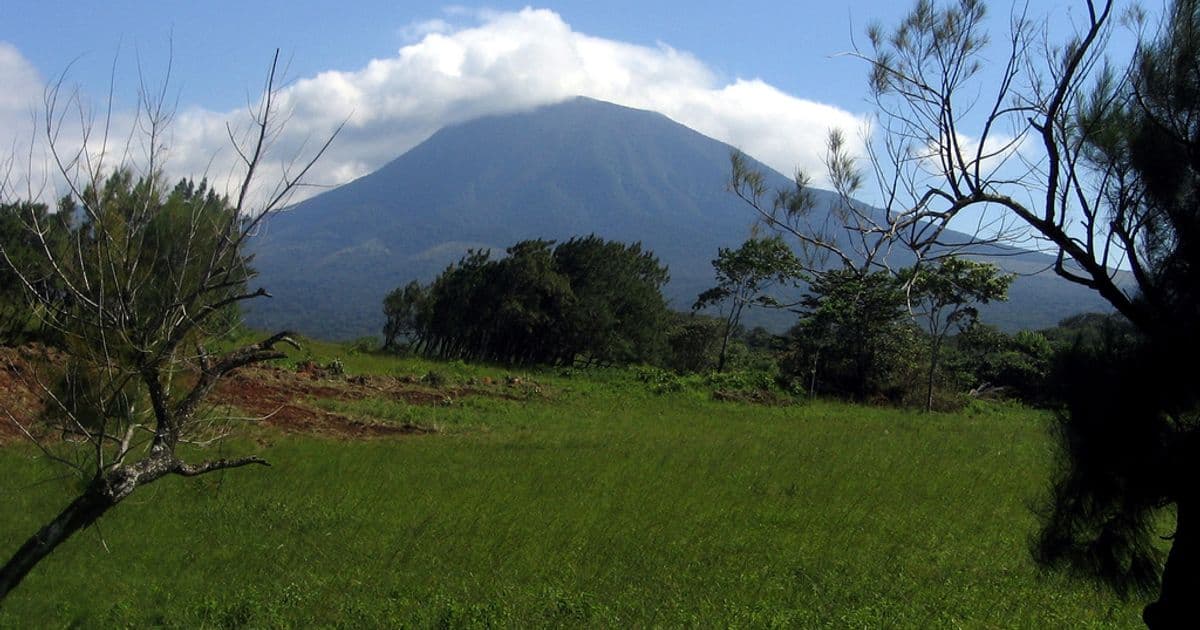
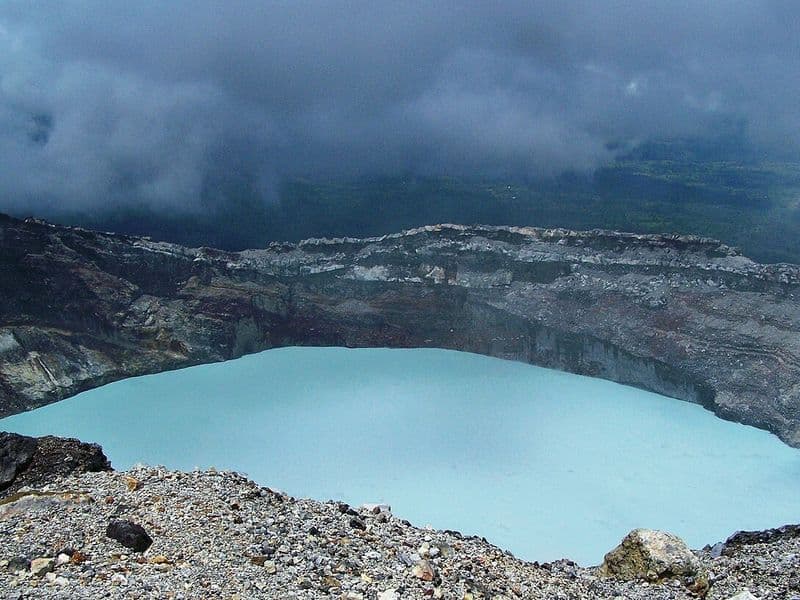
The most spectacular natural attraction near Liberia is Rincón de la Vieja Volcano National Park, located about 25 kilometers northeast of the city. The park protects the active Rincón de la Vieja volcano (1,916 meters) and the adjacent Santa María Volcano within a landscape of boiling mud pots (pailas), fumaroles, hot springs, waterfalls, and diverse tropical dry forest transitioning to cloud forest at higher elevations. The volcano last had a significant eruption in 2019 and continues to show regular activity, with small phreatic (steam) explosions occurring periodically.
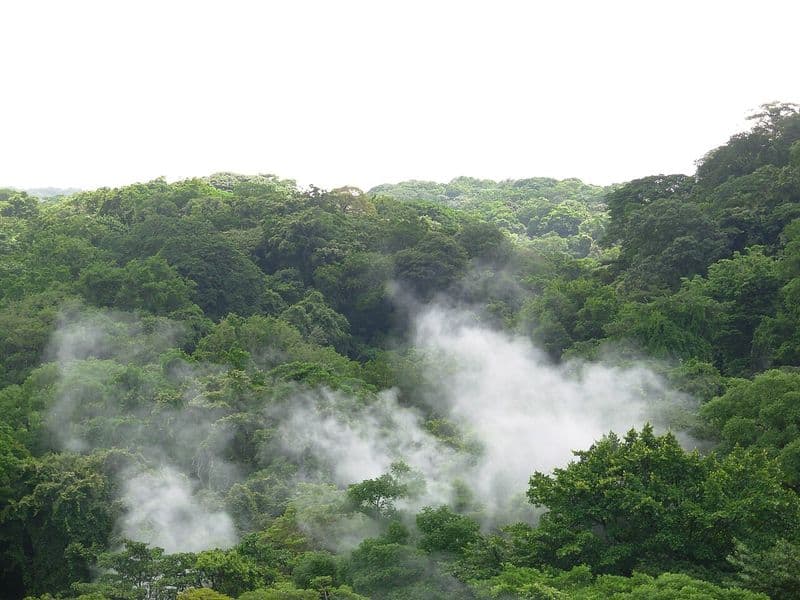
The park's Las Pailas sector, the most visited, features a well-maintained trail system that passes through a remarkable geothermal landscape with steaming vents, bubbling mud pools, and sulfur deposits. The trail to Catarata La Cangreja, a waterfall with a stunning turquoise pool suitable for swimming, is one of the most rewarding hikes in Guanacaste. Longer trails continue to the summit (a full day hike) and to the Pozo Azul spring. The Las Pailas sector is open Tuesday through Sunday; the Santa María sector on the volcano's south side provides access to hot spring pools.
Santa Rosa National Park, about 35 kilometers north of Liberia near the Nicaraguan border, protects the best remaining examples of tropical dry forest in Central America. The park contains Playa Nancite, one of the world's most important olive ridley sea turtle nesting beaches (though access is restricted to researchers), and the historic La Casona hacienda where Costa Rican forces repelled William Walker's filibuster army in 1856. The beaches of Witches Rock and Ollie's Point within the park's marine zone attract surfers from around the world.
Adventure Activities Near Rincón de la Vieja
The area around Rincón de la Vieja offers an excellent range of adventure tourism options. Hacienda Guachipelín, a large working cattle ranch adjacent to the national park, operates a full-day adventure package including white-water tubing, waterfall rappelling (canyoning), zip-lining, horseback riding, and natural hot spring pools. Río Negro (also called Río Pailas) white-water tubing through volcanic terrain is a particularly unique experience found only in this region. Several tour operators based in Liberia offer day trips combining multiple activities.
Practical Information for Visiting Liberia
Liberia is a fully functional city with comprehensive services including hospitals (Hospital Regional de Liberia is the main public facility; Hospital del Trauma is private), ATMs, pharmacies, supermarkets, and fuel stations. The climate is hot — considerably hotter than San José or the beaches — so if you are stopping in Liberia city itself during the dry season, expect temperatures of 30°C to 38°C (86°F to 100°F) in the afternoon hours from January through April. The heat moderates somewhat during the rainy season (May through November), though it remains warm and humid.
Most travelers use Liberia primarily as a transit point rather than a destination in itself, picking up rental cars at the airport and proceeding directly to beaches or national parks. However, the city's growing tourism infrastructure means there are now several good boutique hotels, international restaurants, and tour operators offering organized excursions. A one-night stay in Liberia allows for an early start to Rincón de la Vieja or the beaches the following morning without the time pressure of arriving late from the airport.
The city and surrounding region celebrate the Annexation of Guanacaste on July 25, a major regional holiday with festivities that include parades, topes (horse parades), fireworks, and cultural events that make for a memorable visit. Christmas and Easter week also bring significant activity to the region as Costa Ricans from San José travel to Guanacaste beaches in large numbers, making advance accommodation reservations essential during those periods.
Where to Eat in Liberia
Liberia offers a good range of dining options for a city of its size. Traditional Costa Rican sodas serving gallo pinto, casados, and fresh juice are found throughout the central area. The renovated historic district has several restaurants in converted colonial buildings offering local and international cuisine in attractive settings. El Café Liberia, housed in a beautifully restored colonial home, is a popular spot for coffee and meals. For street food, the area around the central market offers fresh tortillas with natilla (sour cream), chicharrones, and tropical fruit vendors.
Frequently Asked Questions
Should I fly into Liberia or San José?
If your primary destinations are Guanacaste beaches (Tamarindo, Nosara, Sámara, Playas del Coco, Flamingo, Papagayo), fly into Liberia (LIR) — it saves 3–4 hours of driving each way. If you plan to visit La Fortuna, Monteverde, Manuel Antonio, the Caribbean coast, or San José itself, fly into San José (SJO). For multi-region trips, consider flying into one airport and out of the other (open-jaw ticket) to avoid backtracking.
What is Liberia, Costa Rica known for?
Liberia is known as the "White City" for its colonial adobe architecture, as the capital of Guanacaste province with its sabanero (cowboy) culture, and as the gateway to the region's Pacific beaches and national parks. The nearby Rincón de la Vieja Volcano National Park is its most spectacular natural attraction, featuring active geothermal features, hot springs, waterfalls, and cloud forest. The city also celebrates the Annexation of Guanacaste (July 25) with major cultural festivities.
What is the nearest beach to Liberia?
The closest significant beach to Liberia city center is Playa Hermosa (Guanacaste), about 30 kilometers west (roughly 40 minutes by car). Playas del Coco is similarly close at about 35 kilometers. The beaches of the Papagayo Peninsula, including the Four Seasons resort area, are about 30–40 kilometers from the airport. All of these beaches offer calm Gulf of Papagayo waters ideal for swimming, snorkeling, and water sports.
How hot is Liberia, Costa Rica?
Liberia is one of the hottest cities in Costa Rica. During the dry season (January–April), afternoon temperatures regularly reach 33–38°C (91–100°F). Even during the rainy season (May–November), daytime highs of 28–32°C (82–90°F) are normal. The city sits in a tropical dry forest climate with very low humidity during the dry season. Mornings are considerably more comfortable than afternoons for outdoor exploration in Liberia city itself.
Can I visit Rincón de la Vieja as a day trip from Liberia?
Yes, Rincón de la Vieja National Park's Las Pailas sector is approximately 25 kilometers from Liberia and reachable in under an hour by car, making it an excellent day trip. The last section of road to the park entrance requires a 4WD vehicle, particularly after rain. The park is open Tuesday through Sunday (closed Mondays); entry requires payment of the national park fee. Arrive early — by 7:00 or 8:00 AM — to maximize wildlife sightings and complete longer trails before the afternoon heat peaks.