
Nosara Costa Rica: The Nicoya Peninsula's Surf and Wellness Capital
Nosara is a small community on the central Nicoya Peninsula in Guanacaste province that has become internationally renowned as a destination for surfing, yoga, wellness retreats, and wildlife conservation. Unlike the more developed beach towns of Guanacaste, Nosara has deliberately maintained strict development regulations that protect its wildlife corridors, keep commercial signage minimal, and preserve the natural character of its beaches and surrounding forest. The result is one of Costa Rica's most beautiful and ecologically intact beach communities.
Nosara's Beaches: Playa Guiones and Beyond
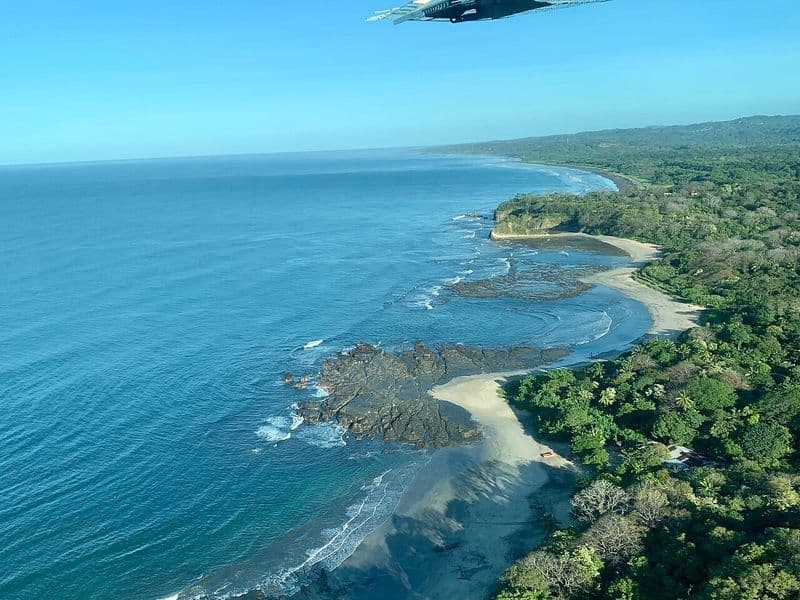
Nosara encompasses several distinct communities and beaches spread over about 30 kilometers of coastline in the Nicoya Peninsula. The main beach is Playa Guiones, a 7-kilometer arc of grey-brown sand backed by a protected wildlife refuge. Playa Guiones is the surf beach, with consistent beach break waves and enough space that even on busy days the crowd disperses. The beach is part of the Ostional Wildlife Refuge system and is protected from commercial development by both national park regulations and local zoning ordinances.
North of Guiones lies Playa Pelada, a much smaller, calmer cove more suitable for swimming, tide pool exploration, and watching pelicans fish. At the far north end of Pelada is a blowhole that shoots dramatic jets of water into the air when swells are large. Ostional beach, about 10 kilometers north of Nosara center, is one of the most significant olive ridley sea turtle nesting sites in the world. Massive arribadas (synchronized mass nestings) occur from July through December when thousands of turtles simultaneously emerge from the ocean to lay eggs over several nights.
The town of Nosara itself (the inland Tico community) is separate from the beach and has a traditional Costa Rican character quite different from the international tourist strip near Playa Guiones. Between the beach areas and the forest, Nosara has successfully maintained a network of wildlife corridors that allow animals to move between habitats. Howler monkeys, white-faced capuchins, iguanas, coatis, and a remarkable diversity of birds can be seen regularly within the community and on the beach itself.
The Ostional Turtle Arribadas
The olive ridley sea turtle arribadas at Ostional Wildlife Refuge, just north of Nosara, are one of Costa Rica's most extraordinary natural spectacles. During peak months (August through October), hundreds of thousands of turtles may emerge to nest over just a few nights. Unusually, Ostional is the only place in Costa Rica where the harvesting of newly laid turtle eggs is legally permitted under a strict community management program — the Ostional Development Association (ADIO) allows locals to harvest eggs from the initial days of an arribada (when many eggs would be destroyed by subsequent nesting turtles anyway) as part of a sustainable management approach. Guided night tours are available to witness the nesting without disturbing the turtles.
Surfing in Nosara
Nosara has earned a reputation as one of the best places in the world to learn to surf, and it is simultaneously excellent for intermediate and experienced surfers. Playa Guiones offers a consistent, well-shaped beach break with waves ranging from gentle whitewash in the inner sand bars suitable for beginners to powerful overhead peaks for experienced surfers. The swell is most consistent from May through November (the rainy season), when northwest Pacific swells wrap into the Nicoya Peninsula, though the dry season also produces good waves on optimal swell days.
The surf school scene in Nosara is well-developed, with dozens of professionally run schools offering lessons for all levels. The beach is wide and long enough that beginner zones and advanced zones naturally separate, reducing conflicts. Several schools also offer multi-day surf camp packages that combine daily lessons, accommodation, meals, and other activities like yoga or stand-up paddleboarding. The warm water temperature (around 26–29°C year-round) means no wetsuit is required, making Nosara particularly accessible for first-time surfers who might feel intimidated by cold-water conditions.
Beyond Playa Guiones, experienced surfers can access more challenging breaks in the region. Playa Rosada (also called Playa Guiones North or Punta Guiones) at the rocky northern end of Guiones provides a reef break that works on larger swells. The Nicoya Peninsula as a whole has numerous surf spots accessible by 4WD, and a surf guide service can help experienced surfers discover less-crowded waves in the surrounding area. The Nosara Surf Club organizes local competitions and community events around surfing throughout the year.
Surf Season and Wave Conditions
Nosara receives swell from multiple directions throughout the year, giving it a longer consistent surf season than many Costa Rican destinations. The rainy season (May–November) produces the most powerful and consistent swells from northwest groundswells. The dry season (December–April) can have flat spells interrupted by powerful swell events. Surf forecasting apps like Surfline and Magic Seaweed provide reasonably accurate forecasts for the Guiones area. Morning sessions before the daily onshore wind develops are generally preferred for cleaner wave faces.
Yoga and Wellness in Nosara
Nosara is arguably the yoga capital of Costa Rica and one of the most renowned yoga destinations in the Americas. The Nosara Yoga Institute (now operating as the Nosara Life Yoga Retreat) has been teaching yoga teacher training programs since 1994 and trained hundreds of instructors who have gone on to teach worldwide. This early establishment of quality yoga education helped build Nosara's international reputation as a serious wellness destination rather than just a beach resort.
Today, Nosara has dozens of studios, retreat centers, and wellness operations offering everything from Ashtanga and Vinyasa to Yin yoga, meditation retreats, breathwork, sound healing, and plant medicine ceremonies. The Harmony Hotel, The Gilded Iguana, Bodhi Tree Yoga Resort, and numerous smaller retreat centers offer dedicated yoga programming combined with accommodation. Many of these centers have pools, organic food menus, and spa treatments that integrate seamlessly with daily yoga practice.
The wellness culture in Nosara extends beyond yoga. The community has a notably health-conscious food culture, with organic restaurants, cold-pressed juice bars, raw food cafes, acai bowl spots, and vegan options widely available. The combination of surf, yoga, organic food, and natural surroundings has attracted a significant community of wellness practitioners, digital nomads, and long-term expats who have made Nosara their home, contributing to its cosmopolitan yet nature-focused atmosphere. Annual wellness festivals and retreats draw international participants throughout the year.
Yoga Teacher Training in Nosara
Nosara's reputation for serious yoga education makes it a popular destination for 200-hour and 300-hour Yoga Alliance-certified teacher training programs. Several centers including the Nosara Life Yoga Retreat and Bodhi Tree offer immersive month-long trainings that combine daily practice, philosophy study, anatomy, and teaching methodology in an environment designed for deep learning. The combination of physical wellness, natural surroundings, and supportive community makes Nosara an ideal setting for these transformative programs.
Wildlife and Nature Around Nosara
One of Nosara's most distinctive features is the integration of wildlife habitat within the community itself. The Reserva Biológica Nosara, a private nature reserve at the mouth of the Nosara River, protects a critical mangrove estuary that serves as habitat for crocodiles, birds, monkeys, and numerous aquatic species. Guided kayak and boat tours through the estuary provide excellent wildlife watching opportunities in a serene setting. The tides create constantly changing water levels in the mangroves, and early morning tours when water birds are most active are the most productive.
Howler monkeys (the loudest land animals in the Western Hemisphere) are perhaps the most iconic wildlife of Nosara, and their calls echo through the forest and community at dawn and dusk. Troops of howlers regularly cross roads using wildlife corridors and move through the trees above the beach. White-faced capuchin monkeys are also common and are often seen near restaurants and resorts, though feeding them is discouraged. The beach itself has nesting olive ridley sea turtles during peak months, and marine iguanas, sea birds, and occasional crocodiles from the estuary are seen near the river mouth.
The forest surrounding Nosara, though fragmented by development, supports a remarkable bird list. Over 270 bird species have been recorded in the Nosara area, including scarlet macaws (present year-round in small flocks), roseate spoonbills, great blue herons, and numerous shorebirds on the beach. The early morning and late afternoon hours are best for birdwatching, and several local guides offer specialized birding tours through the estuary, beach, and forest habitats. The Nosara community has been proactive in maintaining wildlife corridors between properties to allow animals to move safely through the area.
Estuary Kayaking
Kayaking through the Nosara River estuary and mangroves is one of the best wildlife experiences in the area. The narrow mangrove channels open into wider estuary pools where crocodiles sun on the banks, kingfishers dart between branches, and troops of monkeys move through the canopy overhead. Several operators offer guided kayak tours departing from the beach near the river mouth, typically lasting two to three hours. Tide timing matters significantly — mid-incoming or outgoing tides provide the best water levels for navigating the mangrove channels.
Where to Stay and Eat
Nosara has accommodation across a wide range of budgets, from simple surfer hostels near the beach to boutique eco-lodges and luxury villas hidden in the forest. The Harmony Hotel is consistently rated among the best eco-boutique hotels in Costa Rica, with an open-air design integrating the surrounding trees and garden into the hotel experience, an excellent pool, and a superb restaurant. The Gilded Iguana is a longtime favorite offering a lively bar, good food, a surf school, and comfortable mid-range rooms. Villa Mango and Casa Romantica are well-regarded mid-range options.
For long-term stays and those wanting more space, Nosara has a well-developed vacation rental market with dozens of houses and villas bookable through Airbnb and VRBO. Many of these are set in the forest with private pools, offering a more immersive nature experience. During peak season (December–April) and holidays like Easter week and Christmas, accommodation fills quickly and prices rise significantly; booking three to six months in advance is advisable for popular properties.
The food scene in Nosara has grown considerably sophisticated while maintaining a health-conscious focus. La Luna restaurant at the north end of Playa Pelada offers Mediterranean-influenced cuisine with ocean views in a beautiful setting perched above the beach. Café de Paris is a longtime institution serving excellent pastries and French-influenced food. Il Basilico offers Italian cuisine popular with the expat community. For casual beachside eating, several kiosks and simple restaurants near the beach parking area serve traditional Costa Rican food at local prices.
Nosara Farmers Market
Nosara's weekly farmers market, held on Saturday mornings near the town center, has become a community institution. Local vendors sell organic produce, homemade baked goods, artisan cheeses, medicinal herbs, prepared foods, and handmade crafts. The market reflects the health-conscious, community-oriented culture of Nosara and is a pleasant social gathering point for both residents and visitors. Shopping at the market supports local farmers and producers and provides an opportunity to connect with the community beyond the tourist infrastructure.
Getting to Nosara and Practical Tips
Nosara is located approximately 300 kilometers from San José and about 120 kilometers from Liberia airport. The drive from Liberia typically takes 2.5 to 3 hours, covering a mix of paved and unpaved roads. The final approach to Nosara via the main road from Nicoya involves significant sections of unpaved, rutted road that requires a 4WD vehicle, particularly during the rainy season. Road conditions improve periodically as sections are paved, but as of 2025, some unpaved sections remain. A 4WD vehicle is strongly recommended for visiting Nosara.
Sansa Airlines operates scheduled domestic flights connecting Nosara's small airstrip with San José (Juan Santamaría Airport, SJO) in approximately 40 minutes. This is by far the easiest way to reach Nosara, eliminating several hours of rough driving. Flights fill quickly during peak season, and booking well in advance is advised. Green Airlines also serves the Nosara route. Shared shuttle services from San José, Liberia, La Fortuna, and other major destinations are available through companies like Gray Line and Interbus, though the shuttle journey is considerably longer than flying.
Nosara has limited banking infrastructure — there is one Banco Nacional ATM that frequently runs out of cash during peak season. Bringing sufficient cash (colones and dollars) from Liberia or San José is strongly recommended. Credit cards are accepted at most hotels and nicer restaurants but not at all local businesses. The cell phone coverage in Nosara is reasonable with Kolbi and Claro networks, but can be slow. Wi-Fi at hotels and cafes is generally adequate for basic communication and work but may not support video calls reliably.
Flying vs. Driving to Nosara
For many travelers, flying to Nosara on a domestic Sansa flight from San José is worth the added cost (typically $80–120 USD each way per person) given the time and road conditions involved in driving. A family of four might find that the cost of flying is offset by the savings in rental car costs (a 4WD required for driving costs significantly more) and the value of avoiding a half-day of rough road travel. For those who want to explore the entire Nicoya Peninsula by road, renting a 4WD and driving is a more flexible option that allows stops along the way.
Frequently Asked Questions
Is Nosara good for beginner surfers?
Yes, Nosara is widely considered one of the best places in the world to learn to surf. Playa Guiones offers a long, sandy beach break with gentle inner breaks for beginners and more powerful waves for advanced surfers, spread over 7 kilometers so there is always room. The water is warm year-round (no wetsuit needed), and Nosara has dozens of excellent, professionally run surf schools offering lessons for all levels. The wide, flat beach also makes wipeouts less dangerous than at reef breaks.
Do I need a 4WD to get to Nosara?
Yes, a 4WD vehicle is strongly recommended for driving to Nosara. The roads leading to the community include significant unpaved sections that become very muddy and sometimes impassable in a standard 2WD vehicle during the rainy season. Even during the dry season, the rough unpaved roads can damage standard car undersides. Many travelers choose to fly on Sansa Airlines (approximately 40 minutes from San José) instead of driving to avoid the road challenges and save considerable time.
What is the best time of year to visit Nosara?
Nosara is a year-round destination, but the experience differs by season. The dry season (December–April) offers reliably sunny weather and is the peak tourist period, with higher prices and fuller accommodation. The green season (May–November) brings lush vegetation, the best surf, sea turtle nesting season at nearby Ostional, and significantly lower prices, with rain mostly falling in afternoon and evening showers. Many experienced visitors prefer the October–November shoulder season for a balance of good weather, excellent surf, and quieter beaches.
Can I see sea turtles in Nosara?
Yes. The nearby Ostional Wildlife Refuge, about 10 kilometers north of Nosara, hosts massive olive ridley sea turtle arribadas (synchronized mass nestings) from July through December, peaking from August through October. Guided night tours from Nosara are available to witness the nesting without disturbing the turtles. Individual turtles also occasionally nest on Playa Guiones itself. The community takes turtle conservation seriously, with lighting restrictions on the beach during nesting season.
Is Nosara suitable for families with children?
Nosara is an excellent family destination. Playa Guiones is wide and generally safe for families (though always respect rip currents and beach safety guidelines). The abundant wildlife — monkeys, iguanas, birds, and possible sea turtle sightings — captivates children. Playa Pelada is calmer than Guiones and better for young children's swimming. Several surf schools offer kids' lessons, and the community's health-conscious food culture means good family-friendly dining options are plentiful. The main consideration is the rough road access, which can be uncomfortable for young children in the back of a 4WD.