
Nature & Wildlife
Costa Rica's incredible biodiversity, from howler monkeys to quetzals, volcanoes to rainforests.
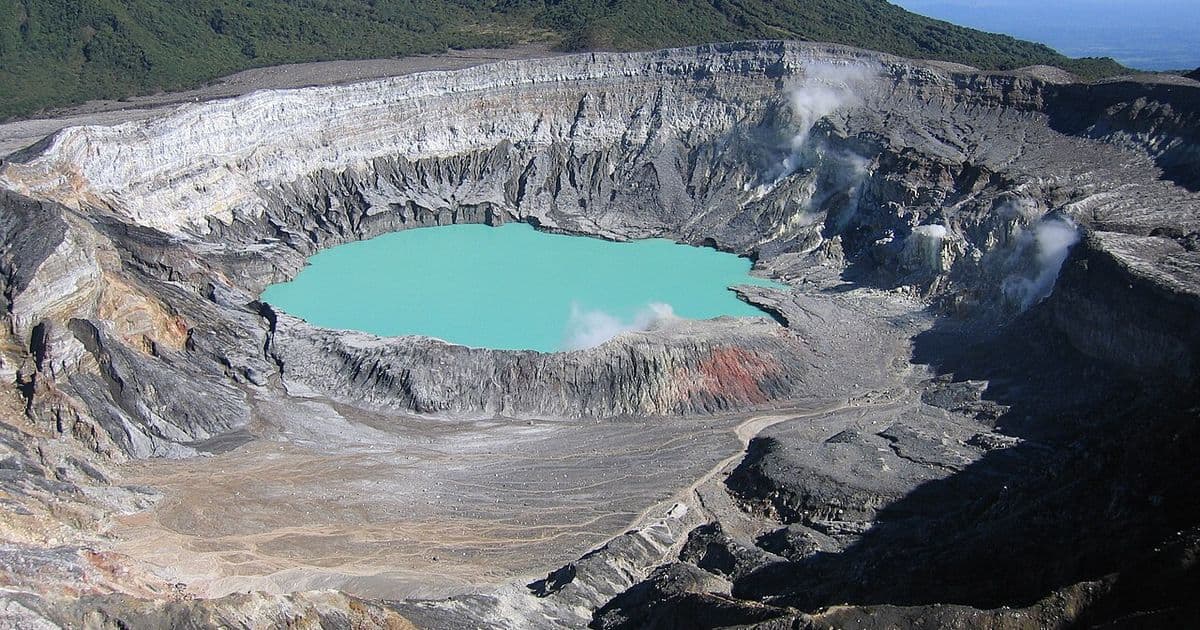
Poás Volcano Costa Rica Travel Warning: What Visitors Need to Know
Poás Volcano is one of Costa Rica's most visited but unpredictable natural attractions, with active eruptions and frequent closures requiring visitors to check official travel warnings before every trip.
Read guide →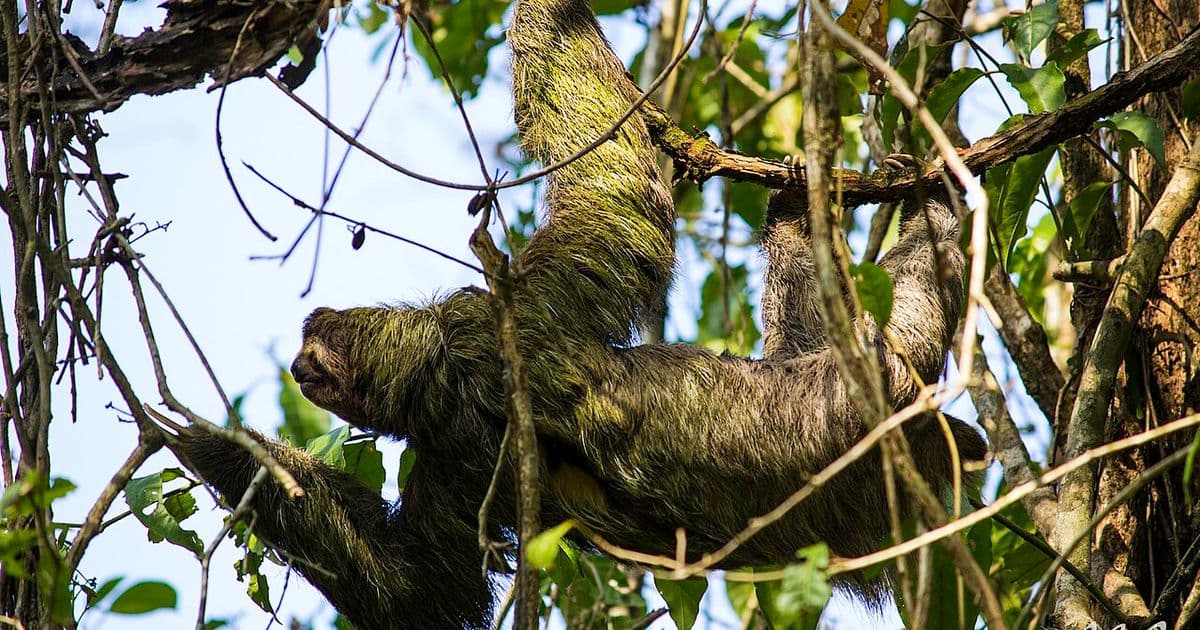
Costa Rica Animals: A Complete Guide to Wildlife You Can See
Costa Rica harbors nearly 6% of the world's biodiversity, offering visitors remarkable wildlife encounters from sloths and sea turtles to scarlet macaws and jaguars across its protected rainforests, cloud forests, and coastal ecosystems.
Read guide →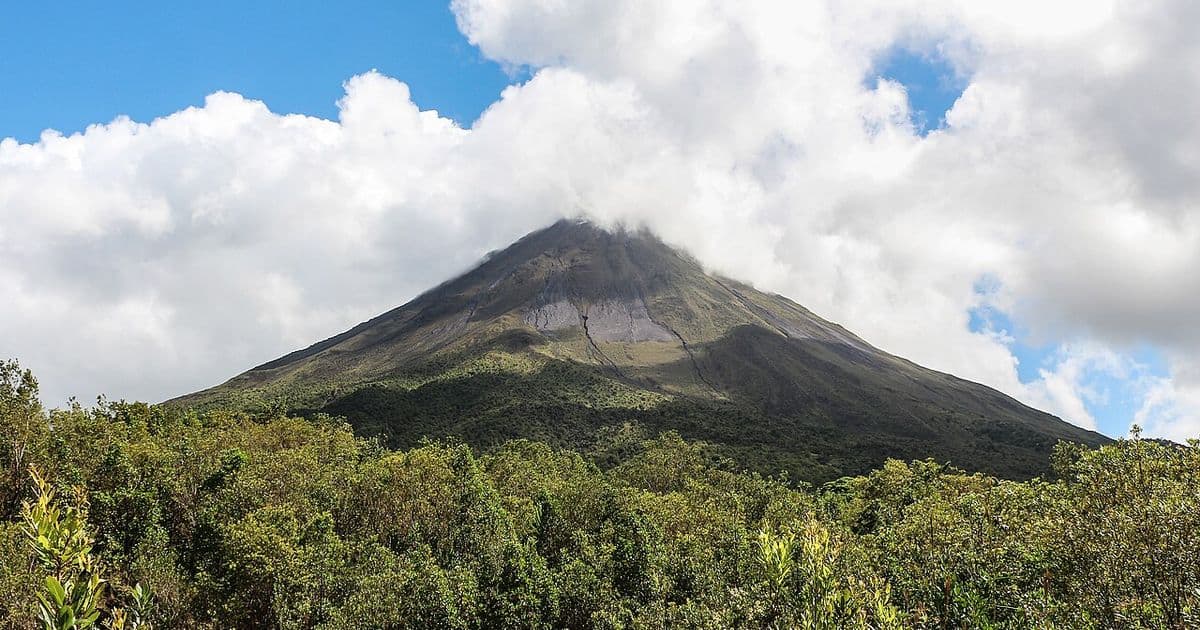
Costa Rica Volcano Guide: Active Peaks, Hikes, and What to Expect
Costa Rica is home to five active volcanoes — Arenal, Poás, Rincón de la Vieja, Irazú, and Turrialba — each offering a unique window into the country's dramatic geological history and stunning volcanic landscapes.
Read guide →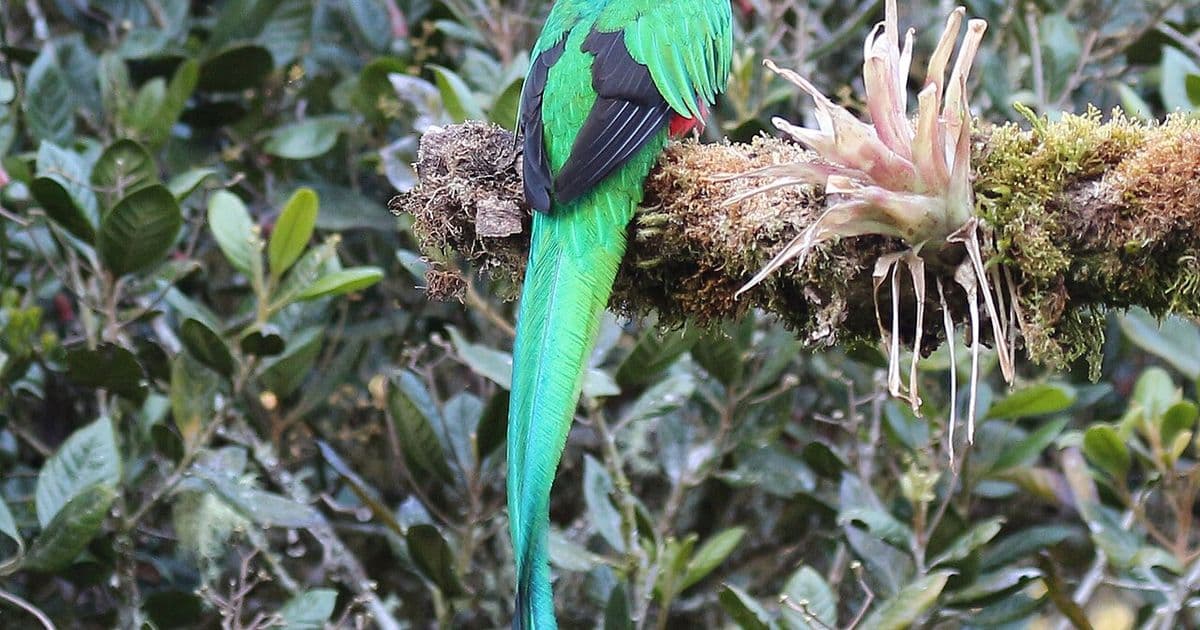
Costa Rica Birds: A Complete Guide to 900+ Species and Where to Find Them
With over 900 recorded species across habitats ranging from Pacific dry forest to Caribbean cloud forest, Costa Rica offers some of the finest and most accessible birdwatching on Earth.
Read guide →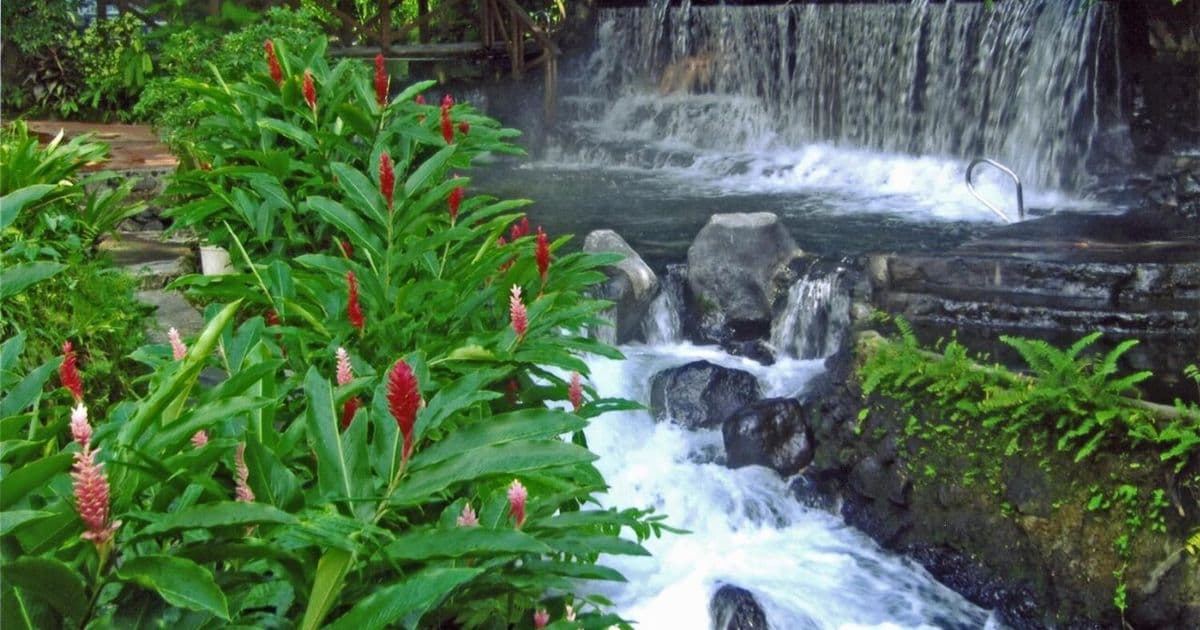
Costa Rica Hot Springs: The Best Geothermal Pools and Where to Find Them
Costa Rica's active volcanoes generate natural geothermal hot springs ranging from luxurious resort pools beneath Arenal Volcano to free natural river springs, offering therapeutic soaking experiences in spectacular tropical settings.
Read guide →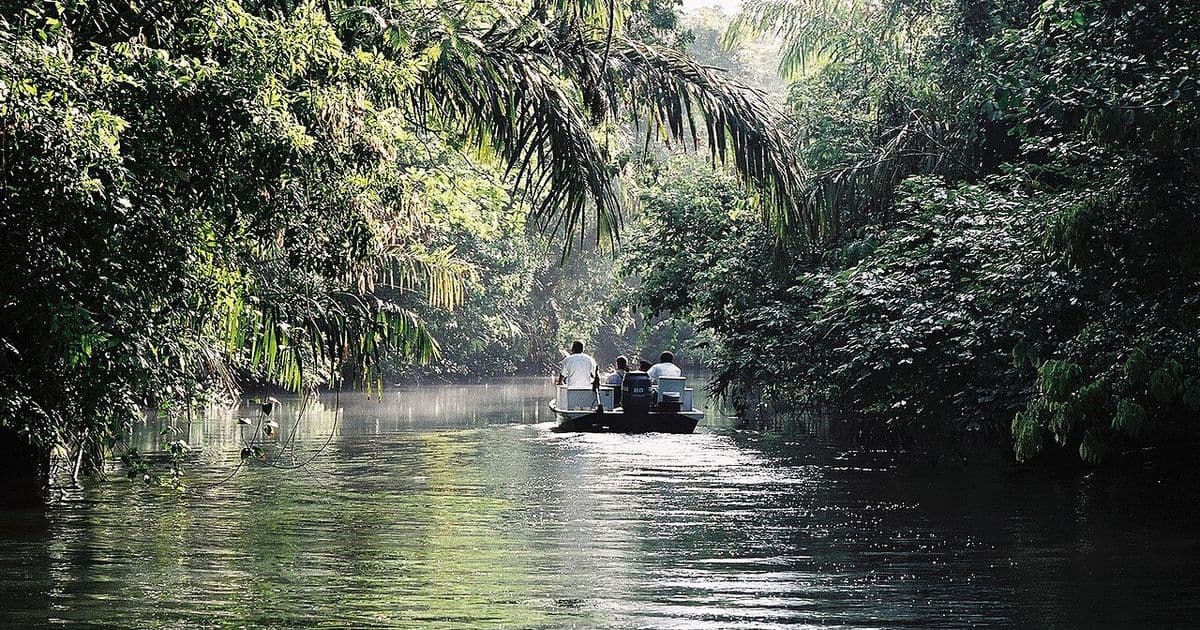
Costa Rica National Parks: The Complete Guide to the Country's Best Protected Areas
Costa Rica's 29 national parks protect over 26% of the country's territory across ecosystems from Pacific dry forest to Caribbean rainforest, sheltering extraordinary wildlife and offering some of the finest ecotourism experiences in the world.
Read guide →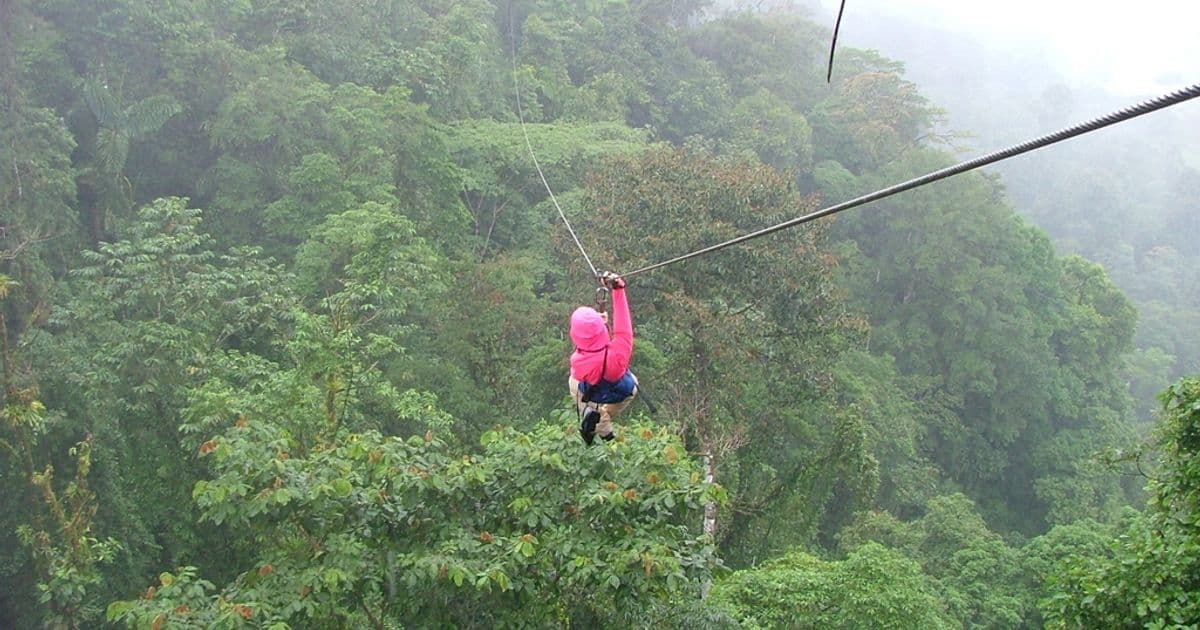
Costa Rica Rainforest: A Complete Guide to the World's Most Biodiverse Forests
Costa Rica's rainforests — encompassing lowland tropical forest, cloud forest, and dry forest — shelter an estimated 6% of Earth's biodiversity and have been restored from critical deforestation to cover more than half the country's territory.
Read guide →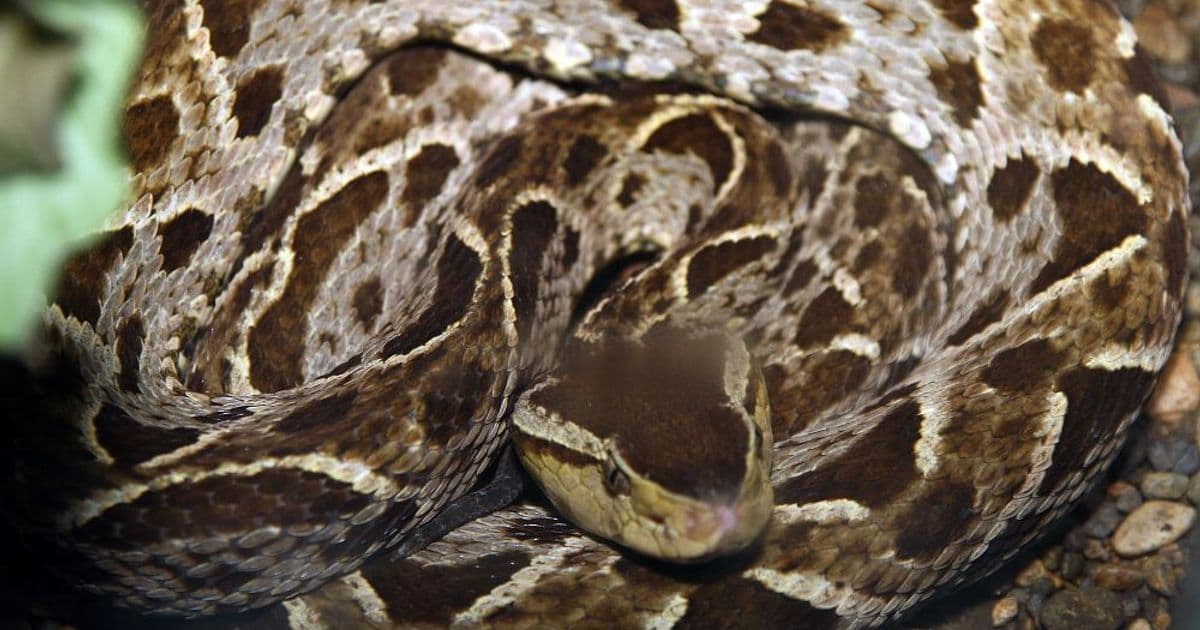
Costa Rica Snakes: Species Guide, Venomous Risks, and Safety Tips
Costa Rica is home to over 140 snake species including the feared fer-de-lance and bushmaster, but basic precautions make wildlife encounters safe for visitors exploring the country's remarkable natural habitats.
Read guide →
Costa Rica Jungle: Wildlife, Guided Hikes, and the Best Jungle Experiences
Costa Rica's jungles — spanning Pacific lowlands, Caribbean rainforest, and volcanic cloud forests — offer some of the world's most accessible and rewarding wildlife encounters, from sloth-spotting and monkey watching to night walks and white-water adventures.
Read guide →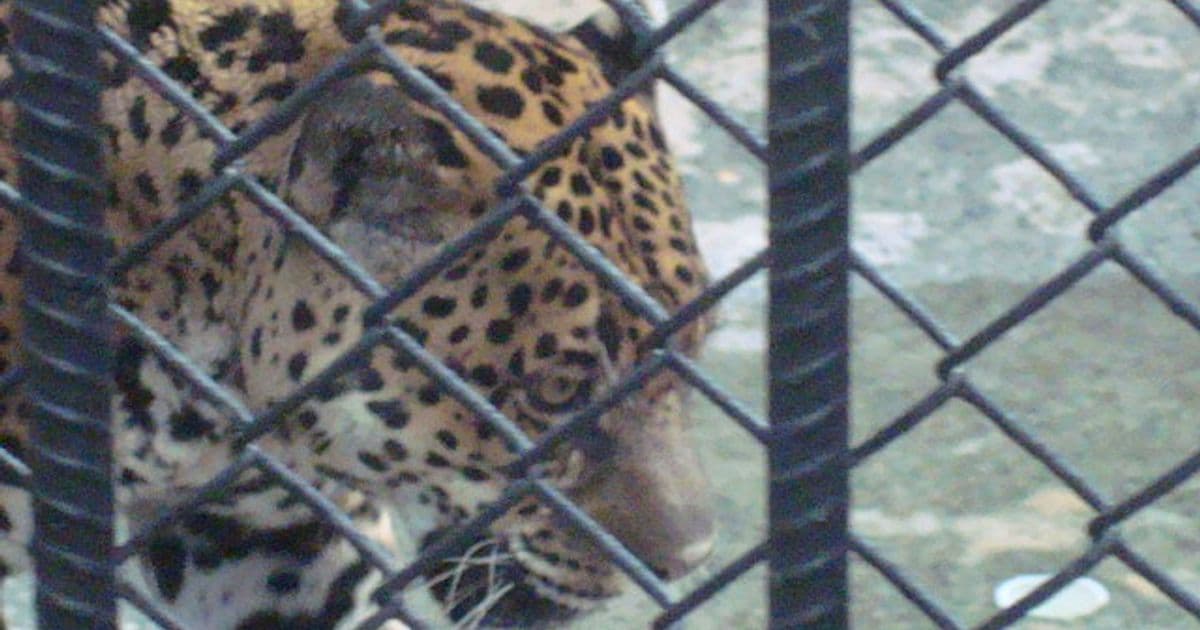
Jaguar Costa Rica: Habitat, Conservation, and Where They Roam
Costa Rica's jaguar population — estimated at fewer than 60 individuals concentrated in Corcovado National Park and the Talamanca highlands — represents one of the most endangered large cat populations in the Americas and a powerful symbol of the country's conservation challenges.
Read guide →
Costa Rica Jungle Resorts: Top Eco-Lodges and Jungle Hideaways
Costa Rica jungle resorts range from basic eco-lodges deep in Corcovado's wilderness to luxury treehouses overlooking Arenal Volcano, offering every level of comfort alongside exceptional wildlife encounters and expert naturalist guiding.
Read guide →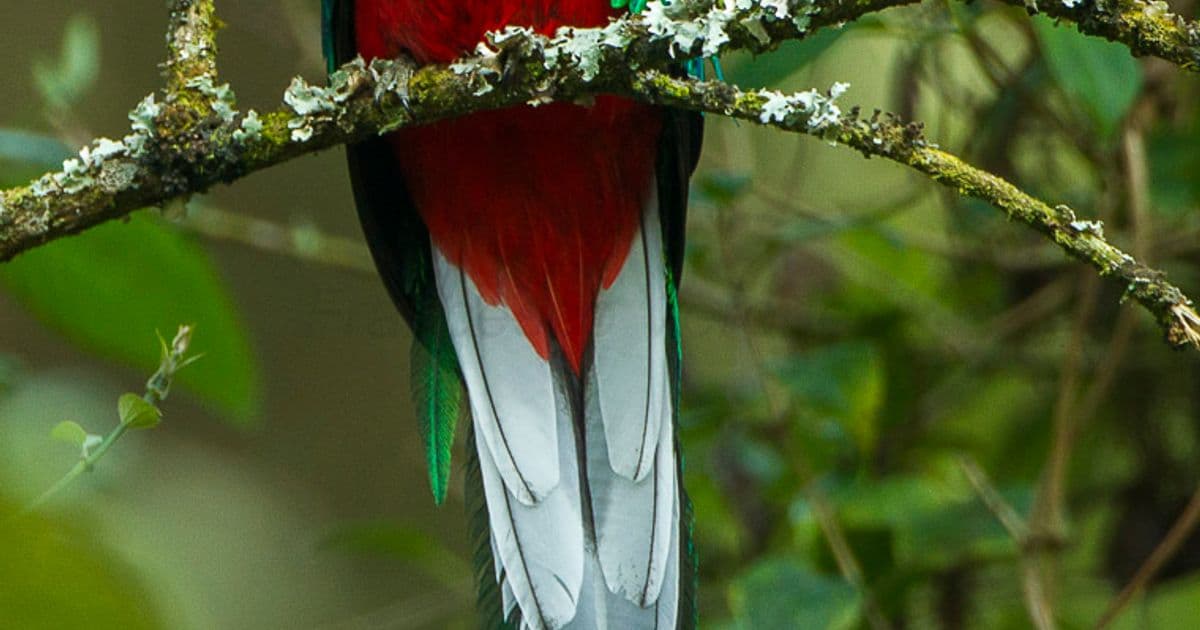
Quetzal Costa Rica: Finding the Resplendent Quetzal in Cloud Forest
The resplendent quetzal — with its iridescent emerald plumage and spectacular meter-long tail feathers — is Costa Rica's most sought-after bird, reliably observed in cloud forest destinations like San Gerardo de Dota during the breeding season from January through May.
Read guide →
Costa Rica Quetzal Bird: Biology, Habitat, and the Best Places to See One
The Costa Rica quetzal bird — the resplendent quetzal — is celebrated as one of the most beautiful birds on Earth, with males displaying shimmering green plumage and meter-long tail plumes in cloud forests above 1,500 meters, most reliably seen at San Gerardo de Dota during the January-to-May breeding season.
Read guide →