
Costa Rica Hot Springs: The Best Geothermal Pools and Where to Find Them
Costa Rica's active volcanoes heat underground aquifers to create natural hot springs that emerge throughout the country, offering some of the most relaxing and scenically dramatic thermal bathing experiences in the Americas. From the world-famous resort pools along the Tabacón River beneath Arenal Volcano to secluded jungle springs in the Guanacaste highlands, Costa Rica hot springs cater to every preference and budget. The combination of volcanic heat, lush tropical surroundings, and the country's natural beauty makes a hot spring visit an essential part of any Costa Rica itinerary.
How Costa Rica's Hot Springs Are Formed
Costa Rica's hot springs are a direct product of the country's volcanic geology. The country sits on the Pacific Ring of Fire, where the Cocos tectonic plate subducts beneath the Caribbean plate. This subduction generates immense heat within the earth's crust, which warms groundwater as it percolates through volcanic rock formations. The heated water then rises through fractures and vents in the earth's surface, emerging as thermal springs at temperatures ranging from a comfortable 35°C to a scalding 100°C in the most active hydrothermal zones.
The mineral content of hot spring water varies considerably depending on the rock formations the water passes through. Springs near volcanic calderas tend to be highly acidic and rich in sulfur compounds — similar to the water in Poás Volcano's crater lake — and are not suitable for bathing. The hot springs developed as tourism facilities, particularly around Arenal, draw from deeper aquifers where the water is neutralized and enriched with beneficial minerals including calcium, magnesium, bicarbonate, and silica. These minerals are believed to have therapeutic effects on skin, muscles, and joints, though the scientific evidence for specific health claims varies.
Costa Rica's hydrothermal systems are concentrated in three main regions: the northern lowlands around Arenal Volcano near La Fortuna, the Guanacaste highlands around Rincón de la Vieja Volcano, and the central highlands near Poás and Barva volcanoes. Each region has distinct characteristics in terms of water temperature, mineral composition, and the surrounding landscape. The Arenal area is by far the most developed for hot spring tourism, with numerous resorts, day spas, and natural river pools competing for visitor attention.
Mineral Benefits of Geothermal Waters
The thermal waters around Arenal are notably high in bicarbonate and calcium, with a neutral to slightly alkaline pH. Many visitors report improvements in skin softness and muscle relaxation after soaking, effects that are plausibly connected to the mineral content and heat of the water. The thermal gradient — sitting in hot water at 38–42°C — promotes vasodilation, increasing blood flow to the skin and muscles. Whether for therapeutic benefit or simply for relaxation in a stunning setting, the hot springs near Arenal attract hundreds of thousands of visitors annually.
Arenal Volcano Hot Springs: The Most Famous
The corridor between La Fortuna town and the western shore of Arenal Lake, a stretch of approximately 12 kilometers along Route 142, is home to the densest concentration of hot spring resorts in Costa Rica. The thermal water here is heated by magmatic activity deep beneath Arenal Volcano and carries a distinctive mineral character that has been channeled into pools, rivers, and spa facilities at numerous resorts ranging from budget-friendly to ultra-luxury.
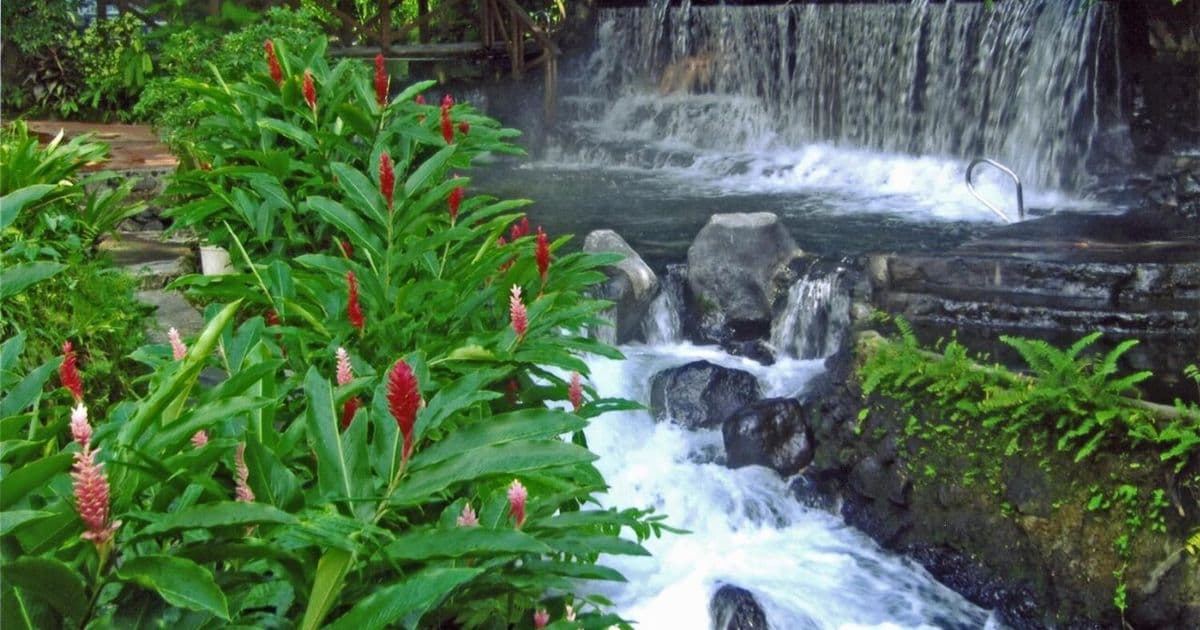
Tabacón Grand Spa Thermal Resort is the most famous and most visited hot spring resort in Costa Rica. Set in a tropical garden along the Tabacón River, the resort channels natural thermal river water into a series of pools at varying temperatures, surrounded by lush vegetation, waterfalls, and swim-up bars. The resort offers both day passes and packages for hotel guests. Despite being on the more expensive end of Arenal hot spring options, Tabacón draws visitors from around the world for its combination of natural beauty, quality facilities, and the dramatic backdrop of Arenal Volcano's cone.
Baldi Hot Springs, located closer to La Fortuna, is the largest hot spring complex in Costa Rica with 25 pools across a terraced hillside at temperatures between 37°C and 67°C. Baldi caters to a more diverse visitor profile with affordable day passes, a waterslide complex popular with families, swim-up bars, and a large restaurant serving Costa Rican cuisine buffet-style. Ecotermales Fortuna offers a more intimate experience with a limited number of guests permitted at one time, preserving a peaceful atmosphere in a well-maintained garden setting with pools at naturally heated temperatures.
The Natural Hot Springs on the Tabacón River
Before the development of the major resorts, the Tabacón River itself was used as a natural hot spring by local communities. The river flows from geothermal vents on the lower flanks of Arenal Volcano and merges with cooler tributary streams, creating stretches of warm river water at natural temperatures. Some tour operators and independent travelers access stretches of the river for free bathing, though access points vary and should be confirmed with local operators. The natural river experience differs significantly from resort facilities but provides an authentic connection to the geothermal landscape.
Budget Hot Springs Near La Fortuna
Several affordable alternatives to the major resorts serve visitors on tighter budgets. The El Choyin thermal pools offer day passes at a fraction of the cost of Tabacón. The springs at Los Perdidos near La Fortuna include a cold plunge option adjacent to the thermal pools — a contrast bathing experience popular with health-conscious visitors. Many hotels in La Fortuna also have their own smaller thermal pools included in the room rate, making hot spring access essentially free for guests. A local guide or hotel receptionist can recommend the current best value options, as pricing and quality at smaller facilities changes frequently.
Rincón de la Vieja Hot Springs in Guanacaste
Rincón de la Vieja Volcano in the province of Guanacaste generates its own hydrothermal systems distinct from those near Arenal. The volcanic activity here produces a more acidic, sulfur-rich thermal environment. The famous Las Pailas sector of Rincón de la Vieja National Park features boiling mud pools, steam vents, and hot sulfur springs that are strictly for observation — the water is far too hot and acidic for bathing. However, geothermal heat from the same volcanic system warms springs and seeps at lower elevations that have been developed into bathing facilities on private haciendas surrounding the park.
Several adventure haciendas in the Guanacaste highlands near the park offer hot spring pools as part of their resort amenities, typically combined with adventure activities including canopy zip lines, white-water tubing on the Río Negro, horseback riding, and ATV tours. Hacienda Guachipelín and Hotel Borinquen Mountain Resort are two of the most established properties offering hot spring facilities with Rincón de la Vieja as a backdrop. The Guanacaste setting — dry forest, rolling hills, and a seasonally golden landscape — creates a very different aesthetic from the lush rainforest environment of the Arenal hot springs.
The Río Negro, a volcanic river that runs dark from dissolved minerals and has a noticeably warm temperature, offers a unique hot spring tubing experience available through haciendas near the park. Participants float down the river on inner tubes, soaking in geothermally heated water while passing through secondary dry forest. The mineral-rich water is said to be beneficial for skin conditions, and the dark color of the water — caused by tannins and volcanic minerals — has given the experience a distinctive visual character that photographs dramatically.
Río Negro Hot River Tubing
The Río Negro hot river tubing experience is one of the most unique geothermal activities in Costa Rica. The river water, which emerges from volcanic springs on Rincón de la Vieja's flanks, is naturally warm and dark. Tubing tours typically last 1 to 2 hours and cover several kilometers of river through forest. The experience combines relaxation, gentle natural water activity, and a connection to the volcanic landscape. Several haciendas including Hacienda Guachipelín offer the tubing as part of multi-activity day packages.
Free and Natural Hot Springs in Costa Rica
Beyond the developed resorts, Costa Rica has a number of locations where natural thermal water can be accessed for free or minimal cost. These natural springs are less consistently maintained and may have variable temperatures and water quality, but they offer an authentic alternative to the commercial resort experience and are particularly popular with budget travelers and backpackers.
Near the town of Fortuna de San Carlos (La Fortuna), a small natural thermal pool known locally as 'the free hot springs' is accessible via a short trail from the roadside on Route 142. The pool is formed where a thermal seep meets the river, creating a warm zone suitable for bathing. The facilities are minimal — no changing rooms or services — but the experience is genuine and free. Access and quality of natural pools varies seasonally as flooding can alter pool configurations, so asking at a La Fortuna hostel for current directions is advisable.
At the base of Rincón de la Vieja, the Río Blanco has stretches of geothermally warmed water accessible from unmarked paths. The Miravalles Volcano area in Guanacaste, while less developed for tourism, has numerous thermal seeps and small spring pools accessible from rural roads. The Miravalles geothermal power plant, one of the largest in Central America, harnesses the same thermal energy that creates the natural springs in the area — a reminder of the practical energy value of Costa Rica's volcanic geology alongside its tourism appeal.
Safety Considerations at Natural Springs
Unmanaged natural hot springs require more caution than resort facilities. Water temperatures at natural vents can be dangerously high — some surface springs emerge at near-boiling temperatures. Always test water temperature carefully before entering and never immerse yourself in a spring without verifying the temperature is safe. Natural springs may also have higher sulfur and mineral content than resort pools. Water quality testing is not typically performed at informal natural sites, so those with open skin wounds or compromised immune systems should exercise caution.
Hot Spring Resorts: What to Expect
Costa Rica's major hot spring resorts typically operate with both day passes and hotel packages. Day passes include access to all thermal pools, changing facilities, towels (at most resorts), and sometimes a meal credit at the on-site restaurant. Pool temperatures at well-run facilities are carefully managed and range from cool dipping pools at around 28°C to very hot therapeutic pools at 42°C or higher. Most resorts have multiple pools at different temperatures to allow guests to move between hot and cool water, a contrast bathing practice that many people find particularly refreshing.
Nighttime visits to the hot springs are extremely popular and create a different atmosphere from daytime visits. The volcanic landscape, illuminated by soft lighting in the pool gardens, with steam rising from the water and the silhouette of Arenal Volcano visible against a clear night sky, provides an experience that many visitors rate as one of the highlights of their entire Costa Rica trip. Most resorts are open until 10 p.m. or midnight, and some tour operators specifically offer evening hot spring packages that combine dinner with a night at the pools.
Quality and pricing among Arenal-area resorts varies considerably. The premium resorts — Tabacón, Manantiales, and The Royal Corin — offer refined facilities, excellent restaurants, and a limited number of guests for a more exclusive experience. Mid-range options like Baldi, Springs Resort, and Ecotermales offer excellent value and facilities suitable for families and groups. Budget options closer to La Fortuna town are perfectly functional for a relaxing soak without the full resort experience. Day pass prices as of recent years ranged from approximately $20 for budget options to $100 or more per person at premium facilities.
Hot Springs with Volcano Views
Several resorts are specifically positioned to maximize views of Arenal Volcano from the thermal pools. The Springs Resort and Spa, located on a hillside with a direct sightline to Arenal's cone, offers multi-tiered pools descending a forested slope with the volcano as a backdrop. The Nayara Springs resort provides private plunge pool access for each suite, creating an intimate experience with panoramic volcano views. On clear days — most common in the morning before cloud build-up — these views are spectacular, particularly when combined with howler monkey calls from the surrounding forest.
Tips for Visiting Costa Rica Hot Springs
Timing is important for a satisfying hot spring visit. Morning and early afternoon visits allow clear views of Arenal Volcano and tend to be less crowded than the popular early evening slots. However, the evening atmosphere — with steam rising under a dark sky and reduced visitor numbers at premium resorts — is a genuinely magical experience worth experiencing at least once. Weekends and Costa Rican public holidays bring significantly more local visitors to the hot springs, particularly to the more affordable resorts like Baldi. Visiting on weekdays during the non-holiday calendar reduces crowding.
Sunscreen and sunblock should not be applied before entering hot spring pools, as the chemicals can damage pool filtration systems and affect water quality for other bathers. Most resorts request that visitors shower before entering pools and refrain from using sunscreen in the thermal water. If sun protection is needed for outdoor areas, resorts typically provide shaded lounging areas. Remove sunscreen with soap and water before entering pool areas.
Staying hydrated is essential when spending time in hot thermal water. The elevated temperature of hot springs promotes sweating and can cause dehydration more quickly than typical outdoor activity. Most resorts provide complimentary water at poolside stations, and drinks menus include fresh juices, coconut water, and other non-alcoholic options. Limiting alcohol consumption while in the hot pools is advisable, as the heat amplifies the effects of alcohol and increases the risk of dehydration and dizziness.
What to Bring to the Hot Springs
Bring a swimsuit (one or two pieces as most pools allow bikinis and board shorts), flip-flops or water sandals for walking between pools, a change of clothing for after your visit, and a small dry bag or waterproof bag to protect your phone and valuables. Most major resorts provide towels with day pass admission or have them available for a small rental fee. A light waterproof jacket or change of dry clothes is useful in the evening when temperatures drop, particularly during the rainy season. Leave jewelry and expensive watches at your hotel.
Frequently Asked Questions
Are the hot springs near Arenal Volcano safe to visit?
Yes, the developed hot spring resorts near Arenal Volcano are very safe. Water temperatures at reputable resorts are carefully managed and pool facilities are regularly maintained and tested. The volcano itself is currently in a resting phase, so there is no risk from lava or eruptions at the hot spring facilities. Natural, undeveloped spring areas require more caution as temperatures can be extreme and conditions are unmanaged.
What is the best hot spring resort in Costa Rica?
Tabacón Grand Spa Thermal Resort is consistently rated the top hot spring resort in Costa Rica for its combination of natural beauty, pool quality, restaurant, and overall experience. It is also among the most expensive. Ecotermales Fortuna is highly rated for its intimate atmosphere and limited guest numbers. For families seeking variety and value, Baldi Hot Springs offers 25 pools, a waterslide, and more affordable day pass pricing.
Can I visit the hot springs without staying at a resort hotel?
Yes, all major hot spring resorts in the Arenal area sell day passes to non-hotel guests. Day passes typically include access to all thermal pools, changing facilities, and sometimes a meal credit. Day pass prices vary by resort and time of visit, with evening passes often costing more than daytime admission due to the premium atmosphere. Advance booking for day passes is recommended during peak holiday periods.
Are there free hot springs in Costa Rica?
Several natural hot spring areas can be accessed for free or very low cost, particularly near La Fortuna. A popular natural pool exists where thermal water seeps into the river along Route 142 near Arenal. These informal sites lack facilities and water quality monitoring, but are genuine natural hot springs used by locals and budget travelers. Directions change seasonally and are best obtained from local hostels or guesthouses in La Fortuna.
Is it worth visiting the hot springs at night?
Evening hot spring visits are extremely popular for good reason. The atmosphere after dark — with illuminated pool gardens, steam rising under a starry sky, and the possibility of seeing Arenal's outline by moonlight — is genuinely romantic and memorable. Evening visits also tend to be less crowded than peak afternoon hours at many resorts. If visiting Tabacón, Ecotermales, or Nayara, booking a dinner and hot spring evening package is a consistently well-reviewed Costa Rica experience.