
Poás Volcano Costa Rica Travel Warning: What Visitors Need to Know
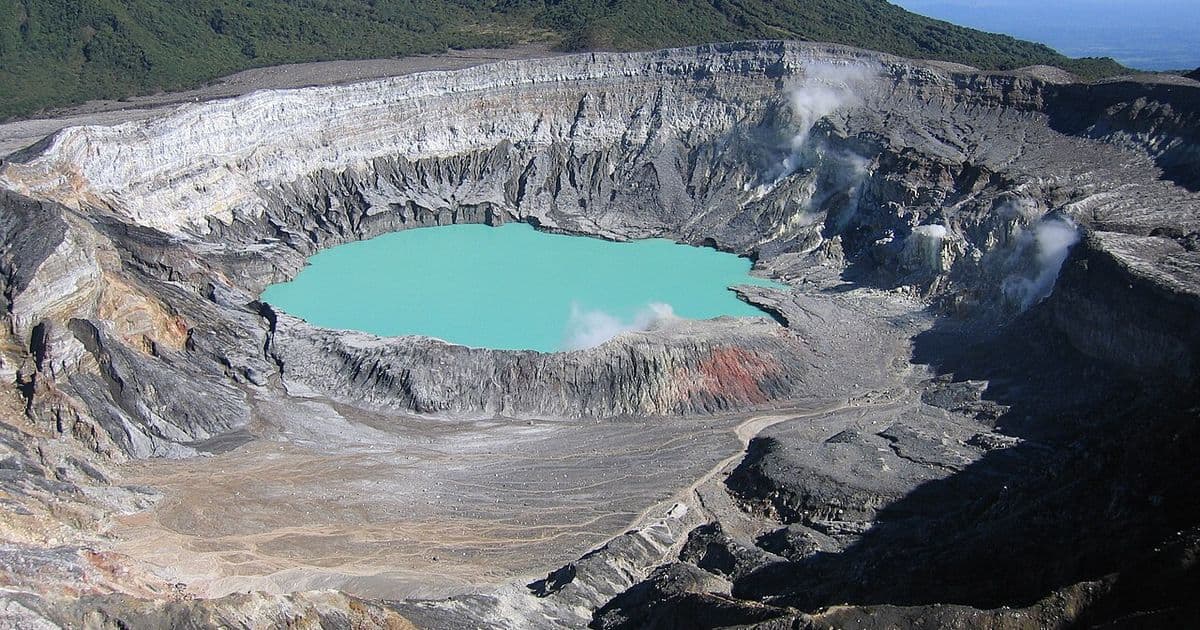
Poás Volcano is one of Costa Rica's most visited natural landmarks, home to one of the largest active craters in the world. Because it remains an active volcano, the Costa Rican government regularly issues travel warnings and access restrictions based on current volcanic activity. Understanding these alerts before your visit is essential for a safe and rewarding experience.
Current Travel Warning Status for Poás Volcano
Poás Volcano is monitored 24 hours a day by OVSICORI-UNA, Costa Rica's volcanological and seismological observatory. The park's open or closed status depends entirely on the current activity level recorded at the crater. Costa Rica uses a color-coded alert system — green, yellow, orange, and red — to communicate volcanic threat levels to the public and to park authorities.
When the alert level rises to orange or red, Poás Volcano National Park closes immediately and visitors are turned away at the gate. Even at yellow alert, access to the crater viewpoint may be limited or cut to very short windows of time, sometimes as little as 20 minutes. The U.S. Department of State and other foreign governments often echo these alerts in their own Costa Rica travel advisories, recommending travelers check conditions before heading to the area.
Because conditions can change within hours, it is strongly recommended that visitors confirm the park's status the morning of their planned visit. The park has closed without advance notice many times over the past decade, leaving tourists who drove from San José with no access. Booking a guided tour from a reputable operator is one way to reduce this risk, as guides typically monitor alerts and can adjust itineraries accordingly.
Understanding Costa Rica's Volcanic Alert Color Codes
Green means the volcano is in its normal active state with no unusual behavior. Yellow signals some change in activity, such as increased gas emissions or minor seismic events. Orange indicates significant unrest with potential for eruption. Red means an eruption is occurring or imminent, and the area around the volcano is immediately evacuated. Most casual visits to Poás are permitted under green and cautiously under yellow conditions.
History of Eruptions and Closures
Poás Volcano has a long and well-documented eruptive history. The most significant modern eruption occurred in April 2017, when a series of phreatomagmatic explosions ejected ash, rock fragments, and acidic water several kilometers into the air. The eruptions forced the evacuation of nearby communities and closed the national park for over a year — the longest closure in the park's history. Hundreds of families in the surrounding Los Santos region suffered crop damage from acid rain generated by the eruptions.
Prior to 2017, Poás had periods of heightened activity in 1953, 1989, and 1994, each resulting in temporary closures. The volcano is known for frequent phreatic eruptions, which are steam-driven explosions caused when groundwater contacts hot rock or magma. These eruptions can occur with very little warning, which is why strict visitor limits and short viewing windows exist even during calmer periods.
After reopening in 2018, Poás adopted a new visitor management system requiring timed entry tickets purchased in advance. This system allows park rangers to limit the number of people at the crater viewpoint at any one time and to evacuate quickly if conditions change. The crater lake, known as Laguna Caliente, is one of the most acidic natural bodies of water on Earth, with a pH sometimes approaching zero.
The 2017 Eruption and Its Impact
The April 2017 eruption was the largest at Poás in decades. Ash clouds reached 3,000 meters above the crater rim, and pyroclastic surges were recorded. Coffee and strawberry farms in the Alajuela highlands suffered significant losses as sulfur dioxide and acid rain damaged vegetation. The eruption prompted the Costa Rican government to declare a national emergency for affected communities in the Central Valley.
Safety Rules and Visitor Restrictions
Even when Poás Volcano National Park is open, strict safety protocols govern every visit. All visitors must purchase timed entry tickets in advance through the SINAC online reservation system. Entry to the crater viewpoint is limited to groups of a set number of people, and each group spends no more than 20 to 40 minutes at the observation deck before the next group is allowed in. This rotation is enforced to ensure rapid evacuation is possible if conditions shift.
Gas masks are available for rent at the park entrance and are required during periods of elevated sulfur dioxide emissions. Children under five years of age and individuals with respiratory conditions such as asthma are advised not to visit the crater area at all, as sulfurous gases can cause immediate breathing difficulties. Pregnant women are also cautioned against visiting during periods of elevated gas activity.
Park rangers carry radios and maintain constant communication with the OVSICORI monitoring station during all open hours. The evacuation route from the crater viewpoint to the parking area is kept clear at all times and is marked with emergency signage. Visitors are briefed on evacuation procedures before entering the crater zone. Staying on marked trails and following ranger instructions is not optional — it is enforced by park staff.
Advance Ticket Booking Requirements
Since reopening after the 2017 eruptions, Poás requires all visitors to book timed entry slots online through the official SINAC reservation portal. Walk-in access is not permitted. Tickets typically need to be purchased at least 24 hours in advance, and slots sell out quickly on weekends and Costa Rican holidays. International visitors should book as soon as their travel dates are confirmed.
Health Precautions at the Crater
The concentration of sulfur dioxide at the Poás crater viewpoint can spike rapidly during periods of increased fumarolic activity. Visitors with asthma, chronic bronchitis, heart conditions, or other cardiorespiratory issues should consult a physician before visiting. Even healthy adults may experience eye irritation, throat burning, and coughing during visits. Wearing a gas mask dramatically reduces inhalation of harmful gases and is highly recommended even when not mandatory.
How to Check Official Alerts Before You Go
The most reliable source for current Poás Volcano activity levels is OVSICORI-UNA, the National University of Costa Rica's volcanological observatory. Their website publishes daily bulletins on seismic activity, gas emissions, and crater lake conditions for all of Costa Rica's active volcanoes. The bulletins are available in Spanish, but automated translation tools make them accessible to English speakers.
The Costa Rican National System of Conservation Areas (SINAC) manages Poás Volcano National Park and posts closure notices on its official website and social media channels. These notices are usually updated within hours of any alert level change. The park's official phone line can also be called the morning of a planned visit to confirm access status.
For travelers from the United States, the U.S. Embassy in San José monitors volcanic activity and updates its safety alerts page accordingly. Similar resources exist for Canadian, European Union, and British travelers through their respective embassies. Travel insurance policies that include natural disaster coverage may provide protection if a volcanic closure forces a trip cancellation or significant itinerary change.
Reliable Online Resources for Volcano Monitoring
Key websites to bookmark before visiting Poás include the OVSICORI-UNA portal at ovsicori.una.ac.cr, the SINAC park information page, and the Costa Rican Meteorological Institute's hazard bulletins. Many Costa Rica travel blogs also aggregate volcano alerts, but official government sources should always be treated as the primary reference for safety decisions.
What to See and Do When the Volcano Is Open
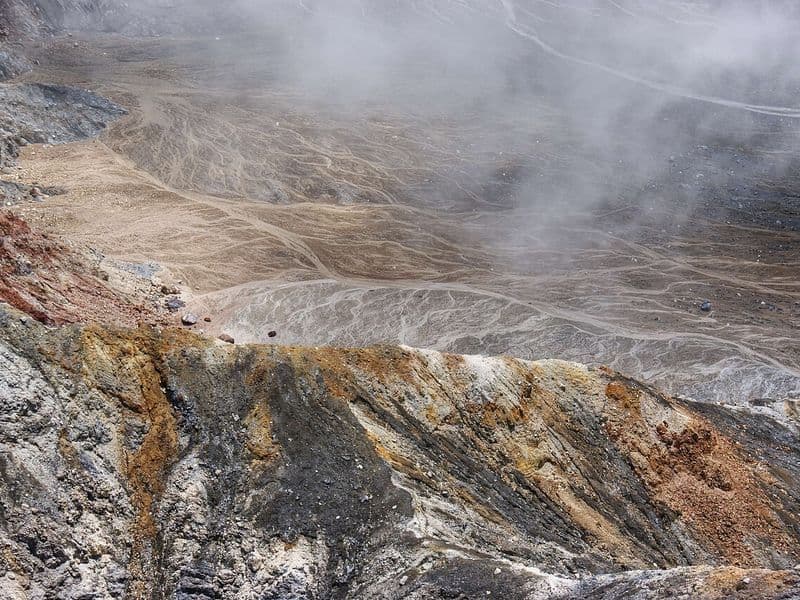
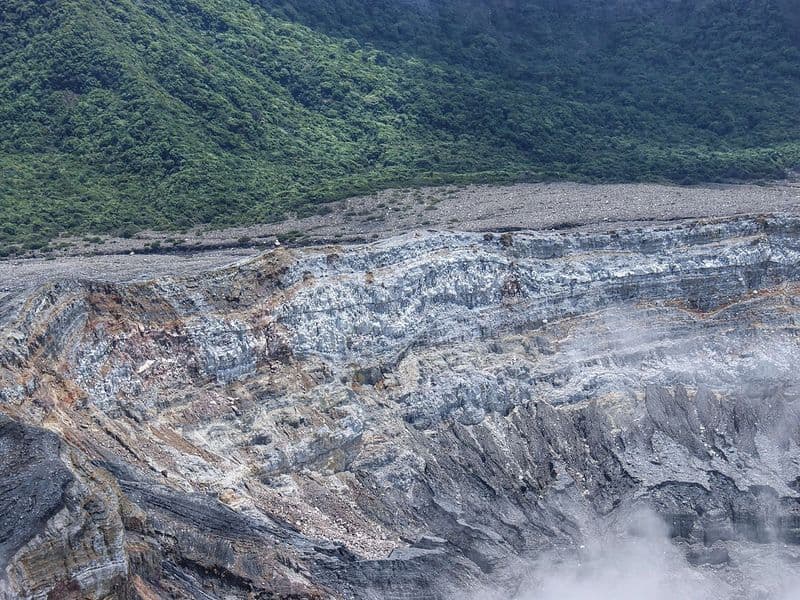
On days when Poás Volcano National Park is fully accessible, visitors encounter an extraordinary landscape shaped by millions of years of volcanic activity. The main attraction is the active crater, which measures approximately 1.5 kilometers in diameter and drops around 300 meters to the floor where Laguna Caliente sits. The turquoise, steaming crater lake is one of the most striking geological features in all of Central America.
Beyond the main crater, the park contains a secondary extinct crater called Botos, which holds a clear freshwater lake surrounded by cloud forest. A trail connecting the two craters passes through dense elfin forest — a stunted, moss-covered woodland adapted to the high-altitude, volcanic environment. The area receives heavy rainfall and is frequently shrouded in mist, adding to its otherworldly atmosphere.
The cloud forest surrounding the park shelters a variety of wildlife, including resplendent quetzals, emerald toucanets, volcano juncos, and several species of hummingbirds. Plant life includes giant gunnera plants with leaves large enough to shelter a person from rain, as well as bromeliads, orchids, and ferns. The visitor center at the park entrance features exhibits on the geology and ecology of the volcano and is worth visiting before heading to the crater.
The Botos Lagoon Trail
The trail to Botos Lagoon is a moderate 1.5-kilometer walk through pristine cloud forest at elevations above 2,700 meters. The lagoon itself is calm and cold, reflecting the surrounding forest on clear days. Because it sits in an extinct crater with no volcanic activity, it provides a peaceful contrast to the turbulent main crater. Bird watchers frequently spot resplendent quetzals along this trail, particularly between February and May during nesting season.
Getting to Poás Volcano National Park
Poás Volcano National Park is located approximately 37 kilometers north of Alajuela and about 57 kilometers from San José, making it one of the most accessible volcanoes in Costa Rica. The drive from San José takes roughly 1.5 to 2 hours depending on traffic and road conditions. The route passes through the highland town of Poasito and winds through strawberry and coffee farms before reaching the park entrance at 2,700 meters above sea level.
Rental cars are a popular option for self-guided visitors, and the road to the park is paved all the way to the entrance. However, the mountain road is narrow, winding, and frequently wet, so cautious driving is essential. Four-wheel drive is not required but provides extra confidence on steep sections. Driving times can increase significantly on weekends when traffic through Alajuela and Poasito builds up.
Organized day tours from San José and the Pacific coast resort areas are widely available through tour operators. These tours typically include hotel pickup, transportation in a comfortable van, a bilingual guide, and sometimes a stop at a local coffee plantation or restaurant. For first-time visitors or those unfamiliar with Costa Rican roads, a guided tour is a practical and stress-free way to experience the volcano while ensuring up-to-date information on park access.
Best Time of Day to Visit
Poás Volcano is most clearly visible in the morning before clouds and mist roll in, which typically happens between 10 a.m. and noon. Arriving at the park shortly after it opens at 8 a.m. gives visitors the best chance of a clear view into the crater. By midday, visibility is often reduced to near zero due to cloud cover, which is a common frustration for visitors who arrive late. Mornings also tend to have lower gas concentrations at the crater viewpoint.
Frequently Asked Questions
Is Poás Volcano safe to visit right now?
Safety conditions at Poás Volcano change frequently based on volcanic activity. Before visiting, check the current alert level on the OVSICORI-UNA website and confirm the park is open via the SINAC reservation portal. If the alert level is orange or red, the park will be closed and access is not permitted.
Do I need to book tickets in advance for Poás?
Yes. Since the 2017 eruptions, Poás Volcano National Park requires all visitors to purchase timed entry tickets in advance through the SINAC online system. Walk-in visitors are not accepted. Slots sell out quickly on weekends and holidays, so booking well ahead of your visit is strongly recommended.
Can children visit Poás Volcano?
Children under five years of age are not recommended at the crater viewpoint due to sulfur dioxide gas exposure. Older children in good health can visit, but parents should monitor gas levels and leave immediately if any respiratory discomfort occurs. Gas masks are available at the park entrance and are advisable for all visitors regardless of age.
What should I wear to visit Poás Volcano?
Dress in warm, waterproof layers. Temperatures at the 2,700-meter elevation are significantly cooler than at lower elevations and can drop to near 10°C even in dry season. Rain gear is essential as the area receives heavy precipitation year-round. Closed-toe shoes or hiking boots are recommended for the crater trail.
How long does a visit to Poás Volcano last?
Most visitors spend 2 to 3 hours in the park. Time at the crater viewpoint itself is limited to 20–40 minutes per group. Additional time can be spent hiking to Botos Lagoon, exploring the cloud forest trails, and visiting the park's visitor center, which has exhibits on volcanic geology and local ecology.