
Playa Hermosa Costa Rica: World-Class Surf and Wild Black-Sand Beach
Playa Hermosa near Jacó on Costa Rica's Central Pacific coast is a world-renowned surf destination famous for its powerful, consistent beach break that has hosted professional surfing competitions for decades. Note that there are two beaches named Playa Hermosa in Costa Rica — this guide covers the Central Pacific Playa Hermosa, located 8 kilometers south of Jacó in Puntarenas province, which is distinct from the calmer Playa Hermosa in Guanacaste. The Central Pacific Playa Hermosa is defined by its wild black volcanic sand, crashing Pacific surf, and relatively undeveloped character that stands in contrast to the busy resort town of Jacó just up the coast.
Overview of Playa Hermosa Near Jacó
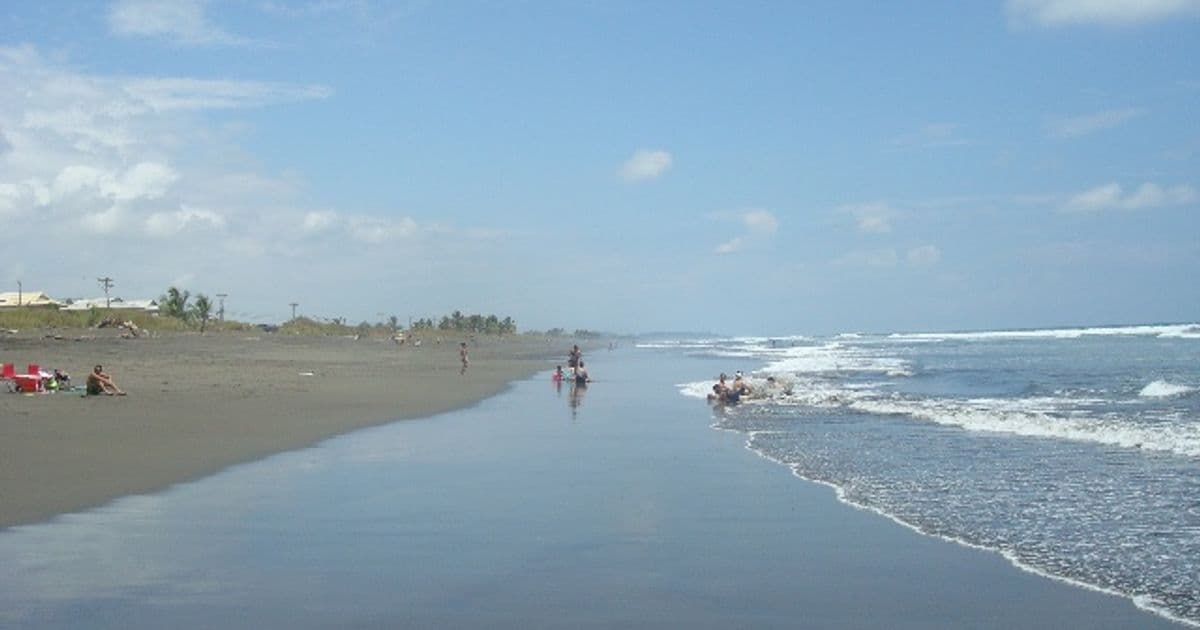
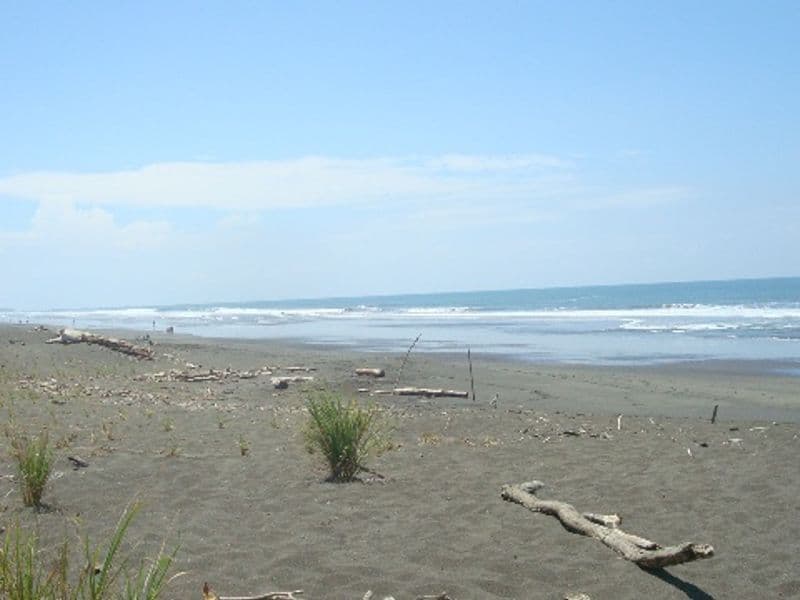
Playa Hermosa near Jacó is a 10-kilometer stretch of dark gray volcanic sand beach that begins approximately 8 kilometers south of Jacó town along the Costanera Sur highway. The beach is broad and exposed, facing southwest into the open Pacific, and receives consistent, powerful swell year-round. Unlike the busy commercial strip of Jacó, Playa Hermosa is relatively undeveloped, with a sparse scattering of small hotels, restaurants, and surf shops along the highway behind the beach. This low-key character is a significant part of its appeal for surfers and travelers seeking a less crowded alternative to Jacó.
The beach is named "Hermosa" (beautiful) for good reason — its raw, powerful character is dramatically beautiful, with long, dark sand stretches, crashing Pacific waves, and a backdrop of densely forested hills. Wildlife is abundant here, and the beach is an important nesting site for Olive Ridley sea turtles. Despite the surf conditions that deter casual swimmers, the beach is highly scenic and makes for excellent walks, particularly at sunrise and sunset when the dark sand reflects the sky dramatically.
Playa Hermosa has a small, tight-knit community of surf-focused residents including both Costa Ricans and expatriates, giving it a genuine surf town atmosphere rather than the resort-tourist feel of Jacó. The area has attracted a growing number of wellness-focused visitors seeking yoga retreats and natural surroundings alongside world-class surfing.
The Costanera Sur Highway
The Costanera Sur (Southern Coastal Highway) runs the length of the Central and South Pacific coast from Jacó southward through Quepos, Dominical, and Uvita, eventually connecting with the southern highway system. The road passes directly behind Playa Hermosa and continues to numerous other Pacific beaches. The highway makes Playa Hermosa easily accessible from Jacó by car, taxi, or bicycle, and it connects the region to Manuel Antonio National Park (approximately 2 hours south) and the Osa Peninsula beyond.
Surfing at Playa Hermosa
Playa Hermosa near Jacó is one of the premier surfing destinations in Central America, renowned for its fast, hollow, powerful beach break that challenges and rewards experienced surfers. The beach receives consistent south and southwest swells generated in the South Pacific, particularly during the rainy season months of April through November when swells are most frequent and powerful. Waves at Playa Hermosa regularly reach 2-3 meters during peak swell periods, and under ideal conditions, exceptional waves of 4 meters or more have been recorded.
Unlike the more forgiving beach break at Jacó, the waves at Playa Hermosa are steep, fast, and unforgiving — conditions that are exciting for experienced surfers but genuinely challenging and potentially dangerous for beginners. The beach has a pronounced shore break and powerful backwash that can catch inexperienced surfers off guard. Most surf coaches recommend that surfers have at least intermediate experience before attempting Playa Hermosa, having first practiced at the more beginner-friendly waves at Jacó or other gentler breaks.
The beach has been hosting international surfing competitions for decades. The annual Reef Classic was among the most prestigious events on the Costa Rican surf circuit, attracting world-class competitors from throughout the Americas. The International Surfing Association (ISA) has also staged events at Playa Hermosa, and several nationally ranked Costa Rican surfers have developed their skills here. The competitive surfing environment has contributed to the development of a strong local surf culture and a community of highly skilled surfers who serve as informal ambassadors for the break.
Best Conditions and Surf Seasons
The best surf at Playa Hermosa occurs from April through November during the rainy season, when South Pacific groundswells deliver the most consistent and powerful waves. June through September typically produces the largest and most consistent swell activity. During the dry season (December through March), the surf is generally smaller and less consistent, though still surfable and often cleaner in the mornings before offshore winds diminish. Early morning sessions, beginning at sunrise, typically offer the cleanest face conditions before onshore winds pick up around mid-morning.
Surf Competitions at Playa Hermosa
Playa Hermosa has hosted numerous national and international surfing events over the years, cementing its reputation as Costa Rica's premier competitive surfing venue. The beach's reliable, high-quality waves make it ideal for competition formats, as the consistent swell provides relatively equal conditions for all competitors. Local surf clubs and the Costa Rica Surf Federation have used Playa Hermosa as a training and competition venue for developing national team athletes. International events have brought professional surfers from throughout Latin America and beyond, raising the beach's profile in the global surf community.
Wildlife and Nature at Playa Hermosa
Despite its relatively close proximity to the developed resort area of Jacó, Playa Hermosa supports remarkable wildlife, both in the ocean and in the forested areas behind the beach. The beach is an important nesting site for Olive Ridley sea turtles, which come ashore at night throughout the rainy season months (primarily July through December) to lay eggs. Individual arrivals (as opposed to mass nesting events) occur regularly during this period, and local organizations facilitate occasional supervised turtle-watching programs for visitors.
The waters off Playa Hermosa support healthy marine life, including various fish species, rays, and dolphins. Pacific Bottlenose dolphins and common dolphins are frequently spotted offshore, and Humpback whales pass through the area during their migration between January and March and again from July through October. Whale-watching boat tours operating from the Los Sueños marina at Playa Herradura (just north of Jacó) include the waters off Playa Hermosa in their range.
The forested hillsides behind Playa Hermosa and the remaining pockets of coastal vegetation support White-faced capuchin monkeys, howler monkeys, iguanas, and numerous bird species. Scarlet macaws, which nest in Carara National Park to the north, are regularly seen flying over the beach and roosting in the trees at the forest edge. The combination of ocean and forest wildlife makes Playa Hermosa a rewarding destination for nature enthusiasts in addition to surfers.
Sea Turtle Nesting at Playa Hermosa
Playa Hermosa is designated as an important Olive Ridley sea turtle nesting beach, and nesting activity is monitored and protected by local conservation groups. Individual turtles come ashore at night from approximately July through December to nest, with the highest activity in September and October. Guided nighttime turtle-watching tours are available through local operators during nesting season, conducted under strict protocols to minimize disturbance to nesting females. Visitors should never approach nesting turtles without a guide, use lights, or make loud noises during the experience.
Restaurants and Accommodation at Playa Hermosa
Playa Hermosa has a small but characterful selection of restaurants and accommodation options that cater primarily to surfers and nature-focused travelers. The dining options, while limited compared to Jacó, include several excellent restaurants serving fresh seafood, Costa Rican cuisine, and international fare in casual, open-air settings right on or adjacent to the beach.
The Backyard Hotel is the most well-known accommodation in Playa Hermosa, long a fixture of the local surf scene with its pool, bar, and ocean-view rooms. The Backyard's restaurant and bar is a hub of local social life and serves as an unofficial community gathering point. Several other small hotels, bed-and-breakfasts, and vacation rental houses along the highway cater to a range of budgets. Many surfers opt to rent houses for week-long or month-long stays, which are widely available through local agencies and online platforms.
For more extensive dining and shopping options, Jacó is just 8 kilometers north — a short drive or taxi ride that puts the full complement of Jacó's restaurants, supermarkets, banks, and services within easy reach. This proximity to Jacó's infrastructure while maintaining Playa Hermosa's quieter character makes the combination of basing in Playa Hermosa and visiting Jacó for amenities a popular approach for longer-stay visitors.
The Backyard Hotel
The Backyard Hotel has been a landmark of the Playa Hermosa surf community for many years, offering comfortable rooms, a swimming pool, and a beachfront bar and restaurant that serves as the area's social center. The hotel's staff are deeply connected to the local surf scene and can provide excellent advice on current conditions, tide schedules, and the best times to surf different sections of the beach. The on-site restaurant prepares solid Costa Rican and international dishes, and the bar hosts occasional live music and surf-themed events during peak season.
Getting to Playa Hermosa
Playa Hermosa near Jacó is conveniently reached from San José via the Caldera Highway in approximately 2 hours (110 kilometers to Jacó plus 8 kilometers south on the Costanera). From Jacó town, the beach is a short 10-15 minute drive south on the Costanera Sur highway, or a 20-25 minute bicycle ride for the more athletically inclined. Taxis from Jacó to Playa Hermosa are readily available and inexpensive, typically costing 3,000-5,000 colones (approximately $6-10 USD) for the short journey.
Public buses traveling the Costanera route from Jacó southward stop at points along Playa Hermosa, though the schedule is less frequent than the Jacó-San José route. Checking current bus schedules at the Jacó bus terminal is recommended. Rental cars are widely available in Jacó from national and international agencies, and the Costanera to Playa Hermosa is a well-paved, straightforward drive. The drive from Liberia airport is approximately 3.5-4 hours, making it less convenient for Guanacaste-based itineraries than the southern Guanacaste beaches.
Getting There from San José
From San José, take the Autopista General Cañas (Route 1) west toward Escazú, then continue on the Autopista Bernardo Soto toward Orotina. From Orotina, follow the Costanera highway south through Jacó and continue approximately 8 kilometers to Playa Hermosa. The entire journey takes approximately 2 hours under normal traffic conditions. Fill up with fuel before leaving the highway near Jacó, as fuel stations are less frequent along the Costanera south of town. The Pali supermarket in Jacó is a convenient stop for provisions before heading to Playa Hermosa.
Playa Hermosa vs Playa Hermosa Guanacaste
The name Playa Hermosa causes significant confusion among Costa Rica travelers because there are two distinct beaches with this name, located in entirely different parts of the country with very different characteristics. Knowing which Playa Hermosa you are researching or planning to visit is essential for making correct travel arrangements.
The Central Pacific Playa Hermosa (the subject of this guide) is located 8 kilometers south of Jacó in Puntarenas province. It is a powerful surf beach with dark volcanic sand, strong currents, and relatively minimal development. It is primarily a destination for experienced surfers and nature enthusiasts, and is not recommended for beginner swimmers due to the powerful surf.
The Guanacaste Playa Hermosa is located in the Gulf of Papagayo region in Guanacaste province, approximately 15 kilometers south of Liberia airport. This beach is the opposite of its Central Pacific namesake — it features calm, brilliant blue water in a sheltered bay, a gentle sandy bottom excellent for swimming, and a growing number of upscale all-inclusive resorts along its shores. The Guanacaste Playa Hermosa is one of the most popular family beach destinations in the country, regularly rated among the best swimming beaches in Costa Rica. The two beaches are approximately 350 kilometers apart by road.
Which Playa Hermosa Is Right for You?
If you are an experienced surfer or adventurous traveler seeking wild, powerful surf and a quieter, more nature-focused beach experience near existing Central Pacific infrastructure, the Playa Hermosa near Jacó is your destination. If you are seeking calm, safe swimming in beautiful blue water, resort amenities, and the reliable dry season sunshine of Guanacaste, the Playa Hermosa in Guanacaste is the better choice. When searching for hotels, tours, or information online, specifying "Playa Hermosa Jacó" or "Playa Hermosa Guanacaste" in your searches will help avoid confusion.
Tips for Visiting Playa Hermosa
The most important practical tip for visiting Playa Hermosa near Jacó is to assess the surf conditions before entering the water. The waves here are significantly more powerful than most recreational beach swimmers are accustomed to, and the shore break and rip currents can be dangerous even for strong swimmers who are not experienced in ocean surf. If you are not a surfer, the beach is still beautiful for walks and wildlife watching, particularly during early morning when the light is spectacular and the beach is quiet.
Sunrise visits to Playa Hermosa are particularly rewarding — the dark sand takes on dramatic hues in the early light, wildlife activity is highest, and the beach is empty. The forested hillside behind the beach can be explored on foot and often yields sightings of monkeys, birds, and other wildlife before the heat of the day sets in. Bringing binoculars is worthwhile for both bird and whale watching from the shoreline during the appropriate seasons.
Services at Playa Hermosa are limited compared to Jacó — there is no supermarket, bank, or major pharmacy at the beach. Stock up on supplies, cash, and any prescription medications in Jacó before heading south. The Backyard Hotel's restaurant and a handful of smaller sodas and restaurants along the highway cover dining needs, but variety is limited. Cell phone coverage is generally good along the Costanera highway, and most accommodations offer Wi-Fi.
Surf Etiquette at Playa Hermosa
Playa Hermosa has a local surf culture with established etiquette that visitors are expected to respect. Right of way in the lineup goes to the surfer closest to the breaking point of the wave — dropping in on another surfer (taking a wave when someone else has priority) is a serious breach of surf etiquette and can cause accidents with heavy boards in powerful conditions. Show respect to local surfers who know the break, wait your turn in the lineup, and communicate clearly. Learning basic surf etiquette before entering the water at any serious surf break makes the experience safer and more enjoyable for everyone.
Frequently Asked Questions
Is Playa Hermosa near Jacó good for beginner surfers?
No — Playa Hermosa near Jacó is generally not recommended for beginner surfers. The beach break is fast, powerful, and steep, with a strong shore break that can be hazardous for inexperienced surfers. Beginners are better served starting at Jacó beach, where conditions are more forgiving and surf schools operate in appropriate zones. Once surfers have developed solid basic skills, Playa Hermosa offers an excellent step up in challenge and wave quality.
How do I get from Jacó to Playa Hermosa?
Playa Hermosa is just 8 kilometers south of Jacó on the Costanera Sur highway. By car or taxi it takes about 10-15 minutes. Taxis from Jacó cost approximately 3,000-5,000 colones ($6-10 USD). Some public buses on the southern Costanera route stop at points along Playa Hermosa. Cycling from Jacó is possible in about 20-25 minutes along the flat coastal highway.
Is there swimming at Playa Hermosa near Jacó?
Swimming at Playa Hermosa near Jacó is not recommended for casual or inexperienced swimmers due to the powerful surf, shore break, and rip currents. The beach is primarily a surfing destination, and non-surfers typically come for beach walks, wildlife watching, and the dramatic scenery rather than swimming. Safe swimming beaches are nearby in Jacó and further north at Playa Herradura.
Can I see sea turtles at Playa Hermosa near Jacó?
Yes. Playa Hermosa near Jacó is an active Olive Ridley sea turtle nesting beach. Individual turtles come ashore at night primarily from July through December, with peak activity in September and October. Local conservation operators offer guided nighttime turtle-watching tours when nesting activity is occurring. Strict protocols apply — visitors must stay with a guide, use no lights, and maintain silence near nesting turtles.
What is the difference between Playa Hermosa Jacó and Playa Hermosa Guanacaste?
These are two completely different beaches in different provinces of Costa Rica. Playa Hermosa near Jacó (Central Pacific, Puntarenas province) has dark volcanic sand, powerful surf, and is a premier surfing destination. Playa Hermosa in Guanacaste (near Liberia in the northwest) has calm, clear blue water in a sheltered bay and is a family-friendly swimming beach with several large all-inclusive resorts. They are approximately 350 kilometers apart by road.