
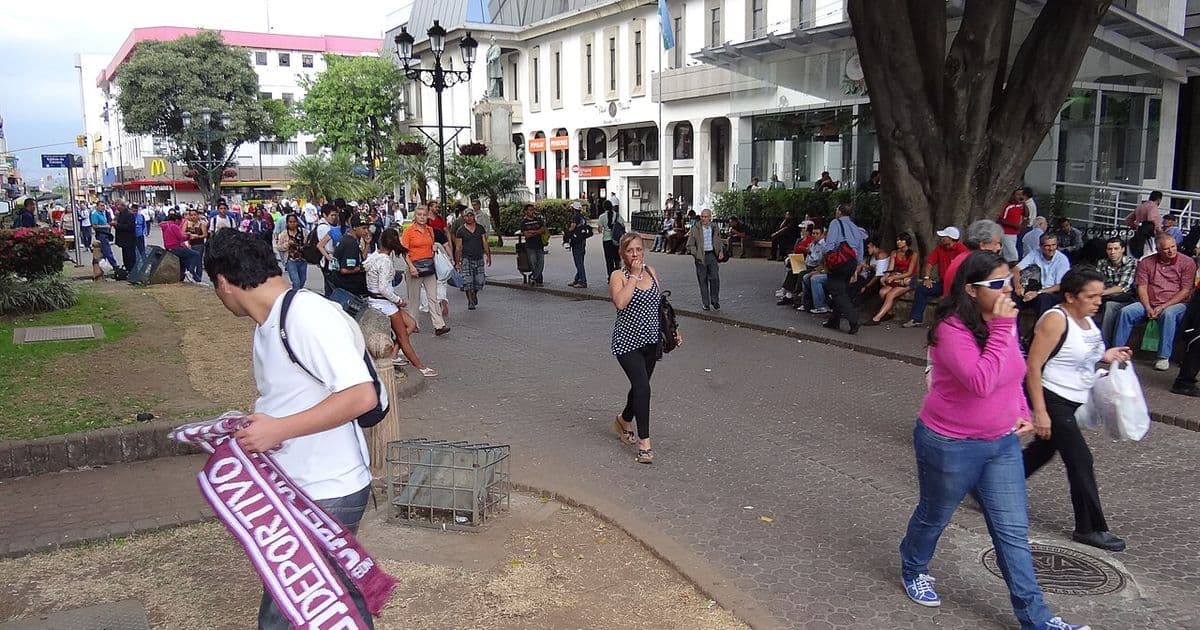
San José Costa Rica Weather: Complete Climate Guide
San José, Costa Rica's capital city, enjoys one of the world's most temperate climates due to its elevation of approximately 3,800 feet (1,160 meters) above sea level. Unlike the hot and humid coast, San José maintains comfortable temperatures year-round, typically ranging from the mid-60s to low 80s°F (18–28°C). The city experiences a distinct wet season and dry season, each offering its own charms for visitors.
San José Climate Overview
San José sits at an elevation of about 3,800 feet (1,160 meters) in the Central Valley, which gives it a subtropical highland climate (Köppen classification Cfb). This means mild temperatures throughout the year without the extreme heat and humidity found at sea level. The city rarely sees temperatures above 82°F (28°C) or below 58°F (14°C), making it extremely comfortable for urban exploration.
The climate is divided into two seasons: the dry season (verano) from December through April and the rainy season (invierno) from May through November. During the dry season, days are sunny and clear, though morning fog and mist are common in the surrounding mountains. The rainy season brings afternoon and evening thunderstorms but rarely all-day rain.
Humidity in San José is moderate compared to coastal areas. During the dry season, relative humidity typically ranges from 60–70%, while the rainy season sees levels of 75–85%. This is significantly more comfortable than the 80–90%+ humidity of beach destinations like Jacó or Puerto Viejo.
Spring-Like Weather Year-Round
San José is often described as having 'eternal spring' weather. The combination of near-equatorial sunshine, moderate elevation, and the surrounding cloud forest mountains creates conditions that residents and visitors consistently find pleasant. Afternoon temperatures in the mid-70s°F (24–25°C) during the dry season represent some of the most comfortable urban weather in the Americas.
Dry Season Weather in San José
The dry season in San José runs from December through April. This period brings clear blue skies, lower humidity, and excellent visibility toward the surrounding mountains and volcanoes. Irazú, Poás, and Barva volcanoes are often visible on clear dry-season mornings from elevated viewpoints in the city.
Daytime high temperatures during the dry season typically range from 78–82°F (25–28°C), while nights cool to a comfortable 60–65°F (15–18°C). January and February are slightly cooler than March and April, which is when temperatures peak before the rains begin.
March and April are the hottest and driest months, with some days reaching 84°F (29°C). The dry season can make the air quality in San José noticeably dustier, as vehicle traffic kicks up dry road dust. Rainfall during peak dry season (January–March) averages only 1–2 inches per month.
December and January
December and January are among the best months to visit San José. The rains have ended, the air is fresh and clear, and the holiday season brings festive energy to the city. Average highs are 77–79°F (25–26°C), with cool evenings around 62°F (17°C). Pack a light jacket for evenings and air-conditioned restaurants.
March and April: Transition
March is the hottest month in San José, with average highs touching 82–84°F (28–29°C). By late April, the first rains of the green season begin to arrive, bringing welcome relief from the dust and heat. Early April can still be quite dry, while late April typically sees the season's first significant showers.

Rainy Season Weather in San José
The rainy season in San José (May through November) brings afternoon and evening thunderstorms that cool the city and keep the surrounding hills intensely green. Unlike coastal areas, San José rarely experiences the torrential all-day rains that can affect the Caribbean coast—instead, mornings are generally clear and sunny, making them ideal for sightseeing.
Rainfall peaks in October, when San José averages about 12–14 inches (300–355 mm) of rain for the month. September and October together represent the wettest period. Despite higher rainfall, San José rarely floods the way lower-elevation cities do, and urban life continues normally.
Temperatures during the rainy season are slightly warmer than the dry season due to increased cloud cover retaining heat at night. Average highs are 75–80°F (24–27°C), with overnight lows of 63–67°F (17–19°C). The combination of warmth and moisture makes the surrounding cloud forests and botanical gardens particularly spectacular during this time.
September and October
These are the rainiest months in San José, with afternoon downpours becoming more intense and longer-lasting. However, mornings remain largely clear. Museums, the National Theater, and indoor cultural attractions are excellent options for rainy afternoons. Orchid displays at botanical gardens reach their peak during this period.
Monthly Temperature and Rainfall Guide
January: High 79°F (26°C), Low 62°F (17°C), Rainfall 0.6 in (15 mm). Driest month of the year. Clear skies ideal for day trips to volcanoes.
February: High 80°F (27°C), Low 62°F (17°C), Rainfall 0.2 in (5 mm). Driest month. Excellent visibility and comfortable temperatures.
March: High 82°F (28°C), Low 63°F (17°C), Rainfall 0.5 in (13 mm). Hottest, driest month. Air can feel dry and dusty.
April: High 82°F (28°C), Low 65°F (18°C), Rainfall 1.8 in (46 mm). Transition month with first rains arriving late in the month.
May: High 80°F (27°C), Low 65°F (18°C), Rainfall 8.9 in (226 mm). Rainy season begins. Mornings usually sunny.
June: High 79°F (26°C), Low 65°F (18°C), Rainfall 9.8 in (249 mm). Full rainy season. Afternoons typically wet.
July: High 78°F (26°C), Low 65°F (18°C), Rainfall 8.5 in (216 mm). Veranillo may bring brief drier spells.
August: High 78°F (26°C), Low 65°F (18°C), Rainfall 10.2 in (259 mm). Lush and green. Mornings often clear.
September: High 77°F (25°C), Low 65°F (18°C), Rainfall 13.5 in (343 mm). Very wet. Rainy afternoons and evenings common.
October: High 76°F (24°C), Low 64°F (18°C), Rainfall 12.3 in (312 mm). Wettest overall. Some multi-day rain events possible.
November: High 77°F (25°C), Low 63°F (17°C), Rainfall 5.9 in (150 mm). Rains tapering off. Good transitional month.
December: High 78°F (26°C), Low 62°F (17°C), Rainfall 1.6 in (41 mm). Dry season returning. Festive holiday atmosphere.
Annual Averages
San José receives an average of about 74 inches (1,880 mm) of rainfall annually, with 90% of that falling during the May–November rainy season. Annual average temperature is approximately 70°F (21°C). The city averages about 6 hours of sunshine per day during the dry season and 3–4 hours per day during the rainy season.
What to Pack for San José
San José's moderate climate means you won't need extreme cold or hot weather gear. A light jacket or sweater is essential year-round for air-conditioned malls, restaurants, and movie theaters, which can be extremely cold. Evenings, even in the dry season, cool down to the low 60s°F (16–17°C), making a layer necessary for outdoor dining.
During the rainy season, a compact umbrella or lightweight rain jacket is highly practical. Most afternoon rain events last 1–3 hours and then clear. Layers allow you to adapt to the variable temperatures as you move between San José's warm sunny streets and cool, air-conditioned indoor spaces.
Footwear for San José
Comfortable walking shoes are the most important footwear for San José. The city's sidewalks are uneven, and many areas require significant walking. During the rainy season, waterproof shoes or sandals with good grip are helpful, as sidewalks become slippery when wet. Flip-flops are not practical for urban exploration.
San José Weather vs. Coastal Destinations
Travelers are often surprised to find San José significantly cooler and less humid than their coastal hotel. At 3,800 feet elevation, the capital sits well above the tropical heat belt that affects sea-level destinations. A flight from San José to Liberia (Guanacaste) or a drive to Jacó can feel like stepping into a different climate zone.
If you're using San José as a hub between coastal destinations, expect to pack a layer you won't need on the coast. Conversely, the lighter clothing you wear at the beach will leave you chilly at a San José evening dinner. The temperature difference between the capital and coast can be 10–15°F (6–8°C), and the humidity difference is even more dramatic.
Airport Weather Note
The Juan Santamaría International Airport is located in Alajuela, at a slightly lower elevation than central San José (about 3,000 feet/914 meters). Weather at the airport can differ from downtown—sometimes foggier in the early morning or more exposed to afternoon thunderstorms. Always allow extra time for mountain road travel to and from the airport during the rainy season.
Best Time to Visit San José
The dry season (December through April) offers the best weather for exploring San José. Clear mornings allow for excellent day trips to nearby volcanoes—Poás and Irazú are particularly rewarding when you can see into the craters. January and February are especially pleasant, with minimal rain and comfortable temperatures.
However, San José is a perfectly viable destination year-round. The city's cultural attractions—the National Theater, Pre-Columbian Gold Museum, National Museum of Costa Rica, and vibrant Mercado Central—are enjoyable regardless of season. The rainy season brings lower hotel rates and a city that's less overwhelmed with tourists.
Day Trips from San José by Season
During the dry season, early morning departures for Poás or Irazú Volcano offer the best chance of clear crater views before clouds roll in by midday. During the rainy season, these volcanoes are often cloud-covered by 10 AM. White-water rafting on the Pacuare River near Turrialba is best during the rainy season when water levels are high. Coffee plantation tours near San José are rewarding year-round, with harvest season running November through February.
Frequently Asked Questions
Is San José hot or cold?
San José has a mild, spring-like climate year-round due to its elevation of 3,800 feet. Daytime temperatures typically range from 75–82°F (24–28°C), while nights are cooler at 60–67°F (16–19°C). It is much cooler and less humid than Costa Rica's coastal areas.
Does San José have a rainy season?
Yes. San José's rainy season runs from May through November. Rain typically falls in the afternoons and evenings, with mornings often sunny and clear. October is the wettest month, averaging about 12–14 inches of rain. The dry season (December–April) sees very little rainfall.
What should I wear in San José?
Casual, comfortable clothing works well in San José. A light jacket or sweater is essential for cool evenings (low 60s°F/16–17°C) and cold air conditioning inside restaurants and malls. During the rainy season (May–November), bring a compact umbrella or rain jacket for afternoon showers.
Is San José humid?
San José is moderately humid but much less so than coastal destinations. Relative humidity ranges from 60–70% in the dry season to 75–85% in the rainy season. This is comfortable compared to coastal areas that regularly exceed 85–90% humidity.
What is the best month to visit San José?
January and February are ideal, offering dry, clear weather perfect for exploring the city and taking volcano day trips. December is also excellent with festive holiday energy. For the best value with acceptable weather, November offers improving conditions after the rainy season with lower hotel prices.