
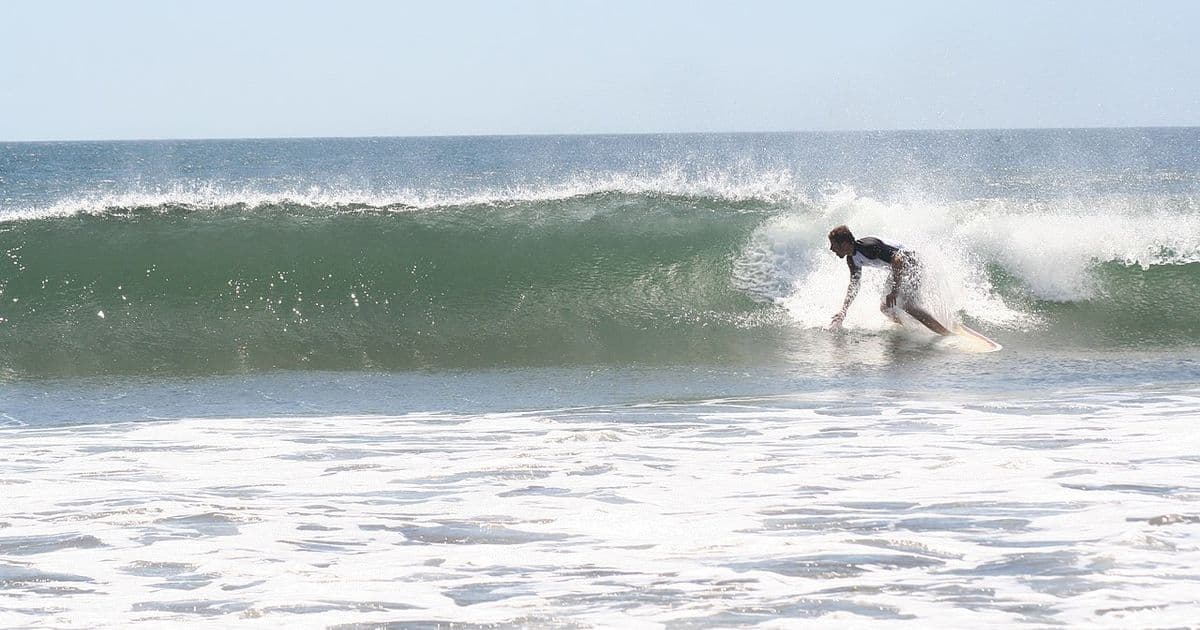
Costa Rica Surfing: The Complete Guide to Waves, Breaks, and Surf Culture
Costa Rica surfing is world-class across both the Pacific and Caribbean coasts, offering consistent swells, warm water year-round, and a welcoming surf culture that has made the country a top destination for surfers of all levels. From the legendary beach break at Playa Hermosa to the reef-carved barrels of Salsa Brava in Puerto Viejo, Costa Rica's diverse coastline delivers an extraordinary range of surf experiences. Whether you are catching your first wave or chasing expert-level barrels, Costa Rica has a break for you.
Why Costa Rica Is a World-Class Surfing Destination
Costa Rica has earned a permanent place on the global surf map thanks to its combination of consistent swell, warm water, diverse break types, and accessibility. The country's position on the Pacific Rim places it directly in the path of swells generated by storms thousands of kilometers away in both the northern and southern hemispheres. This means quality surf is available somewhere along Costa Rica's 1,228-kilometer coastline in virtually every month of the year.
Water temperatures along the Pacific Coast average 26 to 29°C year-round, eliminating the need for wetsuits except during occasional upwelling events along the central Pacific. The Caribbean Coast maintains similarly warm temperatures. The warm water not only makes surfing comfortable but also makes Costa Rica accessible to beginners who might be deterred by the cold water of classic surf destinations like Northern California or Ireland.
Beyond the waves, Costa Rica's surf culture is deeply integrated into the country's identity, particularly in communities like Jaco, Tamarindo, Santa Teresa, and Dominical. These towns have grown up around surfing, with a infrastructure of board rental shops, surf schools, shaper workshops, health food cafes, and hostels catering specifically to the surf-travel lifestyle. The combination of great waves, warm climate, tropical nature, and welcoming communities makes Costa Rica a destination that surfers return to again and again.
Costa Rica in International Surf Competition
Costa Rica has hosted multiple World Surf League (WSL) Qualifying Series and Championship Tour events, most notably at Playa Hermosa near Jaco, which hosts the annual Billabong Pro. The country has produced several internationally competitive professional surfers, including Carlos Munoz, who has competed at Championship Tour level. The professional surf scene has elevated the country's profile among the global surfing community.
Best Surfing Beaches on the Pacific Coast
Tamarindo in Guanacaste is one of the most popular surf destinations in Costa Rica and an ideal starting point for beginner and intermediate surfers. The beach break at Playa Tamarindo offers rolling waves with relatively predictable form, making it a natural classroom for surf schools. The town itself is well-developed with excellent accommodations, restaurants, and nightlife, making it suitable for surf travelers who want amenities alongside their waves. Nearby Playa Avellanas and Playa Negra offer more advanced breaks a short drive away.
Playa Hermosa, located 8 kilometers south of Jaco on the central Pacific coast, is considered one of the most consistent and powerful beach breaks in the country. The steep, fast waves at Hermosa regularly reach 2 to 4 meters and are favored by experienced surfers. The Billabong Pro surfing competition has been held here, reflecting the break's international caliber. Beginners are better served by nearby Jaco beach, which offers smaller, more forgiving conditions.
Santa Teresa and Malpaís on the tip of the Nicoya Peninsula have evolved from remote fishing villages into internationally recognized surf destinations. The long stretch of beach at Santa Teresa produces consistent beach breaks at various tidal conditions, and the area's relaxed, bohemian atmosphere has attracted a global surf community of long-term travelers and expatriates. Pavones in southern Costa Rica near the border with Panama is legendary among longboarders for one of the longest left-hand point breaks in the world, with rides sometimes exceeding 1 kilometer.
Dominical and the South Pacific
Dominical and nearby Dominicalito offer powerful beach breaks on the southern Pacific coast. The area receives larger swells than northern regions and is best suited to intermediate and advanced surfers. The surrounding area has remained relatively undeveloped compared to Jaco and Tamarindo, attracting surfers who prefer a quieter, more raw environment alongside world-class waves.
Witches Rock and Ollie's Point
Witches Rock (Roca Bruja) and Ollie's Point in the Santa Rosa National Park in northern Guanacaste are remote point breaks accessible only by boat from the Playa del Coco or Tamarindo area. Both breaks deliver consistent, high-quality waves with few surfers. Day trips by boat are available from nearby towns, and camping is permitted in the national park for those who wish to stay longer.
Caribbean Coast Surfing
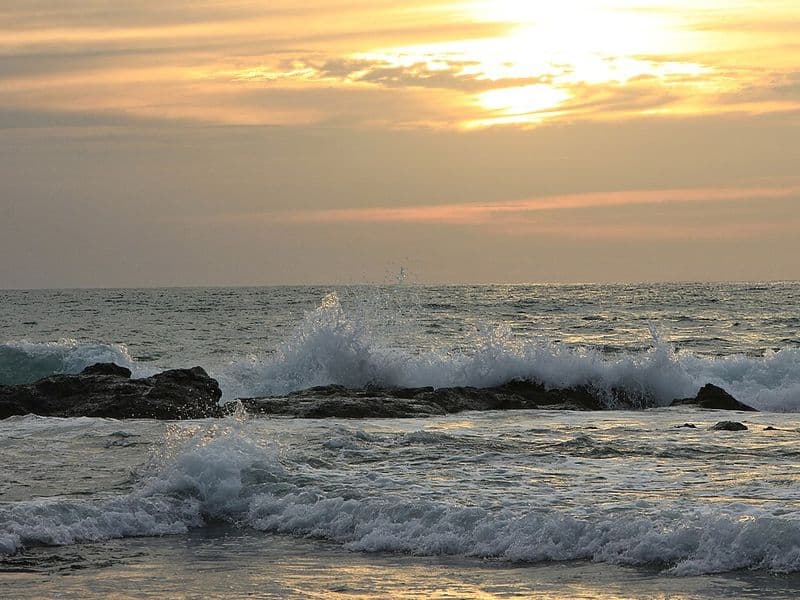
The Caribbean coast of Costa Rica offers a distinctly different surfing environment compared to the Pacific. Dominated by reef breaks rather than beach breaks, the Caribbean waves tend to be faster, hollower, and more challenging. The most famous break is Salsa Brava in Puerto Viejo de Talamanca, a powerful right-hand reef break that produces thick, barreling waves of 2 to 4 meters during the peak season from December through March. Salsa Brava is considered one of the most challenging waves in Central America and is recommended for advanced surfers only.
The reef at Salsa Brava lies in very shallow water, making wipeouts particularly consequential. Local surfers and knowledgeable guides strongly advise inexperienced surfers to observe the break before paddling out and to surf with local knowledge of the reef's shape and currents. The nearby beach break at Playa Cocles is more forgiving and suitable for beginner and intermediate surfers seeking Caribbean-side experiences.
The Caribbean coast's surf season is essentially the inverse of the Pacific. The best waves arrive between November and March, brought by swells generated by North Atlantic winter storms. During the Pacific's peak season of May through September, the Caribbean is typically flat. This complementary seasonality makes Costa Rica a year-round destination for dedicated surf travelers willing to move between coasts based on the swell calendar.
Surf Culture in Puerto Viejo
Puerto Viejo de Talamanca has a unique cultural character shaped by Afro-Caribbean heritage, indigenous Bribri traditions, and international surf culture. The town is more relaxed and locally authentic than Pacific coast surf towns, with a vibrant music scene, local cuisine centered on rice and beans cooked in coconut milk, and a community deeply connected to both the ocean and the rainforest surrounding it.
Surf Seasons and Swell Patterns
The Pacific Coast of Costa Rica receives its most consistent and powerful surf from April through October, driven by Southern Hemisphere winter swells generated by Antarctic storms. This period overlaps with Costa Rica's green season, meaning surfers often enjoy excellent waves with fewer crowds and lower accommodation rates than during the dry season. Wave heights during this period can regularly reach 2 to 4 meters at exposed breaks, with exceptional days producing larger sets.
The dry season from November through March brings smaller but still surfable conditions on the Pacific Coast, along with ideal weather characterized by sunny skies and minimal rainfall. This period attracts the largest overall tourist volume, meaning popular surf spots can become crowded. Northern swells generated by Pacific winter storms periodically produce excellent conditions during this period, particularly at northward-facing breaks in Guanacaste.
Transitional months of October and November and March through April can offer excellent surfing as conditions shift between seasons. April is particularly notable as a transition month when both north and south swells can overlap, creating powerful and varied conditions. Surfers targeting specific breaks should consult surf forecast services such as Surfline or Magic Seaweed for real-time swell and wind predictions, which are more reliable than generalized seasonal descriptions.
Wind Conditions and Their Impact
Wind direction significantly affects wave quality in Costa Rica. Offshore winds—blowing from land toward the ocean—groom wave faces and improve quality. In Guanacaste, the strong seasonal trade winds known as the Papagayo blow offshore at Pacific beaches during the dry season, simultaneously creating challenging conditions for swimmers but excellent wave grooming for surfers. Understanding local wind patterns is essential for timing sessions for optimal conditions.
Surf Schools and Lessons for Beginners
Costa Rica's surf schools are among the most numerous and well-developed in the world, reflecting the country's decades of surf tourism infrastructure. In popular destinations like Tamarindo, Jaco, Manuel Antonio, and Samara, surf schools line the beachfront with boards, foam softboards for beginners, and instructors ready to provide lessons throughout the day. Beginner group lessons typically last 90 minutes to 2 hours and cost between $45 and $80 per person including board and rash guard rental.
Most beginner lessons begin with 20 to 30 minutes of beach instruction covering paddling technique, the pop-up motion, wave reading, and ocean safety including rip current identification. Students then enter the water with instructor support, typically on the inside section of the break where waves are smaller and more forgiving. Foam softboards are universally used for beginners, as their extra buoyancy makes paddling and standing easier while their soft construction reduces injury risk from falls.
Private lessons offer more individualized instruction and typically result in faster progression than group lessons. Private instruction costs $60 to $120 USD per hour depending on the operator and location. Multi-day surf camps provide the most comprehensive learning experience, combining daily lessons with video analysis, surf theory, ocean ecology education, yoga, and cultural activities. These camps typically range from $800 to $2,500 USD per person for week-long programs including accommodation.
Best Beaches for Beginner Surfers
Samara and Nosara on the Nicoya Peninsula are frequently recommended as the best locations in Costa Rica for beginning surfers. The protected bay at Samara produces consistently small, gentle waves ideal for learning, and the town has a relaxed atmosphere well-suited to the patience required in learning to surf. Playa Tamarindo, Playa Jaco, and Playa Dominical also have established beginner surf school infrastructure.
Surfing Safety and Etiquette in Costa Rica
Ocean safety is paramount for surfers in Costa Rica, where rip currents, reef breaks, and powerful surf can present genuine hazards. Rip currents are the most common ocean safety concern on beach breaks. Surfers and swimmers should learn to identify rips—channels of discolored water moving offshore faster than surrounding water—and know that the correct response is to paddle parallel to shore rather than against the current. Local lifeguard and surf school staff at major beaches can provide instruction on identifying and handling rips.
Reef breaks such as Salsa Brava require specific knowledge of the reef's topography. Wipeouts at shallow reef breaks can result in contact with sharp coral or volcanic rock, causing lacerations that are painful and prone to infection in tropical climates. Wearing a wetsuit or rash guard, surf booties at particularly shallow breaks, and surfing within your skill level significantly reduces risk at reef breaks.
Surf etiquette—the informal rules governing behavior in the lineup—is taken seriously in Costa Rica's surf communities. Key rules include: the surfer closest to the peak of the wave has right of way; do not drop in on someone already riding a wave; paddle around the break rather than through surfers riding waves; and do not hog waves at the expense of others in the lineup. Respecting local surfers and following etiquette builds goodwill and makes the surfing experience more enjoyable for everyone.
Surfing with Marine Wildlife
Surfers in Costa Rica regularly share the water with marine wildlife. Sea turtles are common at many breaks, particularly near nesting beaches like Ostional and Playa Grande. Dolphins occasionally surf waves alongside human surfers in the line-up. Sharks are present in Costa Rican waters but attacks on surfers are extremely rare. The most common encounter is with the highly territorial sea urchin, found on reef breaks—wearing surf booties where urchins are known to be present is advisable.
Frequently Asked Questions
Is Costa Rica good for beginner surfers?
Yes, Costa Rica is excellent for beginners. Beaches like Samara, Tamarindo, and Nosara offer gentle, consistent waves ideal for learning. Numerous professional surf schools operate along both coasts, and the warm water and welcoming culture make it an ideal environment for first-time surfers.
What is the best beach for surfing in Costa Rica?
The best beach depends on skill level. Beginners should try Samara, Tamarindo, or Nosara. Intermediate surfers enjoy Santa Teresa, Avellanas, and Jaco. Advanced surfers seek out Playa Hermosa, Pavones, Witches Rock, and Salsa Brava on the Caribbean. There is no single best beach—Costa Rica's variety is its greatest strength.
When is the best time to surf in Costa Rica?
The Pacific Coast is best from April through October, when Southern Hemisphere swells generate the most consistent and powerful conditions. The Caribbean Coast peaks from November through March. The dry season (December through April) on the Pacific offers excellent weather with smaller but still surfable waves and larger tourist crowds.
How warm is the water for surfing in Costa Rica?
Water temperatures average 26 to 29°C year-round, meaning wetsuits are not required. A rash guard or light board shorts and bikini are sufficient. During occasional upwelling events along the central Pacific coast, water temperatures can temporarily drop to around 20 to 22°C, when a thin wetsuit top may be comfortable.
How much does surfing in Costa Rica cost?
Beginner group surf lessons cost $45 to $80 per person. Board rentals are $10 to $20 per day. Private lessons range from $60 to $120 per hour. Week-long surf camps with accommodation cost $800 to $2,500 per person. Budget surf travel to Costa Rica is very accessible, with numerous affordable hostels and camping options near major surf breaks.