Costa Rica Yoga Retreat: A Guide to the Best Programs and Centers
A Costa Rica yoga retreat offers one of the world's most immersive wellness experiences, combining daily yoga practice with the healing environment of tropical rainforests, pristine beaches, and mineral-rich hot springs. Costa Rica has emerged as one of the premier global destinations for yoga retreats, attracting practitioners of all levels seeking transformation, rejuvenation, and connection with nature. From oceanfront shala studios in Santa Teresa to jungle eco-lodges in the Osa Peninsula, the settings are as diverse as the yoga traditions on offer.
Why Costa Rica Is a Premier Yoga Retreat Destination
Costa Rica has cultivated a global reputation as a yoga retreat destination through a unique combination of natural beauty, biodiversity, progressive wellness culture, and accessibility from North America and Europe. The country's ethos of 'Pura Vida'—a phrase expressing the value of simple, joyful living—aligns naturally with the philosophical underpinnings of yoga practice. Many retreat participants describe their Costa Rica experience as not just physically restorative but philosophically aligned with the deeper purposes of yoga as a way of being in the world.
The natural environment plays an enormous role in the retreat experience. Practicing yoga in an open-air shala studio surrounded by jungle, with the sounds of howler monkeys and tropical birds as a natural soundtrack, creates a sensory experience impossible to replicate in an urban studio setting. The country's remarkable biodiversity—rivers, rainforests, beaches, volcanoes, and cloud forests all within a few hours of each other—provides extraordinary variety for retreat programs that incorporate nature immersion as a core component.
Costa Rica's yoga retreat infrastructure is well-developed, with dedicated retreat centers ranging from luxury eco-resorts to rustic jungle lodges. The country hosts hundreds of retreats annually, and several established centers run their own year-round programming as well as hosting visiting teachers and independent retreat organizers. The resulting diversity of offerings means visitors can find a program aligned with virtually any yoga tradition, budget level, or desired experience.
Pura Vida and Yoga Philosophy
The Costa Rican concept of Pura Vida—literally 'pure life'—resonates deeply with yoga practitioners. It reflects an orientation toward presence, gratitude, and contentment that mirrors themes common to yoga philosophy across traditions. Many retreat participants find that the cultural environment of Costa Rica supports their practice in a way that extends beyond the mat and into the rhythms of daily life.
Top Yoga Retreat Locations in Costa Rica
Santa Teresa on the Nicoya Peninsula is arguably the most concentrated yoga retreat hub in Costa Rica. This small beach community on the Pacific Coast attracts a year-round population of yoga teachers, wellness practitioners, and health-conscious travelers. Dozens of yoga studios, retreat centers, and wellness guesthouses operate here, making it possible to find a class or retreat at virtually any time of year. The consistent beach break attracts surfers, and the combination of surfing and yoga culture has made Santa Teresa synonymous with the 'surf and yoga' lifestyle that has become globally fashionable.
Nosara, also on the Nicoya Peninsula, is home to the Nosara Yoga Institute and several other established retreat centers. The community has deliberately restricted large-scale development, preserving a small-town ambiance surrounded by mangrove forests and protected beaches. Nosara's yoga community is internationally recognized and attracts serious practitioners and teacher trainees from around the world. The nearby Playa Guiones beach offers a long, consistent wave for surfers seeking to combine their practice with ocean time.
Puerto Viejo de Talamanca on the Caribbean coast offers yoga retreats in a culturally distinct environment shaped by Afro-Caribbean and indigenous influences. Retreat centers here tend to be smaller and more intimate, often incorporating traditional healing practices alongside yoga. The jungle setting is spectacularly lush, with wildlife sightings from shala studios being common. The Manuel Antonio and Quepos area on the central Pacific coast hosts several luxury wellness retreats within or adjacent to the national park, combining yoga with exceptional wildlife access.
Jungle and Volcano-Area Retreats
The Arenal Volcano area near La Fortuna hosts several retreat centers that combine yoga with hot springs, waterfall hikes, and volcano views. Practicing morning yoga with the silhouette of Arenal rising above the jungle canopy creates a uniquely dramatic backdrop for practice. The Osa Peninsula in the far south offers extraordinarily remote jungle retreats in one of the most biodiverse regions on earth, adjacent to the Corcovado National Park.
Types of Yoga Retreats Available
Costa Rica's yoga retreat market encompasses virtually every style of yoga and retreat format. Hatha and Vinyasa retreats are the most common, serving practitioners who seek a balanced physical practice combined with meditation, pranayama, and philosophy. These retreats typically include two yoga sessions per day—a dynamic practice in the morning and a restorative or yin session in the evening—along with guided meditation and optional workshops on yoga philosophy or anatomy.
Ashtanga retreats cater to dedicated practitioners of this disciplined tradition and are available at several centers with Ashtanga-specific lineage. Yin and restorative retreats focus on longer-held passive poses designed to target connective tissues and the nervous system, emphasizing deep relaxation rather than dynamic movement. These are particularly popular with participants recovering from stress, injury, or burnout. Kundalini retreats, which emphasize breathwork, chanting, and energetic practices, are offered at select centers with teachers trained in this tradition.
Specialty retreats combine yoga with complementary modalities. Yoga and surfing retreats are among the most popular in Costa Rica, particularly in Santa Teresa and Tamarindo. Yoga and cacao ceremony retreats incorporate traditional Mesoamerican cacao rituals alongside yoga and meditation. Yoga and plant medicine retreats, offered at some centers in the Caribbean and southern Pacific regions, combine yoga practice with guided ceremonies using traditional plant medicines in a supported therapeutic context.
Silent and Meditation Retreats
Several retreat centers in Costa Rica offer periods of noble silence—typically 3 to 10 days of minimal or no verbal communication—combined with intensive meditation, yoga, and mindfulness practice. These programs draw practitioners seeking deep internal work rather than social or adventure-focused experiences. The jungle or beach environment of Costa Rica provides extraordinary sensory richness that intensifies the meditative experience during silent retreats.
What to Expect at a Costa Rica Yoga Retreat
A typical yoga retreat in Costa Rica follows a structured daily schedule designed to maximize both practice depth and relaxation. Days generally begin before sunrise with a pranayama or meditation session, followed by a 90-minute to 2-hour morning asana class as the jungle or beach awakens around participants. Breakfast follows, prepared from locally sourced tropical fruits, vegetables, and whole foods. Mid-morning time is typically unstructured, available for personal practice, excursions, treatments, or rest.
Afternoon programming varies by retreat style. Active retreats may schedule surfing, hiking, kayaking, or waterfall excursions. Restorative retreats offer afternoon workshops, sound healing sessions, bodywork, or free beach time. A late afternoon or early evening yoga session—typically gentler or more meditation-focused than the morning class—concludes the day's formal activities before dinner. Evening programs often include kirtan (devotional chanting), group sharing circles, movie screenings on yoga themes, or simply communal relaxation under the stars.
Meals at Costa Rica yoga retreats are invariably plant-forward and often entirely plant-based, reflecting the alignment between yogic philosophy and conscious eating. Local tropical ingredients—fresh coconut, papaya, mango, heart of palm, black beans, rice, and abundant herbs—form the foundation of retreat cuisine. Many centers maintain their own organic gardens, and meals are often communal occasions that support the social bonds forming within the retreat group.
Accommodation Styles at Retreat Centers
Retreat accommodation ranges from dormitory-style shared rooms at budget centers to private luxury bungalows with ocean or jungle views at premium resorts. Most retreat centers offer tiered pricing based on accommodation type, allowing participants to choose their comfort level and budget. Open-air bungalows with screened walls and thatched roofs are common at jungle retreats, integrating the natural environment directly into the sleeping experience.
Yoga Retreat Costs and What Is Included
Costa Rica yoga retreat prices vary enormously based on duration, accommodation quality, and included services. Budget retreats at smaller centers with shared accommodation typically cost $800 to $1,500 USD per person for a week-long program including accommodation and meals. Mid-range retreats with private rooms, higher-end facilities, and additional wellness services cost $1,500 to $3,000 per person for a week. Luxury retreats at boutique eco-resorts with individual bungalows, gourmet plant-based dining, and extensive programming can run $3,000 to $6,000 or more per person per week.
Most retreat prices include accommodation, all meals, daily yoga classes with the featured teacher, and some guided excursions or workshops. Items typically excluded include flights, airport transfers, alcoholic beverages, additional bodywork or spa treatments beyond the included package, and personal shopping. The most common add-on is a massage or energy healing session, typically priced at $80 to $150 per session on-site.
Booking timing affects pricing. Early bird rates—often available 3 to 6 months before a retreat's start date—can represent savings of 10 to 20 percent off standard rates. Many retreat organizers also offer referral discounts for participants who bring a friend or partner. Checking retreat centers' own websites directly often yields better rates than booking through third-party wellness travel platforms, which charge commissions that can inflate prices significantly.
Scholarship and Work Exchange Programs
Several Costa Rica retreat centers offer scholarship rates for practitioners who cannot afford full-price tuition, or work exchange programs where participants contribute a specified number of hours to the center in exchange for reduced or waived fees. These programs are typically not advertised publicly but are available upon request. Reaching out directly to retreat centers expressing genuine financial need or interest in service exchange is worthwhile for budget-conscious practitioners.
Combining Yoga with Adventure and Wellness Activities
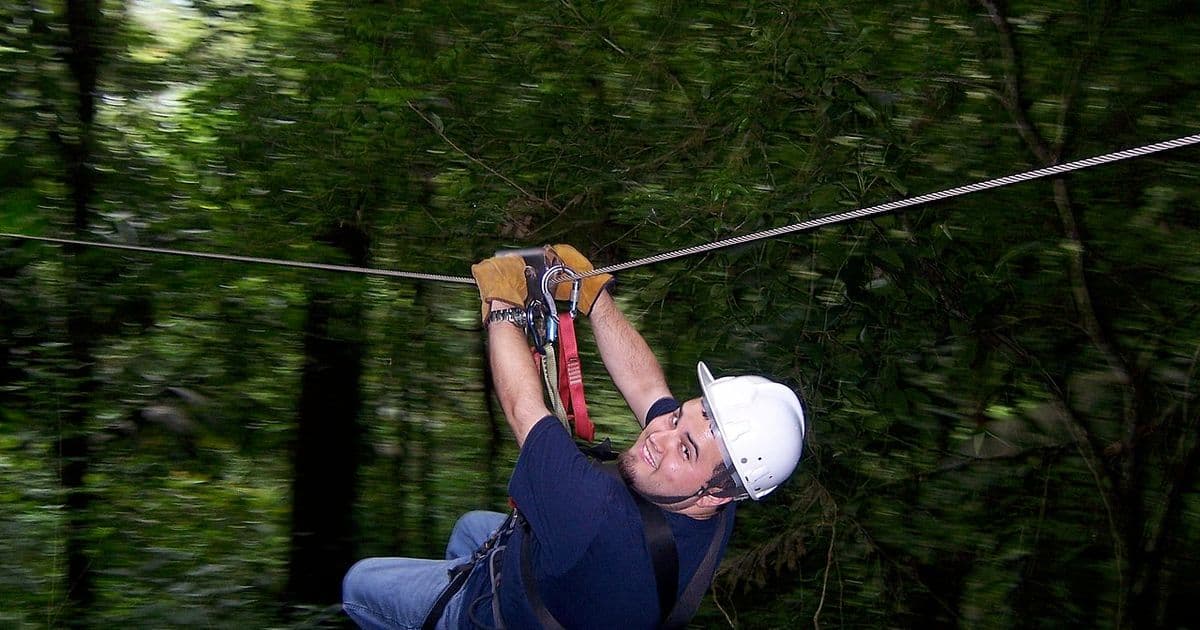
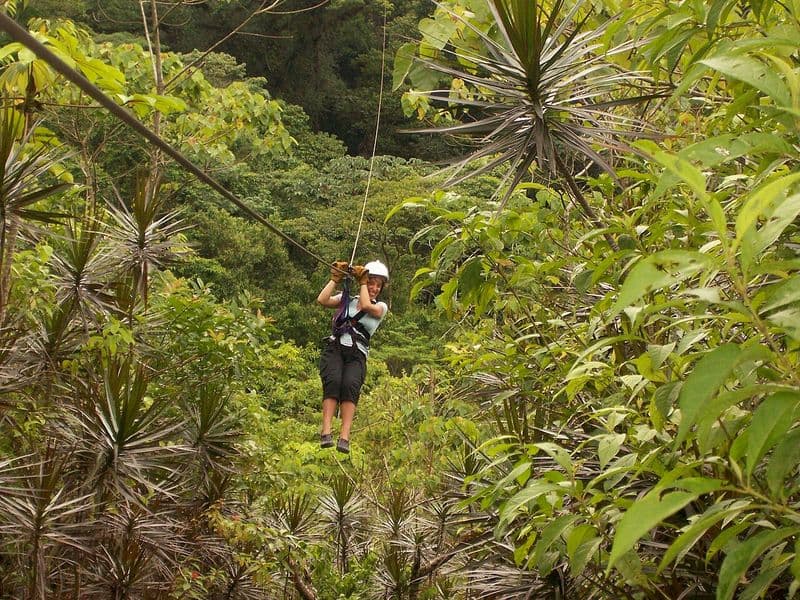
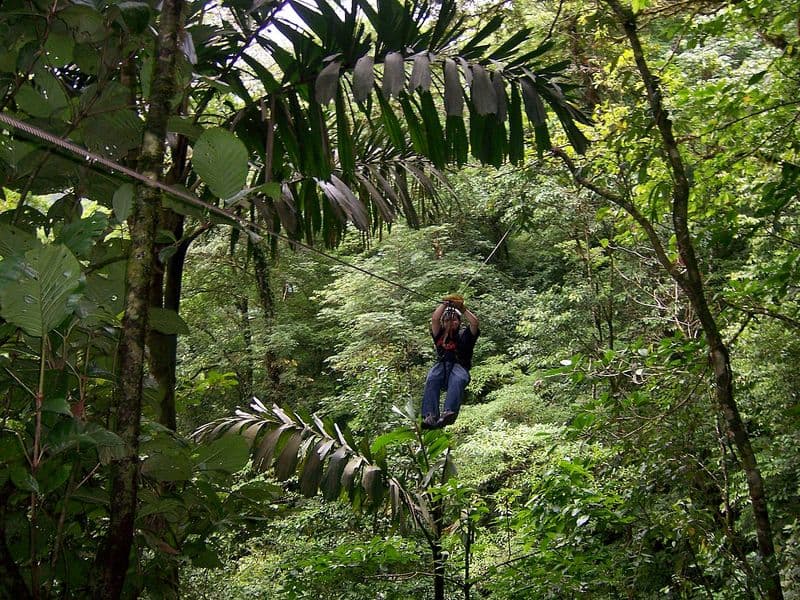
One of Costa Rica's greatest strengths as a yoga retreat destination is the extraordinary range of complementary activities available within the retreat setting or nearby. Adventure activities including surfing, zip lining, white-water rafting, kayaking, and stand-up paddleboarding are accessible from most retreat locations and are frequently integrated into retreat programming. The physical challenge and exhilaration of adventure sports creates an interesting contrast with the meditative stillness of yoga, and many practitioners find the combination deepens both experiences.
Wellness services complement yoga practice naturally. Costa Rica's abundance of natural hot springs in the Arenal region, combined with volcanic mud baths, provides therapeutic spa experiences grounded in geothermal geography rather than manufactured amenities. Therapeutic massage, Ayurvedic treatments, shamanic healing ceremonies, sound baths, and energy healing modalities including Reiki and theta healing are available at many retreat centers, allowing participants to construct a deeply personalized wellness itinerary.
Nature immersion is perhaps the most distinctive wellness element Costa Rica offers beyond the yoga shala. Guided night hikes to observe nocturnal wildlife, morning birdwatching with expert naturalist guides, swimming in jungle waterfalls, and snorkeling in crystal-clear coastal waters all provide profound sensory and emotional restoration. Many yoga teachers design their Costa Rica retreat programs specifically to leverage this natural abundance, structuring yoga practice and nature activities in deliberate sequence to create a holistic transformation arc across the retreat's duration.
Spa and Bodywork Integration
Leading retreat centers in Costa Rica partner with licensed massage therapists and healing practitioners to offer a menu of bodywork services alongside yoga programming. Swedish, deep tissue, Thai yoga massage, and specialty modalities like lomi lomi (Hawaiian massage) and abhyanga (Ayurvedic oil massage) are commonly available. Some centers offer couples massage packages for retreat participants traveling with partners, incorporating bodywork as a relational as well as individual wellness practice.
Frequently Asked Questions
What level of yoga experience do I need for a Costa Rica yoga retreat?
Costa Rica offers yoga retreats for all levels from complete beginners to advanced practitioners and teacher trainees. Many retreat programs explicitly welcome beginners and structure their curriculum to accommodate mixed levels. Always read retreat descriptions carefully to confirm the intended experience level before booking.
When is the best time to do a yoga retreat in Costa Rica?
Yoga retreats run year-round in Costa Rica. The dry season from December through April is most popular and offers reliable sunshine. The green season from May through November brings lush landscapes and fewer tourists, and morning yoga is rarely affected by afternoon rains. Both seasons have distinct appeals.
Is it safe to travel to Costa Rica for a yoga retreat?
Costa Rica is one of the safest countries in Central America and is politically stable with no standing army. Popular yoga retreat destinations like Santa Teresa, Nosara, and Arenal are considered very safe for tourists. Standard travel precautions—securing valuables, using reputable transportation, and following local advice—are sufficient.
How do I find a reputable yoga retreat in Costa Rica?
Research retreat centers directly on their websites and look for established track records of at least 3 to 5 years of operation. Read reviews on platforms like BookRetreats, Retreat Guru, or TripAdvisor. Verify that visiting teachers have verifiable credentials and that the center aligns with your desired yoga style and philosophical orientation.
Can I do a yoga retreat in Costa Rica as a solo traveler?
Absolutely. Solo travelers make up a large proportion of yoga retreat participants worldwide and in Costa Rica specifically. Retreat environments are naturally community-forming, and solo travelers often find retreat experiences among the most socially connective forms of travel. Many centers offer single supplement pricing for private room occupancy.