
Costa Rica Drinking Age: Legal Age, Alcohol Laws, and What Visitors Need to Know
The legal drinking age in Costa Rica is 18 years old, established by the Ley de Licores (Liquor Law) and applicable to the purchase and public consumption of all alcoholic beverages nationwide. Costa Rica's alcohol culture is relaxed and integrated into social life, with beer, guaro (local sugarcane spirit), wine, and cocktails readily available across sodas, bars, restaurants, and beach clubs. Understanding the rules and culture around alcohol helps visitors engage responsibly with the country's vibrant nightlife and social scene.
The Legal Drinking Age in Costa Rica
The legal minimum drinking age in Costa Rica is 18 years old. This applies to the purchase, possession, and public consumption of all alcoholic beverages throughout the country, including beer, wine, spirits, and any beverage containing alcohol. The law is codified in Costa Rica's Ley de Regulación y Comercialización de Bebidas con Contenido Alcohólico (Law for the Regulation and Commercialization of Alcoholic Beverages) and is enforced by the Ministerio de Hacienda (Ministry of Finance), which licenses alcohol retailers and producers, and by local authorities.
Businesses selling or serving alcohol — bars, restaurants, nightclubs, supermarkets, and liquor stores — are legally required to verify the age of customers who appear to be under the legal drinking age. Accepted forms of identification include a Costa Rican national identity card (cédula), a valid passport, or a driver's license with a photo. Foreign visitors under 18 should be aware that presenting a valid passport showing their age is the standard requirement, and businesses that serve minors face loss of their alcohol license and potential fines.
Enforcement of the drinking age in Costa Rica varies considerably by context. In established bars, restaurants, and nightclubs — particularly in San José and tourist areas — ID checks are relatively routine. At smaller sodas, neighborhood bars, and in more rural areas, age verification may be less rigorous. Regardless, the law is clear, and visitors should not assume that lax enforcement in specific venues indicates legal permissibility.
Comparison with Other Countries
Costa Rica's drinking age of 18 aligns with the majority of countries in the Americas and Europe. It is lower than the United States (21) and Canada (18–19 depending on province), making it a destination where U.S. travelers aged 18–20 can legally drink for the first time. This aspect of Costa Rica law is relevant to travel planning for young adults but should be approached responsibly — the permissive environment compared to U.S. norms requires particular self-awareness around alcohol consumption.
Costa Rica Alcohol Laws and Regulations
Costa Rica has a relatively liberal framework for alcohol sales compared to many countries. Alcohol is sold in supermarkets, pulperías (corner stores), dedicated licoreras (liquor stores), restaurants, bars, and beach kiosks. There are no blanket restrictions on hours of sale equivalent to strict blue laws in some U.S. states, though local municipalities have the authority to establish closing times for alcohol-serving establishments, which typically range from midnight to 2 a.m. in residential areas and later in explicitly commercial entertainment zones.
The "Ley Seca" (Dry Law) is a Costa Rican tradition of temporary alcohol sale prohibitions imposed during specific periods. Historically, a Ley Seca was enforced on election days to prevent intoxication from influencing voting. Costa Rica has also enforced periodic Ley Seca periods during Semana Santa (Holy Week), though this practice has been relaxed in recent years and full Ley Seca enforcement during Holy Week is no longer universal.
Drunk driving (conducción en estado de ebriedad) is illegal in Costa Rica and is enforced with police checkpoints (alcabales de alcoholemia) that have become significantly more common and rigorous in recent decades as the country has worked to reduce traffic fatalities. The legal blood alcohol limit for drivers is 0.05% (50 mg of alcohol per 100 ml of blood), lower than the U.S. limit of 0.08%. Penalties for drunk driving include fines, license suspension, and imprisonment in cases of causing accidents. Visitors who plan to consume alcohol should arrange transportation in advance and not drive after drinking.
Alcohol at the Beach
Drinking alcohol on public beaches is common in Costa Rica and generally tolerated in practice, though technically public intoxication is illegal. Beach bars and sodas along popular stretches serve alcohol freely, and it is common to see visitors and locals drinking beer, cocktails, and spirits in beach settings. However, visitors should exercise judgment — aggressive intoxication or disruptive behavior can result in police contact, and the combination of alcohol, ocean currents, and heat creates genuine safety risks that claim tourist lives every year.
Popular Alcoholic Beverages in Costa Rica
Costa Rica has a diverse alcohol culture that encompasses local spirits, imported wines and beers, craft beverages, and a growing cocktail scene. The most distinctly Costa Rican alcoholic beverage is guaro, a clear cane spirit that is the foundation of the national cocktail culture. Imperial and Pilsen beers, both domestic lagers, are the most widely consumed alcoholic beverages by volume in the country. In recent years, craft beer has grown from a novelty into a thriving industry.
Wine is available throughout Costa Rica but is almost entirely imported, primarily from Chile and Argentina, which produce good value at accessible prices. European wines are available at specialty shops and upscale restaurants but at significant import cost. The tropical climate is not conducive to wine grape cultivation, so locally produced wine is not part of the tradition.
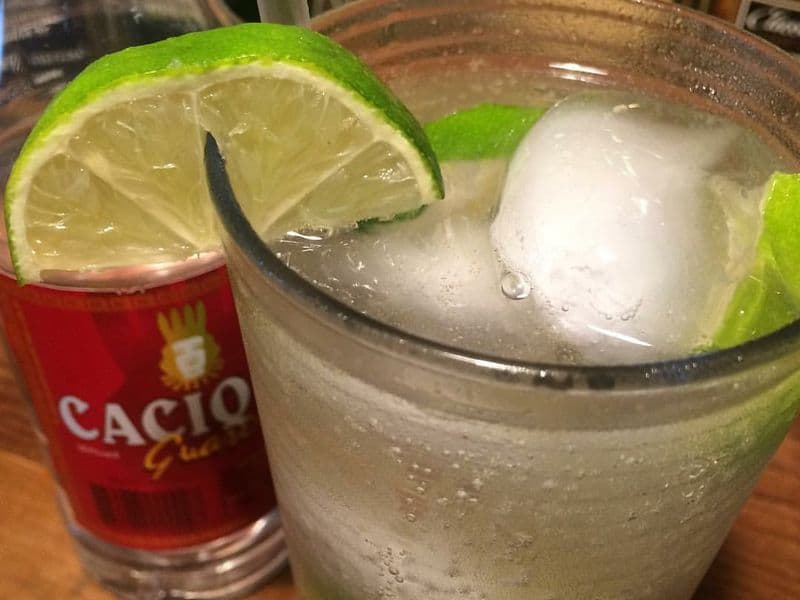
Cocktails featuring guaro as the base spirit are popular in bars and nightclubs. The Guaro Sour — guaro, lime juice, and sugar, sometimes with egg white — is a classic Costa Rican cocktail. Guaro and tonic, guaro and cola, and guaro mixed with tropical fruit juices are other common preparations. Imported spirits including rum, whisky, tequila, and vodka are available at all levels of the market.
Cacao and Artisan Beverages
Beyond the mainstream alcohol market, Costa Rica has a growing artisan beverage scene that includes cacao-based drinking chocolates in indigenous traditions, craft spirits, and specialty fermented beverages. Chicha, a fermented corn drink with indigenous origins, is still produced in some communities, though it rarely appears in commercial contexts. Artisan producers in the Tarrazú and Guanacaste regions are experimenting with locally grown botanicals for gin-style distillates, reflecting the global craft spirits trend adapted to Costa Rican ingredients.
Guaro: Costa Rica's National Spirit
Guaro is Costa Rica's national spirit and one of the most culturally significant alcoholic beverages in the country. It is a clear, unaged spirit distilled from sugarcane juice or molasses, with an alcohol content typically ranging from 30–35%, slightly lower than most international spirits. The dominant and most widely consumed brand is Cacique Guaro, produced by the government-owned FANAL (Fábrica Nacional de Licores), which holds a historical monopoly on commercial guaro production, though this monopoly has faced competition from private producers in recent years.
Guaro has a mild, slightly sweet flavor with a clean finish that makes it versatile for mixing. Unlike rum, which is also distilled from sugarcane, guaro is typically not aged in oak barrels, resulting in a clearer, more neutral spirit. Its mild flavor makes it accessible to people who find stronger spirits harsh, and its relative affordability compared to imported spirits has made it the everyday drink of choice for many Costa Ricans.
Cacique Guaro is so deeply embedded in Costa Rican popular culture that the brand name has become generic — "tomar guaro" (drinking guaro) is used colloquially to mean drinking alcohol in general, regardless of what is actually being consumed. The blue-and-silver Cacique bottle is an iconic image in Costa Rican popular culture, appearing in music, humor, and social commentary as a symbol of working-class celebration and camaraderie.
The Guaro Sour: Costa Rica's Cocktail
The Guaro Sour has become Costa Rica's signature cocktail, appearing on menus throughout the country and at Costa Rican-themed events internationally. The classic recipe combines guaro (typically 1.5–2 oz), fresh lime juice (1 oz), simple syrup (0.75 oz), and optionally a half ounce of egg white for frothiness, shaken vigorously with ice and strained into a glass. The result is a bright, citrus-forward drink that showcases guaro's mild character while providing balanced sweetness and acidity. Many bartenders add a dash of bitters or a splash of passionfruit juice for complexity.

Beer Culture in Costa Rica
Beer is the most commonly consumed alcoholic beverage in Costa Rica, and the domestic beer market is dominated by two lager brands: Imperial and Pilsen, both produced by Florida Ice and Farm Co. (FIFCO), the dominant beverage company in the country. Imperial, with its distinctive eagle logo, is the most popular beer in Costa Rica and is virtually synonymous with a cold beer in the country. Pilsen, slightly darker and fuller-bodied, has a loyal following. Bavaria (also FIFCO) is a lighter budget option.
Imperial beer is so culturally iconic that its logo — a black eagle on a gold background — appears on T-shirts, hats, stickers, and merchandise throughout Costa Rica, worn by locals and tourists alike. The phrase "una Imperial bien helada" (a well-chilled Imperial) is the quintessential Costa Rican request at a bar or beach vendor. These beers are served extremely cold, reflecting the preference for refreshingly chilled beverages in the tropical heat.
The craft beer movement has grown substantially in Costa Rica since the early 2010s. Breweries including Craft Costa Rica, Treintaycinco, Kolbi Brewing, and Steinvorth (among many others) now produce a wide range of styles including IPAs, stouts, sours, wheat beers, and lagers brewed with local ingredients. San José's Barrio Escalante neighborhood has emerged as the hub of the craft beer scene, with several tap rooms and specialty bars offering dozens of local craft options alongside standard imports. Craft beer is also available at specialty bottle shops in tourist areas throughout the country.
Imperial: More Than a Beer
Imperial beer's status in Costa Rica goes beyond its market dominance to genuine cultural iconography. The Imperial eagle logo, originally designed in the early 20th century, has become one of the most recognized symbols in the country, appearing on everything from bottle openers to phone cases. Imperial sponsors major sporting and cultural events, and its presence at Costa Rican celebrations is so expected that serving a different beer at a party might draw comment. For visitors, buying and drinking an Imperial is practically a ritual introduction to Costa Rican culture.
Where to Drink in Costa Rica
Drinking options in Costa Rica span a wide spectrum from rustic neighborhood pulperías where cold cans of Imperial are sold from an ice chest to sophisticated cocktail bars in San José's upscale neighborhoods. The "cantina" is a traditional working-class bar, typically plain in decor, serving cold beer, guaro, and sometimes simple food in an unpretentious environment. Cantinas remain important community gathering places in smaller towns and rural areas.
San José's Barrio Escalante has emerged as the capital's most vibrant nightlife and dining district, with a concentration of wine bars, craft beer taprooms, cocktail lounges, and restaurants appealing to young professionals, expats, and culturally curious visitors. The adjacent Barrio Amon and La California neighborhoods also have active bar scenes. In Santa Ana and Escazú (western suburbs), upscale malls and commercial strips house sports bars, nightclubs, and hotel bars catering to the expatriate community and wealthier Ticos.
Beach towns each have their own drinking culture. Tamarindo on the Pacific coast of Guanacaste has a lively bar strip along the main drag, busy with surfers, backpackers, and tourists. Jacó is known for a more intense nightlife scene including clubs and a party atmosphere. Manuel Antonio appeals to a mixed crowd with beach bars and restaurant terraces. Puerto Viejo on the Caribbean coast has a relaxed reggae-influenced bar scene that extends late into the night.
La Pulpería: The Neighborhood Institution
The pulpería is Costa Rica's ubiquitous neighborhood convenience store, found on virtually every block in every town and village. Most pulperías sell cold beer and occasionally other alcoholic beverages alongside household goods, snacks, and basics. Locals often gather outside pulperías in the evening — sitting on the stoop or in plastic chairs with a cold beer, talking with neighbors — creating an informal community gathering that represents one of the most authentic forms of Costa Rican social life. Visitors who venture into residential neighborhoods and observe this tradition will find it far more revealing of daily Tico culture than any tourist bar.
Responsible Drinking and Safety Tips
Costa Rica's relaxed atmosphere and relatively low prices for alcohol can create conditions where visitors drink more than they intend or are accustomed to. The tropical heat amplifies the effects of alcohol and accelerates dehydration, making it easy to underestimate one's level of intoxication. Staying well-hydrated with water alongside any alcohol consumption is essential, particularly at beach destinations where sun and heat compound the risk.
Never drink and drive in Costa Rica. The country has invested significantly in drunk driving enforcement, and checkpoints (alcabales) are common on roads leaving beach towns on holiday weekends. Beyond the legal consequences, Costa Rica's roads present genuine hazards even for sober drivers — poorly lit rural roads, sudden speed bumps (tumulos), free-ranging livestock, and narrow mountain routes require full alertness. Taxis (both traditional red taxis and app-based services like Uber and DiDi) are affordable and readily available in most populated areas.
Be aware of drink safety in crowded bar environments. While Costa Rica is safer than many countries in the region, petty theft targeting distracted or intoxicated tourists is a reality in popular nightlife areas. Keep valuables secure, travel in groups when possible, and be cautious about accepting drinks from strangers in unfamiliar venues. The vast majority of Costa Ricans are honest and welcoming, but tourist areas attract opportunistic crime, particularly in San José and Jacó.
Alcohol and Ocean Safety
A significant and under-discussed hazard in Costa Rica is the combination of alcohol and ocean swimming. Rip currents (corrientes) are a serious and sometimes fatal danger on Costa Rica's Pacific coast beaches, and swimming while intoxicated dramatically reduces a person's ability to respond appropriately to the current and call for help. The Costa Rican Red Cross lifeguard service (Cruz Roja) and the tourism authorities regularly warn visitors about this risk. Alcohol and ocean swimming should never be combined, and many of the drowning deaths that affect tourists in Costa Rica each year involve some degree of alcohol consumption.
Frequently Asked Questions
What is the drinking age in Costa Rica?
The legal drinking age in Costa Rica is 18 years old. This applies to the purchase and public consumption of all alcoholic beverages. Businesses serving alcohol are required to verify age, and valid identification (passport, driver's license, or Costa Rican ID) must be presented upon request.
Is alcohol easy to buy in Costa Rica?
Yes, alcohol is widely available in Costa Rica at supermarkets, liquor stores (licoreras), pulperías (corner stores), restaurants, bars, and beach kiosks. There are no national-level restrictions on hours of sale, though individual municipalities may have closing times for alcohol-serving establishments, typically between midnight and 2 a.m.
What is guaro in Costa Rica?
Guaro is Costa Rica's national spirit, a clear, unaged cane spirit with approximately 30–35% alcohol content. The dominant brand is Cacique Guaro, produced by the government-owned FANAL. It has a mild, slightly sweet flavor and is used as a base for the Guaro Sour cocktail or mixed with fruit juices, tonic, or cola. It is the most culturally iconic spirit in Costa Rica.
Can Americans under 21 legally drink in Costa Rica?
Yes. Costa Rica's legal drinking age is 18, which means U.S. citizens who are 18, 19, or 20 years old may legally purchase and consume alcohol in Costa Rica. Costa Rican law applies in Costa Rica regardless of one's home country laws. However, responsible consumption is strongly advised, particularly given the heat and ocean hazards.
Is drunk driving strictly enforced in Costa Rica?
Yes. Costa Rica has significantly increased drunk driving enforcement in recent years. Police checkpoints (alcabales de alcoholemia) are common, particularly on holiday weekends and on roads leaving beach towns. The legal BAC limit is 0.05%, stricter than the U.S. limit of 0.08%. Penalties include fines, license suspension, and jail time in cases involving accidents.