
Costa Rica Activities: The Complete Guide to Adventures and Experiences
Costa Rica activities span one of the most extraordinary ranges available anywhere in the world, from canopy zip lines above volcanic rainforests to world-class surfing on both Pacific and Caribbean coasts, world-record sport fishing, immersive yoga retreats, and some of the planet's most spectacular wildlife encounters. The country's remarkable biodiversity, diverse geography, and decades of adventure tourism development have created an activity ecosystem where first-time visitors and repeat travelers alike constantly discover new experiences. This guide covers the essential Costa Rica activities every visitor should know.
Costa Rica's Adventure Tourism Landscape
Costa Rica established itself as a global pioneer in adventure and ecotourism beginning in the late 1980s and early 1990s, when conservation-minded tourism policy and the invention of commercial zip lining created a template that the world would follow. Today, the country's adventure tourism industry is one of the most developed and well-regulated in the Americas, with a legal framework requiring activity operators to obtain ICT (Instituto Costarricense de Turismo) licenses, carry appropriate insurance, and meet minimum safety standards. This regulatory foundation provides visitors with a degree of consumer protection uncommon in developing-world adventure destinations.
The country's 51,100 square kilometers contain an extraordinary density of distinct ecological zones—tropical dry forest, humid lowland rainforest, cloud forest, mangroves, coral reefs, and high-altitude páramo grassland—that each support different and complementary activity ecosystems. This ecological diversity means that travelers can dramatically change their experience type by moving relatively short distances, making multi-region itineraries both logistically feasible and experientially rewarding. A week's itinerary covering Guanacaste beaches, Monteverde cloud forest, Arenal Volcano, and the Osa Peninsula delivers radically different experiences at each destination while remaining connected by paved roads or short domestic flights.
The economic structure of Costa Rica's activity sector supports a mix of large international operators and smaller locally-owned businesses. Budget travelers can access many activities at moderate prices through local operators and negotiation, while premium travelers can access world-class experiences at luxury resort prices. This pricing diversity makes Costa Rica accessible to a wide economic range of visitors, from backpackers seeking basic hostel-and-local-operator adventures to high-net-worth travelers seeking exclusive private experiences in remote wilderness settings.
How Costa Rica Compares Globally
In global adventure tourism rankings, Costa Rica consistently appears alongside New Zealand, Iceland, Nepal, and Patagonia as a top destination. Its advantages over competing destinations include year-round accessibility, proximity to North American markets, English-speaking hospitality infrastructure, political stability, and the sheer density of diverse activities concentrated in a small geographic area. A traveler can zip line, surf, see wild sloths, soak in a volcano-heated hot spring, and watch sea turtles nest—all within a single week.
Top Outdoor and Nature Activities
Zip lining (canopy tours) is Costa Rica's most iconic adventure activity and the one most closely associated with the country's adventure tourism brand globally. With over 50 licensed operators spanning the country from Guanacaste to the Osa Peninsula, canopy tours are available in virtually every major tourist destination. Top destinations for zip lining include La Fortuna near Arenal Volcano, Monteverde Cloud Forest, Manuel Antonio, and Santa Elena. Circuits range from beginner-friendly 8-cable tours to mega-zip experiences with individual cables exceeding 1,500 meters and speeds of 80 to 100 km/h.
White-water rafting is another anchor adventure activity in Costa Rica, driven by the country's abundant rivers fed by heavy rainfall in mountain ranges on both the Pacific and Caribbean slopes. The Pacuare River near Turrialba is internationally recognized as one of the top 10 white-water rivers in the world, featuring Class III and IV rapids through pristine primary rainforest gorges accessible only by river. The Balsa and Toro rivers near Arenal offer more accessible Class II to III rafting for beginners and families. The Sarapiqui River in the northern Caribbean lowlands combines rapids with extraordinary wildlife along its jungle-bordered banks.
Hiking and trekking through Costa Rica's national parks and reserves provides access to the country's biodiversity at a pace that allows genuine ecological engagement. Manuel Antonio, Corcovado, Monteverde, Arenal, Tortuguero, and Cahuita national parks each protect distinct habitats and species assemblages, with well-maintained trail systems suitable for day hikers through experienced wilderness trekkers. Night hikes—guided after-dark walks through primary forest—reveal the nocturnal dimension of tropical biodiversity, including kinkajous, red-eyed tree frogs, morpho moths, and scorpions visible under UV light.
ATV and Off-Road Adventures
All-terrain vehicle (ATV) tours through rainforest trails, river crossings, and mountain terrain are available near Arenal, Quepos, and Guanacaste. These tours provide an active, adrenaline-charged alternative to hiking for travelers who prefer motorized exploration of rural Costa Rican landscapes. ATV tours typically last 2 to 4 hours, pass through private agricultural land and forest areas, and include waterfalls or river swimming stops. Prices range from $70 to $120 USD per person for guided group tours.
Water-Based Activities
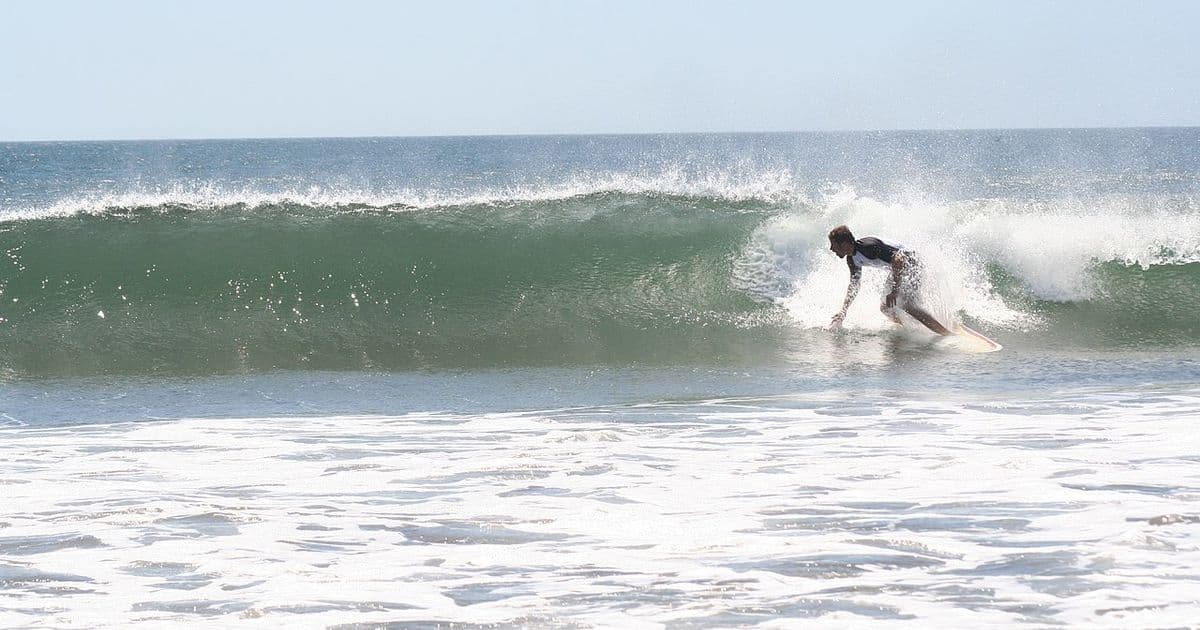
Surfing ranks among Costa Rica's most internationally celebrated activities. With consistent Pacific swells, warm water year-round, and dozens of excellent breaks spanning the spectrum from gentle beginner rolls to expert-level reef barrels, Costa Rica serves surfers of every level. Key surf towns include Tamarindo, Nosara, Jaco, Santa Teresa, Dominical, and Pavones on the Pacific; and Puerto Viejo de Talamanca on the Caribbean. Surf schools and camps are abundant in all these communities, providing professional instruction for beginners alongside board rentals and guiding services for independent surfers.
Sport fishing in Costa Rica's Pacific and Caribbean waters provides world-class angling for sailfish, marlin, yellowfin tuna, mahi-mahi, wahoo, roosterfish, tarpon, and snook. The country holds multiple IGFA world records and hosts international fishing tournaments, reflecting the genuine productivity of its offshore and inshore waters. Charter boats depart from Quepos, Los Sueños, Playa del Coco, Drake Bay, and the Caribbean coast's Rio Colorado lodge area daily during the season. Catch-and-release practices for billfish are universally observed by reputable operators.
Snorkeling and diving provide access to Costa Rica's extraordinary marine biodiversity without the physical demands of other adventure activities. Cocos Island, 550 kilometers offshore, is a UNESCO World Heritage Site and one of the top dive destinations in the world for large pelagic encounters including hammerhead shark schools. Caño Island off the Osa Peninsula is the premier mainland diving and snorkeling site. Caribbean reefs at Cahuita and Gandoca-Manzanillo offer classic tropical reef experiences with good coral cover. Snorkeling tours are available from virtually every coastal tourist hub.
Stand-Up Paddleboarding and Kayaking
Stand-up paddleboarding (SUP) and kayaking are available at virtually every coastal and river destination in Costa Rica. Flatwater SUP on mangrove estuaries, river lagoons, and protected bays provides a calm, meditative alternative to more intense adventure activities while still delivering wildlife encounters and scenic immersion. Kayaking tours in the Damas Estuary near Quepos and the Tortuguero canal system are among the finest wildlife-focused water experiences in the country.
Wellness and Retreat Experiences
Costa Rica has established itself as a premier global destination for yoga and wellness retreats, particularly in Nosara and Santa Teresa on the Nicoya Peninsula and in the Arenal region. The country's yoga retreat infrastructure ranges from boutique programs for a dozen participants to established retreat centers hosting hundreds of guests annually. Programs include weekend intensives, week-long yoga and wellness retreats, extended meditation and mindfulness retreats, yoga teacher training certifications (200-hour and 300-hour Yoga Alliance registered programs), and specialty programs combining yoga with surfing, plant medicine, or adventure activities.
Thermal hot springs are among Costa Rica's most distinctive wellness experiences, uniquely available due to the country's active volcanic geology. In the Arenal region, geothermal heat warms rivers and springs to temperatures of 38 to 42°C, creating natural therapeutic bathing experiences at facilities ranging from rustic natural springs to luxury spa resorts. Tabacon Grand Spa Thermal Resort, Baldi Hot Springs, Eco Termales Fortuna, and the Springs Resort and Spa are among the most popular facilities. Thermal bathing is particularly restorative after physically active days involving zip lining, hiking, or white-water rafting.
Spa and traditional healing services are widely available at Costa Rica's wellness-oriented properties. Massage traditions including Swedish, deep tissue, Thai, and specialty techniques like lomi lomi are available throughout the country. Several retreat centers and standalone spas offer Ayurvedic treatments, traditional healing ceremonies drawing on indigenous Central American plant medicine traditions, and sound healing practices. The country's wellness industry is a significant and growing component of its broader tourism economy.
Digital Detox and Mindfulness Tourism
Costa Rica has become a leading destination for digital detox travel—trips designed specifically around minimizing or eliminating smartphone and internet use for a defined period. Several retreat centers actively support digital detox with policies requiring devices to be stored during the retreat, creating social environments that support direct human connection and nature engagement. Research suggests that digital detox in natural environments significantly reduces stress hormone levels and improves sleep quality, providing measurable wellness benefits aligned with Costa Rica's broader retreat offerings.
Wildlife and Ecology Experiences
Wildlife watching is arguably Costa Rica's most compelling activity for the largest proportion of visitors, reflecting the extraordinary density and diversity of the country's fauna. Costa Rica protects approximately 5 percent of the world's biodiversity in its 30 national parks and 160 protected areas, which cover approximately 25 percent of the country's land area. This exceptional protected area network—maintained through government policy and conservation tourism revenue—allows healthy wildlife populations to persist in a country of only 5 million people.
Sea turtle nesting and hatching observation is available seasonally at several beaches. Olive ridley turtles gather in mass nesting events called arribadas at Playa Ostional on the Pacific, where tens of thousands of turtles nest simultaneously in one of the natural world's most spectacular events. Leatherback turtles—the world's largest reptile—nest at Playa Grande and Playa Langosta in Guanacaste from November through March. Green sea turtles nest along the Caribbean coast near Tortuguero, where the national park's turtle research and conservation program is one of the oldest and most successful in the world.
Wildlife sanctuary and rescue center visits offer educational encounters with injured or rescued animals being rehabilitated for release. The Kids Saving the Rainforest sanctuary in Manuel Antonio, the Jaguar Rescue Center in Puerto Viejo de Talamanca, and the Las Pumas Wildlife Center in Cañas are among the most well-regarded operations. These facilities treat injured sloths, monkeys, birds, and other wildlife and provide visitors with informative educational programs that deepen understanding of Costa Rica's ecological challenges and conservation successes.
Birdwatching in Costa Rica
Costa Rica is one of the world's premier birdwatching destinations, hosting over 900 recorded bird species—more than all of North America—in a country smaller than West Virginia. The resplendent quetzal in Monteverde cloud forest, scarlet macaws at Carara National Park and Palo Verde, keel-billed toucans in the Caribbean lowlands, and 50+ hummingbird species throughout the country are among the highlights. Dedicated birdwatching tours led by expert naturalist guides are available throughout the country and attract serious birders from around the world.
Planning Your Costa Rica Activity Itinerary
The most effective Costa Rica itineraries are built around geographic clusters rather than random point-to-point movement. The country's infrastructure—while improving—still involves significant travel time between regions, and maximizing time in each zone before moving to the next is more efficient than constant transit. A typical one-week itinerary might combine 3 nights in Arenal (zip lining, volcano hiking, hot springs, white-water rafting) with 4 nights in Manuel Antonio (national park hiking, snorkeling, surf lessons, wildlife tours). A two-week itinerary adds Monteverde or Guanacaste or the Osa Peninsula.
Activity booking timing requires planning during peak season (December through April) when popular operators fill up days in advance. For the most important or time-specific activities—a specific Cocos Island liveaboard departure, a yoga teacher training program, or a special event like an Ostional turtle arribada—booking weeks or months in advance is essential. For more commonly available activities like day hikes, city tours, and casual surf lessons, same-week booking is usually sufficient outside peak season.
Budget planning for Costa Rica activities should account for the per-activity cost model that characterizes most adventure tourism in the country. Unlike all-inclusive resorts, most Costa Rica experiences are purchased individually. A family of four spending one week might budget $100 to $200 USD per day on activities alone, in addition to accommodation, meals, and transport. Advance planning and comparison shopping between operators can significantly reduce costs without sacrificing experience quality, particularly for major items like Cocos Island diving or multi-day rafting expeditions.
Best Activities by Region
Guanacaste: surfing, zip lining, sport fishing, golf, turtle nesting (seasonal). Arenal: zip lining, white-water rafting, hot springs, hiking, ATV. Monteverde: zip lining, hanging bridges, cloud forest hiking, birdwatching. Manuel Antonio: national park hiking, snorkeling, surfing, wildlife watching. Osa Peninsula: sea kayaking, diving, fishing, hiking in Corcovado. Caribbean: surfing (Puerto Viejo), turtle nesting (Tortuguero), snorkeling, kayaking.
Frequently Asked Questions
What are the most popular activities in Costa Rica?
The most popular activities include zip lining (canopy tours), surfing, white-water rafting, wildlife watching (especially sloths, monkeys, and turtles), national park hiking, hot springs, and snorkeling/diving. Yoga retreats and sport fishing also attract large dedicated visitor segments. Most visitors combine 4 to 6 activities in a typical week-long trip.
What is the best time of year to visit Costa Rica for activities?
Costa Rica offers activities year-round. The dry season from December through April provides the most reliable weather for outdoor activities and beach experiences. The green season from May through November offers lush scenery, fewer crowds, lower prices, and better conditions for surfing (Pacific Coast) and wildlife viewing. Most activities operate regardless of season.
How much should I budget for activities in Costa Rica?
Budget $50 to $200 USD per person per day for activities depending on your choices. Zip lining costs $45 to $120, surf lessons $45 to $80, national park entry fees $10 to $18, wildlife tours $50 to $100. Multi-activity days in adventure hubs like Arenal can total $150 to $200 per person. Pre-booking bundles often saves 10 to 20 percent versus booking individually.
Are Costa Rica activities safe for families with children?
Yes. Many Costa Rica activities are highly suitable for families. Wildlife tours, national park hiking, snorkeling in calm bays, beginner surf lessons, and turtle watching are excellent family experiences. Zip lining requires minimum weights (typically 25 kg). White-water rafting has family-friendly sections on the Balsa and Toro rivers. Age-appropriate activity selection with reputable licensed operators ensures safe family experiences.
Do I need to book activities in advance in Costa Rica?
Advance booking is strongly recommended for peak season (December through April) when popular tours sell out. Major activities like Cocos Island liveaboards, yoga teacher training programs, and popular zip line circuits should be booked weeks to months ahead. For most standard activities during the green season, booking 1 to 3 days ahead is usually sufficient.