
Costa Rica Best Places to Visit: A Region-by-Region Guide
Costa Rica's best destinations span active volcanoes, misty cloud forests, Pacific surf towns, remote Caribbean villages, and some of the world's most biodiverse national parks. Choosing where to go depends on your interests, time available, and the kind of experience you want — and this guide gives you the full picture to decide.
Arenal Volcano and La Fortuna
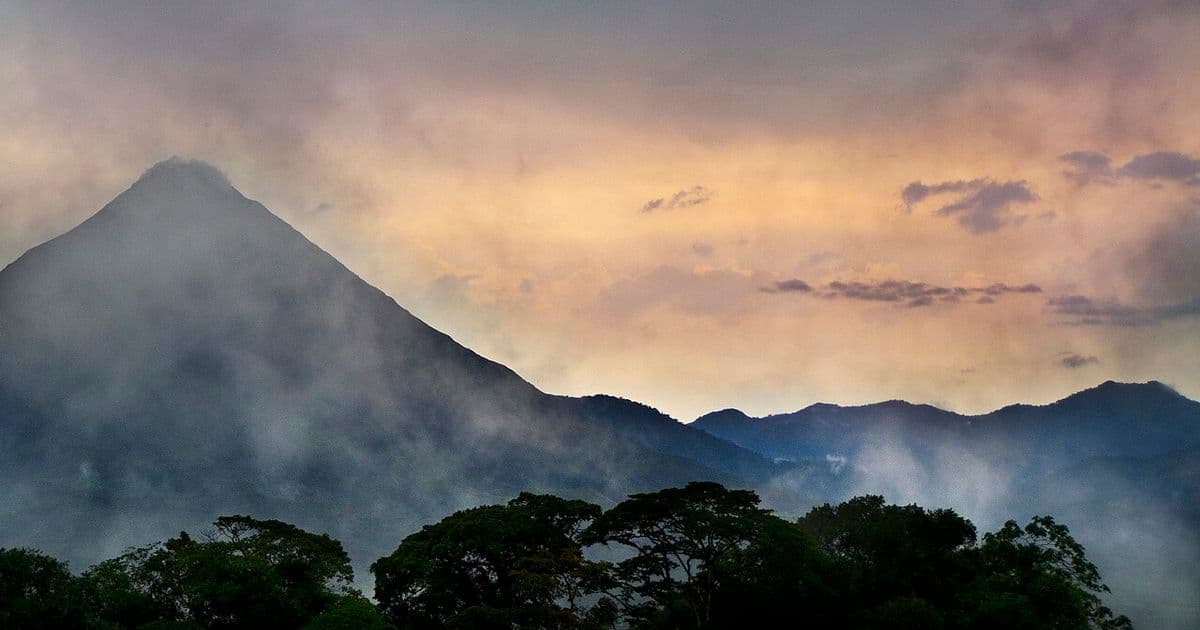
Arenal Volcano, looming over the small town of La Fortuna in the Northern Lowlands, is arguably the most iconic single image in Costa Rica travel. The perfectly symmetrical cone — 1,633 meters tall — dominated the skyline and erupted continuously from 1968 to 2010, providing one of the world's most accessible active volcano experiences. Though now dormant, Arenal remains breathtaking and serves as the backdrop for one of Costa Rica's most activity-rich destinations.
La Fortuna, the gateway town, has developed an impressive concentration of adventure and nature activities. White-water rafting on the Balsa and Toro rivers, ziplining through jungle canopy, hanging bridge walks, mountain biking, horseback riding, and hiking in Arenal Volcano National Park are all within easy reach. The Mistico Arenal Hanging Bridges Park offers 16 bridges through primary rainforest with excellent birding and wildlife.
Hot springs are the signature experience of the Arenal area. The geothermal heat from the volcanic system feeds numerous hot spring facilities ranging from free (the natural Río Cholín thermal stream is a hidden gem) to mid-range (Baldi, Eco Termales) to luxury (Tabacón Grand Spa, The Springs Resort, Nayara Springs — which has its own award-winning thermal pools and adults-only policy). Soaking in a thermal pool with the volcano silhouetted against a starry sky, possibly in light rain with frogs calling from the forest, is one of Costa Rica's most memorable experiences.
Best Time to See the Volcano
Arenal Volcano is often obscured by clouds — its altitude creates its own weather, and the volcano can disappear behind cloud cover even on otherwise sunny days. The best chance of clear views is early morning (6–9 AM) before clouds build. The dry season (December–April) generally offers more clear days than the rainy season, but the volcano can be cloud-free on any day of the year. Some travelers spend 3 nights hoping for a clear view and are rewarded; others are frustrated. Build your visit around the other excellent activities rather than planning entirely around volcano views.
Monteverde and the Cloud Forest
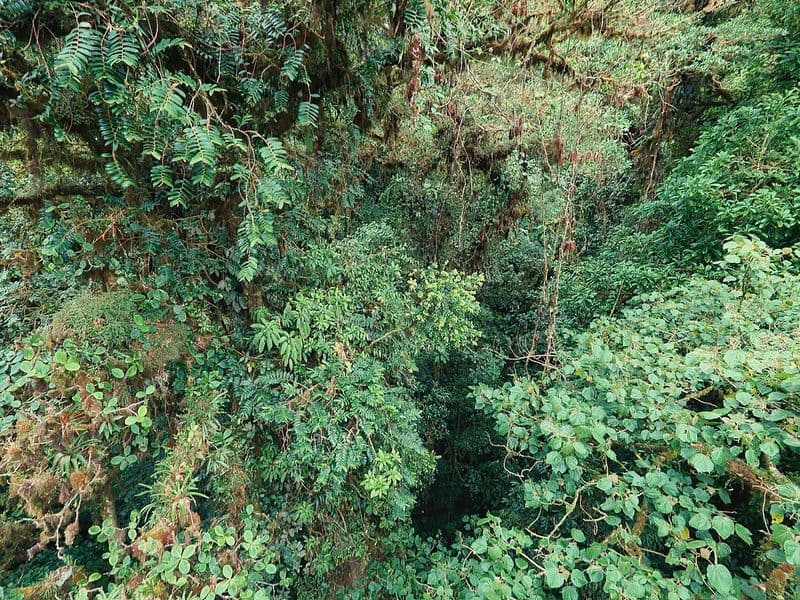
Monteverde Cloud Forest Reserve, perched on the spine of the Tilarán mountains at 1,440 meters elevation, is one of the world's most celebrated biodiversity hotspots. The reserve protects 10,500 hectares of cloud forest — a mystical ecosystem where trees are draped in mosses, bromeliads, and orchids, and low clouds drift through the canopy creating an ethereal, perpetually moist atmosphere. Over 400 bird species, 100 mammal species, and 1,200 amphibian and reptile species have been recorded here.
The resplendent quetzal — arguably Central America's most beautiful bird — nests in the cloud forest from February through April and is a primary draw for serious birdwatchers. Male quetzals display iridescent green plumage and tail feathers extending up to a meter, making a sighting genuinely extraordinary. Expert local guides dramatically improve quetzal encounter success rates; booking a dedicated birding guide is strongly recommended during quetzal season.
The commercial town of Santa Elena, adjacent to the reserve, has grown substantially over the past three decades and offers a full range of tour operators, restaurants, and accommodations. The Selvatura Biological Reserve and Sky Adventures (neighboring private reserves) also offer excellent wildlife experiences and infrastructure, including treetop walkways, butterfly gardens, frog exhibits, and hummingbird galleries. Monteverde's canopy zipline tours, offered by several operators, are some of the most exhilarating in the country, crossing through cloud forest on cables up to 3 kilometers long.
Children's Eternal Rainforest
Adjacent to Monteverde Cloud Forest Reserve, the Bosque Eterno de los Niños (Children's Eternal Rainforest) is the largest private reserve in Costa Rica, covering over 22,000 hectares. It was established by schoolchildren worldwide who raised money to purchase and protect rainforest land — a remarkable conservation origin story. The reserve has limited public access (the San Gerardo and Poco Sol stations offer overnight stays and guided walks), making it less crowded than the main reserve and offering a more remote wilderness experience.
Manuel Antonio and the Central Pacific
Manuel Antonio National Park combines accessible, well-maintained wildlife trails with some of the most beautiful beaches in Costa Rica — a combination that makes it the country's most visited national park and one of its most consistently praised destinations. The park protects a small but remarkably species-rich peninsula south of the town of Quepos, with four main beaches and a network of trails through lowland tropical forest.
Wildlife in Manuel Antonio is remarkably easy to observe. White-faced capuchin monkeys, three-toed and two-toed sloths, coatis, white-tailed deer, agoutis, and dozens of bird species including the blue-crowned motmot and chestnut-mandibled toucan are regularly encountered by park visitors. Squirrel monkeys (mono tití), an endangered species found only in a small range of Costa Rica's Pacific coast, are a highlight — the park is one of the best remaining places to see them.
The town of Quepos, 7 kilometers north of the park, serves as the main accommodation and restaurant hub for the area. A road connecting Quepos to the park entrance passes numerous hotels and eco-lodges built into the hillside with dramatic ocean and jungle views. Sunset from the hillside hotels above Manuel Antonio, watching the sun drop into the Pacific through jungle canopy, is one of the country's most memorable evening experiences.
Visiting Manuel Antonio National Park
Manuel Antonio National Park limits daily visitor numbers to protect the ecosystem, and entrance can sell out on weekends and holidays. Advance online reservations through the SINAC website are strongly recommended, particularly for weekends and during December–April peak season. The park opens at 7 AM and the best wildlife encounters happen in the first 2 hours after opening, before heat builds and animals retreat to shade. A licensed naturalist guide doubles or triples the number of species you'll spot on any trail.
Guanacaste and the Northern Pacific Coast
Guanacaste province is Costa Rica's primary beach tourism region, concentrated along the northern Pacific coast accessible from Liberia Airport (LIR). The dry season here (December–April) brings reliably sunny weather, calm Pacific waters, and ideal beach conditions — the contrast with the green, rainy central highlands is dramatic. Guanacaste's landscape is defined by rolling hills of seasonal dry forest (golden and brown in dry season, explosively green immediately after the first rains), cattle ranches, and dramatically blue Pacific bays.
Beach communities range from the lively, internationally developed Tamarindo (Costa Rica's most famous surf town and beach destination, with excellent restaurants, surf schools, and active nightlife) to the quieter luxury resort community of Playa Flamingo and the ultra-luxurious Four Seasons at Papagayo. Playa Conchal, accessible through the Westin Reserva Conchal all-inclusive resort, is considered by many to be among the most beautiful beaches in Costa Rica — its sand is composed of crushed white shells rather than rock or volcanic particles, creating an exceptionally fine, white beach surface.
Rincon de la Vieja Volcano National Park, approximately 40 kilometers from Liberia, is one of Guanacaste's most underrated attractions. The active geothermal zone features bubbling mud pools, fumaroles venting steam, hot springs, and a summit crater with an active acid lake. The park's trails pass through tropical dry forest with excellent wildlife — howler monkeys, white-faced capuchins, coatis, tapirs (occasionally), and abundant birdlife including toucans, trogons, and motmots.
Guanacaste Surf Scene
Guanacaste is one of the world's great surfing regions, with consistent Pacific swells, warm water, and numerous breaks suited to all skill levels. Tamarindo's beach break is perfect for beginners and intermediate surfers with reliable, manageable waves. Witch's Rock and Ollie's Point, accessible by boat from Playa del Coco, are legendary right point breaks featured in surf films and among the best waves in Central America. Nosara's Playa Guiones offers a long, clean beach break for intermediate surfers in a beautiful natural setting.
The Osa Peninsula and Corcovado
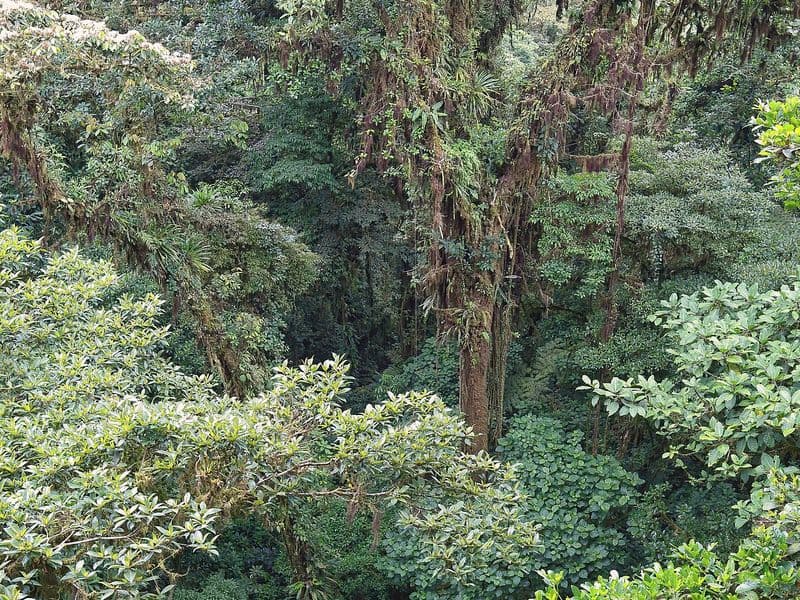
The Osa Peninsula, jutting into the Pacific Ocean in Costa Rica's far south, is the country's wildest and most biodiverse region. National Geographic famously described Corcovado National Park as 'the most biologically intense place on Earth,' and the designation holds: the park protects the largest remaining tract of lowland tropical rainforest on the Pacific coast of Central America, harboring tapirs, jaguars, pumas, ocelots, peccaries, 400+ bird species, 140+ mammal species, and an extraordinary diversity of reptiles, amphibians, and invertebrates.
Corcovado access requires advance planning — visitors must enter with a licensed SINAC-certified guide, and overnight stays require advance permits. The three main entry stations are La Leona (near Carate, accessible by 4WD and then walking on the beach), San Pedrillo (accessible by boat from Drake Bay), and Los Patos (accessed from Puerto Jiménez via river crossing). Each offers different trail systems through distinct habitats.
Drake Bay, on the north coast of the Osa Peninsula, is accessible only by small plane from San José or by boat from Sierpe, which gives it a genuine remoteness even by Costa Rica's standards. The lodges around Drake Bay — Aguila de Osa Inn, La Paloma Lodge, Drake Bay Wilderness Resort — offer superb wildlife observation, snorkeling at Caño Island, whale and dolphin watching in Drake Bay, and guided Corcovado day hikes. For travelers who want maximum biodiversity in a genuine wilderness setting, the Osa Peninsula is simply unmatched.
Getting to the Osa Peninsula
The most practical ways to reach the Osa Peninsula: domestic flight from San José (SJO) to Puerto Jiménez (35 minutes, ~$100–$150 each way on Sansa Airlines) or to Drake Bay airstrip (50 minutes); drive from San José to Puerto Jiménez via the Costanera highway (5–6 hours on paved road with final sections requiring 4WD during rainy season); or for Drake Bay, drive to Sierpe (near Palmar Norte) and take a boat transfer (1 hour through the mangrove estuary, a spectacular journey in itself). The remoteness is part of the appeal — embrace it.
Costa Rica's Caribbean Coast
Costa Rica's Caribbean coast is culturally and ecologically distinct from the Pacific side — a difference so pronounced that first-time visitors are often surprised by how different it feels from any other part of the country. The Afro-Caribbean cultural heritage of the region, introduced through Jamaican workers brought to build the Atlantic railroad in the late 19th century, permeates the food, music, architecture, and social atmosphere of communities like Cahuita and Puerto Viejo de Talamanca.
Tortuguero National Park, accessible only by boat or small plane from San José (approximately 4 hours by boat via Limón), is the primary nesting beach for Atlantic green sea turtles and is one of the most important sea turtle conservation sites in the world. From July through October, massive female green turtles emerge nightly to nest on the beaches; regulated night tours allow visitors to observe this extraordinary natural spectacle. Tortuguero's waterway system — a network of jungle-lined canals that serve as the village's roads — is rich in wildlife including river otters, caimans, kingfishers, great green macaws, and an abundance of monkeys and sloths.
Puerto Viejo de Talamanca in the far south is Costa Rica's most bohemian tourist destination — a small, colorful village with a strong surf culture, excellent Caribbean cuisine (try the rice and beans cooked in coconut milk, patí pastries, and rondon stew), and a relaxed, counter-cultural atmosphere somewhat at odds with the corporate eco-lodge model of the Pacific coast. Playa Salsa Brava, breaking over a shallow coral reef just offshore, is one of Central America's most famous and powerful surf waves.
Cahuita National Park
Cahuita National Park, centered on a small peninsula near the town of Cahuita, protects one of Costa Rica's best remaining coral reefs. Snorkeling in the calm, clear Caribbean waters around the reef reveals an impressive diversity of coral formations, tropical fish (angelfish, parrotfish, butterflyfish, wrasse), sea turtles, and nurse sharks. The park's beach trail through coastal forest is also one of the most accessible and rewarding short wildlife walks in the country, with sloths, monkeys, and abundant birdlife routinely encountered.
Nicoya Peninsula and Surf Destinations
The Nicoya Peninsula, the large, teardrop-shaped landmass on Costa Rica's central Pacific coast, is one of the country's most rewarding and least rushed regions for beach travel. Accessible by road (long but scenic) or by ferry across the Gulf of Nicoya from Puntarenas (a 1-hour crossing), the peninsula's Pacific coast is lined with small beach communities, each with its own character and appeal.
Nosara, on the peninsula's mid-northern coast, has become internationally famous in the wellness travel world for its combination of consistent, well-shaped surf (Playa Guiones is one of the best learning and intermediate-level waves in Costa Rica), yoga studios, organic restaurants, and boutique eco-lodges set in dry tropical forest. The community maintains building restrictions that have kept Nosara less developed and more natural-feeling than Tamarindo, making it beloved by travelers seeking a more subdued, holistic beach experience.
Santa Teresa and Mal País at the southern tip of the Nicoya Peninsula are a different kind of special: raw, rugged, and buzzing with an international surf, yoga, and digital nomad community. The long, powerful beach break at Playa Santa Teresa handles consistent south and north Pacific swells and attracts intermediate to advanced surfers. Montezuma, slightly north on the peninsula's Gulf side, has a spectacular 30-meter waterfall and a long-established backpacker tradition. Samara, quieter and family-friendly, has the most protected and calmest bay on the peninsula.
Blue Zone: Nicoya as a Longevity Destination
The Nicoya Peninsula is one of five 'Blue Zones' identified by researcher Dan Buettner — regions where people consistently live longer and healthier lives than global averages. The peninsula's traditional diet (corn tortillas, beans, squash, papaya, and fresh fish), active lifestyle, strong community bonds, and low stress environment contribute to exceptionally high concentrations of centenarians. This cultural identity has become part of Nosara and the broader Nicoya tourism identity, attracting wellness-oriented visitors seeking to understand and experience the lifestyle factors that contribute to longevity.
Frequently Asked Questions
What is the best place to visit in Costa Rica for first-timers?
For first-time visitors, the combination of La Fortuna/Arenal (volcano, hot springs, adventure), Monteverde (cloud forest, ziplining), and Manuel Antonio (wildlife trails, stunning beach) is the classic and most consistently praised itinerary. Each destination is accessible, well-developed for tourism, and delivers iconic Costa Rica experiences that satisfy wildlife, adventure, and beach interests.
What is the most beautiful place in Costa Rica?
Beauty is subjective, but the Osa Peninsula and Corcovado National Park consistently earn the most superlatives from naturalists and wildlife travelers. For pure beach beauty, Playa Conchal in Guanacaste and the beaches around Cahuita on the Caribbean coast are extraordinary. Manuel Antonio's combination of jungle-framed beaches and easy wildlife is also regularly cited as among the most beautiful landscapes in all of Central America.
Where should I go in Costa Rica for nature?
The top nature destinations: Corcovado National Park (Osa Peninsula) for maximum biodiversity and remote wilderness; Monteverde Cloud Forest for quetzals, cloud forest ecology, and birdwatching; Tortuguero National Park for sea turtle nesting, river wildlife, and canal exploration; Manuel Antonio for accessible wildlife in a smaller national park setting; and Arenal for wildlife combined with volcanic landscape and hot springs.
Is Tamarindo or Manuel Antonio better for a beach trip?
Tamarindo is better for surf, nightlife, water sports, and the classic Guanacaste 'resort town' experience. Manuel Antonio is better for combining beach with world-class wildlife encounters in an adjacent national park. Tamarindo suits energetic beach-goers who want activity and options; Manuel Antonio suits travelers who want nature and beach in one gorgeous, relatively compact destination. Both have excellent accommodation and dining options.
Is the Osa Peninsula worth visiting?
Absolutely — for the right traveler. The Osa Peninsula is the most biodiverse and most remote mainstream destination in Costa Rica. It requires more planning, physical fitness, and logistical effort than more accessible destinations, and it's more expensive (remote lodges command premium prices). But the wildlife density in Corcovado, the pristine condition of the ecosystem, and the genuine sense of wilderness make it the destination most frequently described as life-changing by those who experience it.