
Costa Rica Capital: San José — Heart of the Nation
The capital of Costa Rica is San José, a vibrant highland city of approximately 350,000 residents (2.1 million in the greater metropolitan area) situated in the Valle Central at an elevation of 1,172 meters above sea level. San José serves as Costa Rica's political, economic, and cultural center, housing the national government, central bank, major universities, international airport, and the country's most significant museums and cultural institutions. Despite its reputation as a city travelers pass through quickly, San José is a dynamic, rewarding destination in its own right.
San José: Capital City Basics
San José (officially San José de Costa Rica) is the largest city in the country and serves all the functions expected of a national capital: it is the seat of the executive, legislative, and judicial branches of government; the home of major universities including the Universidad de Costa Rica (UCR); the center of the national banking system; and the hub of Costa Rica's road and air transport networks. The city's metropolitan area, known as the Gran Área Metropolitana (GAM), encompasses the cities of Alajuela, Cartago, and Heredia in addition to San José itself.
San José sits in a broad inter-Andean basin called the Valle Central, ringed by volcanic mountains including Poás (2,708 m) to the northwest, Barva (2,906 m) to the north, and Irazú (3,432 m) to the east. This geographic position, combined with the city's elevation of approximately 1,172 meters, gives San José a remarkably mild climate — temperatures rarely exceed 28°C or fall below 14°C — often described as perpetual spring. The surrounding mountains generate dramatic afternoon cloudscapes that frame the city on clear mornings.
The city's street layout follows a rough grid in the historic center, with Avenida Central running east-west and Calles (numbered streets) running north-south. However, Costa Rica's traditional address system uses landmark-based directions rather than street numbers, which can make navigation challenging for first-time visitors unfamiliar with the local landmarks. The Paseo Colón is the main western boulevard; the Plaza de la Cultura and Plaza de la Democracia mark the cultural and political center of downtown respectively.
Population and Demographics
San José province has a population of approximately 1.4 million, while the city proper holds around 350,000. The Gran Área Metropolitana housing San José, Alajuela, Cartago, and Heredia together contains over 2.1 million people — roughly 40% of Costa Rica's total population. The city is ethnically diverse, with a majority of mestizo (mixed European and indigenous) Costa Ricans alongside significant communities of immigrants from Nicaragua, Colombia, the United States, Europe, China, and various other countries that have settled in San José over the past half-century.
History of San José as Capital
San José was officially founded on March 19, 1738, though the settlement had existed informally for some years before receiving formal recognition. The town initially competed with Cartago (the earlier colonial capital established in 1563) for economic and political supremacy in the Valle Central. The rivalry between San José and Cartago came to a head in 1823 in a brief armed conflict called the Battle of Ochomogo, in which forces loyal to San José defeated pro-Cartago troops. Following this battle, San José was designated the national capital, a status it has maintained ever since.
San José grew rapidly in the mid-19th century due to the coffee boom that transformed Costa Rica's economy and society. Coffee exports to Europe generated wealth that funded public infrastructure, education, and cultural institutions. The Teatro Nacional (National Theater), completed in 1897 and modeled after the Paris Opera House, was funded by a voluntary tax on coffee exports — a reflection of the coffee barons' cultural ambitions for their capital city. By the late 19th century, San José had electric streetcars, electric lighting, and other modern infrastructure ahead of many regional peers.
The 20th century brought rapid urbanization, the 1948 Civil War that led to the abolition of the military and the promulgation of the current constitution, and steady economic development driven by coffee, bananas, tourism, and later technology and business services. San José today is a modern capital with high-rise buildings, international hotel chains, major universities, and a growing technology sector, while retaining its historic core of colonial and early 20th-century architecture in the central districts.
The 1948 Civil War and Its Impact
The Costa Rican Civil War of 1948 lasted only 44 days but had lasting consequences for San José and the entire nation. Led by José Figueres Ferrer (popularly called Don Pepe), the revolutionary forces defeated the government army and took control of San José. The resulting junta abolished the military entirely in 1948, redirecting defense spending to education and healthcare. This decision, enshrined in the 1949 constitution, is celebrated as defining Costa Rica's pacifist national identity and has been maintained for over 75 years, making Costa Rica one of the few nations in the world without an army.
Government and Political Role
As the national capital, San José is home to all three branches of Costa Rica's democratic government. The executive branch is headquartered at the Casa Presidencial (Presidential House) in the Zapote district of San José, where the president of the republic — elected by direct popular vote to a four-year non-renewable term — resides and works. The Asamblea Legislativa (Legislative Assembly), Costa Rica's unicameral parliament with 57 elected deputies, meets in the Asamblea Legislativa building near the Plaza de la Democracia in downtown San José.
The Corte Suprema de Justicia (Supreme Court of Justice), Costa Rica's highest judicial body, is also located in downtown San José. Costa Rica is organized as a unitary democratic republic with a strong tradition of electoral integrity — the Tribunal Supremo de Elecciones (Supreme Electoral Tribunal) is considered one of the most independent and respected electoral bodies in Latin America and has overseen peaceful transfers of power through multiple election cycles since 1948. The Banco Central de Costa Rica (Central Bank), also in San José, manages monetary policy and the Costa Rican Colón.
Several important international organizations have their regional headquarters in San José, reflecting Costa Rica's reputation for stability and rule of law. The Inter-American Court of Human Rights, established in 1979, is located in the Barrio México district of San José — one of only a handful of international judicial bodies seated in Latin America. The United Nations University for Peace (UPEACE) is located near the Valle Central, and the Inter-American Institute for Cooperation on Agriculture (IICA) has a major presence in the city. These institutions contribute to San José's significance within the broader Latin American diplomatic and international development community.
Costa Rica's Democracy
Costa Rica consistently ranks as the oldest and most stable democracy in Central America, and San José's institutions reflect this tradition. Presidential elections held every four years are managed by the independent Tribunal Supremo de Elecciones, which has built an international reputation for transparency and impartiality. Costa Rica has never experienced a military coup since 1948, and peaceful transfers of power between different political parties are routine. The country's political culture, while not without corruption challenges, is characterized by strong civil society, a free press, and functioning rule of law.
Culture, Arts, and Museums
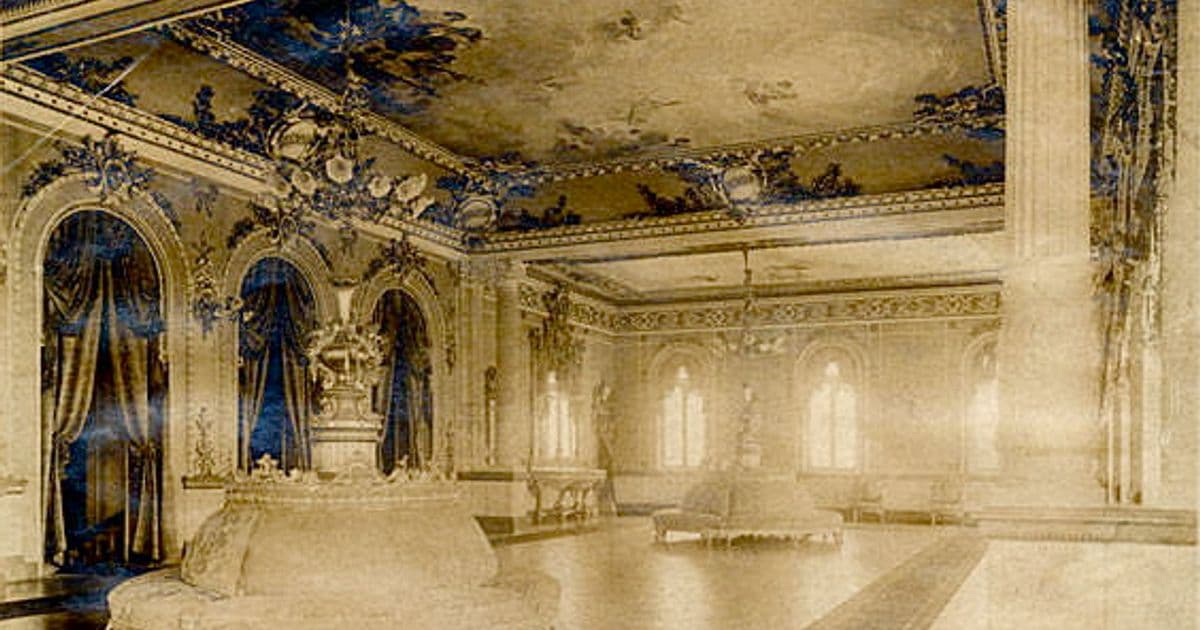
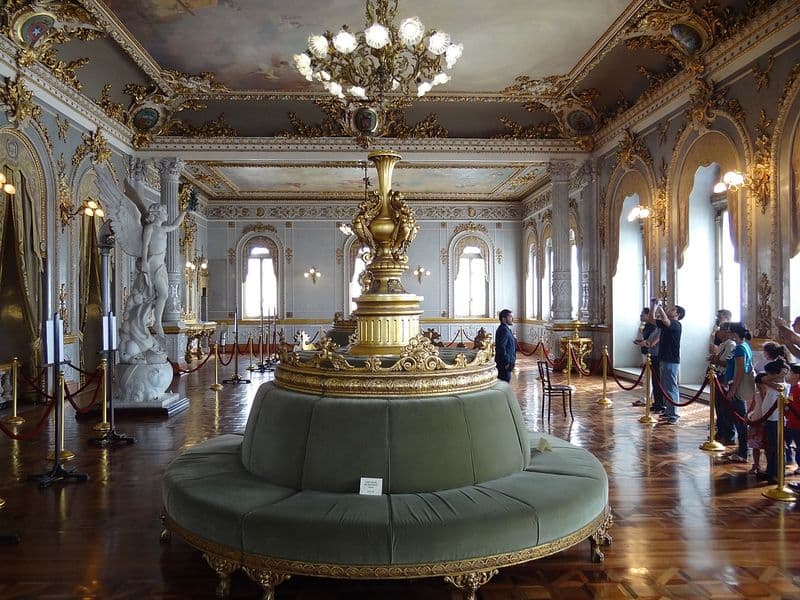
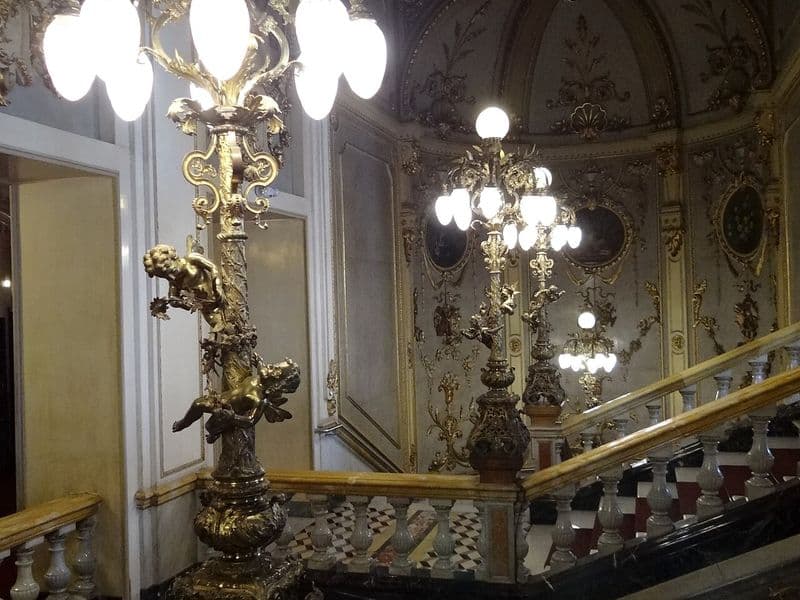
San José's cultural landscape is rich for a capital of its size. The Teatro Nacional (National Theater) on the Plaza de la Cultura is the jewel of Costa Rican cultural heritage — a beautifully preserved Italian Renaissance building completed in 1897 that hosts concerts, theater, opera, and dance performances year-round. The theater's interior, with marble floors, gilded balconies, and a famous allegorical ceiling painting depicting coffee and banana harvests, is one of the most beautiful interior spaces in Central America.
The museum network is impressive. The Museo del Jade (Jade Museum), with over 7,000 artifacts including the world's largest collection of pre-Columbian jade, is internationally recognized. The Museo de Oro Precolombino (Pre-Columbian Gold Museum) beneath the Plaza de la Cultura holds 1,600+ gold pieces from Costa Rica's pre-Columbian cultures. The Museo Nacional de Costa Rica in the Bellavista Fortress presents natural and cultural history. The Museo de Arte y Diseño Contemporáneo (Contemporary Art and Design Museum) showcases Central American contemporary art in the historic National Liquor Factory building.
San José's cultural calendar includes major festivals and events throughout the year. The International Arts Festival (Festival Internacional de las Artes, or FIA) brings international performers in theater, dance, and music to venues across the city for approximately two weeks, held biennially in even-numbered years. The Transitarte festival celebrates street art and urban culture. The city's thriving craft beer scene, with several dozen breweries and taprooms now operating in San José, has created new cultural gathering spaces that complement the traditional theater and museum circuit.
Barrio Escalante Food Scene
Barrio Escalante, a compact neighborhood just east of downtown San José, has evolved over the past decade into the most exciting dining and cultural district in the country. The "Paseo Gastronómico La Luz" (the name applied to Calle 33 in Barrio Escalante) and surrounding streets contain dozens of independent restaurants, craft breweries, coffee roasters, and bars in repurposed residential buildings. The neighborhood reflects San José's broader transformation from a city travelers pass through to one that rewards dedicated exploration.
Economy and Business in San José
San José is the economic engine of Costa Rica, generating the majority of the country's GDP and serving as headquarters for most major domestic corporations and virtually all multinational companies with Costa Rican operations. The economy of the GAM is increasingly service-based, with particular strength in tourism services, financial services, call centers and business process outsourcing, medical devices manufacturing, and technology. Costa Rica has successfully attracted major technology companies including Intel, Amazon, Cisco, IBM, Baxter International, and numerous others to locate significant operations in the metropolitan area.
The medical technology and life sciences sector has become particularly important, with Costa Rica now among the world's top exporters of medical devices per capita. This sector employs tens of thousands of workers in the GAM and has driven demand for skilled technical labor, pushing investment in STEM education at local universities. Medical tourism has also grown significantly, with hospitals like CIMA and Clínica Bíblica in San José attracting patients from North America seeking high-quality, affordable elective procedures including orthopedic surgery, dental work, and cosmetic procedures at dramatically lower costs than in the United States.
Real estate development in San José and the surrounding metropolitan area has accelerated considerably since 2010, driven by urbanization, growing expat communities, tourism investment, and the expanding professional class. Luxury condominium towers have transformed the skylines of Escazú, Santa Ana, and portions of San José itself. Commercial real estate in the form of office parks, data centers, and mixed-use developments continues to expand to accommodate the technology and services sector. This growth has also produced traffic congestion that is among the most severe in Central America, particularly on major arteries during morning and evening rush hours.
Technology and Innovation
Costa Rica's investment in education, political stability, bilingual workforce, and favorable business environment has made San José's metropolitan area a significant technology hub within Latin America. The country consistently ranks among the top destinations in the region for foreign direct investment in technology. The Zona Franca Metropolitana in the western suburbs and the Parque Industrial in Alajuela are major free trade zones where many technology companies operate. Local startups and venture capital investment have also grown, supported by organizations like the Costa Rican Investment Promotion Agency (CINDE) and incubators at UCR and other universities.
Living and Visiting the Capital
San José draws two distinct types of visitors: travelers passing through en route to beaches and national parks (who might spend one or two nights), and those who come specifically to experience the city. Both benefit from understanding the city's neighborhoods. For sightseeing, the historic center (including the Teatro Nacional, Central Market, and Plaza de la Cultura), Barrio Amón (colonial architecture and boutique hotels), and La Sabana metropolitan park are the primary attractions reachable on foot or by short taxi ride.
For dining and nightlife, Barrio Escalante and Los Yoses are the destinations of choice for the evening. The city's restaurant scene covers Costa Rican traditional food, Peruvian, Japanese, Italian, Mexican, and numerous other cuisines at price points from budget local sodas to upscale tasting menus. Coffee culture is strong — San José has excellent specialty coffee shops serving high-quality Costa Rican beans, a point of national pride in a country that has been growing and exporting coffee for nearly two centuries.
Expats and long-term residents find San José comfortable and livable, particularly in the western suburbs of Escazú and Santa Ana that offer modern amenities, good international schools, healthcare facilities, and shopping. The climate is extraordinarily pleasant year-round, healthcare costs are far below North American levels, and the cultural and social life is diverse and active. Costa Rica's retirement and pensionado visa program has attracted significant numbers of foreign retirees to the San José metropolitan area, who enjoy the combination of modern conveniences, excellent healthcare, and relatively low cost of living compared to North America or Europe.
Day Trips from the Capital
San José's central location makes it an outstanding base for day trips. Poás Volcano (1.5 hours northwest) is the closest active volcano with road access to the crater rim. Irazú Volcano (1.5 hours east) is Costa Rica's highest peak with dramatic crater lakes and occasional Pacific-to-Caribbean views. The Pacuare River white-water rafting (2.5 hours east) is considered one of the best rafting experiences in the Americas. Monteverde (3–4 hours northwest) offers cloud forest experiences. The Caribbean beach town of Puerto Viejo (3.5 hours east) and the Central Pacific beach of Jacó (1.5 hours west) are the closest ocean destinations.
Frequently Asked Questions
What is the capital of Costa Rica?
The capital of Costa Rica is San José, officially known as San José de Costa Rica. It is located in the Valle Central (Central Valley) at an elevation of 1,172 meters and has been the national capital since 1823 following the Battle of Ochomogo. San José is the largest city in the country and serves as the seat of all three branches of national government, the center of the national banking system, and the main international air gateway.
Has Costa Rica always had San José as its capital?
No. Cartago was the original colonial capital of Costa Rica, established in 1563. San José became the capital in 1823 after forces loyal to San José defeated pro-Cartago forces in the brief Battle of Ochomogo, fought during the early years following independence from Spain. The rivalry between San José and Cartago reflected broader political and economic competition between the two cities during the early colonial period, with San José's growing coffee-export economy ultimately giving it the upper hand.
Why is San José's climate so mild?
San José's exceptionally mild climate (temperatures typically between 17°C and 26°C year-round) results from its elevation of approximately 1,172 meters in the Valle Central. At this altitude, the tropical heat is significantly moderated by elevation, while the surrounding mountains shield the city from extreme temperature swings. This combination produces what many describe as a 'perpetual spring' climate that is one of the most comfortable found in any major tropical city.
Is San José worth visiting as a destination?
Yes. While many travelers treat San José as a transit point, the city deserves at least two full days for exploration. The National Theater, Jade Museum, Gold Museum, National Museum, Central Market, and Barrio Escalante food scene collectively offer a cultural experience comparable to many established capital cities. The city also provides outstanding access to day trips: Poás and Irazú volcanoes, Pacuare River rafting, coffee farm tours, and cloud forest hiking are all within 1.5–3 hours.
Where is Juan Santamaría International Airport relative to San José?
Juan Santamaría International Airport (IATA: SJO) is located in the city of Alajuela, approximately 18 kilometers northwest of downtown San José. Travel time between the airport and the city center is typically 25–45 minutes by taxi or Uber under normal conditions, though it can extend to 60+ minutes during peak morning and evening rush hours on weekdays. The airport is named after Juan Santamaría, a young Costa Rican soldier who became a national hero by torching the fortified position of the invader William Walker's forces in 1856.