
Costa Rica Cities: A Guide to the Country's Major Urban Centers
Costa Rica is predominantly a small-town and rural nation, but its urban centers offer rich historical, cultural, and commercial experiences that complement the country's celebrated natural attractions. From the cosmopolitan capital of San Jose to the colonial elegance of Cartago, the colonial architecture of Alajuela, and the cattle-ranching frontier spirit of Liberia, each of Costa Rica's major cities has a distinct character shaped by geography, history, and the economic activities of its surrounding region.
San Jose: The Capital City
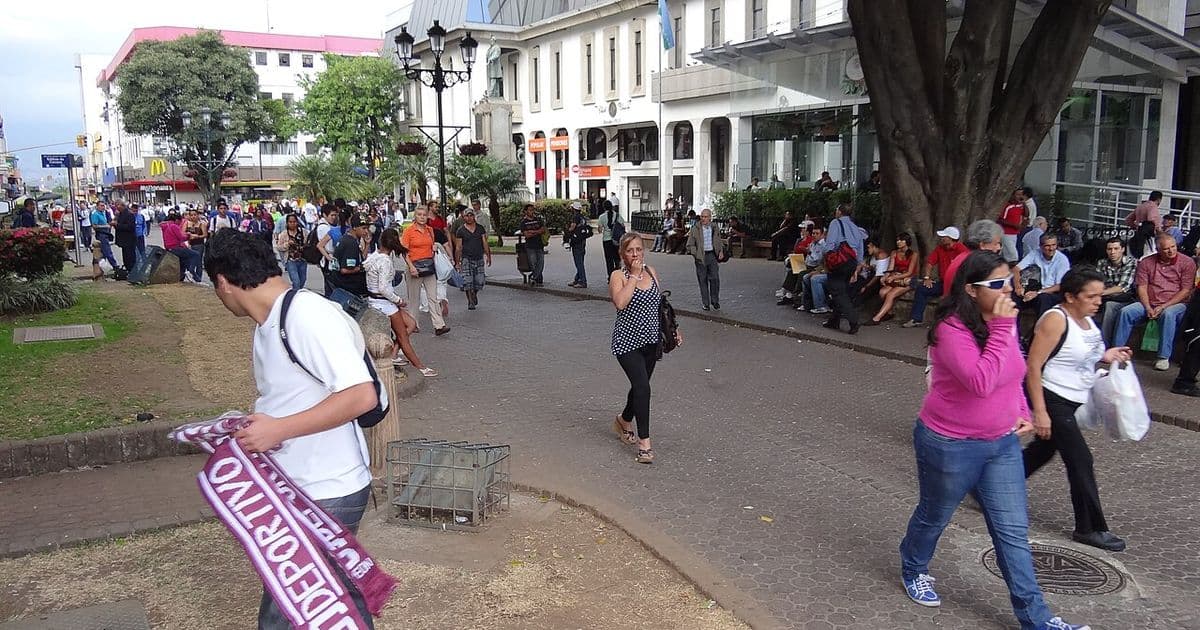
San Jose is Costa Rica's capital and by far its largest city, with approximately 350,000 residents in the city proper and over 2 million in the greater metropolitan area. Located in the Central Valley at 1,170 meters elevation, the city enjoys a year-round temperate climate of 18 to 26 degrees Celsius that has long attracted settlement and economic activity.
As the national capital, San Jose houses Costa Rica's government, Supreme Court, National Legislative Assembly, and major public institutions. It is also the country's commercial, financial, and cultural center, home to the best museums, restaurants, universities, and entertainment venues in the country. The Teatro Nacional, the Pre-Columbian Gold Museum, the Jade Museum, and the National Museum are among the capital's premier cultural institutions.
San Jose is divided into distinct neighborhoods (barrios) with very different characters. Barrio Amon and Barrio Otoya preserve Victorian and Art Nouveau architecture from the coffee boom era. Barrio Escalante is the dining and nightlife hub. La Sabana hosts the national stadium and the Metropolitan Park. San Pedro is the university district. Most of the city's attractions are accessible by taxi, rideshare, or walking for visitors based in the central hotel zone.
San Jose as a Tourist Base
Many international visitors spend minimal time in San Jose, using it primarily as a transit hub through Juan Santamaria International Airport. However, 1 to 2 days exploring the capital's museums, food markets, colonial architecture, and restaurant scene rewards those who pause to look beyond the bus terminals and hotel lobbies. San Jose's day trip proximity to Poas Volcano, La Paz Waterfall Gardens, and Cartago makes it a practical base for Central Valley exploration.
Liberia: Gateway to Guanacaste
Liberia is the capital of Guanacaste Province and Costa Rica's second-most-important city for international tourism, thanks primarily to the Daniel Oduber Quiros International Airport that serves the entire Guanacaste region. The airport has transformed Liberia from a provincial cattle market town into a busy transit hub for resort visitors, though the city itself retains a distinctly frontier, cattle-country character far removed from the polished resort zones it serves.
Liberia's historic center features some well-preserved 19th and early 20th century colonial architecture on the main streets surrounding the central park. The white-washed churches, ox-cart workshops, and traditional Chorotega indigenous craft presence in the surrounding villages give the city a cultural distinctiveness within Guanacaste. The city is nicknamed the White City (Ciudad Blanca) for the white calcareous stone used in traditional local buildings.
As a traveler's stopover, Liberia offers supermarkets, banks, pharmacies, and a range of accommodation from budget guesthouses to modern business hotels convenient to the airport. Most visitors pass through Liberia quickly en route to Guanacaste's beach destinations, but those who linger can explore the Tempisque River basin wetlands, the Rincon de la Vieja volcanic area, and Santa Rosa National Park from the city as a base.
Liberia Airport (LIR)
The Daniel Oduber Quiros International Airport (LIR) is Costa Rica's second international airport and the primary gateway for Guanacaste. It handles direct international flights from major North American cities and processes far smaller passenger volumes than San Jose's airport, making the immigration and baggage claim experience typically faster and less stressful. Flying into Liberia rather than San Jose saves several hours of overland travel for Guanacaste-bound visitors.
Alajuela: Coffee Town Near the Airport
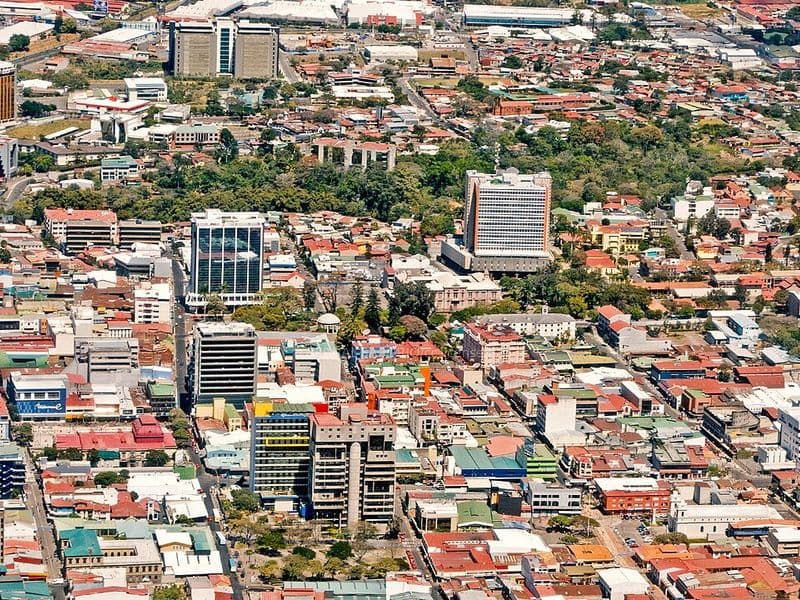
Alajuela is the capital of Alajuela Province and one of Costa Rica's most important provincial cities, located in the Central Valley approximately 20 kilometers northwest of San Jose and minutes from Juan Santamaria International Airport. The city of approximately 300,000 residents has a pleasant, mid-sized town character with a lively central park, excellent traditional restaurants, a historic market, and good connections to the airport zone.
Alajuela is the birthplace of Juan Santamaria, the young drummer boy who became Costa Rica's national hero by torching the enemy fortification during the 1856 Battle of Rivas against William Walker's invading forces. The Juan Santamaria Historical Cultural Museum in the city center tells this story alongside broader Costa Rican cultural and natural history. Santamaria's statue in the central park is the city's most iconic landmark.
The surrounding Alajuela Province encompasses extraordinary diversity, including Poas Volcano National Park (approximately 45 minutes north), La Paz Waterfall Gardens, the hummingbird hotspot of Cinchona, coffee farm estates offering tours and tastings, and the extensive conservation areas of the northern lowlands. Alajuela city is a practical and enjoyable base for Central Valley exploration that places visitors close to the airport while providing a more authentic Costa Rican urban experience than the airport hotel zone.
Coffee Farms Around Alajuela
The highlands surrounding Alajuela are part of Costa Rica's premier coffee-growing region. Estates such as Doka Estate near Alajuela offer well-organized farm tours that walk visitors through the complete coffee production process from nursery seedlings to roasting and cupping. These tours, typically lasting 2 to 3 hours, are among the most popular cultural experiences for visitors based in the Central Valley.
Heredia: The City of Flowers
Heredia is the capital of Heredia Province and one of Costa Rica's most attractive mid-sized cities, traditionally nicknamed the City of Flowers (Ciudad de las Flores) for the ornamental gardens that historically characterized its residential neighborhoods. Located approximately 11 kilometers north of San Jose in the Central Valley, Heredia is closely integrated with the San Jose metropolitan area but maintains its own distinct identity and strong civic pride.
The city hosts the National University of Costa Rica (UNA), which gives it a youthful, academic character and a concentration of cultural programming, live music, and independent restaurants. The historic center features a colonial church, the 19th-century El Fortín tower, and pleasant pedestrian streets with traditional architecture preserved amid modern commercial development.
Heredia is surrounded by some of the most productive coffee-growing land in Costa Rica, and the Cafe Britt coffee tour operation is headquartered in the Heredia highlands, offering one of the country's best-organized coffee experience tours that includes theatrical storytelling alongside the agricultural and production education. The Barva Volcano Massif rising above Heredia provides hiking access into cloud forest and historic colonial villages like Barva, one of Costa Rica's oldest and best-preserved towns.
Barva and the Cloud Forest
Barva Volcano, accessible from Heredia via the historic town of Barva (a National Heritage Site for its colonial architecture), rises to 2,906 meters and protects cloud forest habitat within Braulio Carrillo National Park. A demanding hike through oak forest leads to crater lakes at the summit. The route passes through several charming mountain villages and offers spectacular Central Valley panoramas on clear days.
Cartago: The Former Colonial Capital
Cartago, located approximately 22 kilometers east of San Jose in the Central Valley, was the capital of Costa Rica during the Spanish colonial period from the country's founding until 1823, when San Jose replaced it following a brief civil conflict. The city of approximately 160,000 residents retains important historical significance and two of the country's most important religious sites.
The Basilica de Nuestra Senora de los Angeles, located in downtown Cartago, is the most important Catholic pilgrimage church in Costa Rica and one of the most visited religious sites in Central America. The basilica houses La Negrita, a small dark stone figure of the Virgin Mary found in 1635 that is deeply venerated by Costa Rican Catholics. Each August 2nd, an estimated million pilgrims walk to Cartago from across the country in the annual pilgrimage known as La Romeria.
The ruins of the original colonial parish church, destroyed multiple times by earthquakes in 1841 and 1910 and never rebuilt after the latter, stand preserved as an open ruin in the city center called Las Ruinas. These ruins, surrounded by parkland, are a unique architectural monument to both the city's colonial heritage and the geological volatility of the region. The 3,432-meter Irazu Volcano, the tallest active volcano in Costa Rica, rises directly above Cartago and can be visited as a day trip from the city.
Irazu Volcano from Cartago
Irazu Volcano National Park is approximately 50 kilometers from Cartago and is most easily visited as a day trip from either Cartago or San Jose. At 3,432 meters, it is the tallest active volcano in Costa Rica, and its main crater contains a dramatic acidic green lake. On exceptionally clear mornings, it is theoretically possible to see both the Pacific and Caribbean coasts simultaneously from the summit. The volcano's last major eruption occurred between 1963 and 1965.
Quepos and Puerto Viejo: Regional Hubs
Quepos is a small coastal city on Costa Rica's Central Pacific coast that serves as the main service center for Manuel Antonio National Park, one of the most visited parks in the country. The city has a fishing village heritage overlaid with a well-developed tourist infrastructure including hotels, restaurants, tour operators, and nightlife. Quepos is connected to San Jose by a 3-hour bus journey or a 20-minute domestic flight.
Puerto Viejo de Talamanca on the Caribbean coast is a bohemian beach town rather than a formal city, but it functions as the cultural and commercial hub of the southern Caribbean coast. Its Afro-Caribbean, indigenous Bribri, and international expat community creates a cultural diversity and laid-back atmosphere unlike anywhere else in Costa Rica. Puerto Viejo is the departure point for Cahuita National Park, Gandoca-Manzanillo Wildlife Refuge, and cacao farm tours that highlight the region's distinct culinary heritage.
Puerto Viejo's Caribbean Character
Puerto Viejo de Talamanca embodies a Caribbean culture shaped by Afro-Costa Rican and indigenous influences that differ dramatically from Pacific coast Costa Rica. Reggae music, rice and beans cooked in coconut milk, the local Creole English dialect, and a relaxed pace of life distinguish this community. The nearby Bribri and Cabecar indigenous territories offer cultural tourism visits that provide unique windows into pre-Columbian traditions maintained into the present day.
Smaller Cities Worth Exploring
Beyond the main urban centers, several smaller Costa Rican cities reward exploration for travelers seeking authentic off-the-beaten-path experiences. Grecia, northwest of Alajuela in the Central Valley, is famous for its unique metal church (Iglesia de Metal), an unusual red corrugated iron structure prefabricated in Belgium and assembled in the 1890s. The town itself is clean, friendly, and surrounded by excellent coffee and fruit farms.
Sarchi, further into the Alajuela highlands, is Costa Rica's artisan center and the birthplace of the painted ox-cart, a UNESCO-recognized tradition and the country's national symbol. Workshops throughout the town produce hand-painted ox-carts, furniture, and handicrafts, and the town market is the best place in the country to purchase authentic Costa Rican crafts directly from producers.
Ciudad Quesada (San Carlos) serves as the commercial hub of the northern lowlands and is the most common stopover between San Jose and La Fortuna (Arenal). The nearby hot springs town of Aguas Zarcas and the vast Caño Negro Wildlife Refuge are accessible from San Carlos. Palmar Norte, at the junction of the Costanera Highway and the road toward the Osa Peninsula, functions as the gateway town for the south Pacific region, surrounded by famous pre-Columbian stone spheres in the Diquis Delta.
Sarchi: Artisan Capital
Sarchi is internationally recognized for the painted ox-cart tradition that developed in the 19th century as coffee farmers needed reliable transport for their harvests. The intricate geometric patterns painted on the wooden wheels and cart bodies evolved into a distinctive art form recognized by UNESCO as Intangible Cultural Heritage. Several large furniture workshops in Sarchi produce high-quality handcrafted hardwood furniture sold throughout Costa Rica and exported internationally.
Frequently Asked Questions
What are the main cities in Costa Rica?
Costa Rica's main cities are San Jose (the capital and largest city), Liberia (Guanacaste province capital and major tourist gateway), Alajuela (near the international airport), Heredia (university city), and Cartago (former colonial capital). Regional hubs include Quepos (Central Pacific), Puerto Viejo (Caribbean coast), and Ciudad Quesada (northern lowlands).
Which is the second largest city in Costa Rica?
After San Jose, the largest urban centers in Costa Rica are Alajuela, Desamparados (a canton of San Jose province), San Carlos (Ciudad Quesada), and Liberia. The Greater Metropolitan Area combining San Jose, Alajuela, Heredia, and Cartago contains approximately half of the country's total population.
What city is Costa Rica's capital?
San Jose is the capital of Costa Rica. It has served as the national capital since 1823, when it replaced Cartago following Costa Rica's independence from Spain. San Jose is by far the country's largest city and serves as its political, economic, and cultural center.
Is Liberia worth visiting in Costa Rica?
Liberia serves primarily as a transit hub for Guanacaste's beach resorts, but the city itself merits a brief visit for its colonial architecture, the Chorotega cultural heritage of nearby villages, and its function as the base for visiting Rincon de la Vieja Volcano and Santa Rosa National Park. Travelers on road trips through Guanacaste will naturally pass through Liberia.
What is Cartago Costa Rica known for?
Cartago is famous as Costa Rica's former colonial capital and home to the Basilica de Nuestra Senora de los Angeles, the most important pilgrimage church in Central America. The ruins of the original colonial church destroyed by the 1910 earthquake are another landmark. Cartago is also the base for visiting Irazu Volcano, Costa Rica's tallest active volcano at 3,432 meters.