
Costa Rica Cruise: Ports, Excursions & Complete Guide
Costa Rica is one of the most popular cruise destinations in Central America, attracting hundreds of ships annually to its Pacific and Caribbean ports. Whether you dock at Puerto Limón on the Caribbean coast or Puntarenas on the Pacific, a Costa Rica cruise stop offers an unforgettable blend of rainforest adventures, wildlife encounters, and tropical beaches — all within reach of a single day ashore. Understanding how to make the most of limited port time is the key to an outstanding Costa Rica cruise experience.
Major Cruise Ports in Costa Rica
Costa Rica has two primary cruise ports: Puntarenas on the Pacific coast and Puerto Limón on the Caribbean coast. Each serves a different ocean-facing corridor and offers distinct experiences reflecting its respective ecosystem and culture.
Puntarenas is located approximately 110 kilometers (68 miles) west of San José in the Gulf of Nicoya. It is Costa Rica's main Pacific cruise port and has historically served as the country's most important commercial port. The Puntarenas cruise terminal, known as the Puerto Caldera terminal complex, can accommodate large vessels. The town of Puntarenas itself is a narrow peninsula with a working-class character, local beaches, and fish markets. Most cruise passengers use Puntarenas as a base for day excursions deeper into the country rather than exploring the town itself.
Puerto Limón on the Caribbean coast serves cruise ships visiting Costa Rica's Afro-Caribbean cultural region. The port is located in the province of Limón, roughly 160 kilometers (100 miles) east of San José. The city of Limón has a vibrant Caribbean culture, reflecting the heritage of Afro-Caribbean workers brought to build the railroad in the 1870s and 1880s. The Limón Carnival held every October is one of the most colorful events in Costa Rica. From Limón, cruise passengers can access the Tortuguero Canal network, rainforest trails, and Caribbean beaches. A smaller secondary port at Caldera near Puntarenas also serves some itineraries.
Getting Ashore
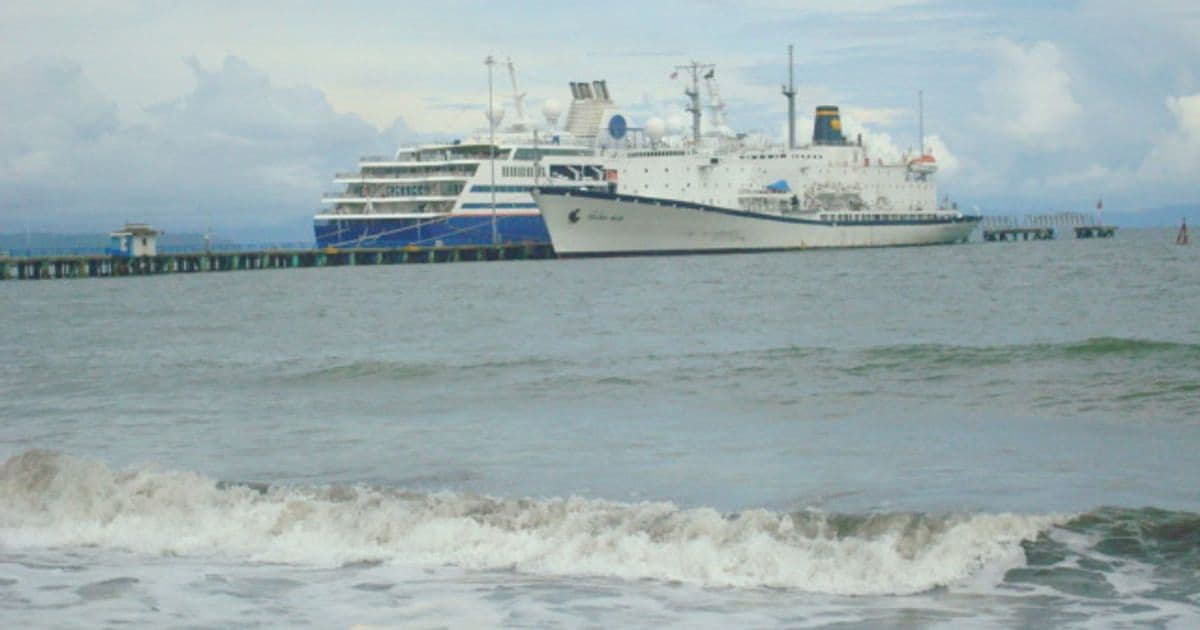
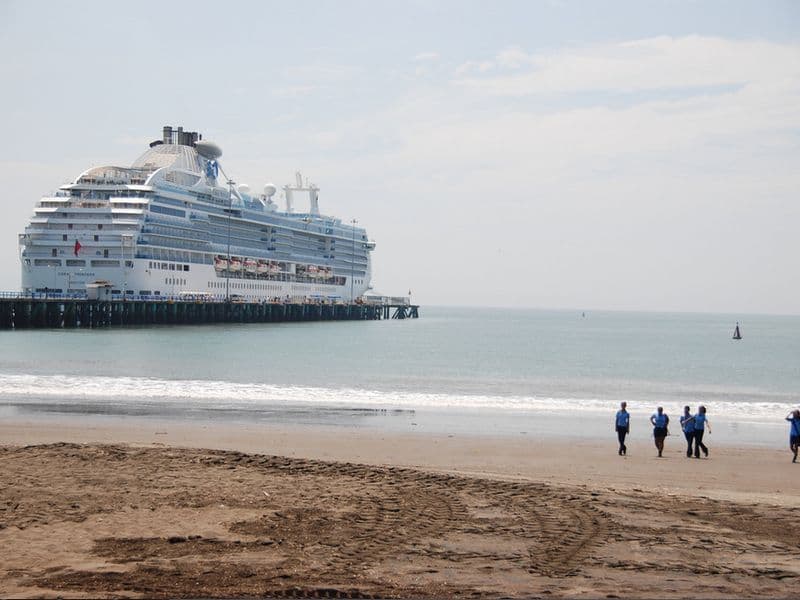
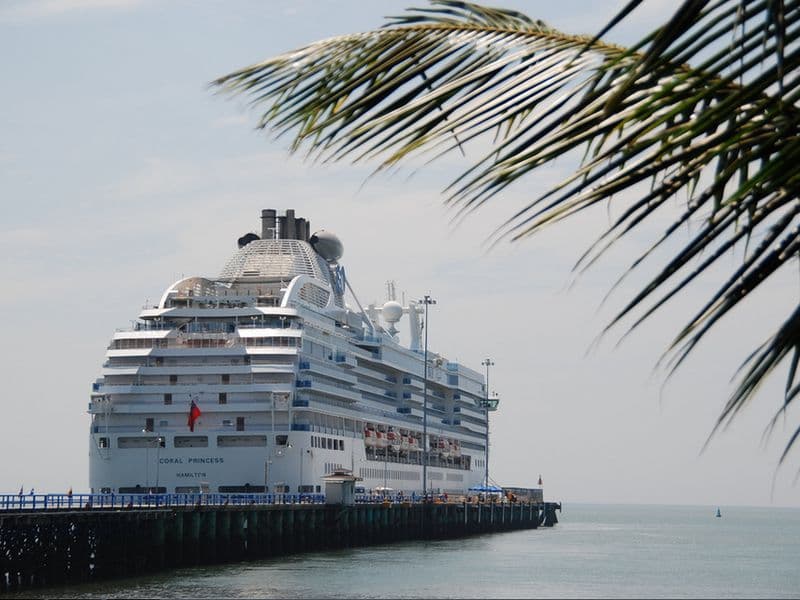
At both Puntarenas and Puerto Limón, cruise ships typically dock directly at the pier, allowing passengers to walk ashore. Tender boats are occasionally used when ships anchor offshore, particularly at smaller or more scenic anchorages. Always check your ship's daily program for specific docking or tendering information and departure requirements.
Best Shore Excursions from Puntarenas
From Puntarenas, the most iconic shore excursion is a trip to the Arenal Volcano and La Fortuna area, though this involves approximately 2.5–3 hours of driving each way and is only feasible if your ship has an extended port stay of 10 or more hours. Most popular excursions from Puntarenas focus on destinations within 1–2 hours of the port.
Carara National Park, approximately 45 minutes from the port, is a top choice for first-time visitors. The park protects a transitional zone between the dry north and the wet south Pacific, hosting extraordinary biodiversity including the famous scarlet macaw population. A guided walk through Carara's primary rainforest typically lasts 2–3 hours and commonly yields sightings of macaws, basilisk lizards, caimans, and various monkey species along the Tárcoles River bridge, which is one of the best places in the world to observe large American crocodiles.
The Monteverde Cloud Forest Reserve is another popular excursion from Puntarenas, though the winding mountain road means travel times of approximately 2.5 hours each way. Travelers with a ship departure after 8 PM may find Monteverde worthwhile. Manuel Antonio National Park, approximately 2 hours south of Puntarenas, offers excellent beach and rainforest combinations. Canopy zip-line tours, white-water rafting on the Savegre River, and crocodile boat tours on the Tárcoles River are additional well-regarded excursions accessible from Puntarenas.
Tárcoles River Crocodile Tour
One of the most unique excursions available near Puntarenas is a boat tour on the Tárcoles River to observe American crocodiles at close range. This river has one of the highest densities of crocodiles in Central America, with individuals frequently exceeding 4 meters (13 feet) in length. Tours typically last 1–2 hours and include sightings of waterbirds, iguanas, and various wildlife alongside the crocodiles.
Best Shore Excursions from Puerto Limón
Puerto Limón on the Caribbean side provides access to a completely different ecosystem — the lush Caribbean rainforest with its distinctive Afro-Caribbean culture. The top excursion from Limón is a boat tour through the Tortuguero Canal system, a network of natural and man-made waterways winding through dense rainforest north of Limón. Tortuguero tours offer outstanding chances to see river otters, caimans, green iguanas, Jesus Christ lizards (basilisks that run on water), three-toed sloths, and abundant birdlife including toucans, herons, and kingfishers.
The Caribbean beaches south of Limón — particularly Cahuita and Puerto Viejo de Talamanca — are accessible within 45–75 minutes of the port. Cahuita National Park protects Costa Rica's best developed coral reef accessible by beach, with snorkeling available in clear Caribbean waters. The park's trails run alongside a white-sand beach fringed by coconut palms. Cahuita and Puerto Viejo also offer a relaxed Afro-Caribbean atmosphere with reggae music, Caribbean-style cuisine (rice and beans cooked in coconut milk), and local craft markets.
A visit to the Sloth Sanctuary of Costa Rica, located about 30 minutes north of Limón on the road to Tortuguero, is popular with families and wildlife enthusiasts. The sanctuary rescues, rehabilitates, and releases three-toed and two-toed sloths, providing informative guided tours that include close encounters with sloth residents. Whitewater rafting on the Pacuare River, accessible from the highlands above Limón, is one of the world's top-rated rafting experiences.
Tortuguero Canal Wildlife Tours
Tortuguero National Park's canal system is among the most rewarding wildlife experiences in Costa Rica. River tours by small motorized boat navigate narrow canals beneath towering rainforest, with guides pointing out wildlife camouflaged in the dense vegetation. Green sea turtles nest on Tortuguero's beach from July through October, but the canal wildlife tour is worthwhile year-round for its exceptional bird and mammal sightings.
Cruise Lines Visiting Costa Rica
Numerous major cruise lines include Costa Rica on their Caribbean, Panama Canal, and Pacific itineraries. Princess Cruises, Royal Caribbean, Celebrity Cruises, Holland America Line, Norwegian Cruise Line, and Carnival Cruise Line all operate ships calling at Puntarenas and/or Puerto Limón. Smaller luxury expedition cruise lines including Lindblad Expeditions, Silversea, and Seabourn also include Costa Rica ports, often with more time in port and specialized nature-focused excursions.
Panama Canal transit cruises frequently include Puntarenas as a Pacific-side port before or after traversing the canal. Round-the-Caribbean cruises departing from Fort Lauderdale, Miami, or Tampa often include Puerto Limón as a Caribbean stop alongside other Central American or island destinations. Repositioning cruises between the Pacific and Caribbean offer the unusual opportunity to visit both Costa Rican ports on the same voyage.
Expedition-style small ship cruises operated by companies like Lindblad/National Geographic and UnCruise Adventures offer Costa Rica-specific itineraries that spend multiple days navigating the Osa Peninsula, Golfo Dulce, and Corcovado National Park by small zodiac boat and kayak. These intimate itineraries provide far deeper access to remote areas than traditional large ship cruises and are popular with nature and wildlife enthusiasts willing to pay premium prices.
Panama Canal Cruise Itineraries
Many Panama Canal transit cruises include Puntarenas as a Pacific-side port of call. These itineraries, often 14–16 days in length, travel between Miami or Fort Lauderdale on the Atlantic side and Los Angeles or San Francisco on the Pacific, transiting the canal and stopping at Central American ports en route. Costa Rica is frequently paired with stops in Cartagena, Colombia; Fuerte Amador, Panama; and Puerto Quetzal, Guatemala.
Independent Exploration vs. Ship Excursions
One of the key decisions for a Costa Rica cruise passenger is whether to book shore excursions through the ship or arrange independent tours. Ship-organized excursions offer the security of a guaranteed return to the ship — the vessel will wait for passengers on officially booked tours even if they run late — but often come at a premium price over comparable independent tours.
Independent tour operators in both Puntarenas and Puerto Limón offer the same activities (rainforest hikes, wildlife tours, zip-lining, snorkeling) at significantly lower prices, sometimes 30–50% less than ship excursion prices. The tradeoff is that if an independent tour runs late, the ship will not wait. This makes tight timing and selecting reputable operators essential when going independent. Travelers should always build buffer time — at least 60–90 minutes — before departure when using independent tours.
Many experienced cruise travelers use a hybrid approach: book the primary activity independently for better value, but arrange transportation through the ship or a well-reviewed local operator with a strong track record. In Puerto Limón, local driver-guides wait at the pier and can be hired for custom day tours covering Cahuita, Puerto Viejo, Tortuguero boat access, and other nearby sites at negotiated prices.
Staying Near the Port
Travelers who prefer minimal logistics can find worthwhile activities very close to both ports. In Puntarenas, the beach boardwalk (paseo), local restaurants serving fresh seafood, and the Puntarenas Marine Park are within walking distance of the pier. In Limón, the Veragua Rainforest Research and Adventure Park is a well-organized wildlife attraction approximately 45 minutes from the port, offering aerial tram rides, snake exhibitions, insect labs, and nature trails.
Planning Tips for Your Costa Rica Cruise Stop
Research your ship's exact port arrival and departure times well before your cruise. A 7-hour port day in Puntarenas limits you to destinations within about 90 minutes of the port, while a 10–12 hour port day opens up options like Arenal or Monteverde. Having a clear plan of what you want to see is more important in a cruise port than almost any other form of travel, given the non-negotiable ship departure time.
Book popular excursions — particularly Tortuguero canal tours, Arenal trips, and Monteverde canopy tours — well in advance of your cruise, especially for peak season sailings between December and April. Tour capacity is limited, and the best operators fill up months ahead during busy periods. If booking through the ship, earlier booking tends to mean better seat selection and availability.
Pack a daypack with essentials for your shore day: reef-safe sunscreen, insect repellent, rain jacket, US dollars (widely accepted and often preferred over colones for tourist transactions), a copy of your passport, and any medications. Local currency can be obtained at ATMs near the ports but is not always necessary. Staying hydrated is important in Costa Rica's tropical heat and humidity, so carry a water bottle and purchase bottled water from reputable vendors.
Currency and Shopping Near Ports
US dollars are accepted at virtually all tourist-facing businesses near the cruise ports and for excursion payments. The Costa Rican colón is appreciated at local sodas (small restaurants) and markets. Both ports have local craft markets selling typical souvenirs including handcrafted wood items, textiles, coffee, and chocolate. Fair-trade certified Costa Rican coffee makes an excellent and compact souvenir to bring aboard.
Weather Expectations at Port
Weather varies considerably between the two ports. Puntarenas on the Pacific side is drier and sunnier, especially December through April. Puerto Limón on the Caribbean side receives more rain year-round, with September and October being relatively dry. Pack a rain jacket regardless of season, as brief tropical showers can occur at any time. The heat and humidity at both ports are significant year-round, making lightweight moisture-wicking clothing ideal for shore days.
Frequently Asked Questions
Which cruise port is better in Costa Rica — Puntarenas or Puerto Limón?
It depends on what you want to see. Puntarenas gives access to the Pacific side: Carara National Park, Tárcoles crocodiles, Monteverde, Arenal, and Manuel Antonio. Puerto Limón opens the Caribbean side: Tortuguero canals, Cahuita reef snorkeling, Puerto Viejo beaches, and Afro-Caribbean culture. Both are excellent; many cruise itineraries include one or both.
Can I see Arenal Volcano on a cruise shore excursion?
Yes, but only if your ship is docked at Puntarenas for 10 or more hours. Arenal is approximately 2.5–3 hours each way from Puntarenas, making it a feasible but long day. Most cruise operators offer this as an extended excursion. If your port time is 7–8 hours, closer destinations like Carara National Park and the Tárcoles River are more practical choices.
Is it safe to go ashore independently in Costa Rica's cruise ports?
Yes, with standard precautions. Both Puntarenas and Puerto Limón are working port cities with tourist infrastructure. The immediate pier areas are safe. As with any urban port, be aware of pickpockets in crowded areas and use ATMs inside buildings rather than on the street. The main tourist excursion destinations outside the cities are considered very safe.
What currency should I bring ashore in Costa Rica?
US dollars are widely accepted at tourist businesses, tour operators, and most restaurants near the ports. The Costa Rican colón is useful for local sodas and markets. ATMs dispensing colones are available near both ports. Credit cards are accepted at established businesses but carry a small network transaction fee for international use.
What should I pack for a Costa Rica cruise shore day?
Pack a daypack with reef-safe sunscreen (required in protected marine areas), insect repellent, a rain jacket, comfortable closed-toe hiking shoes or sandals, US dollars, a copy of your passport, a reusable water bottle, and any prescription medications. Lightweight moisture-wicking clothing is recommended due to heat and humidity.