
Costa Rica Destinations: Your Complete Regional Guide
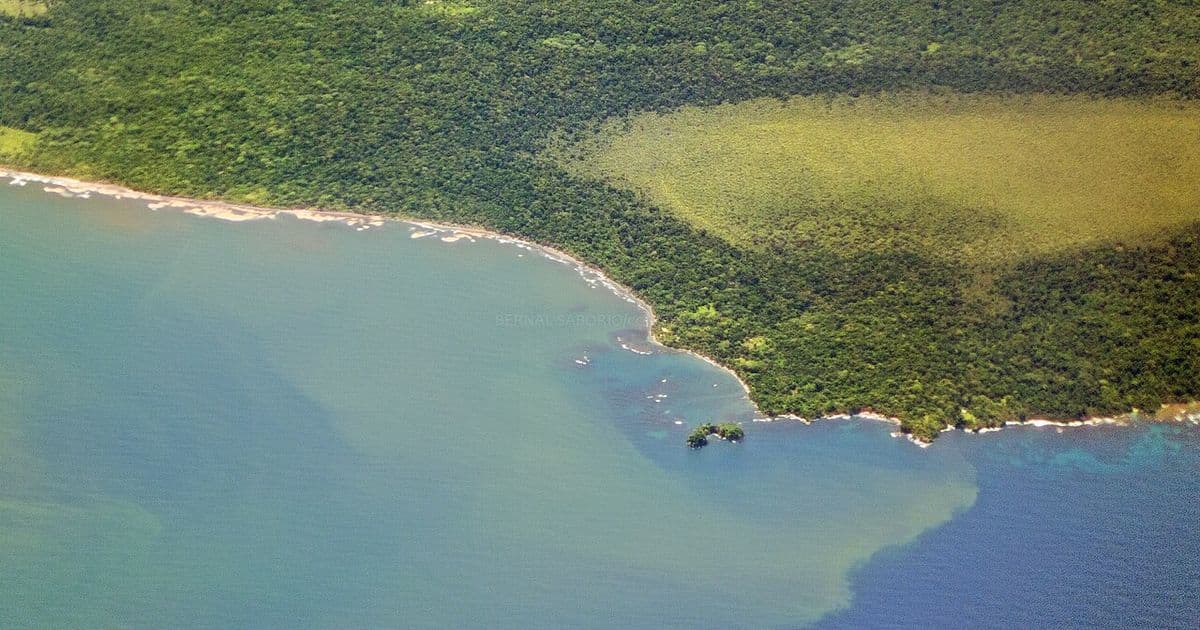
Costa Rica's destinations are as diverse as any country several times its size. From the misty peaks of Monteverde to the black-sand beaches of the Caribbean coast, from the dry forests of Guanacaste to the rainforest-shrouded canals of Tortuguero, each region offers a genuinely distinct experience. This guide maps every major destination so you can build the trip that's right for you.
Central Valley and San José Region
The Central Valley (Valle Central) is the geographic and demographic heart of Costa Rica, home to approximately 60% of the country's population in a highland basin sitting 900–1,200 meters above sea level. San José, the capital, is the hub of government, culture, commerce, and transportation, and for most international visitors it's the first sight of Costa Rica through the airport in adjacent Alajuela.
San José itself rewards cultural travelers with world-class museums, excellent restaurants, vibrant street art, and historic architecture in neighborhoods like Barrio Amon and the city's pre-earthquake downtown. The Museo Nacional de Costa Rica (in a 19th-century fortress), the Museo del Jade (largest pre-Columbian jade collection in the Americas), and the Teatro Nacional (a stunning 1897 opera house) are highlights. The Central Market (Mercado Central) offers an immersive sensory experience of local produce, traditional food stalls, and local artisan products.
Day trips from the Central Valley include Poás Volcano National Park (90 minutes, an active crater lake views), Irazú Volcano (largest in Costa Rica by area), La Paz Waterfall Gardens (a major tourist attraction with waterfalls, wildlife sanctuary, and butterfly gardens), coffee plantation tours at Doka Estate or Hacienda Alsacia, and Lankester Botanical Garden for orchid enthusiasts. The artisan town of Sarchí, famous for oxcart painting (a designated UNESCO Intangible Cultural Heritage), is another worthwhile cultural day trip.
San José as a Base vs. a Destination
Many travelers use San José purely as a logistical hub — arriving, spending one night, and quickly heading to nature destinations. This is perfectly valid and pragmatic. However, those who spend 1–2 days exploring San José's cultural offerings — neighborhoods, museums, restaurants, and day trips to nearby volcanoes and coffee farms — discover a city with genuine depth and character that complements rather than detracts from the overall Costa Rica experience.
Northern Lowlands: Arenal and Sarapiquí
The Northern Lowlands (Zona Norte) stretch from the base of the volcanic mountains north to the Nicaraguan border, encompassing a diverse landscape of rainforest, wetlands, agricultural land, and the iconic Arenal Volcano area. This region is defined by the two great ecosystems of Arenal Volcano National Park and the Sarapiquí river basin, both offering outstanding wildlife, adventure, and nature experiences.
La Fortuna de San Carlos — universally called simply 'La Fortuna' — is the main tourist town of the Arenal region and one of Costa Rica's most developed adventure tourism hubs. The town center has a full range of tour operators, restaurants, hotels, and services, and serves as the base for the area's extraordinary concentration of activities: hot springs, volcano hiking, white-water rafting, hanging bridges, ziplining, canyoning, mountain biking, and horseback riding.
Sarapiquí, in the northeast, offers a different character — wilder, less touristic, and centered on river-based activities and wildlife observation in private biological reserves. Selva Verde Lodge and La Selva Biological Station (operated by the Organization for Tropical Studies) are research and ecotourism facilities offering guided walks through some of the most species-rich lowland rainforest in the country. Sarapiquí River rafting (Class III) is excellent. White-water kayaking, birding, and boat tours of the river wildlife are all available from Puerto Viejo de Sarapiquí (not to be confused with Puerto Viejo on the Caribbean coast).
Caño Negro Wildlife Refuge
Caño Negro Wildlife Refuge, in the far north near the Nicaraguan border, is one of Costa Rica's most important and spectacular wetland ecosystems. The lagoon and river system hosts massive seasonal concentrations of waterbirds including Anhinga, Roseate Spoonbill, Jabiru Stork (Costa Rica's largest flying bird), and numerous heron species, along with caimans, river otters, freshwater turtles, and howler monkeys. Boat tours from Los Chiles are the primary access point and should be taken in the dry season when water levels concentrate wildlife around permanent lagoons.
Central Pacific: Manuel Antonio and Jacó
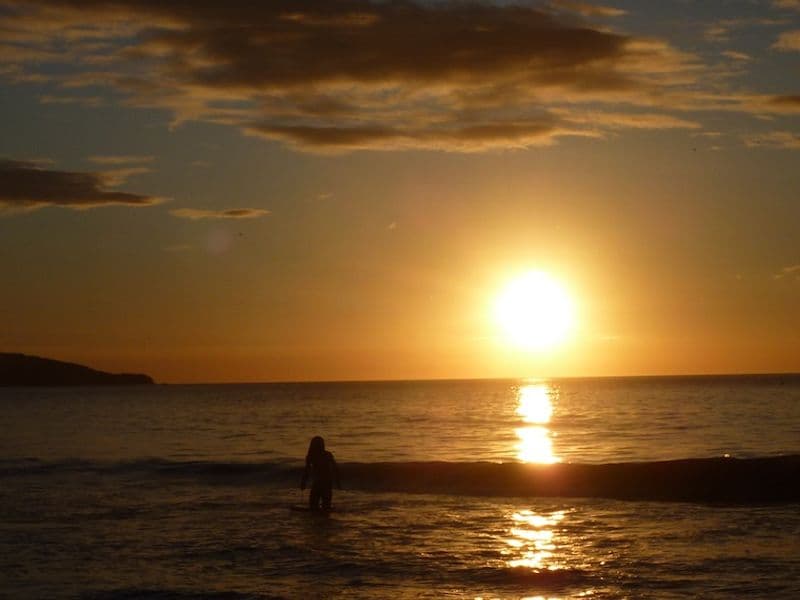
The central Pacific coast, accessible via the Route 27 expressway from San José (a well-paved 3–4 hour drive), is one of Costa Rica's most accessible beach regions. This area encompasses everything from the surf and nightlife hub of Jacó to the jungle-beach perfection of Manuel Antonio, with the charming fishing village of Herradura, the waterfall zone near Villa Puriscal, and Carara National Park also in the region.
Jacó is Costa Rica's most developed beach town — a busy, commercial strip with an active nightlife, abundant surf schools, diverse restaurants, and a party reputation. It's the closest significant beach destination to San José (1.5–2 hours) and attracts a younger, more party-oriented crowd than other Pacific destinations. The surfing is reliable (better for intermediates than beginners due to often powerful beach breaks), and Jacó serves as a convenient base for day trips to Carara National Park (macaws, crocodiles on the Río Tárcoles bridge) and Manuel Antonio.
Manuel Antonio, 45 minutes south of Quepos on a winding coastal road, offers arguably the most photogenic combination of wildlife and beach scenery in Costa Rica. The national park's four beaches — Playa Manuel Antonio, Playa Biesanz, Playa Espadilla Sur, and Playa Puerto Escondido — range from broad, swimmable sandy shores to secluded coves accessible by rocky trail. The surrounding town and hotel corridor on the hill above Quepos is one of the most scenically positioned accommodation zones in the country, with dramatic Pacific views from hillside terraces and infinity pools.
Río Tárcoles Crocodile Bridge
The bridge over the Río Tárcoles on the coastal highway between Jacó and Puntarenas is one of Costa Rica's most visited roadside attractions — not because of the bridge itself, but because American crocodiles up to 4–5 meters long bask on the riverbanks visible from the bridge railing. It's a free, 5-minute stop that is genuinely impressive for scale of the crocodiles, which are among the largest in the world. Boat tours from the village of Tárcoles go closer and often provide even more dramatic encounters.
Guanacaste: Northern Pacific Coast
Guanacaste province is Costa Rica's driest and sunniest region, with a dry season (December–April) that provides reliably clear, hot beach weather while the rest of the country receives more rain. The province's Pacific coast is lined with beaches of every character: long, surfable waves at Tamarindo; protected, turquoise-water bays at Potrero and Flamingo; the world-class Papagayo Peninsula resort zone; the calm, family-friendly bay at Playa del Coco; and the shell-sand wonder of Playa Conchal.
Santa Cruz and Nicoya are the region's inland towns with a more authentically Costa Rican character than the tourist beach communities. The city of Liberia, the provincial capital, is the gateway to all of Guanacaste through its international airport and has developed significantly in recent years with more restaurants, hotels, and services catering to travelers transiting to beach destinations. The hot, dry Guanacaste climate and its seasonal deciduous forest create a landscape dramatically different from the humid green mountains of the Central Valley.
Protected natural areas in Guanacaste include Santa Rosa National Park (site of a famous 1856 battle against William Walker's filibuster army, with excellent wildlife and nesting sea turtles at Playa Nancite), Palo Verde National Park (one of the best birding destinations in Central America, centered on a seasonally flooded marshland with massive waterbird concentrations), and Barra Honda National Park (caverns and caves with unusual cave formations and blind cave fish).
Papagayo Peninsula
The Papagayo Peninsula, northwest of Liberia, is Costa Rica's most developed luxury beach resort zone, home to the Four Seasons Resort Costa Rica at Peninsula Papagayo (consistently ranked among the best hotels in Latin America), Andaz Costa Rica Resort, El Mangroove, and several other premium properties. The peninsula's protected Culebra Bay provides calm, navigable waters year-round, making it suitable for kayaking, paddleboarding, and sailing when Pacific coast swells make other beaches rougher. Access is primarily by private road, lending the zone an exclusive character distinct from public beach towns.
Nicoya Peninsula
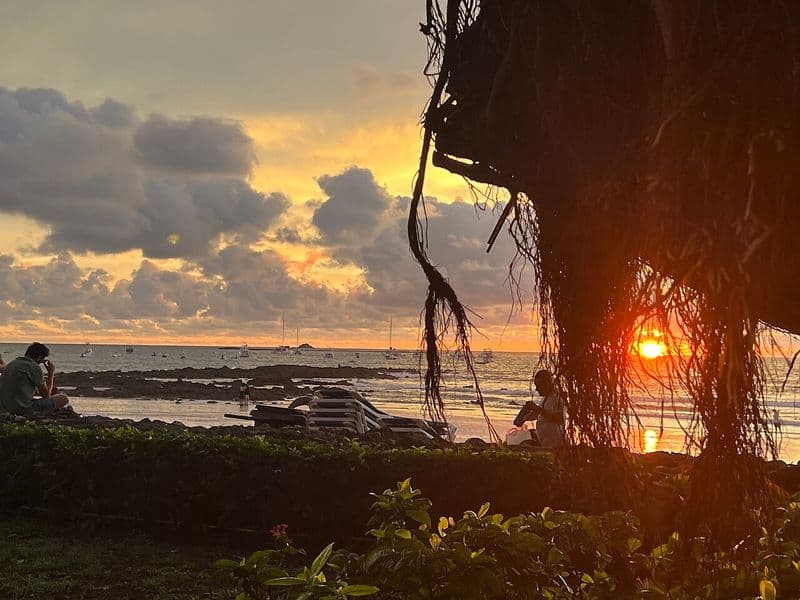
The Nicoya Peninsula, the large landmass projecting south from Guanacaste into the Pacific, is one of Costa Rica's most beloved regions for travelers seeking a slower pace, consistent surf, and the wellness culture that has made communities like Nosara internationally famous. Access is by car (long but scenic road from Liberia or San José) or by ferry from Puntarenas across the Gulf of Nicoya.
Nosara, on the peninsula's north Pacific coast, is a community defined by its voluntary building regulations that have kept development low-density and natural-feeling. Playa Guiones offers one of the most consistent and forgiving beach breaks for surfers in the country, attracting a year-round international surfing and wellness community. The combination of surf, yoga, organic food culture, and pristine forest preserves makes Nosara one of the most sought-after and distinctive beach destinations in Central America.
Sámara, south of Nosara, is a small crescent-bay community with calm, protected swimming waters that make it unusually family-friendly for a Pacific coast destination. The town has retained a relaxed, un-commercialized character while developing a solid selection of small hotels, restaurants, and tour operators. Playa Carrillo, 5 kilometers south of Sámara, is one of the most photographically perfect beaches in all of Costa Rica — a pristine half-moon of pale sand framed by swaying palms and turquoise waters, rarely crowded even at peak season.
Santa Teresa and Mal País
At the southern tip of the Nicoya Peninsula, Santa Teresa and Mal País form a continuous community that has attracted one of the most cosmopolitan and alternative travel communities in Costa Rica. The long beach break at Playa Santa Teresa generates powerful, consistent surf suitable for intermediate to advanced surfers. The town has evolved from a backpacker stop to a sophisticated destination with excellent restaurants, boutique hotels, and a thriving arts scene, while retaining its rugged, unpretentious frontier character. Access is improving but still requires a ferry crossing or a significant drive, which naturally filters visitor numbers.
South Pacific: Osa Peninsula and Dominical
The South Pacific region — from the river-mouth town of Dominical in the north to the Panama border in the south — is Costa Rica's most remote and biodiverse tourist zone. The Osa Peninsula and Corcovado National Park anchor this region as one of the world's premier wildlife destinations. The Costanera highway (Route 34) connecting Quepos through Dominical and Uvita to Palmar Norte has transformed access to this formerly extremely isolated region, but it remains significantly less developed than the north Pacific or Central Valley.
Dominical and Uvita are the main gateway communities of the South Pacific. Uvita is best known as the base for Marino Ballena National Park — named for a whale-tail shaped sandbar that emerges at low tide. The park is one of the best whale watching locations in Costa Rica (humpback whales from July–November and December–March) and has excellent snorkeling around offshore rock formations. The Tárcoles and Térraba rivers provide white-water rafting opportunities at varying difficulty levels.
The Térraba-Sierpe National Wetlands, at the mouth of the Térraba and Sierpe rivers, is the largest mangrove system in Central America. Boat tours through the mangrove channels reveal an extraordinary ecosystem with diverse bird life, crocodiles, river otters, and the transition zone between freshwater and marine habitats. This route also serves as the gateway boat journey to Drake Bay and the Osa Peninsula, passing through the dense mangrove forest before opening into the Pacific Ocean.
Marino Ballena National Park
Marino Ballena National Park near Uvita protects coastal and marine environments including coral reefs, rocky submarine formations, sandy beaches, and open water. The whale-shaped sandbar (tombolo) that forms at low tide in front of Uvita's Playa Ballena is the park's iconic natural feature. Humpback whale watching is exceptional from July to November (southern hemisphere whales) and December to March (northern hemisphere whales), making this one of the few places in the world with nearly year-round whale sightings from shore.
Caribbean Coast Destinations
Costa Rica's Caribbean coast stretches roughly 200 kilometers from the Nicaraguan border south to the Panamanian border, passing through the port city of Limón, the Tortuguero canals, and the beach communities of the Talamanca coast. The Caribbean coast is more heavily forested, more culturally distinct, and less developed for mass tourism than the Pacific, which is precisely why it appeals so strongly to a certain type of traveler.
Tortuguero National Park, accessible only by boat or small aircraft, protects the primary Atlantic green sea turtle nesting habitat in Central America. The park's network of canals, formed by the natural drainage of multiple rivers into the Caribbean, creates an extraordinary river-forest ecosystem teeming with wildlife: great green macaws, poison dart frogs, caimans, river otters, and four species of monkeys. The village of Tortuguero is small, car-free (no roads connect it to the mainland), and has a strong conservation ethic shaped by decades of turtle protection work.
Cahuita and Puerto Viejo de Talamanca are the main destination communities of the south Caribbean, approximately 3.5–4.5 hours from San José via the Route 32 mountain highway. Cahuita's national park protects the best coral reef accessible from mainland Costa Rica. Puerto Viejo has a vibrant Afro-Caribbean culture, excellent food (rice and beans in coconut milk, rondon stew, fresh seafood), consistent surf at Playa Salsa Brava, and a relaxed, internationally eclectic community atmosphere that differs dramatically from the organized eco-lodge culture of the Pacific coast.
Gandoca-Manzanillo Wildlife Refuge
South of Puerto Viejo, the Gandoca-Manzanillo Wildlife Refuge protects 9,449 hectares of coastal habitat including coral reef, beach, mangrove, and forest. The small community of Manzanillo at the refuge's edge offers snorkeling, dolphin tours (bottlenose and Caribbean spinner dolphins are resident), sea kayaking, and jungle walks with local guides. The beach walk from Manzanillo to Punta Uva, through coastal forest above turquoise Caribbean water, is one of the most beautiful and underrated walks in Costa Rica.
Frequently Asked Questions
How many different regions does Costa Rica have for tourism?
Costa Rica is typically divided into 6–7 tourist regions: Central Valley (San José area), Northern Lowlands (Arenal, Sarapiquí), Central Pacific (Jacó, Manuel Antonio), Guanacaste/North Pacific, Nicoya Peninsula, South Pacific (Osa, Dominical, Uvita), and Caribbean Coast (Tortuguero, Cahuita, Puerto Viejo). Each has distinct ecology, culture, and tourism infrastructure.
Which is better, the Pacific or Caribbean side of Costa Rica?
Both sides have distinct appeal. The Pacific has more developed tourist infrastructure, better dry-season beach weather, and the iconic destinations of Guanacaste, Manuel Antonio, and the Osa Peninsula. The Caribbean has a culturally distinct Afro-Caribbean atmosphere, excellent coral reefs (Cahuita), sea turtle nesting (Tortuguero), better December weather in some years, and the bohemian character of Puerto Viejo. Many visitors try to experience both sides on a single trip for contrast.
What is the most underrated destination in Costa Rica?
Consistently underrated destinations include the South Pacific (Uvita, Dominical, Drake Bay) — which offers fewer crowds and extraordinary whale watching and marine wildlife. Sarapiquí in the Northern Lowlands offers superb birding and wildlife in private rainforest reserves with far fewer tourists than Arenal or Monteverde. The Nicoya Peninsula's Sámara and Playa Carrillo also consistently surprise visitors with their beauty and relatively low visitor numbers.
Which Costa Rica destination has the best wildlife?
Corcovado National Park on the Osa Peninsula consistently earns the title for highest overall wildlife density and biodiversity — the chance of seeing tapirs, peccaries, scarlet macaws, and an extraordinary range of species in one visit is unmatched. For accessible wildlife (guaranteed sloths, monkeys, and toucans), Manuel Antonio is hard to beat. For birdwatching specifically, Monteverde during quetzal season (Feb–April) is extraordinary. For sea life, Caño Island and Bat Islands are premier dive destinations.
Can you visit multiple Costa Rica destinations in one trip?
Yes — this is how most trips are structured. A typical 10–14 day trip visits 3–4 distinct destinations. The country's compact size means major destinations are within 3–5 hours of each other by car or shuttle. Domestic flights further reduce travel times for more remote destinations. The key is planning a logical route that avoids excessive backtracking — entering at Liberia (LIR) and departing from San José (SJO), or vice versa, allows efficient north-to-south or south-to-north routing.