Costa Rica Diving: Complete Guide to the Best Dive Sites and Experiences
Costa Rica diving ranks among the finest in the Western Hemisphere, with world-class sites ranging from shark-filled pelagic waters off Cocos Island to colorful coral reef systems along the Pacific and Caribbean coasts. The country's position at the meeting point of five major ocean currents creates exceptional marine biodiversity, making every dive an encounter with an extraordinary diversity of sea life. Whether you are a certified diver or seeking your first open water certification, Costa Rica's diving opportunities are exceptional.
Overview of Costa Rica's Diving Environment
Costa Rica's marine environment is shaped by the convergence of five major ocean currents: the North Equatorial Current, the South Equatorial Counter Current, the Humboldt Current from the south, the California Current from the north, and the Cromwell Counter Current rising from depth. This extraordinary oceanographic complexity creates cold, nutrient-rich upwellings that support massive food chains, resulting in marine biodiversity that rivals virtually any diving destination in the world.
The country's marine protected areas cover significant offshore territory, with the Cocos Island National Park and Biosphere Reserve being the most famous. The Caño Island Biological Reserve off the Osa Peninsula, the Gandoca-Manzanillo Wildlife Refuge on the Caribbean coast, and several smaller protected zones provide habitat preservation for critical species. These protections have maintained healthy fish populations, shark aggregations, and coral systems in an era when unprotected marine environments face severe pressure from overfishing and climate change.
Visibility in Costa Rican waters varies considerably by site and season. Open-water sites like Cocos Island can offer visibility exceeding 30 meters during optimal conditions, while inshore reef sites along the Pacific Coast average 10 to 20 meters and Caribbean sites typically range from 10 to 25 meters. Plankton blooms driven by upwelling currents that attract large pelagic life simultaneously reduce visibility, meaning that sites famous for whale sharks and manta rays may offer lower visual clarity than calmer inshore reefs.
Marine Species Highlights
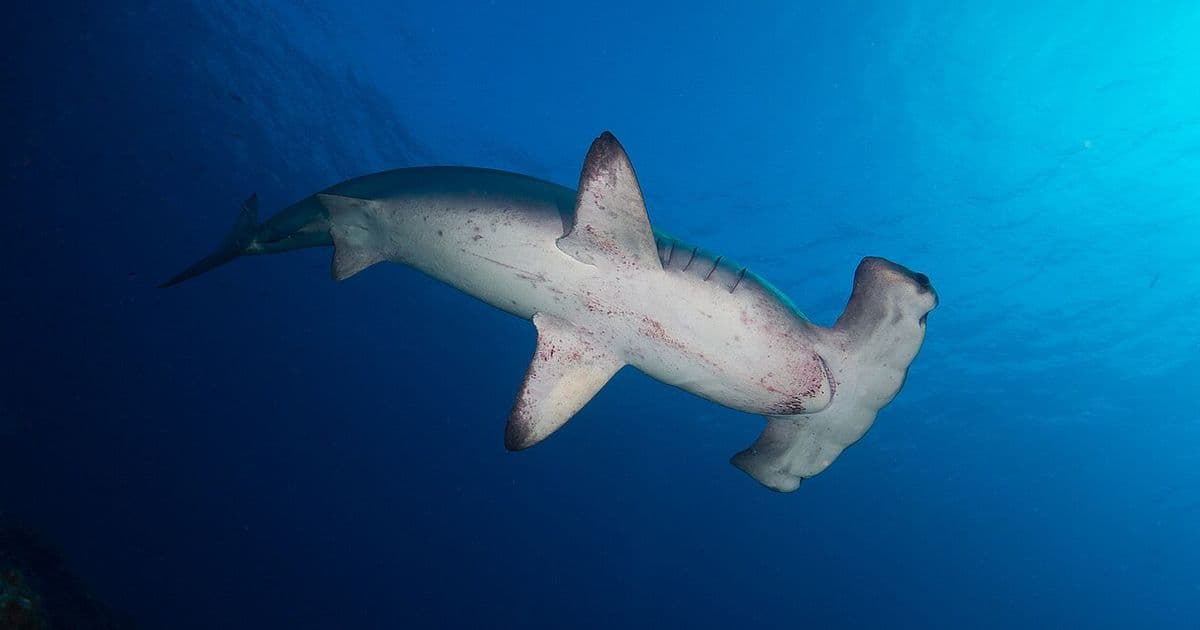
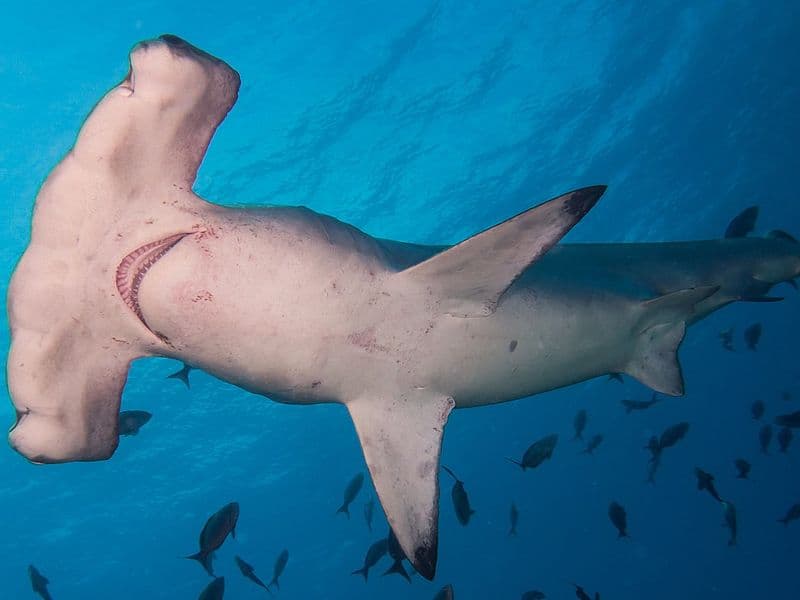
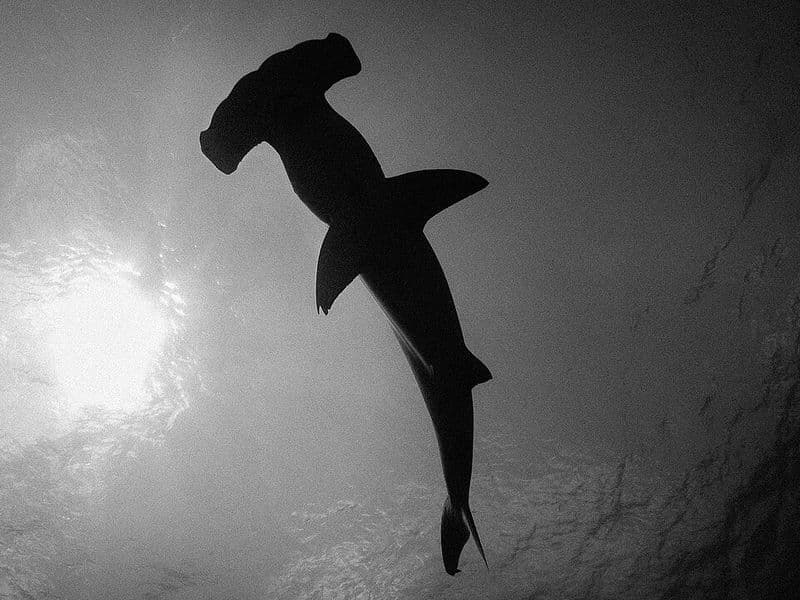
Costa Rica's waters host an astonishing array of marine life. Scalloped hammerhead sharks gather in large schools at Cocos Island and the Bat Islands. Pacific green sea turtles, hawksbill turtles, and leatherback turtles are seen on both coasts. Humpback whales migrate through Costa Rican waters between December and April (North Pacific population) and July through October (Southern Hemisphere population). Whale sharks, bull sharks, manta rays, eagle rays, and dolphins are regular sightings.
Cocos Island: The Crown Jewel of Costa Rica Diving
Cocos Island (Isla del Coco), located 550 kilometers southwest of Costa Rica's Pacific coast in the open Pacific Ocean, is widely considered one of the top five dive destinations in the world. The island's remote location has preserved its marine environment from overfishing and development, allowing shark populations in particular to reach densities rarely seen elsewhere. The site was made famous globally by Jacques Cousteau, who described it as 'the most beautiful island in the world,' and by subsequent documentaries that broadcast its extraordinary underwater biodiversity.
The defining diving experience at Cocos Island is the aggregation of scalloped hammerhead sharks, which gather in schools of hundreds during optimal conditions at sites like Dirty Rock (Roca Sucia), Alcyone, and Manuelita. These gatherings are among the most spectacular marine encounters available anywhere in the world. Beyond hammerheads, divers regularly encounter whale sharks (particularly from June through November), whitetip reef sharks in large groups on the seafloor, Galapagos sharks, silky sharks, tiger sharks, Pacific manta rays, eagle rays, dolphin pods, and enormous schools of jacks and tuna.
Reaching Cocos Island requires a liveaboard dive boat, as day trips are logistically impossible given the 550-kilometer distance. Several liveaboard operators run 8 to 10-day expeditions from Port Quepos or Puntarenas, with multiple dives per day covering the island's 30+ dive sites. Liveaboard trips cost between $4,500 and $7,000 USD per person including all meals, diving, equipment, and the park entrance fee. Advance booking 6 to 12 months ahead is essential for popular departure dates.
Best Time to Dive Cocos Island
Cocos Island diving is generally excellent year-round, but two periods stand out. From June through November, whale shark sightings are most frequent, as upwelling currents bring the plankton blooms these filter feeders follow. From December through May, visibility is typically highest and hammerhead schools are most reliably encountered. Many experienced divers consider July through October the optimal overall window, balancing large animal encounters with manageable sea conditions.
Pacific Coast Dive Sites
Caño Island (Isla del Caño) Biological Reserve, located 16 kilometers off the Osa Peninsula, is the premier dive destination on mainland Costa Rica. The island's protected status has preserved remarkable marine biodiversity, with dives regularly featuring large schools of fish, reef sharks, white-tip reef sharks sleeping on the bottom, spotted eagle rays, hawksbill sea turtles, moray eels, and diverse reef fish species. Coral coverage at Caño Island is more extensive than at most Pacific Costa Rica sites and includes large barrel corals, brain corals, and branching corals. Visibility typically ranges from 10 to 25 meters depending on current and season.
The Bat Islands (Islas Murciélagos) in the northwestern corner of Guanacaste are famous for bull shark diving from May through November. During this period, large numbers of bull sharks—some exceeding 3 meters in length—gather in the waters around these uninhabited islands. The 'Big Scare' dive site at the Bat Islands is one of the most adrenaline-intense shark dives available in the Americas. This experience is recommended for advanced divers comfortable with strong currents and close encounters with large, powerful sharks in open water.
Playa del Coco and the surrounding area in Guanacaste serve as the most accessible diving hub on the Pacific Coast, with multiple dive operators and day trips available to sites including the Pinnacles, Bajo El Diablo, and Punta Gorda. These sites offer reliable encounters with white-tip reef sharks, large moray eels, hawksbill turtles, spotted eagle rays, and diverse reef life. The accessibility of Coco from the Liberia international airport makes it a convenient entry point for divers connecting from North America.
Diving Near Quepos and Manuel Antonio
Several dive operators in Quepos offer day trips to local sites around the Manuel Antonio coastline and further offshore toward Caño Island. The inshore reefs around Manuel Antonio National Park protect sea turtles and diverse reef fish in relatively shallow, accessible waters suitable for newly certified divers. Quepos also serves as the primary departure point for Cocos Island liveaboard expeditions, making it a key hub for Costa Rica's advanced diving community.
Caribbean Coast Diving
The Caribbean coast of Costa Rica offers diving in a distinctly different marine ecosystem from the Pacific. While the Pacific sites are characterized by open water pelagic encounters and upwelling-driven productivity, the Caribbean offers classic tropical reef diving with high coral cover, diverse reef fish communities, and calmer, warmer waters. Visibility on the Caribbean coast during optimal conditions can reach 25 to 30 meters, among the clearest in Costa Rican waters.
The Gandoca-Manzanillo Wildlife Refuge near Puerto Viejo de Talamanca encompasses both terrestrial and marine habitat and protects significant reef systems. The reefs here support an exceptional diversity of coral species including star, brain, and pillar corals, along with Caribbean-specific fish species including queen angelfish, trunkfish, French grunts, and spotted drums. Sea turtles—including hawksbill, green, and leatherback—are regularly encountered, as Gandoca Beach is a major leatherback nesting site.
Cahuita National Park maintains coral reef systems that, while partially damaged by the 1991 earthquake that significantly altered the coastline, continue to recover and support diverse marine life. The park's reef extends over 22,000 hectares and is accessible to snorkelers and divers alike. The accessibility of Cahuita by boat from the town dock makes it a convenient option for Caribbean diving day trips without requiring specialized liveaboard logistics.
Caribbean vs. Pacific Diving
The choice between Pacific and Caribbean diving in Costa Rica largely comes down to preference for experience type. Pacific diving, particularly at Cocos Island and Bat Islands, offers dramatic encounters with large pelagic species—shark schools, whale sharks, mantas—in more challenging open-water conditions. Caribbean diving provides classic tropical reef experiences with colorful coral gardens, diverse reef fish, and calmer waters more suitable for beginners and snorkelers.
Best Time to Dive in Costa Rica
The optimal diving season varies significantly by site on both coasts. On the Pacific Coast, the dry season from December through April offers the best visibility at most inshore sites, with calmer seas making boat trips more comfortable. However, this period can be less productive for large pelagic encounters at sites like Cocos Island, where upwelling-driven productivity (and the associated planktonic food chain) peaks during the green season. Pacific divers targeting whale sharks should focus on June through November despite the rougher surface conditions.
Caribbean coast diving conditions are generally best from February through April and from September through October, coinciding with calmer wind and sea conditions. The Caribbean's rainy season brings river runoff that reduces visibility in nearshore areas, while drier periods offer clearer water and more pleasant conditions for reef diving. The Caribbean's peak surf season (December through March) coincides with rougher conditions that can limit dive boat access to some reef sites.
Seasonal wildlife highlights provide additional guidance. Humpback whales from the Northern Pacific population pass through Costa Rican waters from December through April. Southern Hemisphere humpbacks are present from July through October. Whale sharks at Cocos Island are most frequently encountered from June through November. Sea turtle nesting at various beaches on both coasts follows specific species-dependent schedules, with leatherbacks nesting from February through July and olive ridley turtles arriving in mass nesting events called arribadas primarily at Ostional on the Pacific from July through November.
Diving Year-Round
While specific seasons optimize particular experiences, Costa Rica offers worthwhile diving in every month of the year. Operators run trips year-round, and even during the green season when Pacific sites experience reduced visibility, the diversity of marine life encountered compensates for the cloudier water. Flexibility in diving expectations—prioritizing species encounters over visibility maximization—allows year-round visitors to have rewarding experiences.
Dive Operators, Certification, and Planning
Costa Rica hosts numerous PADI and SSI-affiliated dive centers offering certification courses from Open Water through Divemaster and Instructor levels. Major Pacific diving hubs including Playa del Coco, Quepos, and Puerto Jimenez (near Caño Island) all have established dive operators with modern equipment and experienced instructors. On the Caribbean side, Puerto Viejo de Talamanca has several dive operators serving the Gandoca-Manzanillo and Cahuita reef systems. Open Water certification courses cost approximately $350 to $500 USD including equipment and typically require 3 to 4 days.
For certified divers, day-trip dive packages including two dives, tanks, weights, and guide service typically cost $100 to $150 USD per person at Pacific sites. Caño Island day trips, which require a longer boat journey and include a national park fee, cost $150 to $250 USD. Bat Islands shark diving day trips from Playa del Coco cost approximately $120 to $180 USD including two dives. All prices vary by operator and may change seasonally.
Equipment rental is available at all major dive centers. However, bringing your own mask and wetsuit (a 3mm suit is sufficient for most Costa Rican sites) ensures comfort and fit. Underwater cameras and housings can be rented at select operators. Dive computers are strongly recommended and can be rented if not personally owned. Advanced divers pursuing Cocos Island liveaboard trips should ensure they are comfortable with strong currents, significant depth, open-ocean conditions, and large animal encounters before booking.
Planning a Cocos Island Liveaboard
Reputable Cocos Island liveaboard operators include Undersea Hunter, Okeanos Aggressor, and Argo. Trips run 8 to 10 days from Puntarenas or Quepos and include 3 to 4 dives per day. Minimum experience requirements are typically an Advanced Open Water certification with at least 100 logged dives. The Cocos Island National Park charges entrance fees incorporated into the liveaboard cost, which typically totals $4,500 to $7,000 USD per person including all diving and meals.
Frequently Asked Questions
Is Cocos Island worth the expense for diving?
For serious divers, Cocos Island is consistently rated as a once-in-a-lifetime experience. The density of shark encounters—including schools of hundreds of hammerheads—and the overall marine biodiversity are unmatched in the Western Hemisphere. The significant cost reflects the remote location, liveaboard logistics, and park fees. For divers who have always dreamed of shark diving, the investment is broadly considered worthwhile.
Do I need advanced certification for diving in Costa Rica?
Not for most sites. Open Water certification is sufficient for inshore reef diving at Caño Island, Playa del Coco sites, and Caribbean reefs. Advanced Open Water is recommended for sites with stronger currents like the Bat Islands. Cocos Island operators typically require Advanced Open Water with a minimum of 100 logged dives due to the depth, currents, and open-ocean conditions.
Are there sharks at Costa Rica dive sites?
Yes. Shark encounters are one of Costa Rica's primary diving attractions. Scalloped hammerheads gather in large schools at Cocos Island and occasionally at the Bat Islands. Bull sharks congregate at the Bat Islands from May through November. White-tip reef sharks are commonly seen sleeping on the bottom at most Pacific reef sites. Whale sharks are seasonal visitors at Cocos Island and occasionally at Caño Island.
Can beginners learn to dive in Costa Rica?
Absolutely. PADI and SSI-affiliated dive schools operate throughout Costa Rica, offering Open Water certification courses over 3 to 4 days for $350 to $500 USD. Major hubs include Playa del Coco, Quepos, and Puerto Viejo. The warm, clear water and accessible reef sites make Costa Rica an excellent place to learn to dive.
What is the best diving area for non-liveaboard divers in Costa Rica?
Playa del Coco in Guanacaste is the most convenient Pacific diving hub, with easy access from Liberia airport and numerous operators running day trips to sites including the Bat Islands. Caño Island day trips from Drake Bay or Quepos are excellent for intermediate divers. On the Caribbean, Puerto Viejo offers accessible reef diving at Gandoca-Manzanillo and Cahuita National Park.