
Costa Rica Flights: Complete Guide to Getting There and Around
Flying to Costa Rica is straightforward from North America, with direct flights available from dozens of US and Canadian cities to two international airports. Understanding the country's two gateway airports — San José (SJO) and Liberia (LIR) — is key to planning an efficient trip, as your destination within Costa Rica should determine which airport you fly into. Domestic flights within Costa Rica are also a valuable time-saving tool for reaching remote destinations.
International Airports in Costa Rica
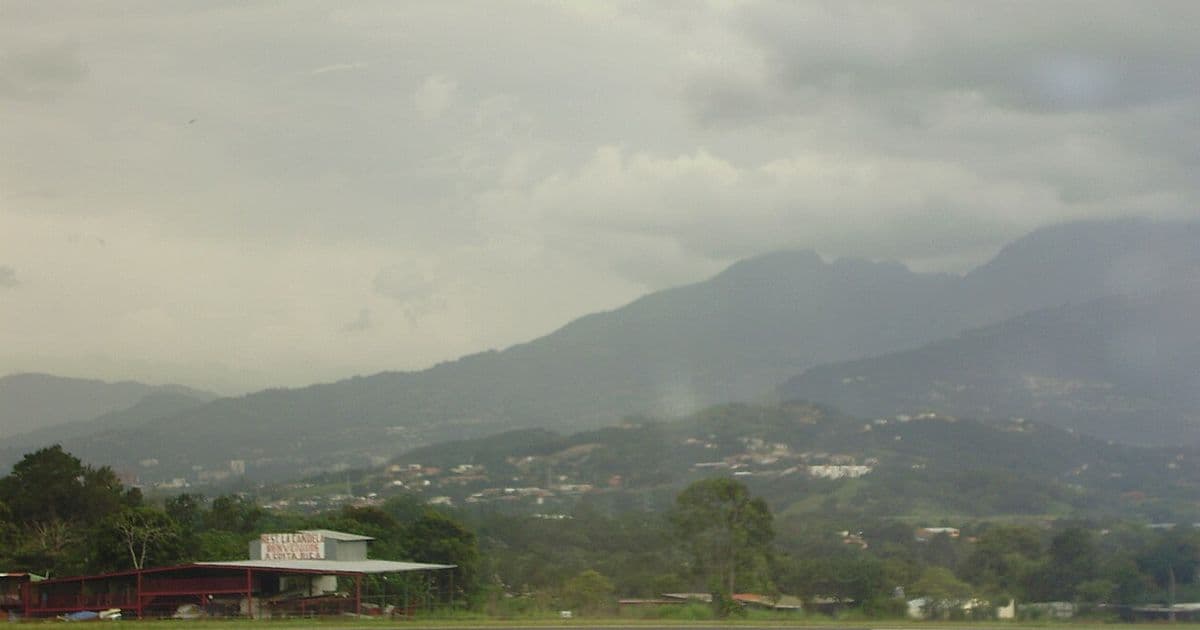
Costa Rica has two international airports capable of handling large commercial aircraft. Juan Santamaría International Airport (IATA: SJO), located in Alajuela just 18 kilometers northwest of downtown San José, is the country's main aviation hub and by far the busiest. The airport handles approximately 4–5 million passengers annually and receives direct flights from the United States, Canada, Europe, and Latin American destinations. The airport has been significantly upgraded in recent years with expanded terminal capacity, international retail, and improved transit facilities.
Daniel Oduber Quirós International Airport (IATA: LIR), located in Liberia in the Guanacaste province, is the second international gateway and primarily serves travelers headed to the Pacific beach resorts of Guanacaste. The airport is considerably smaller than SJO but has undergone major expansion to accommodate growing charter and scheduled traffic. Flying into LIR saves 3–4 hours of road travel for travelers bound for Tamarindo, Flamingo, Papagayo, or other northern Pacific destinations.
Both airports have immigration, customs, ATMs, car rental agencies, taxi services, and ground transportation options. Pre-clearing security for departure from SJO can take 1.5–2 hours during peak season; arriving at the airport 3 hours before international flights is recommended from November through April.
SJO Airport Terminal Overview
Juan Santamaría Airport (SJO) has two terminal buildings connected by a covered walkway. Terminal A handles most international arrivals, while Terminal B handles additional gates. The departure area features duty-free shops, restaurants, a coffee bar, and currency exchange. A government-mandated departure tax (currently included in most airline tickets) applies to all international departures. The airport sits at 920 meters elevation, giving it a notably cooler climate than coastal destinations.
Airlines Flying to Costa Rica
American Airlines, United Airlines, Delta Air Lines, and Southwest Airlines are the four major US carriers offering the most flights to Costa Rica. American has the broadest network with flights from Miami, Dallas, New York (JFK), Los Angeles, and Charlotte. United flies from Houston, Newark, and Washington Dulles. Delta operates from Atlanta, New York (JFK), and Los Angeles. Southwest serves San José from multiple US cities including Baltimore, Houston, Denver, and Los Angeles, often at competitive prices.
Spirit Airlines and Frontier Airlines offer budget fares from select US cities, particularly from Florida, though their baggage fees and less flexible policies require careful consideration of the total cost. JetBlue operates from New York (JFK) and Boston. Alaska Airlines serves San José from the West Coast. LATAM Airlines and Avianca connect Costa Rica to South American cities and are popular with travelers combining Costa Rica with other South American destinations.
From Canada, Air Canada operates seasonal direct flights from Toronto and Montreal. Air Transat and Sunwing operate charter flights from multiple Canadian cities, particularly in winter months. From Europe, Condor and TUI offer seasonal service, while Iberia and Air France/KLM provide connections through Madrid and Amsterdam.
Charter Flights and Package Deals
Charter airlines operate seasonal direct flights from Canadian and European cities to both SJO and LIR, often bundled with resort accommodation in package deals. These packages can offer excellent value compared to booking flights and accommodation separately. The tradeoff is less flexibility — charter packages typically require fixed arrival and departure dates. Travel agencies specializing in Costa Rica packages are a good resource for charter availability from Canadian cities.
Flight Times from Major Cities
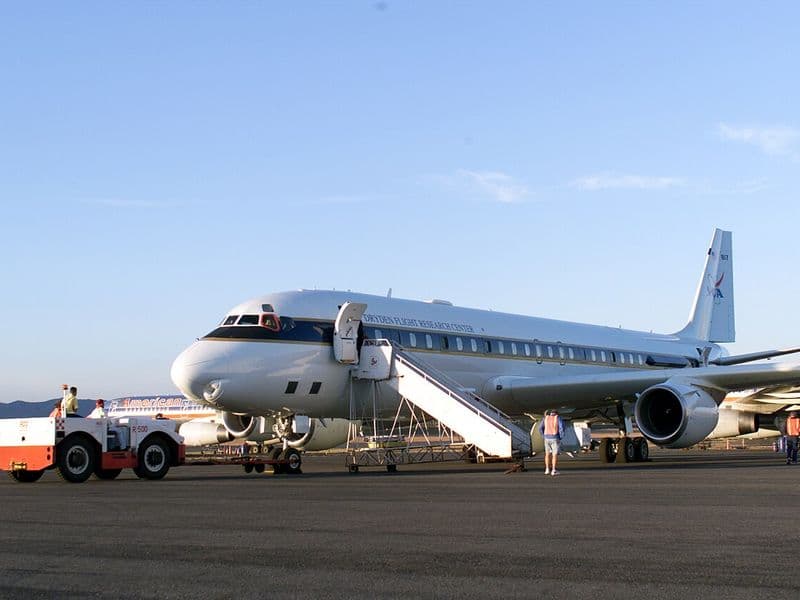
Flight duration to Costa Rica varies significantly by departure city. From Miami, the shortest US-Costa Rica route, flights to SJO take approximately 2.5–3 hours. From New York area airports (JFK, EWR, LGA), flights are 5–5.5 hours. From Atlanta, approximately 3.5–4 hours. From Houston, approximately 3.5 hours. Dallas to SJO takes approximately 4 hours. From the West Coast — Los Angeles, San Francisco, Seattle — direct flights take 6–7 hours, making them the longest domestic US routes.
From Toronto, direct flights to SJO take approximately 6 hours. From Montreal, approximately 6.5 hours. Travelers from other North American cities without direct service typically connect through Miami, Houston, Dallas, or Atlanta for the shortest total journey time. From London, connecting flights take approximately 13–15 hours total including a layover. Direct flights from Europe are limited to seasonal charter services.
Red-Eye and Early Morning Flights
Many flights from the US East Coast to Costa Rica depart early in the morning (6–9 AM), arriving in San José by midday. Flights from the West Coast often depart in the afternoon or evening. Since immigration and customs at SJO can take 45–90 minutes, planning your first night's accommodation within 30–60 minutes of the airport (in Alajuela or San José) is advisable, especially for late arrivals. Evening or overnight departures are offered on some routes from the South and Midwest.
Choosing SJO vs. LIR Airport
The choice between flying into San José (SJO) or Liberia (LIR) should be driven entirely by your intended destination within Costa Rica. Flying into SJO makes sense if you plan to visit: San José and the Central Valley, Arenal/La Fortuna (3.5 hours from SJO), Monteverde (3 hours from SJO), the Central Pacific coast including Jacó and Manuel Antonio (1.5–3 hours from SJO), the Caribbean coast (2.5–3 hours from SJO), or the Southern Pacific and Osa Peninsula (5–7 hours from SJO).
Flying into LIR (Liberia) makes sense if your primary destination is: Guanacaste beach resorts including Tamarindo, Flamingo, Conchal, and Nosara (1–2 hours from LIR), the Papagayo Peninsula (40 minutes from LIR), Rincón de la Vieja National Park (1.5 hours from LIR), or the northern Nicoya Peninsula including Sámara (2.5 hours from LIR). LIR saves 3–4 hours compared to driving from SJO for these northern Pacific destinations.
For itineraries combining multiple regions, some travelers fly into one airport and depart from the other — a one-way car rental strategy that eliminates backtracking. Check one-way car rental policies and fees when planning, as drop-off fees can be significant.
One-Way Car Rental Strategy
Flying into SJO and departing from LIR (or vice versa) is a popular strategy for multi-region itineraries that avoids retracing routes. For example: arrive in SJO, explore Arenal and Monteverde, drop down to Guanacaste beaches, depart from LIR. Car rental companies including Adobe, Economy, and the major international brands generally allow one-way rentals between the two airports but charge a drop fee, typically $100–$200. Book this arrangement in advance as availability is limited.
Domestic Flights Within Costa Rica
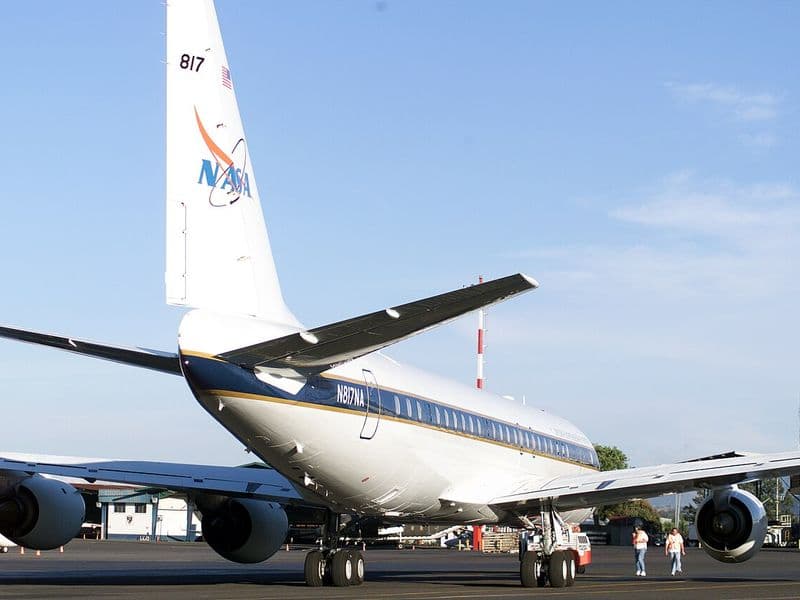
Costa Rica's domestic air network is operated primarily by Sansa Airlines (part of the Copa Airlines group), which operates regular scheduled flights connecting San José's domestic terminal (Tobías Bolaños Airport, XQP in Pavas, west of the capital) to approximately 15 regional destinations. Key domestic routes include: San José to Quepos/Manuel Antonio (30 min vs. 3 hours by road), San José to Puerto Jiménez/Osa Peninsula (50 min vs. 7 hours by road), San José to Tamarindo (55 min vs. 4.5 hours), San José to Liberia (40 min vs. 4 hours), and San José to Tortuguero (30 min vs. 3+ hours by boat).
Domestic fares on Sansa range from approximately $70–$200 each way depending on route and advance booking. Charter services through Nature Air (now Aerobell and other operators) supplement Sansa with on-demand flights to more remote airstrips. Baggage allowances on domestic flights are strictly limited — usually one checked bag of 10–12 kg and a small carry-on — due to the small aircraft (typically Cessna Caravans and similar turboprops) used on most routes.
Small Aircraft Considerations
Costa Rican domestic flights operate on small turboprop aircraft seating 5–20 passengers, which have different characteristics from commercial jets. Weight limits are strictly enforced (passenger plus baggage weight is calculated together on some routes). Flights can be subject to delay or cancellation due to weather, particularly fog at the San José domestic terminal and rain at tropical coastal airstrips. Building flexibility into plans around domestic connections is advisable, especially if connecting to international departures.
Tips for Finding Affordable Flights
Costa Rica flights are most affordable when booked 3–6 months in advance for peak season (December–April) travel. Last-minute deals are rare during high season as demand consistently exceeds supply on popular routes. The lowest fares from the US are typically found from departure cities with direct service: Miami, Houston, Dallas, Atlanta, and New York. Adding a connection often increases total travel time substantially for minimal fare savings.
Flying on Tuesday, Wednesday, or Saturday rather than the popular departure days of Friday and Sunday can yield savings of $50–$200 round-trip. Flexible date search tools on Google Flights, Kayak, and Momondo allow easy comparison across a range of dates. For travel during Christmas and New Year's week, flights should be booked as far in advance as possible — 6–12 months is not excessive for premium seats on peak dates.
Setting fare alerts through Google Flights, Hopper, or Kayak for your desired dates provides notification when prices change. Credit card rewards points from travel cards (Chase Sapphire, American Express, Capital One) can significantly reduce flight costs when redeemed through airline partners or travel portals. Many travelers to Costa Rica use points for the international flights and pay cash for the shorter, cheaper domestic segments.
Green Season Flight Deals
May through November (the green or rainy season) offers significantly lower flight prices than the December–April peak. Flights during this period can be $100–$300 cheaper round-trip from most US cities. The green season is an excellent time to visit — the country is lush and green, wildlife is active, tour prices are lower, and popular attractions are less crowded. Afternoon rainfall in most areas is typically 1–3 hours and does not prevent full days of activities.
Frequently Asked Questions
Which airport should I fly into for Costa Rica?
Fly into San José (SJO) if you're visiting Arenal, Monteverde, Manuel Antonio, the Caribbean, or the Osa Peninsula. Fly into Liberia (LIR) if your primary destination is Guanacaste beach resorts like Tamarindo, Flamingo, Nosara, or the Papagayo area. LIR saves 3–4 hours of driving compared to SJO for northern Pacific destinations.
Are there direct flights from the US to Costa Rica?
Yes. American, United, Delta, Southwest, Spirit, JetBlue, and other carriers offer direct (non-stop) flights to Costa Rica from dozens of US cities. Miami, Houston, Dallas, Atlanta, and New York area airports have the most frequent direct service. From smaller US cities, a single connection is typically required, usually through one of these hubs.
How much does it cost to fly to Costa Rica?
Round-trip flights from US cities typically range from $300–$700 in economy class, depending on departure city, season, and advance booking time. Budget airlines like Spirit or Southwest can offer fares under $300 from certain cities. Peak season (December–April) commands higher prices. Green season (May–November) often sees fares $100–$300 cheaper. Business class fares range from $1,500–$4,000 round-trip.
What is the nearest airport to Manuel Antonio?
The nearest airport to Manuel Antonio is Quepos Airport (XQP), which receives daily domestic flights from San José operated by Sansa Airlines. The flight takes approximately 30 minutes versus a 3-hour drive from San José. The airport is about 7 km from the national park entrance. Flying into the Quepos regional airport and renting a car or taking a taxi from there is the most time-efficient way to reach Manuel Antonio.
Do I need a visa to fly to Costa Rica?
Citizens of the United States, Canada, EU countries, the UK, and many other nations do not need a visa to enter Costa Rica for tourist stays up to 90 days. You will need a valid passport with at least 6 months remaining validity, proof of onward travel (a return flight or continuing itinerary), and proof of sufficient funds. Entry requirements can change; check with the Costa Rican consulate or official government sources before travel.