
Costa Rica in February: The Best of Dry Season Travel
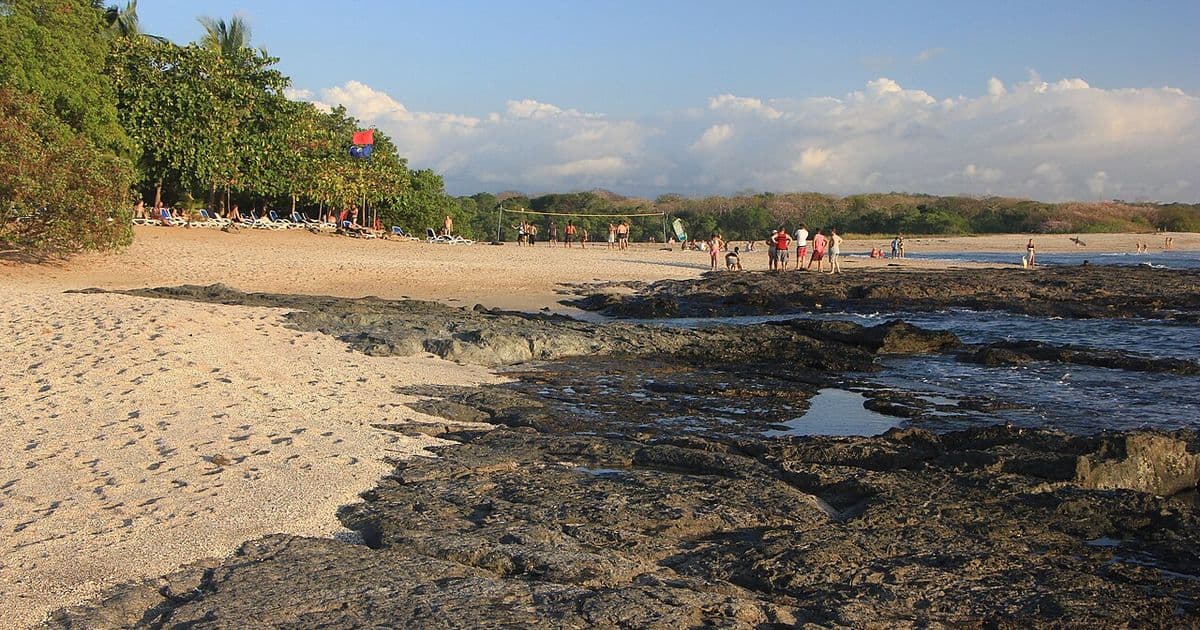
February is one of the finest months to visit Costa Rica, sitting squarely in the heart of the dry season on the Pacific coast. With reliably sunny skies, warm temperatures, low humidity, and all outdoor activities fully operational, February offers near-perfect conditions for beach vacations, adventure sports, and wildlife watching. It is also a peak tourist month, so planning ahead is essential to secure the best accommodation and experience this tropical destination at its most vibrant.
February Weather Across Costa Rica
February is one of the driest months of the year across most of Costa Rica. The Pacific coast — from Guanacaste and the Nicoya Peninsula down through the Central Pacific and to the Osa Peninsula — experiences minimal rainfall, abundant sunshine, and warm temperatures typically ranging from 26°C to 34°C (79°F to 93°F) at sea level. The Guanacaste region is at its sunniest in February, with daytime temperatures often exceeding 35°C (95°F) in the shade.
The Central Valley and highland areas including San José, Alajuela, Heredia, and Cartago enjoy their most comfortable weather of the year in February — warm, dry mornings and little need for a rain jacket. Temperatures in San José (at 1,170 m elevation) hover between 18°C and 27°C (64°F and 81°F). The highland cloud forests of Monteverde are pleasant in February, with mornings of clear visibility before afternoon mist rolls in from the Caribbean slope.
The one exception to the dry-season picture is the Caribbean coast. Puerto Viejo, Cahuita, and Tortuguero can experience rainfall in February, though this coast follows its own rain pattern independent of the Pacific. Interestingly, the southern Caribbean around Puerto Viejo often has a relative dry spell in September–October, opposite to the Pacific pattern. Travelers specifically visiting the Caribbean coast should be prepared for the possibility of afternoon showers even in February.
Papagayo Winds in February
February, along with January and March, is one of the strongest months for the Papagayo winds along Costa Rica's North Pacific coast. These offshore winds — driven by pressure differences between the Pacific and the Caribbean — can reach 40–60 km/h at peak intensity, particularly in the Gulf of Papagayo near Liberia. These winds benefit kitesurfers and windsurfers (especially at Lake Arenal) but can make ocean conditions rough for snorkeling and swimming in the northern Pacific.
Best Destinations for February Travel
February is an exceptional month for the Nicoya Peninsula. Beach towns including Tamarindo, Sámara, Nosara, Santa Teresa, and Montezuma are at their most appealing — golden sands, turquoise water, and a lively mix of surfers, yoga practitioners, and families on vacation. Santa Teresa on the southern tip of the Nicoya Peninsula has grown into one of Central America's premier surf and wellness destinations, with excellent surf breaks, yoga studios, organic restaurants, and boutique accommodation.
The Arenal Volcano and La Fortuna area is superb in February. Clear morning skies often reveal the dramatic volcanic cone before clouds develop in the afternoon. Hot spring resorts surrounding the volcano offer geothermally heated pools at any hour, and adventure operators run zip-line canopy tours, hanging bridges, ATVs, kayaking on Lake Arenal, and white-water rafting. Windsurfing and kitesurfing on Lake Arenal are particularly excellent in February due to consistent strong winds.
Corcovado National Park on the Osa Peninsula is accessible year-round, but February's relatively lower rainfall (compared to the June–October peak) makes it more manageable for the challenging backcountry hikes required to explore the park. The park limits daily visitors and requires guides and advance reservations. Wildlife encounters including tapirs, peccaries, scarlet macaws, and all four Costa Rican monkey species are outstanding in February.
Manuel Antonio in February
Manuel Antonio National Park on the central Pacific coast is excellent in February. The park limits daily visitors, so advance online reservations are strongly recommended. White-faced capuchin monkeys, three-toed sloths, coatis, and raccoons are commonly seen along the park trails, and the park's beaches — particularly Playa Espadilla Sur inside the park boundary — are among the most beautiful in Costa Rica with calm swimming conditions in February.
Monteverde in February
February is an excellent time to visit the Monteverde Cloud Forest Reserve and the surrounding Santa Elena Reserve. The resplendent quetzal breeding season begins in February, making this one of the best months for quetzal sightings with local birding guides. The famous hanging bridges, canopy tours, and the Children's Eternal Rainforest offer excellent wildlife-rich experiences in this unique cloud forest ecosystem.
Wildlife in February
February is one of the best months for wildlife observation in Costa Rica across all regions. The dry season vegetation on the Pacific slope and in Guanacaste means less foliage and better sightlines for spotting animals. The Palo Verde National Park and its wetlands host enormous concentrations of migratory and resident waterbirds in February, including roseate spoonbills, jabiru storks (the tallest flying bird in the Western Hemisphere), and hundreds of ducks, herons, and ibises.
The resplendent quetzal is perhaps the most sought-after bird in the Neotropics, and February marks the beginning of its breeding season in Costa Rica's cloud forests. The males develop their spectacular long tail feathers — which can reach 60 cm in length — for the breeding display period. San Gerardo de Dota valley (near Chirripó) and the Monteverde area are the best locations for quetzal viewing, with experienced local guides achieving near-certain sightings.
Olive ridley sea turtles continue to nest at Ostional Wildlife Refuge on the Nicoya Peninsula in February, with mass nesting events ("arribadas") occurring unpredictably. The Ostional cooperative, run by local community members, organizes guided tours during nesting events and is the only beach in Costa Rica where nest excavation and egg sale to local communities is legally permitted under strict quotas. Leatherback sea turtles nest at Las Baulas National Marine Park near Tamarindo from October through March, with February potentially offering sightings near the end of the nesting season.
Scarlet Macaw Viewing
Scarlet macaws are highly visible in February along the central Pacific coast, particularly in and around Carara National Park and at the La Ensenada and Tarcoles River areas. Morning and late afternoon flights of macaw pairs are a spectacular sight along forest edges and over beachfront areas near Jacó. The Osa Peninsula also hosts large macaw populations, with birds frequently seen flying over the jungle canopy in and around Corcovado National Park.
Activities and Adventure Sports
February's ideal weather makes it the best month for virtually every outdoor activity in Costa Rica. Surfing is excellent throughout the Pacific coast, with consistent swells at breaks from Witch's Rock in Guanacaste down through Jacó, Dominical, and Pavones in the south. Tamarindo and Santa Teresa are particularly popular in February, attracting experienced surfers from North America and Europe taking advantage of the northern hemisphere winter escape opportunity.
White-water rafting on the Pacuare River near Turrialba is in excellent condition in February. The Pacuare is internationally recognized as one of the top 10 rafting rivers in the world, featuring Class III–IV rapids through pristine tropical rainforest gorges with no road access. Overnight rafting/jungle camping packages are available and allow immersion in one of Costa Rica's most remote ecosystems. The Reventazón River near Turrialba offers shorter half-day options.
Sport fishing is outstanding along the Pacific coast in February. Sailfish — for which Costa Rica is world-famous — are highly active in Pacific coastal waters, with Quepos (near Manuel Antonio) considered one of the top sailfish destinations on the planet. Marlin, dorado (mahi-mahi), tuna, and wahoo are also caught in large numbers. Los Sueños Marina near Jacó and the marina at Quepos serve as major sport fishing hubs. The Golfo Dulce near the Osa Peninsula also offers excellent inshore fishing for snook and roosterfish.
Scuba Diving and Snorkeling
The Bat Islands (Islas Murciélagos) off the northern Guanacaste coast offer the best scuba diving on Costa Rica's Pacific side in February, with bull shark encounters and excellent visibility. The Catalinas Islands near Playa Flamingo are popular for snorkeling and beginner diving. On the Caribbean coast, Cahuita National Park protects Costa Rica's largest living coral reef, with snorkeling accessible directly from the beach in calm February conditions.
Festivals and Cultural Events in February
February in Costa Rica is generally free of major national holidays, making it a quieter month culturally compared to December, January (New Year), or April (Semana Santa). However, Valentine's Day (February 14) is celebrated enthusiastically throughout the country, with restaurants offering special menus and hotels arranging romantic packages — a consideration for couples traveling in mid-February.
Oxcart festivals and local fiestas occur in various towns throughout the year, and February may include small-scale agricultural or cultural events in towns across the Central Valley and Guanacaste. The annual National Orchid Show typically takes place in the Central Valley between January and March, featuring hundreds of orchid species and hybrid cultivars from Costa Rica's renowned collection — the country hosts over 1,200 native orchid species.
Surfing competitions are sometimes held at Tamarindo and other Pacific breaks during the dry season months, attracting professional Central American surfers and creating a festive atmosphere in beach towns. These events are informal and not always on a fixed calendar, so checking with local surf shops before travel is recommended if competition viewing is of interest.
Día de la Cultura Negra
While the main Día de la Cultura Negra (Afro-Caribbean Day) falls on August 31 in Costa Rica, the Caribbean coast's vibrant Afro-Caribbean cultural heritage is celebrated year-round. February visitors to Puerto Viejo and Cahuita can experience Caribbean cooking traditions, reggae music, and local craft markets any time of year. The cultural richness of the Caribbean coast is an important counterpart to the Pacific-focused mainstream tourism narrative.
Travel Planning and Budget Tips
February is firmly within Costa Rica's high tourist season, meaning advance booking is essential. Hotels at popular destinations including Tamarindo, Manuel Antonio, Monteverde, and the Arenal area often sell out weeks or months in advance during February. Securing accommodations and car rentals 3–4 months ahead is strongly recommended. Domestic flights with Sansa Airlines also fill up quickly; booking early ensures the best seat selection and pricing.
Budget travelers can reduce costs in February by choosing accommodations in towns adjacent to tourist hotspots rather than in the most popular villages. For example, staying in Playa Potrero or Playa Flamingo rather than Tamarindo can save money while remaining close to the action. Eating at local sodas (small family restaurants) instead of tourist-facing restaurants reduces food costs significantly — a typical soda casado (set meal of rice, beans, meat, salad, and juice) costs $5–$8 versus $15–$25 at tourist restaurants.
Car rental in February is expensive compared to rainy season months, but provides essential flexibility for exploring Costa Rica at your own pace. Book early and compare prices between international companies (Avis, Alamo, Budget) and reputable local companies. A 4WD vehicle is recommended for access to beach and mountain destinations with unpaved approach roads. Fuel in Costa Rica is sold at RECOPE service stations at government-regulated prices and is available throughout the country except in the most remote areas.
Health Considerations in February
February's dry season means lower mosquito activity on the Pacific coast compared to rainy season months, though tropical areas always carry some risk of dengue and other mosquito-borne illnesses. Sun protection is critical — UV levels at tropical latitudes are intense year-round, and the dry season's clear skies increase risk of sunburn. Stay hydrated, wear reef-safe sunscreen, and use insect repellent in forested and lowland areas.
Frequently Asked Questions
Is February a good time to visit Costa Rica?
February is one of the best months to visit Costa Rica. The Pacific coast is at its driest and sunniest, all outdoor activities are operating, wildlife is highly visible, and the resplendent quetzal breeding season begins. The main drawbacks are peak season prices and the need to book well in advance.
What is the weather like in Costa Rica in February?
On the Pacific coast and in the Central Valley, February is warm, dry, and very sunny with temperatures of 26–34°C (79–93°F) at sea level and 18–27°C in San José. The Caribbean coast can experience some rainfall year-round. The Guanacaste region experiences its strongest Papagayo winds in February, which can create rough sea conditions in the north.
Can I see quetzals in Costa Rica in February?
Yes, February is an excellent month for resplendent quetzal sightings. The breeding season begins in February, and males grow their spectacular tail feathers at this time. The best locations are the San Gerardo de Dota valley in the Talamanca highlands and the Monteverde Cloud Forest area. Local birding guides greatly improve quetzal-viewing success.
Is surfing good in Costa Rica in February?
Yes, February offers excellent surfing conditions throughout the Pacific coast. Consistent swells produce good waves at beginner-friendly beaches like Sámara and at more challenging breaks like Playa Grande, Playa Naranjo, and Pavones. Santa Teresa on the Nicoya Peninsula is particularly popular with intermediate and advanced surfers in February.
How busy is Costa Rica in February?
February is one of the busiest months in Costa Rica. Popular parks like Manuel Antonio have daily visitor limits that fill up, and well-regarded eco-lodges and hotels are often fully booked weeks in advance. Planning and booking 3–4 months ahead is essential. Weekday visits to national parks help avoid the largest weekend crowds.