
Costa Rica in March: Late Dry Season Travel Guide
March is an excellent month to visit Costa Rica, representing the final full month of the dry season before the rains gradually return in April and May. Pacific coast beaches are sunny and warm, the resplendent quetzal is at its most visible during peak breeding season, leatherback sea turtles continue nesting on Pacific beaches, and the country's adventure tourism infrastructure operates at full capacity. Some years, Semana Santa (Holy Week) falls in March, adding a festive cultural dimension to the travel experience.
March Weather and Climate
March continues the dry season conditions that have dominated since December. The Pacific coast — especially Guanacaste, the Nicoya Peninsula, and the central Pacific around Jacó and Manuel Antonio — experiences the driest and hottest weather of the year in March. Daytime temperatures regularly exceed 35°C (95°F) in Guanacaste, and humidity remains low, making the heat feel more bearable than in the wet season months. Ocean water temperatures are warm, typically 27–29°C (81–84°F), ideal for snorkeling, diving, and swimming.
The Papagayo winds, which have blown strongly since December, begin to ease slightly in March but remain a factor for boat tours in the Gulf of Papagayo. Further south along the Pacific coast, conditions are calmer. The Central Valley, including San José, continues to enjoy warm, dry days with temperatures between 22°C and 28°C (72°F and 82°F). Cloud forests at Monteverde and similar elevations see occasional afternoon mist but generally clear mornings.
By late March — particularly the final week — the first signs of the approaching rainy season can appear in the south Pacific (Osa Peninsula) and in the Central Valley in the form of brief afternoon thunderstorms. These early-season showers are short-lived and do not significantly impact most travel plans. The northern Pacific coast (Guanacaste) remains dry longest, often through all of April.
Comparing March to Earlier Dry Season Months
March tends to be the hottest and windiest month on the Pacific coast, as the dry season has fully depleted soil moisture and vegetation is at its most parched in the tropical dry forests of Guanacaste. While this makes landscapes look drier and more brown than in February or January, it also concentrates wildlife around water sources and creates excellent wildlife viewing conditions in the dry forest reserves of the northwest.
Best Beaches and Coastal Destinations
The Nicoya Peninsula offers Costa Rica's best beach weather in March. Tamarindo, Playa Grande, Nosara, Sámara, and Santa Teresa are all accessible and beautiful, with calm to moderate surf depending on the beach orientation and swell. The southern end of the Nicoya Peninsula — Montezuma, Cabuya, and Cabo Blanco — has a quieter, more natural character and excellent hiking through coastal dry forest to remote beaches accessible only on foot.
The North Pacific coast in Guanacaste — Playa Flamingo, Playa Conchal, Playa Hermosa (Guanacaste), and the Papagayo Peninsula resorts — is popular in March with families, couples, and group travelers enjoying the all-inclusive or upscale eco-lodge experience. Playa Conchal is particularly notable for its unique crushed shell beach, which gives the sand a distinctive pinkish-white color. Waters here are excellent for snorkeling near the rocky headlands.
The central Pacific coast around Jacó and Manuel Antonio is also outstanding in March. Manuel Antonio National Park is best visited on weekdays and with advance ticket reservations due to daily visitor limits. The 2-kilometer stretch from Quepos to Manuel Antonio village is lined with hotels, restaurants, and tour operators of all price ranges, making it one of Costa Rica's most complete tourist destinations for first-time visitors seeking a combination of rainforest and beach.
Pavones — World's Longest Left Wave
Pavones in the far South Pacific near the Panamanian border is a legendary surf destination that comes alive during March's final dry season swells. The wave at Pavones is considered one of the longest rideable left-breaking waves in the world, potentially offering rides of over a kilometer in ideal conditions. The area is remote, requiring a long drive or a combination of bus and boat travel from Golfito, but dedicated surfers consider it one of the ultimate Costa Rican experiences.
Wildlife Highlights in March
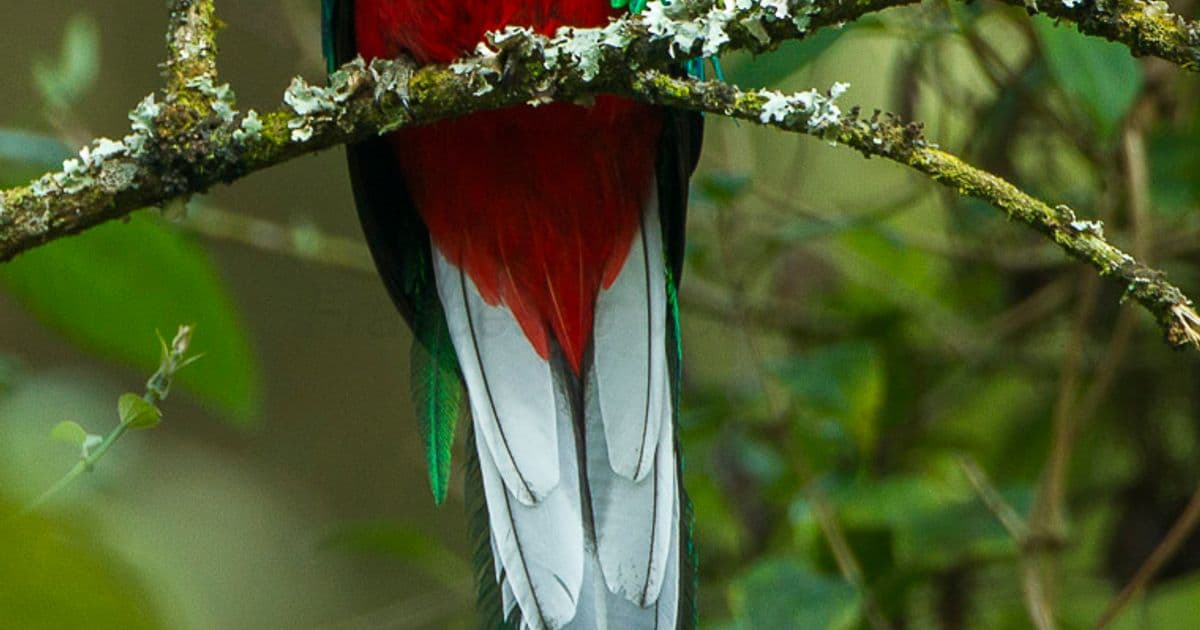
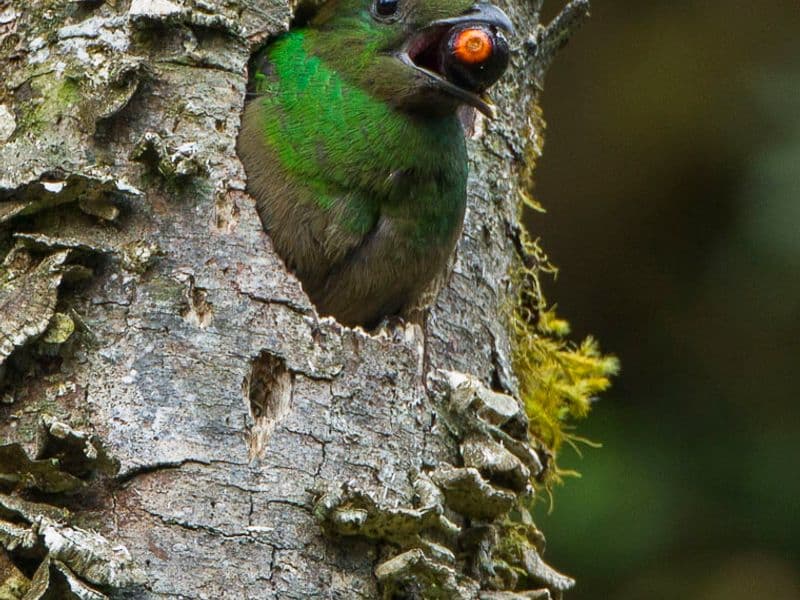
March is the peak of the resplendent quetzal breeding season in Costa Rica's highland cloud forests. Male quetzals grow their magnificent emerald tail feathers — sometimes exceeding 60 cm in length — from February through April, making March the optimal time for observation. The San Gerardo de Dota valley in the Chirripó highlands is widely considered the best quetzal-watching site in Costa Rica, with local guides achieving near-certain sightings on most morning excursions. Quetzals feed heavily on wild avocados during breeding season, making forest fruiting trees the best places to wait quietly for their appearance.
Leatherback sea turtles — the world's largest sea turtle species, reaching up to 2 meters in length and 900 kg in weight — continue nesting on the Pacific coast in March. Las Baulas National Marine Park at Playa Grande near Tamarindo protects one of the most important leatherback nesting beaches in the Eastern Pacific. Nighttime guided nesting tours, operated under strict protocols to minimize disturbance, offer one of the most extraordinary wildlife encounters available in Central America. The nesting season runs October through March, with March being the final month for sightings.
March is also excellent for birdwatching throughout Costa Rica. Many migratory species that wintered in the country — including various warblers, vireos, tanagers, and flycatchers — are still present before beginning their northward migration in April. The Carara National Park near Jacó is exceptional in March for its resident scarlet macaw population, keel-billed toucans, and the full suite of Central Pacific bird species. Wilson Botanical Garden near San Vito in the south is a rewarding and under-visited birding destination with exceptional plant collections alongside excellent bird diversity.
Sea Turtle Nesting at Playa Grande
Leatherback turtle nesting at Las Baulas National Marine Park is one of the world's great wildlife spectacles. Guided nighttime tours allow small groups of visitors to observe the ancient nesting ritual under red-light conditions that minimize disturbance. Rangers and guides lead the experience with deep knowledge and conservation commitment. Reservations through authorized tour operators near Tamarindo are essential, as tour numbers are strictly controlled.
Adventure Activities in March
March offers ideal conditions for virtually every adventure activity in Costa Rica. Surfing is excellent throughout the Pacific coast as consistent swells from the northwest still deliver good-quality waves. The point break at Playa Naranjo in Santa Rosa National Park (accessible only by boat) is considered a world-class right-hand wave, but requires a long boat ride and prior experience. More accessible breaks at Tamarindo, Jacó, and Dominical are suitable for all skill levels.
White-water rafting on the Pacuare River is in excellent form in March. This internationally acclaimed river offers Class III–IV rapids through remote rainforest gorges. Turrialba-based operators such as Tico River Adventures and Costa Rica Rios run half-day to multi-day rafting packages. The Sarapiquí River in the northern lowlands offers a milder family-friendly rafting option amid beautiful tropical scenery.
Zip-line canopy tours, hanging bridge walks, and waterfall rappelling (canyoning) are excellent in dry March conditions when routes are clear of excess moisture and equipment dries quickly. Sky Adventures and Original Canopy Tour in Monteverde, as well as Midworld in the Monteverde transition zone, offer reliable high-quality canopy experiences. Canyon hiking at places like La Fortuna Waterfall (Arenal) and Nauyaca Waterfalls (Manuel Antonio area) are accessible and rewarding in March's dry conditions.
Horseback Riding and Oxcart Traditions
Horseback riding is popular at many destinations throughout Costa Rica in March, including La Fortuna (to the Arenal Volcano base or to the La Fortuna Waterfall), the Nicoya Peninsula beaches, and the Osa Peninsula. March is also a good time to experience Guanacaste's traditional cowboy (sabanero) culture through working cattle ranch visits. The oxcart (carreta) is a UNESCO-recognized cultural heritage icon of Costa Rica, and demonstrations of traditional oxcart artisanship can be seen in Sarchí in the Central Valley year-round.
Semana Santa in March
In years when Easter falls in late March (the calendar varies each year between late March and mid-April), Costa Rica experiences its most significant cultural celebration of the year during the March travel period. Semana Santa (Holy Week) brings the entire country to a relative standstill, with government offices, banks, and many businesses closing from Holy Thursday through Easter Sunday. Coastal beach towns fill with Costa Rican families on vacation, creating a festive, busy atmosphere quite different from the rest of the dry season.
Religious processions during Semana Santa are held in towns throughout the country. The most elaborate take place in Cartago, the former colonial capital, where the Basilica of Our Lady of the Angels is an important pilgrimage site. San José's historic neighborhoods also host solemn and beautiful processions with statues of Jesus and the Virgin Mary carried through the streets accompanied by marching bands playing funeral marches.
For travelers, Semana Santa requires careful planning. Accommodations, especially at popular beaches, fill up months in advance and prices spike to peak-season levels. Roads between San José and the Pacific coast beaches become very congested on Holy Thursday and Easter Sunday. Car rental availability tightens. Conversely, arriving at your destination before Thursday and leaving after Monday can allow you to enjoy the cultural experience without the logistical frustration of peak travel days.
Cultural Sensitivity During Holy Week
Costa Rica is a predominantly Catholic country, and Semana Santa is observed with genuine religious devotion alongside the festive beach vacation atmosphere. Travelers are welcome at all public celebrations, but showing respect at religious processions and ceremonies is expected. Many restaurants and businesses close entirely from Thursday through Sunday. Stock up on food and supplies beforehand if you are staying in a remote area during this period.
Practical Travel Tips for March
March is a peak travel month in Costa Rica and requires advance planning, though generally slightly less frenzied than January or December outside of Semana Santa. Book flights, car rentals, and accommodation 2–4 months ahead for regular March travel, and 4–6 months ahead if your trip overlaps with Semana Santa. Juan Santamaría International Airport in Alajuela and Daniel Oduber Quirós International Airport in Liberia both handle increased traffic during March.
Packing for March should include lightweight, breathable clothing, a sun hat, reef-safe sunscreen (a legal requirement in Costa Rican national parks and protected marine areas), insect repellent, and a light rain jacket for highland or late-month travel. Closed-toe hiking shoes are essential for park trails. A 4WD rental vehicle is recommended for access to destinations off paved highways, including many of the most scenic Pacific beaches and mountain roads.
Water safety is important throughout Costa Rica. Tap water is safe to drink in San José and most Central Valley cities but should be treated or bottled in more remote areas. Ocean swimming safety varies by beach — many Pacific beaches have strong rip currents, and signage is not always present. Swimming with local knowledge or in patrolled areas (flags are sometimes used at popular beaches) is recommended. The Mar Seguro (Safe Sea) flag system uses blue for calm, yellow for caution, and red for dangerous conditions at some organized beaches.
Getting Around Costa Rica in March
March's dry conditions make it one of the easier months to navigate Costa Rica by road. Unpaved roads are at their firmest, and river crossings (required on some routes to Nicoya and the Osa) are safer than in the rainy season. Public bus service connects San José to all major destinations including Quepos, Jacó, Liberia, La Fortuna, and Puerto Viejo. Buses are affordable and generally reliable but slow due to frequent stops and winding mountain roads.
Frequently Asked Questions
Is March a good month to visit Costa Rica?
Yes, March is an excellent month to visit Costa Rica. It is the final full month of the dry season on the Pacific coast, meaning warm, sunny weather and all outdoor activities operating at full capacity. Wildlife viewing is outstanding, particularly for quetzals and sea turtles. The main challenge is that it is peak season with higher prices and potential crowding during Semana Santa.
What wildlife can I see in Costa Rica in March?
March is peak quetzal breeding season in the cloud forests, the final month for leatherback turtle nesting at Playa Grande, scarlet macaw sightings along the central Pacific coast, excellent waterbird viewing at Palo Verde, and late-season presence of wintering migratory birds. All four monkey species, sloths, and caimans are viewable year-round.
Does Semana Santa always fall in March in Costa Rica?
Not always. Semana Santa (Holy Week) falls in late March or April depending on the year, as it is tied to the Easter calendar. In some years Easter Sunday is in late March; in others it falls in mid-April. Check the specific year's calendar when planning, as the holiday significantly impacts accommodation availability, prices, and road traffic.
How hot is Costa Rica in March?
March is one of the hottest months in Costa Rica, particularly on the Pacific coast. Guanacaste and the Nicoya Peninsula regularly see temperatures exceeding 35°C (95°F) in the afternoon. The Central Valley is more comfortable at 22–28°C (72–82°F). Highland areas like Monteverde and Chirripó are cooler, often 15–22°C (59–72°F) during the day.
Should I book in advance for March in Costa Rica?
Yes, advance booking is strongly recommended for March, especially if your travel overlaps with Semana Santa. Popular eco-lodges, beach hotels, car rental agencies, and domestic flights can be fully booked months ahead during this peak period. Book 3–4 months in advance for regular March travel and 5–6 months ahead for Semana Santa dates.