
Costa Rica Weather in July: Green Season Guide
July is a popular month to visit Costa Rica despite falling in the rainy season. North American and European summer vacationers enjoy the country's lush green landscapes, good surf, and active wildlife. An important weather phenomenon called the 'veranillo' (little summer) brings drier conditions to Guanacaste in mid-July through August, making this region particularly appealing. Mornings across Costa Rica are typically sunny and clear—afternoon rains are predictable and manageable.
July Weather Overview
July falls in the middle of Costa Rica's rainy season on the Pacific coast (May–November), but it's not the wettest month—that honor goes to September and October. July's rainfall is significant but often follows the predictable tropical pattern of clear sunny mornings and afternoon thunderstorms. This pattern makes July much more visitor-friendly than its rainy season reputation suggests.
Temperatures in July are warm but slightly cooler than the dry season due to increased cloud cover and rainfall. Pacific beach temperatures average 82–88°F (28–31°C) in July, down slightly from the 88–95°F (31–35°C) peak of March and April. The higher humidity (80–85% on the coast) can make July feel warmer than the actual temperature suggests, but sea breezes and afternoon rains provide natural cooling.
The significant factor that sets July apart from other rainy season months is the veranillo—a temporary dry spell that affects Guanacaste and the northern Pacific coast. This phenomenon makes July and August among the best-value months for visiting Guanacaste, with green season prices but often dry season conditions for days at a time.
July in Context: Rainy Season Months Compared
Of the rainy season months (May–November), July sits in the moderate-rain middle ground. May and June have reliably sunny mornings with afternoon rains. July adds the veranillo factor, making it particularly attractive for Guanacaste. August is similar to July with the veranillo potentially continuing. September and October are the genuinely wet months where full-day rain events become more common. November is a transition toward the dry season.
The Veranillo Phenomenon in July
The veranillo (Spanish for 'little summer') is a meteorological phenomenon that brings temporary dry, sunny conditions to Guanacaste and the northern Pacific in the middle of the rainy season. It typically occurs between mid-July and mid-August, though its timing and intensity vary from year to year.
During a veranillo, Guanacaste's beaches can experience 1–2 week stretches of weather nearly identical to the dry season: clear skies, minimal rain, and lower humidity. The veranillo is driven by temporary changes in Pacific pressure systems and trade wind patterns. Not every year produces a strong veranillo, but most years see some reduction in rainfall during this mid-rainy-season window.
The veranillo makes late July and early August an excellent time to visit Guanacaste for travelers who want to avoid peak-season crowds and prices but still enjoy reasonable beach weather. You get green, lush landscapes (unlike the brown, dry forest of March and April), lower prices than December–April, and a genuine chance of multiple consecutive dry days.
How to Plan Around the Veranillo
The veranillo is real but not guaranteed. It's best treated as a pleasant bonus rather than a certainty. If you're planning a Guanacaste trip in mid-July through August, you may get extended periods of sunshine at rainy season prices. Build flexibility into your itinerary so that rainy mornings don't derail your plans. Scheduling outdoor activities for morning and indoor/relaxation time for afternoons is a sensible approach regardless of whether the veranillo materializes.
July Temperatures and Rainfall by Region
Tamarindo (Guanacaste): High 87°F (31°C), Low 74°F (23°C), Rainfall 3.5–5 in (89–127 mm). Veranillo may reduce rainfall significantly below this average in some years.
Jacó (Central Pacific): High 86°F (30°C), Low 73°F (23°C), Rainfall 12–15 in (305–381 mm). Rainy season in full effect. Mornings usually clear, afternoon showers reliable.
Manuel Antonio: High 84°F (29°C), Low 73°F (23°C), Rainfall 13–16 in (330–406 mm). Lush and green. National park is spectacular but trails can be muddy.
San José: High 78°F (26°C), Low 65°F (18°C), Rainfall 8.5 in (216 mm). Afternoon rains common. Mornings excellent for city exploration and day trips.
La Fortuna (Arenal): High 81°F (27°C), Low 70°F (21°C), Rainfall 12–14 in (305–356 mm). Wet but mornings can be clear. Hot springs excellent in rainy season.
Puerto Viejo (Caribbean): High 83°F (28°C), Low 72°F (22°C), Rainfall 10–13 in (254–330 mm). Caribbean wetter than usual in July. Variable conditions.
Monteverde: High 69°F (21°C), Low 59°F (15°C), Rainfall 9–12 in (229–305 mm). Very misty and green. Cloud forest is at its most atmospheric.
Ocean Conditions in July
Pacific Ocean waters in July are warm at 82–84°F (28–29°C). However, increased swell activity driven by southern hemisphere winter storms can produce rougher conditions at some beaches. The surf at Jacó, Hermosa, and Dominical improves with better south swell in July–October. Swimming at protected bays like Sámara, Montezuma area beaches, and sections of Manuel Antonio remains safe in July despite the swell increase.
Best Pacific Coast Destinations in July
Guanacaste is the top Pacific choice in July, particularly if the veranillo arrives on schedule. The northern Pacific beaches of Tamarindo, Nosara, Sámara, and Flamingo offer the best balance of reasonable weather and dramatically lower prices than the December–April peak. Green season hotel discounts of 25–40% are typical in Guanacaste in July.
Nosara and Sámara on the Nicoya Peninsula are excellent July destinations. Nosara has a thriving yoga and surf community that operates year-round and actually prefers the green season for its surf conditions and lack of crowds. Sámara's protected bay makes it one of the safer swimming beaches during the rougher July swells affecting more exposed Pacific beaches.
The Southern Pacific—including the Osa Peninsula, Drake Bay, and Dominical—is a mixed story in July. The surf at Dominical is at its best (big south swells), but access to Corcovado National Park can be challenging due to muddy trails and river crossings. Drake Bay remains accessible and offers excellent wildlife, including beginning humpback whale watching season that peaks August–October.
Nicoya Peninsula in July
The Nicoya Peninsula (Santa Teresa, Malpais, Montezuma, Mal País) in July offers an excellent green season experience. The surf at Santa Teresa and Mal País is consistent and excellent in July with south swells providing good waves. The bohemian beach town atmosphere of Santa Teresa operates fully year-round, with yoga retreats, surf schools, and excellent restaurants all open. Prices are 25–35% below peak season.
Caribbean Coast in July
July is a wetter month on the Caribbean coast, with Puerto Viejo and Cahuita receiving 10–13 inches (254–330 mm) of rain. The Caribbean is entering its own wetter mid-year period (the Caribbean is wetter June through August and November through January). While beach conditions are less predictable than the Caribbean's drier windows (February–April), the Caribbean's lush character and unique culture make it appealing year-round.
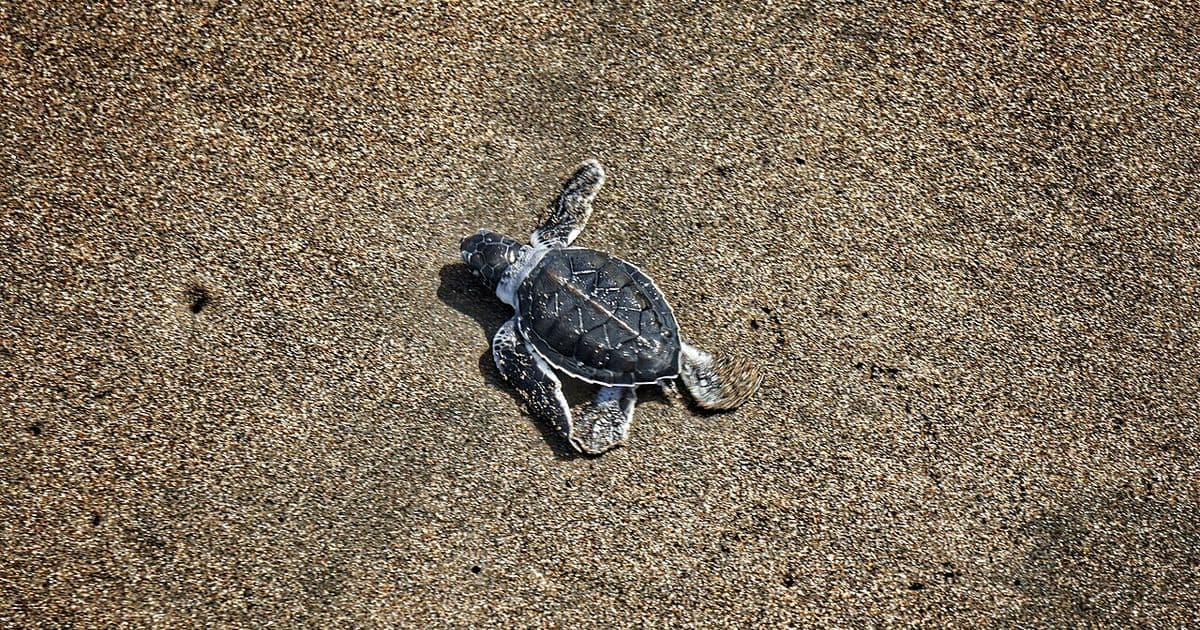
Tortuguero National Park is a highlight in July. Green sea turtle nesting begins in earnest in July, ramping up to peak season in August and September. Night tours to observe nesting turtles are one of Costa Rica's most memorable wildlife experiences, and July marks the beginning of prime nesting season. Advance reservations for guided turtle tours are essential—only certified guides and limited numbers of visitors are allowed on nesting beaches each night.
Tortuguero in July
Tortuguero National Park's canal ecosystem is spectacular in July regardless of weather. Green sea turtles begin arriving to nest, making July one of the best months to start turtle tours. The park's waterways are accessible by boat year-round. Jungle canopy walks, birdwatching (over 300 species), manatee watching, and caiman spotting on night boat tours are all possible in July. Accommodation in Tortuguero is limited—book well in advance for July visits as this is peak turtle season.
Wildlife Highlights in July
July is a wildlife-rich month across Costa Rica. Green sea turtle nesting at Tortuguero is the headline event, but the rainy season supports biodiversity across all ecosystems. The intense green vegetation supports higher insect populations, which in turn sustain more birds, frogs, and reptiles per square meter than the dry season.
Humpback whale watching begins in July in the Southern Pacific. These whales migrate from Antarctica and are present in Costa Rica's waters July through October. Drake Bay and the Osa Peninsula offer the best viewing. Whale watching tours from Bahía Drake, Sierpe, and Uvita (Marino Ballena National Park) operate throughout July and August.
Poison dart frogs are highly active in July—both the red-and-blue strawberry frog (common on Caribbean coast) and the blue jean frog (also called the blue strawberry dart frog) are vivid and conspicuous after rains. Night walks in any humid forest area in July will reveal an extraordinary diversity of frogs, large insects, and nocturnal mammals.
Butterflies and Insects in July
July's warm, humid conditions support peak butterfly activity throughout Costa Rica. Morpho butterflies—iconic iridescent blue species—are dazzling in forest clearings during July. The Butterfly Conservatory in La Fortuna and Monteverde's butterfly gardens display dozens of species, but seeing morphos in the wild is a highlight of any rainy season walk through humid forest. The Tropical Dry Forest of Guanacaste also hosts spectacular beetle diversity, including jewel scarabs and Hercules beetles.
July Travel Tips and Activities
Planning July activities around the morning window is key. Most tour operators start their departures at 7–8 AM to maximize the clear morning period before afternoon rains. Afternoon activities are best scheduled as flexible or indoor alternatives: cooking classes, pottery workshops, spa treatments, museum visits, or simply relaxing at your hotel pool or hot tub.
July is an excellent month for white-water rafting. The Pacuare River, regularly listed among the world's top 10 rafting rivers, runs at high levels in July with excellent Class III–IV rapids. The Sarapiquí and Reventazón rivers also offer exciting conditions. River water is warm and clear despite the rainy season. Many San José-based outfitters offer full-day Pacuare tours with lunch at a riverside eco-camp.
Budget travelers will find July one of the best months for value. Green season discounts of 25–40% apply at most Pacific coast destinations. Many hotels offer multi-night packages in July that include tours, meals, and activities at significant savings. The national parks are less crowded, rental car availability is better (though still book in advance), and restaurants and tour operators are eager for business.
Surfing in July
July offers some of the best surfing conditions of the year in Costa Rica. Southern hemisphere swells travel north during their winter (June–October) and deliver consistent, quality waves to the Pacific coast. Jacó, Playa Hermosa, Dominical, Pavones, Mal País, and Santa Teresa all see improved surf in July. Beginner and intermediate surfers should consider lessons at surf schools in Tamarindo, Jacó, or Santa Teresa—many operate year-round and offer rainy season packages.
Frequently Asked Questions
Is July a good time to visit Costa Rica?
Yes, July is a popular and rewarding time to visit Costa Rica. The veranillo in Guanacaste brings drier conditions at green season prices. Mornings are typically sunny across most regions. Key highlights include green sea turtle nesting at Tortuguero, humpback whale watching beginning in the Southern Pacific, excellent surfing conditions, and white-water rafting at exciting high-water levels.
Does it rain a lot in Costa Rica in July?
It varies by region. Guanacaste may see a veranillo with significantly reduced rainfall in mid-July. The Central Pacific (Jacó, Manuel Antonio) receives heavy afternoon rains, typically 12–15 inches for the month. San José gets about 8–9 inches, mostly in afternoons. Mornings across most regions are typically clear and sunny.
What is the veranillo in Costa Rica?
The veranillo (little summer) is a temporary dry spell that occurs in Guanacaste and the northern Pacific during the rainy season, typically mid-July through August. It can bring 1–2 weeks of dry, sunny conditions similar to the regular dry season. Its timing and intensity vary annually and is not guaranteed, but it makes July–August a potentially excellent time for Guanacaste at discounted prices.
What to do in Costa Rica in July?
Top July activities: green sea turtle nesting tours at Tortuguero, humpback whale watching (beginning of season) near the Osa Peninsula, white-water rafting on high rivers, surfing on improved south swells, wildlife walks in lush rainy season forests, Guanacaste beaches during the veranillo, and exploring uncrowded national parks.
How hot is Costa Rica in July?
July temperatures are warm but slightly cooler than dry season due to cloud cover and rain. Pacific beaches reach 84–88°F (29–31°C) in July with higher humidity. San José is comfortable at 78°F (26°C) during the day and 65°F (18°C) at night. The combination of heat and humidity creates a heat index of 90–95°F (32–35°C) at some coastal locations.