
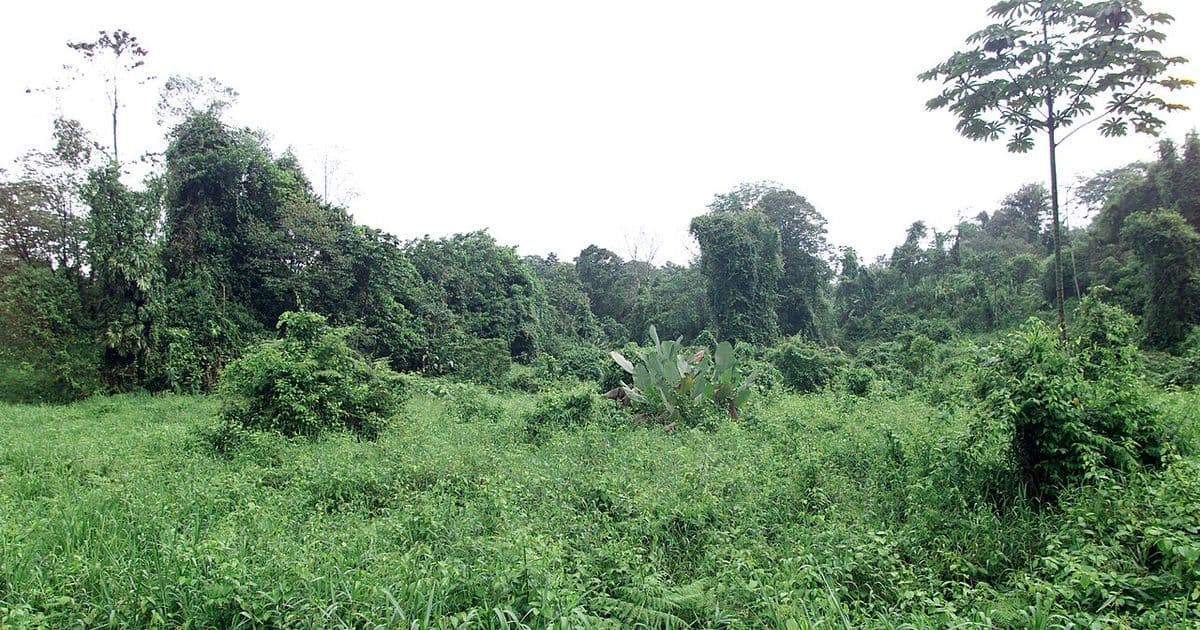
Costa Rica Weather in March: Hot, Dry, and Peak Season
March is the hottest month in Costa Rica. The dry season reaches its peak intensity, particularly in Guanacaste where temperatures can exceed 95°F (35°C) in inland areas. Pacific beaches are gloriously sunny and dry, making March a top travel month—though the intense heat, peak-season prices, and spring break crowds are factors to consider. For those who love guaranteed sunshine and don't mind the heat, March is excellent.
March Weather Overview
March represents the peak of the dry season across Costa Rica's Pacific coast and Central Valley. The northeast trade winds have been blowing for four months, leaving the Pacific lowlands parched and intensely sunny. Rainfall is extremely low—Guanacaste typically receives well under 1 inch (25 mm) in March, and many years see essentially zero rain for the entire month.
The combination of low humidity, strong sun angle (the sun is nearly directly overhead in March at Costa Rica's latitude), and the absence of cooling afternoon rains makes March the hottest month of the year. Guanacaste inland areas around Liberia and the Tempisque Basin can record temperatures of 100–104°F (38–40°C) on the hottest March afternoons. Beach areas are moderated by sea breezes to 90–95°F (32–35°C).
March is also peak tourism season, particularly in the second half of the month when North American spring break vacationers arrive in force. Popular destinations like Tamarindo, Manuel Antonio, Jacó, Nosara, and La Fortuna see their highest visitor numbers of the year during spring break week(s). Planning and booking well in advance is essential for March travel.
The End of the Dry Season
March represents the final full dry month for most of Costa Rica. April is a transition month, and by late April the first rains of the next rainy season begin arriving. Some travelers note that March and April can feel extremely dry and hot—the landscape turns golden-brown in Guanacaste, dust accumulates on roads, and the lack of rain for months can make the area feel parched compared to the lush greenery of the rainy season. For those who prefer greenery with their sunshine, December–January offers a better balance of dry conditions and residual green vegetation.
March Temperatures Across Costa Rica
Guanacaste beaches (Tamarindo, Flamingo, Conchal): High 92–95°F (33–35°C), Low 74–77°F (23–25°C). Hottest beach temperatures of the year. Sea breezes moderate the intense heat.
Guanacaste inland (Liberia, Tempisque Valley): High 98–104°F (37–40°C). Extremely hot. Avoid midday outdoor activities in this region in March.
Central Pacific (Jacó, Manuel Antonio): High 88–92°F (31–33°C), Low 73–75°F (23–24°C). Still very hot. Afternoon sea breezes help. Minimal rain.
San José (Central Valley): High 82–84°F (28–29°C), Low 63–65°F (17–18°C). Hottest month in the capital. Still comfortable compared to coastal areas.
La Fortuna (Arenal area): High 85–87°F (29–31°C), Low 70–72°F (21–22°C). Warmest month in the Arenal region. Rainfall remains low (4–6 inches/102–152 mm).
Monteverde: High 70–73°F (21–23°C), Low 57–60°F (14–15°C). Trade winds continue. Jacket still needed especially in the evening.
Caribbean (Puerto Viejo): High 83–85°F (28–29°C), Low 72–74°F (22–23°C), Rainfall 4–6 in (102–152 mm). Good conditions for Caribbean beach visit.
Dealing with March Heat
The intense March heat in Costa Rica requires smart planning. Schedule all outdoor activities and hiking for early morning (6–10 AM) before peak heat. Midday (11 AM–3 PM) is best spent at the beach, pool, or in air-conditioned spaces. Stay hydrated—drink at least 2–3 liters of water daily in March heat. Electrolyte drinks help prevent heat exhaustion during active activities. SPF 50+ sunscreen, reapplied every 90 minutes, is non-negotiable in March's intense tropical sun.

Spring Break Crowds and Booking
March is complicated by the arrival of spring break travelers from North American universities and high schools. Spring break typically runs from mid-March through early April, with peak weeks varying by institution. Popular Costa Rica beach towns—Tamarindo, Jacó, Sámara, and to a lesser extent Manuel Antonio—see significant crowds during these weeks.
Accommodation prices during spring break peak periods match or exceed Christmas-New Year's levels. Rental cars are extremely scarce without advance booking. Popular tours (zip-lining, catamaran snorkeling, whitewater rafting) fill up. If you're planning a March trip, book everything 2–3 months in advance or arrive before spring break begins (ideally before March 15).
Travelers seeking to avoid spring break crowds might consider less-popular but equally beautiful Pacific coast destinations: Playa Carrillo instead of Sámara, Playa Potrero instead of Tamarindo, or Dominical/Uvita instead of Manuel Antonio. These destinations offer similar weather and natural beauty with considerably less spring break traffic.
Semana Santa (Holy Week)
Semana Santa—the week before Easter—is Costa Rica's most important domestic holiday period. When Easter falls in March (it varies annually), all of Costa Rica seems to vacation at once. Pacific beaches become extremely crowded with Costa Rican families, and popular destinations sell out completely. When Semana Santa falls in March, book accommodations 4–6 months in advance for any Pacific coast destination. When it falls in April, March itself is slightly more manageable.
Pacific Coast Conditions in March
The Pacific coast in March is bone dry and intensely sunny. Guanacaste's beaches are at their sunniest but also at their hottest and most parched. The dry forest landscape has turned golden-brown, with deciduous trees shedding their leaves and the grass going dormant. While the beaches themselves remain beautiful, the surrounding landscape lacks the lush greenery of the December–January period.
Ocean conditions are excellent in March. Pacific waters are warm at 80–83°F (27–28°C), calm at most beaches, and clarity for snorkeling and diving is very good—15–30 feet (5–9 meters) visibility at good sites. Isla del Caño off the Osa Peninsula is exceptional in March for snorkeling and diving, with good visibility and calm conditions.
Surf conditions are variable in March. North swells decrease as the northern hemisphere winter storm season wanes, and south swells haven't yet built for the summer. March is generally less impressive for surfing than the rainy season but still provides good waves at exposed Pacific beaches. Tamarindo and its nearby breaks see inconsistent but occasionally good surf.
Whale Watching in March
Humpback whales from the North Pacific are present in small numbers in the Southern Pacific through early March. The main North Pacific humpback presence is January through March. The south Pacific humpback whales (from Antarctica) don't arrive until July. March can be the tail end of one whale season and is rarely productive for whale watching. Dolphin watching—spinner and bottlenose dolphins—is productive year-round and more reliable in March than whale sightings.

Central Valley in March
San José and the Central Valley in March are warm, clear, and the driest of the year. March typically receives under 0.5 inches (13 mm) of rain in San José—essentially none for an entire month. The clear dry air makes the surrounding mountains and volcanoes particularly visible on sharp morning skies.
Volcano day trips are excellent in March. Poás, Irazú, and Turrialba Volcano National Parks are all accessible and offer their clearest views of the year on March mornings. The 4:00 AM start required to be at the Chirripó base camp before dawn for the summit push is more comfortable in March's dry conditions—the hike itself is strenuous but the dry season trails are far easier than the muddy wet season alternative.
Coffee harvest season in the Central Valley runs through March. Visiting coffee farms in Tarrazú, Naranjo, or the slopes of Poás Volcano in March offers opportunities to participate in the final stages of the harvest and to taste freshly processed coffee at the source. Beneficios (coffee processing plants) are active and welcoming to visitors during harvest season.
Orchids in Bloom
March is one of the best months for orchid viewing in Costa Rica, particularly in the Central Valley and cloud forest transition zones. Costa Rica has over 1,400 orchid species—the most per square kilometer of any country in the world. The dry season triggers flowering in many terrestrial and epiphytic orchid species. Lankester Botanical Garden near Cartago holds its annual Orchid Festival typically in March, showcasing hundreds of native and exotic species. Monteverde's orchid collections also peak in bloom during this period.
Wildlife and Nature in March
March is excellent for wildlife viewing, particularly birding. The dry season's reduced vegetation makes bird spotting easier in the deciduous dry forest of Guanacaste. Resplendent quetzal breeding season peaks in March through May in the highlands—this is the best time to see the males displaying their spectacular long tail plumes at cloud forest lodges in San Gerardo de Dota, Savegre, and Monteverde.
Scarlet macaw nesting is in full swing in March. These magnificent birds are loudly vocal and highly visible near their nesting trees along the Pacific coast, particularly around Carara National Park (one of the best places in the world to observe scarlet macaws). The transition zone between dry forest and wet forest at Carara makes it a uniquely diverse wildlife hotspot year-round.
Resplendent Quetzal: March Is Prime Time
The resplendent quetzal—Costa Rica's most sought-after bird—is most visible during its March–May breeding season. Males grow their extraordinary green tail plumes up to 24 inches (60 cm) long and display them in courtship. The San Gerardo de Dota valley (3.5 hours south of San José on the Inter-American Highway) is widely considered the best location in Costa Rica for quetzal sightings. Accommodation in the valley at lodges like Savegre Hotel or Trogon Lodge includes guided quetzal walks at dawn.
What to Pack and Prepare For
March's intense heat requires thoughtful preparation. Light, breathable, moisture-wicking clothing is essential—avoid cotton fabrics that retain sweat. SPF 50+ broad-spectrum sunscreen is critical; the tropical sun combined with high UV index and full sunshine makes unprotected skin vulnerable to serious burns within 20–30 minutes. Reapply every 90 minutes, more frequently if swimming.
Hydration is a safety issue in March. The combination of heat, low humidity (for the coast), and physical activity can lead to heat exhaustion. Carry a water bottle at all times, drink more than you think you need, and include electrolyte packets in your luggage. Heat exhaustion symptoms include dizziness, nausea, and weakness; take these seriously and seek shade and water immediately.
Despite the heat, pack one light layer for air-conditioned restaurants, buses, and hotel rooms (which can be very cold). San José evenings (63–65°F/17–18°C) and Monteverde (55–60°F/13–15°C) require a jacket or sweater. The temperature range between a Guanacaste beach afternoon (95°F/35°C) and a Monteverde evening (55°F/13°C) is dramatic—pack accordingly if visiting both.
Sun Safety in March
March's UV index in Costa Rica regularly reaches 11–12 (Extreme on the scale that maxes at 11+). This is the highest category of UV exposure and means unprotected skin can burn in as little as 10–15 minutes at midday. Wear a wide-brim hat, UV-blocking sunglasses, and lightweight long sleeves for extended outdoor exposure. Many beachgoers wear rash guards in the water for protection. Choose water-resistant sunscreen if spending time in the ocean.
Frequently Asked Questions
Is March a good month to visit Costa Rica?
March offers excellent weather on the Pacific coast—sunny, dry, and warm with temperatures of 88–95°F (31–35°C). However, it's the hottest month, spring break crowds arrive mid-month, and prices are at peak levels. Great for beach vacations if you handle heat well; less ideal if you dislike crowds or prefer lush green landscapes.
How hot is Costa Rica in March?
March is the hottest month in Costa Rica. Guanacaste beaches reach 92–95°F (33–35°C), while inland areas can exceed 100°F (38°C). San José at 3,800 feet elevation peaks at a more manageable 82–84°F (28–29°C). High UV index (11–12) makes sun protection critical.
Does it rain in March in Costa Rica?
Almost no rain falls on the Pacific coast in March. Guanacaste typically receives less than 0.5 inches (13 mm) for the entire month. San José gets under 0.5 inches. The Caribbean coast receives 4–6 inches (102–152 mm) and is actually in a drier period. March is one of the driest months nationally.
Is Costa Rica crowded in March?
Yes, March is peak season. Spring break (mid-March to early April) brings large crowds to popular Pacific beach towns. When Semana Santa (Easter Holy Week) falls in March, domestic crowds add to international visitors, making some destinations extremely congested. Book 2–3 months in advance for March travel.
What is the best beach in Costa Rica in March?
All Pacific beaches are excellent in March. Playa Conchal (Guanacaste) offers the most picturesque swimming conditions. Manuel Antonio combines beach with world-class wildlife. For avoiding spring break crowds, consider Playa Carrillo (near Sámara), Playa Potrero (north Guanacaste), or Dominical (south of Manuel Antonio)—all with the same great March weather at lower visitor density.