

Costa Rica Rentals: Complete Guide to Vacation Homes and Cars
Costa Rica rentals offer travelers exceptional flexibility, from beachfront vacation villas in Guanacaste with private pools to jungle bungalows on the Osa Peninsula and city apartments in San José for extended stays. The rental market has grown dramatically alongside Costa Rica's tourism boom, with platforms like Airbnb, VRBO, and local specialty agencies providing thousands of options across all budgets and regions. Whether you need a 4WD vehicle to explore mountain roads or a fully equipped home base for a month-long stay, understanding Costa Rica's rental landscape saves time and money.
Vacation Home and Villa Rentals
Vacation home rentals in Costa Rica range from modest beach houses sleeping four to opulent hillside villas accommodating 12 or more guests with private pools, full staff, and ocean views. The market is particularly well-developed in Guanacaste (Tamarindo, Nosara, Playa Flamingo, Papagayo), the Central Pacific (Manuel Antonio, Dominical, Uvita), and the Southern Caribbean (Puerto Viejo de Talamanca).
Short-term vacation rentals typically run from 3-night minimums during off-peak periods to 7-night minimums during high season (December–April). A mid-range vacation home for a family of four runs approximately $150–$350 per night; luxury villas with pools, ocean views, and staff start at $500 and can exceed $2,000 per night for the largest properties. Monthly rates for extended vacation rentals offer significant discounts relative to nightly pricing.
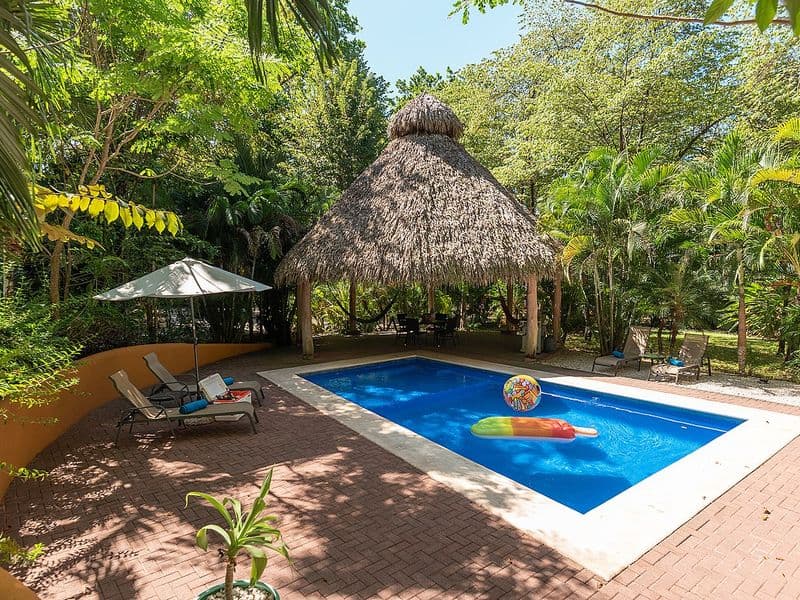
Amenities commonly included in Costa Rica vacation rentals: fully equipped kitchens (reducing restaurant costs significantly), air conditioning in bedrooms, Wi-Fi, laundry facilities, outdoor shower for post-beach rinsing, and often a BBQ grill. Higher-end rentals include private pools, hot tubs, ocean-view terraces, cable TV, and dedicated parking. Some luxury properties include daily housekeeping, a property manager, and concierge services for activity booking.
Jungle and Eco-Lodge Rentals
Jungle lodge rentals on the Osa Peninsula, in the Sarapiquí region, and around Tortuguero offer a different experience from beach villa rentals — more immersive in the natural environment, often with open-air design, cold-water showers, and wildlife on the doorstep. These properties tend to be smaller and book up well in advance for high-season dates. They combine hotel-style service with the privacy of a rented property.
Car Rentals in Costa Rica
Car rentals are almost essential for independent exploration of Costa Rica outside of San José. The national public bus network is reliable and affordable for routes between major cities, but reaching national parks, remote beaches, and jungle lodges requires private transport. A 4WD vehicle with high clearance is strongly recommended for anyone venturing off main highways, particularly during the rainy season or in mountain regions.
Rental rates for a compact 4WD SUV (such as a Toyota RAV4 or similar) run approximately $50–$90 per day before insurance. Mandatory insurance in Costa Rica includes the TPL (third-party liability) basic insurance, which is required by law and costs approximately $10–$15 per day. Additional collision damage waivers (CDW) and theft protection are strongly recommended and add $20–$40 per day. Credit cards with travel benefits sometimes cover CDW abroad — check your card terms before declining.
Major international rental companies operating in Costa Rica include Budget, Alamo, Adobe, Hertz, Dollar, and National. They maintain desks at Juan Santamaría (SJO) and Daniel Oduber Quirós (LIR) airports. Several well-regarded local companies — including Economy Rent a Car and Solid Car Rental — offer competitive rates and strong customer reviews. Reading terms carefully regarding mandatory insurance, mileage limits, and fuel policies avoids surprise charges at return.
Driving Tips for Rental Cars
Driving in Costa Rica requires adaptation. Signage can be inconsistent outside major highways, and Google Maps is the preferred navigation tool (download offline maps). Speed bumps (called 'muertos' or 'tumulos') are frequent on secondary roads. River crossings without bridges exist in remote areas — never cross moving water you cannot gauge depth on, and check with locals or your rental company about specific road conditions after heavy rain.
Motorcycle and ATV Rentals
Motorcycle and ATV rentals are available in beach towns like Tamarindo, Nosara, Jacó, and Puerto Viejo. ATVs are widely used for exploring secondary roads to remote beaches. Helmets are legally required for motorcycle riders. Renters should assess their experience level honestly — Costa Rican roads and ATV terrain can be more challenging than they appear. Insurance coverage for motorcycle and ATV rentals is often limited.
Apartment Rentals for Long-Term Stays
Long-term apartment rentals attract digital nomads, retirees, and seasonal residents who want a home base in Costa Rica for one to six months. San José's Escazú and Santa Ana suburbs offer the largest selection of furnished apartments with North American-style amenities, proximity to shopping malls, international restaurants, and strong internet infrastructure. Monthly rents for a furnished 1-bedroom apartment in Escazú range from approximately $700–$1,500 USD.
Beach town apartment rentals in Tamarindo, Playa del Coco, Dominical, and Puerto Viejo offer monthly rates that are often lower than comparable San José properties, particularly during off-peak season. A furnished studio or 1-bedroom apartment near the beach in these towns typically rents for $500–$1,000 per month, though high-season demand pushes prices higher and availability tighter from December through April.
Long-term rentals in Costa Rica typically require a rental agreement, often in Spanish, specifying rent in both colones and USD (rent is commonly quoted in USD). Standard deposits equal one month's rent. Utilities (electricity, water, internet) are usually paid separately by the tenant. CAJA (social security health insurance) contributions may be required for renters on long-stay visas depending on their immigration status. Working with a local real estate agent or attorney familiar with Costa Rican rental law is advisable for stays exceeding 90 days.
Digital Nomad and Remote Work Rentals
Costa Rica introduced a Digital Nomad Visa in 2022 allowing remote workers earning at least $3,000 USD per month (or $4,000 with dependents) to legally reside in Costa Rica for up to two years. This has further stimulated demand for furnished apartment rentals with high-speed internet. Co-working spaces in San José, Tamarindo, and Santa Teresa complement the digital nomad rental market.
Best Regions for Vacation Rentals
Guanacaste's northern Pacific coast — encompassing Tamarindo, Nosara, Playa Flamingo, Playa del Coco, Playa Hermosa, and the Papagayo Peninsula — hosts the largest concentration of high-end vacation rentals in Costa Rica. The region's dry season (December–April) brings reliable sunshine, and its proximity to Liberia airport (LIR) makes access straightforward. Nosara in particular has developed a large inventory of wellness-oriented rental properties attracting yoga practitioners and health-conscious travelers.
The Central Pacific zone (Manuel Antonio, Dominical, Uvita) offers rentals combining jungle settings with Pacific beach access. Properties range from tree-house style bungalows in the hills above Manuel Antonio to beachfront homes at Dominical's Playa Dominicalito. This region is accessible by a 3-hour drive or short domestic flight from San José. The Ballena Marine National Park near Uvita is a premier whale-watching area, and properties in the surrounding hills command increasingly strong rental demand.
The Southern Caribbean zone around Puerto Viejo de Talamanca and Cahuita offers the most affordable vacation rentals in Costa Rica, set in a distinctly different cultural environment influenced by Afro-Caribbean and indigenous traditions. Properties here tend to be smaller, more rustic, and set among cacao farms, jungle gardens, and coconut palms near the beach. Rental prices are typically 30–50% lower than comparable Pacific coast properties.
Central Valley and San José Rentals
The Central Valley — including San José, Escazú, Santa Ana, Heredia, and Alajuela — is the hub for long-term residential rentals rather than short-term vacation rentals. Travelers using the valley as a base for day trips or those in transit benefit from its central location, temperate climate (about 22°C year-round), and urban amenities. Escazú is home to the highest concentration of expat-friendly furnished properties.

Booking Platforms and Agencies
Airbnb and VRBO/HomeAway dominate the short-term vacation rental booking market in Costa Rica, offering large inventories, guest review systems, secure payment processing, and dispute resolution mechanisms. Both platforms have strong Costa Rica listings across all major tourism regions. Airbnb tends to have more budget-to-mid-range options; VRBO skews toward larger homes and luxury villas.
Specialty agencies with curated Costa Rica rental inventories include Extraordinary Journeys, Costa Rica Luxury Rentals, CRVillas.com, and the Tico Travel Company. These agencies offer concierge-level services including activity booking, private chef arrangements, staffing, and vehicle coordination — valuable for complex group trips or high-end villa stays. Local real estate companies in each region often manage rental portfolios directly and may offer off-platform rates.
For car rentals, booking through agency websites or comparison platforms like Discover Cars, Rentalcars.com, or KAYAK generally yields better rates than booking at airport counters. Reading terms of service carefully — particularly regarding insurance inclusions, fuel policy (full-to-full vs. full-to-empty), and what happens in case of vehicle damage or breakdown — is critical before accepting any rental agreement.
Avoiding Rental Scams
Rental scams exist in Costa Rica, particularly for properties listed on less-regulated platforms or social media. Warning signs include prices significantly below market rate, pressure to pay large deposits via wire transfer or cryptocurrency, inability to provide a written lease agreement, and refusal to allow in-person property inspection before payment. Use established platforms with payment protection, and verify property listings through independent research before transferring money.
Tips for Renting Safely in Costa Rica
Reading rental reviews carefully on booking platforms provides the most reliable indicator of property quality and owner responsiveness. Look for recent reviews (within the last 12 months), consistent praise of specific amenities, and honest discussion of any limitations. Properties with very few reviews or all reviews within a short window deserve scrutiny.
Communicating directly with owners or property managers before booking allows you to ask specific questions: Is the pool heated? How strong is the Wi-Fi (essential for remote workers)? Is the road to the property accessible in a standard rental car, or is 4WD required? Are beach towels provided? What is the nearest grocery store? These details significantly affect day-to-day enjoyment and are rarely fully captured in listing descriptions.
Understanding what is and isn't included in the rental rate prevents surprises. Cleaning fees, security deposits, and high-season premiums can add 20–40% to advertised nightly rates. Confirm checkout procedures, key arrangements, and emergency contact information before arrival. For car rentals, photograph every existing dent, scratch, or interior stain before departing the lot and email photos to the rental company to establish a clear record of the vehicle's condition at pickup.
Insurance and Legal Protections
Costa Rica's rental law (Ley de Arrendamientos Urbanos y Suburbanos) provides tenant protections for leases longer than three months, including limitations on rent increases and notice requirements for lease termination. Short-term vacation rentals (under three months) operate under different, less protective rules. For vehicle rentals, verify that your credit card or travel insurance covers rental car collision before declining the rental company's CDW to avoid liability in case of an accident.
Frequently Asked Questions
Is Airbnb reliable for Costa Rica vacation rentals?
Airbnb is widely used and generally reliable in Costa Rica, with a large inventory of vetted properties across all regions. The platform's review system, payment protection, and dispute resolution process provide important safeguards. Reading recent reviews carefully, communicating clearly with hosts before booking, and confirming property details (Wi-Fi, road access, amenities) helps ensure expectations match reality.
Do I need a 4WD car rental in Costa Rica?
A 4WD vehicle with high clearance is strongly recommended for most destinations outside of San José and major urban areas. Many roads leading to national parks, beaches, lodges, and mountain communities are unpaved, have river crossings, or become deeply rutted during the rainy season. Standard sedans can handle main highways, but a 4WD is essential for full flexibility.
What is the average cost of a vacation rental in Costa Rica?
Mid-range vacation homes for four people average $150–$350 per night. Budget beach houses or cabinas start around $80–$120 per night. Luxury villas with private pools and ocean views range from $500 to $2,000+ per night. Monthly rates offer significant discounts — a month-long rental often costs equivalent to 20 nightly rates rather than 30.
Can foreigners rent long-term in Costa Rica?
Yes. Foreigners can legally rent property in Costa Rica regardless of immigration status for tourist-length stays. For stays longer than 90 days, a valid visa or residency is required. The Digital Nomad Visa (introduced 2022) allows qualifying remote workers to live in Costa Rica for up to two years. Standard rental agreements apply, and consulting a local attorney for leases longer than three months is advisable.
How far in advance should I book a Costa Rica vacation rental?
For peak season (December–April) and high-demand properties in Nosara, Tamarindo, or Manuel Antonio, book 3–6 months in advance. Christmas and New Year's week fills up by September or October. Shoulder season (May, November) rentals can often be secured 1–2 months out. Last-minute availability exists in off-peak periods but limits choices significantly.