
Costa Rica Resorts for Families: Finding the Perfect Family-Friendly Property
Costa Rica resorts for families offer an unparalleled combination of natural adventure, organized children's programming, and world-class beaches that make the country one of the top family vacation destinations in the Western Hemisphere. The right family resort in Costa Rica does more than provide comfortable accommodation; it creates a framework for wildlife encounters, shared adventures, and genuine cultural experiences that define memories for years. This guide helps families identify the properties, regions, and planning strategies that make Costa Rica family resort vacations truly extraordinary.
Matching Resorts to Your Family Profile
The most successful Costa Rica family resort vacations begin with honest assessment of your family's composition and travel style. A family with two toddlers and a seven-year-old has fundamentally different resort needs than a family with three teenagers. Young children need shallow pools with gradual entry, reliable nap-time routines that a resort structure can accommodate, casual dining available at flexible hours, and proximity to a calm, protected beach suitable for learning to swim. Teenagers need autonomy, access to adrenaline activities like zip-lining and surfing, social spaces to meet other teens, and enough freedom within the resort's safety framework to feel independent.
Travel style is the second key variable. Families who love structure and predictability do best at large all inclusive resorts in Guanacaste with extensive organized programming, multiple dining venues open simultaneously, and a schedule of activities that minimizes decision-making throughout the day. Families who prefer flexibility, authenticity, and more intimate experiences tend to be better served by boutique eco-lodges in Manuel Antonio, Arenal, or the Nicoya Peninsula, where the experience is more self-directed and nature-focused.
Budget is a practical constraint that shapes resort choices significantly. Full-scale luxury family resorts in Costa Rica are genuinely expensive, with rates for a family of four at premium all inclusive properties running $800-1,500+ per night during peak season. Mid-range family resorts in the $200-500 per night range provide good amenities and beach access without the comprehensive luxury services. Budget family-friendly accommodation in the $80-200 range focuses primarily on basic comfort and location rather than organized programming.
First-Time vs. Repeat Family Visitors
Families visiting Costa Rica for the first time tend to benefit most from all inclusive resorts in Guanacaste, which provide a low-stress introduction to the country's character within a familiar resort framework. Repeat visitors, already comfortable with Costa Rica's logistics and character, often venture into more adventurous accommodation: multi-destination itineraries combining Guanacaste with Arenal and Manuel Antonio, or staying at boutique eco-lodges that require more active engagement with the local environment and community.
Best Beach Resorts for Families in Guanacaste
Guanacaste's Pacific coast is home to Costa Rica's most developed family beach resort infrastructure. The Gulf of Papagayo's protected waters provide calm swimming conditions year-round during the dry season, making it the safest and most reliable beach environment for families with young swimmers. Dreams Las Mareas, the Westin Reserva Conchal, RIU Guanacaste, and Barcelo Langosta are the most recommended family beach resorts in this zone, each offering comprehensive amenities in beachfront settings.
Dreams Las Mareas stands out for families specifically because of its Explorer's Club (ages 3-12) and Core Zone (ages 13-17) programming, which runs throughout the day and keeps children actively engaged in nature-themed and cultural activities. The resort's waterpark, with slides and splash zones scaled for different ages, is a family focal point that children return to throughout multi-day stays. Multiple pool zones, including a dedicated family pool and a more relaxed adults-preferred pool, allow parents to customize their experience alongside the children's needs.
The Westin Reserva Conchal provides a more refined family experience centered on Playa Conchal, widely regarded as one of Costa Rica's most beautiful beaches. The unique shell-composite white sand is gentle on children's feet and the beach's protected cove creates ideal swimming conditions. The resort's 27-hole Robert Trent Jones Jr. golf course provides an option for parents who can arrange time on the course while children enjoy kids' club programming, making this an excellent choice for golf-enthusiast parent families.
Beach Safety for Families
Costa Rica's Pacific coast beaches vary considerably in swimming safety for children. The Gulf of Papagayo beaches in northern Guanacaste are generally the calmest and most suitable for young children, with protected coves and minimal wave action. Beaches exposed to the open Pacific, particularly surf beaches near Tamarindo, Jaco, and Santa Teresa, can have significant waves and rip currents that are dangerous for inexperienced swimmers. Family resort properties typically choose locations on protected beaches for this reason; always ask about current beach conditions with staff before allowing children to swim unsupervised.
Nature and Adventure Family Resorts
Costa Rica's greatest gift to family travelers is its biodiversity, and the resorts that leverage this most effectively for families tend to be nature-focused lodges rather than large beach resorts. The Springs Resort and Spa near Arenal is the most prominent example, combining the visual drama of Arenal Volcano, the educational excitement of its wildlife rescue center, natural hot spring pools, and a comprehensive activity program into one property that consistently generates exceptional guest reviews from families.
At The Springs, children can observe resident jaguars, pumas, tapirs, macaws, river otters, and dozens of other rescued species at the on-site wildlife center without requiring an off-property tour. The geothermal pools create an unusual aquatic environment that children find fascinating, and the volcano backdrop provides a dramatic science education context that parents can build on with age-appropriate conversations about geology and tectonics. This combination of genuine wildlife encounter and physical adventure infrastructure makes The Springs unlike any other family resort in Central America.
Si Como No Resort in Manuel Antonio provides a boutique alternative for nature-focused families who prefer a smaller, more intimate setting. The property's butterfly garden, frog exhibit, and resident naturalists create regular on-grounds encounters with Costa Rica's extraordinary small-scale biodiversity that complements the larger wildlife visible in the adjacent national park. The resort's dual pools connected by a waterslide are a beloved family feature, and the hiking trail to the park entrance from the property makes day visits effortless.
Wildlife Encounter Programming for Children
The best nature family resorts in Costa Rica structure wildlife encounters specifically for children's engagement and comprehension. Junior naturalist programs, where children carry field guides and binoculars under the guidance of a knowledgeable naturalist, teach observation skills that children can apply throughout the trip and beyond. Programs that engage children directly, asking them to identify birds by field marks, describe animal behaviors they observe, and make journal entries about encounters, are more educational and memorable than passive guided tours where adults learn and children follow.
Multi-Age Family Activity Programming
One of the most common family resort challenges is finding activities that work simultaneously for children of different ages. Costa Rica's activity landscape is well suited to this challenge, as many activities can be scaled across age groups. Snorkeling is appropriate from age five with basic swimming ability; zip-lining from approximately seven or eight; white-water rafting on Class III rivers from around ten; and scuba diving certification from twelve. A single family can participate in many of the same activities while the youngest members engage with age-appropriate alternatives.
Boat tours are among the most universally family-friendly activities in Costa Rica, accessible to all ages including non-swimmers and elderly grandparents. Mangrove kayak tours, catamaran snorkeling cruises, crocodile boat tours on the Tarcoles River, and whale watching excursions from Quepos can be enjoyed by multi-generational groups simultaneously. Many operators provide life jackets, shading, and child-sized equipment as standard, making these tours safe and comfortable for young children.
Family cooking classes using Costa Rican ingredients are an underrated multi-age activity that engages all participants regardless of fitness level or age. Learning to prepare gallo pinto (the national breakfast dish of rice and beans), fresh ceviche with Pacific fish, and traditional desserts like tres leches creates cultural connection alongside a practical skill. Many family resorts facilitate cooking class access through their activities desks, with some offering on-site classes in the resort kitchen using ingredients from their own gardens.
Evening Programming for Families
Evening family programming at Costa Rica resorts addresses the gap between afternoon activities and bedtime that can be challenging to fill on vacation days. Large all inclusive resorts provide nightly entertainment including cultural dance shows, live music, magic shows, and themed parties. Nature-focused resorts offer night wildlife walks (particularly exciting for children, who encounter tree frogs, sleeping birds, and large insects visible only after dark) and naturalist presentations about the night forest ecosystem. Private family evening beach bonfires, where available, provide a memorable social experience that families consistently cite as trip highlights.
Food and Dining at Family Resorts
Dining logistics are a significant practical consideration for families visiting Costa Rica resorts. All inclusive resorts with multiple restaurants and buffet options serve families best, as they provide enough variety to accommodate different palates at the same meal without requiring separate restaurant visits. Children's menus with familiar foods alongside Costa Rican options allow selective eaters to find acceptable choices while parents enjoy more adventurous cuisine. Most large all inclusive resorts specifically design their children's menus with input from parents and nutritionists.
Non-all inclusive resorts in Costa Rica present more dining flexibility but require more planning for family meal management. The quality of restaurant options varies considerably by region: Guanacaste's resort zone has excellent on-site and nearby restaurant options, Manuel Antonio's Quepos town has a vibrant local food scene with family-friendly choices, and more remote destinations like the Osa Peninsula require advance planning for dietary needs and meal timing. Some boutique eco-lodges include all meals in their rate, which eliminates the coordination challenge.
Costa Rica's culinary culture is generally family-friendly, with national dishes like rice and beans (gallo pinto), grilled chicken, fresh fish, and tropical fruits appealing to most children. Local juice bars serving fresh-blended tropical smoothies and fruit juices are almost universally loved by children and available throughout resort areas. The country's produce quality is excellent, with familiar fruits like pineapple, watermelon, and mango available year-round at exceptional quality and local price points when purchased from sodas (local restaurants) and markets rather than resort facilities.
Allergy and Dietary Accommodation
Costa Rica's major resorts have become increasingly sophisticated in accommodating dietary restrictions and food allergies. Gluten-free, vegetarian, vegan, and dairy-free requirements can all be met at top all inclusive properties in Guanacaste, though pre-arrival communication with the resort's food and beverage team is advisable. Nut allergies require particular care and should be discussed with resort staff in detail. More remote eco-lodges may have less flexibility for unusual dietary restrictions due to limited ingredient availability; communicate requirements at the time of booking rather than upon arrival.
Planning Your Costa Rica Family Resort Trip
Timing a Costa Rica family resort vacation requires balancing school schedules with weather patterns and price cycles. The U.S. and Canadian school holiday periods (Christmas-January, June-August) align with Costa Rica's dry season in Guanacaste, making these the most popular and most expensive periods. Booking 6-12 months in advance for peak season stays at top family resorts is essential; premium properties sell out during Christmas and Easter week well before the arrival date.
Domestic flights within Costa Rica significantly improve the family travel experience by eliminating long drives with children. Sansa Airlines and Aerobell operate regular scheduled services between San José and regional airports including Liberia, Quepos, Tambor, Drake Bay, and Puerto Jimenez. A 45-minute domestic flight versus a 4-hour drive with young children is worth the additional cost for most families. Confirm that your resort or villa can arrange airport transfers from the regional airport rather than assuming logistics are straightforward.
Health preparation for Costa Rica family trips should include pediatrician consultation about vaccination recommendations (Hepatitis A, Typhoid for older children, routine immunizations current), packing of appropriate insect repellent (DEET-based for children over 2 months old), reef-safe sunscreen suitable for sensitive young skin, and a basic travel medical kit including rehydration salts, anti-diarrheal medication, antihistamines, and after-bite treatment. Costa Rica's overall health risk for family travelers is low, but the tropical environment requires appropriate preparation.
Packing for a Family Costa Rica Resort Stay
Essential packing for a Costa Rica family resort stay includes reef-safe SPF 50+ sunscreen (required in marine protected areas and kinder to children's skin), DEET insect repellent for forest and evening activities, lightweight quick-dry clothing for daily beach-to-forest transitions, closed-toe hiking sandals or light trail shoes for nature walks, swim shoes for rocky tide pool areas, binoculars for wildlife observation (children's binoculars are available from $30), a waterproof phone case for snorkeling and boat activities, and any prescription medications with original pharmacy labels for customs purposes.
Family Resort FAQs
Planning a family resort stay in Costa Rica raises practical questions that are best answered with specific, factual information. Understanding car seat availability at rental companies (request child seats at booking time, not arrival; confirm brand and type compatibility with your child's size), water safety at specific resort beaches (ask the resort directly about current conditions; rip currents are seasonal and location-specific), and medical facility proximity (most major Guanacaste resorts are within 30-45 minutes of the Hospital La Anexión in Nicoya or CIMA Hospital services in the San José metropolitan area) are important pre-trip research tasks.
Currency and payment logistics for family resort stays in Costa Rica are simpler than many travelers anticipate. Major resort hotels accept all major credit cards. Cash (colones or U.S. dollars) is useful for tipping staff, purchasing from small local vendors, and soda (local restaurant) meals when venturing off-property. ATMs are available at major banks in resort towns like Tamarindo, Liberia, and Quepos. All inclusive guests need minimal cash during the resort stay itself, but having $100-200 in small denominations for tips and minor purchases is advisable.
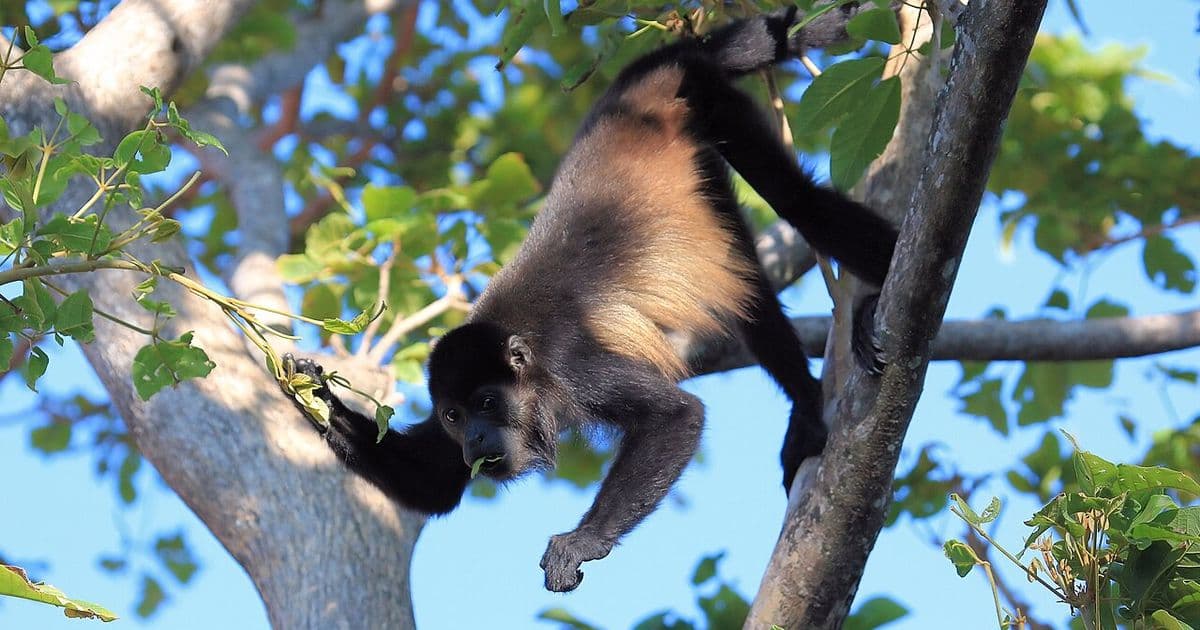
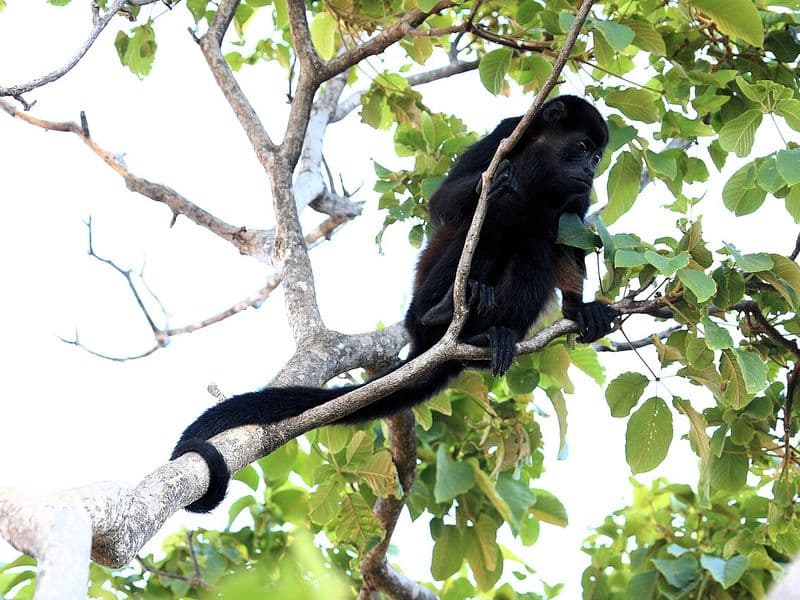
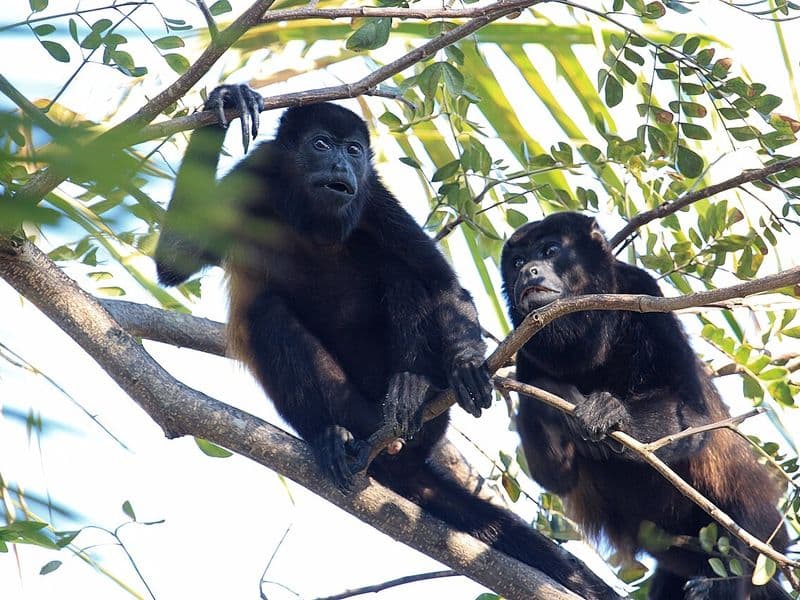
The best advice for first-time family resort travelers to Costa Rica is to arrive with lower expectations for daily agenda completion and higher expectations for unscripted wildlife encounters. The country rewards patience and spontaneous observation more than scheduled efficiency. A morning spent watching howler monkeys in trees visible from the resort breakfast terrace, unplanned but extraordinary, is worth more than two rushed organized tours that attempt to check too many boxes in a single day. Embrace the pura vida philosophy, slow down, and let Costa Rica's extraordinary nature reveal itself at its own pace.
Managing Children's Expectations
Preparing children for what Costa Rica resorts are and aren't relative to what they may be used to prevents disappointment on arrival. Guanacaste beach resorts are genuinely beautiful and amenity-rich, but they're not Disney World. The country's appeal lies in authentic nature rather than manufactured entertainment. Children who arrive curious about wildlife and open to new experiences universally leave having had extraordinary encounters they couldn't have imagined. Those who arrive expecting a standard beach resort with nothing to distinguish Costa Rica from any other tropical destination often miss the point entirely. A brief pre-trip family discussion about what makes Costa Rica special sets the right mindset for all ages.
Frequently Asked Questions
Which Costa Rica resort is best for families with toddlers?
For families with toddlers (ages 1-3), the best choices are resorts with shallow, calm pool areas, protected beach access, flexible dining hours, and housekeeping willing to provide cribs, high chairs, and extra supplies. Westin Reserva Conchal and Dreams Las Mareas in Guanacaste both have the infrastructure for very young children. The Gulf of Papagayo's calm waters are ideal for toddlers learning to enjoy the ocean.
Do Costa Rica resorts accommodate families with teenagers?
Yes, and Costa Rica is actually an excellent teenage destination because of the country's adventure activity catalog. Surfing lessons, zip-lining, white-water rafting, scuba diving certification, and ATV tours are all appropriate for teenagers and provide the adrenaline and independence they seek. Several large resorts have dedicated teen clubs (13-17) with gaming facilities, social events, and teen-specific programming. Many teenagers cite Costa Rica trips as among the most memorable of their childhood travel experiences.
Is it better to do an all inclusive or room-only for a family in Costa Rica?
For families with children who eat predictably and want to avoid per-meal cost anxiety, all inclusive provides significant peace of mind and often better value than room-only. Families who are flexible eaters and want to explore local restaurants may prefer room-only rates that allow full freedom. Calculate the per-day food and activity cost before choosing: if meals, drinks, and basic activities for four people would cost $200-400+ per day, a well-priced all inclusive can be both convenient and economical.
How do I get my family from San José to a Guanacaste family resort?
The three options are: domestic flight from SJO to Liberia (LIR) airport, approximately 45 minutes versus 4.5-hour drive; arriving directly into Liberia via international connection (many North American cities have direct flights to LIR); or driving or using a private shuttle service from San José. For families with young children, flying into Liberia directly or taking a domestic connection eliminates the road journey entirely and is strongly recommended when budget allows.
What is the minimum age for zip-lining in Costa Rica?
Most zip-line operators in Costa Rica set a minimum age of 6-8 years, with minimum weight requirements of approximately 25-30kg (55-66 lbs). Some operators have higher minimum ages of 10-12 for specific high-altitude canopy tours. Children must be able to control their own body position during the zip. Several family resorts in Guanacaste have on-site zip line circuits with lower heights and distances specifically designed to be appropriate for younger children aged 5+.