

Costa Rica Retreat: Your Guide to Wellness, Yoga, and Nature Escapes
A Costa Rica retreat offers a profound opportunity to step outside daily life and immerse in one of the world's most biodiverse and naturally beautiful environments. Whether you seek physical renewal through yoga and spa treatments, mental clarity through meditation and silence, or the exhilaration of adventure combined with mindful rest, Costa Rica's retreat landscape provides an extraordinary range of experiences. The country's ethos of Pura Vida—pure life—creates a cultural backdrop uniquely conducive to genuine renewal.
Why Choose Costa Rica for a Retreat
Costa Rica consistently ranks among the world's top retreat destinations for reasons that extend beyond its obvious natural beauty. The country offers a rare combination of accessibility—direct flights from most major North American cities take just 4 to 6 hours—and genuine ecological wilderness. Unlike many retreat destinations that require long-haul travel, Costa Rica is close enough for a meaningful one-week retreat without jet lag consuming the first several days of recovery time.
The natural environment itself functions as a healing force. Research in environmental psychology confirms what retreat participants often describe intuitively: immersion in natural environments reduces cortisol levels, lowers blood pressure, improves sleep quality, and enhances emotional regulation. Costa Rica's biodiversity means that the natural environment is extraordinarily rich and dynamic, with constant sensory stimulation through birdsong, the movement of animals, the sound of rivers, and the changing quality of tropical light through the forest canopy.
Costa Rica's retreat industry is mature and well-regulated compared to many competing destinations. The country's ICT (Instituto Costarricense de Turismo) provides a framework for sustainable tourism certification, and many retreat centers hold CST (Certification for Sustainable Tourism) ratings that verify their environmental and social practices. This regulatory infrastructure provides travelers with a degree of confidence in quality and authenticity that may be harder to assess in less developed retreat markets.
Accessibility and Infrastructure
Costa Rica's Juan Santamaria International Airport in San Jose receives direct flights from New York, Los Angeles, Miami, Dallas, Chicago, Toronto, and numerous other cities. A second international airport at Liberia (Daniel Oduber) serves direct flights from several North American cities and provides convenient access to Guanacaste and Nicoya Peninsula retreat centers without transiting San Jose. Internal transportation via shuttle buses, private transfers, and domestic flights connects the capital to retreat locations throughout the country.
Types of Retreats in Costa Rica
Yoga retreats are the most numerous category of retreat available in Costa Rica, reflecting the country's established reputation in the global yoga community. These range from weekend beginner-friendly programs to month-long immersions for advanced practitioners. Yoga retreats typically combine daily asana classes, pranayama, meditation, and optional workshops with free time for relaxation and exploration of the natural environment. The best yoga retreat centers in Costa Rica—such as those in Nosara, Santa Teresa, and the Arenal region—employ internationally credentialed teachers and maintain beautifully designed open-air shala studios that integrate the natural environment directly into the practice space.
Meditation and mindfulness retreats cater to practitioners seeking deeper inner exploration with less emphasis on physical yoga practice. Some meditation retreats are structured around specific traditions such as Vipassana, Zen, or Tibetan Buddhist practices, while others offer a more eclectic secular mindfulness approach. Silent retreats—where participants maintain extended periods of noble silence to support deeper practice—are available at select centers and typically run 5 to 10 days. The jungle and coastal settings of Costa Rica's meditation retreat centers provide extraordinary sensory richness that paradoxically deepens silent inner practice.
Wellness and detox retreats focus on physical rejuvenation through therapeutic protocols including juice fasting, Ayurvedic treatments, infrared sauna, lymphatic drainage massage, and nutritional counseling. These programs typically include extensive bodywork, functional health assessments, and structured nutritional programs designed to support cellular detoxification. Adventure retreats combine physical activities like surfing, hiking, kayaking, and zip lining with mindfulness practices, yoga, and wellness programming, appealing to participants who want active exploration alongside inner renewal.
Plant Medicine and Ceremonial Retreats
A growing segment of Costa Rica's retreat market involves ceremonial use of traditional plant medicines under the guidance of trained facilitators. These programs, offered at select centers primarily in the Caribbean and southern Pacific regions, operate within a therapeutic and spiritual rather than recreational framework. Participants seeking this type of retreat should research facilitators' credentials, safety protocols, and integration support practices with particular care, as the quality and safety of these offerings varies considerably.
Top Retreat Destinations and Centers
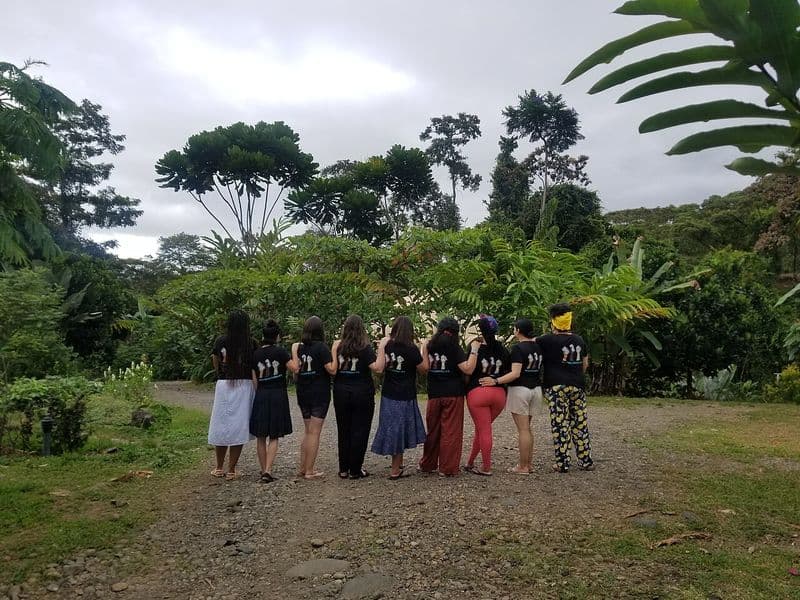
Nosara on the Nicoya Peninsula is one of Costa Rica's most established retreat destinations, home to the internationally recognized Nosara Yoga Institute and numerous other wellness centers. The community has deliberately maintained strict development policies that preserve its small-town character and ecological setting. Nosara's beaches—particularly Playa Guiones—offer consistent surf, and the combination of yoga, surf, and nature immersion has made it a global wellness tourism landmark. Accommodation options range from simple guesthouses to boutique eco-lodges with full wellness programming.
Santa Teresa, also on the Nicoya Peninsula, has evolved into one of the most dynamic wellness communities in Costa Rica. The long stretch of beach and consistent waves attract surfers, while the growing concentration of yoga studios, healing practitioners, health food restaurants, and wellness-focused accommodation makes it a comprehensive destination for retreat-minded travelers. Unlike more resort-like wellness destinations, Santa Teresa maintains an authentic, semi-rustic character that appeals to travelers seeking genuine immersion rather than pampered isolation.
The Arenal Volcano region offers a dramatically different retreat environment. Several dedicated wellness lodges and retreat centers in the forested hills above La Fortuna combine yoga and meditation programming with hot springs access, volcano views, and extensive adventure activity options. The Osa Peninsula, home to Corcovado National Park and some of the most intact rainforest in Central America, hosts a small number of remote, ultra-exclusive retreat centers that offer a genuinely wilderness-immersed experience for participants willing to undertake the travel logistics required to reach them.
Luxury Retreat Centers
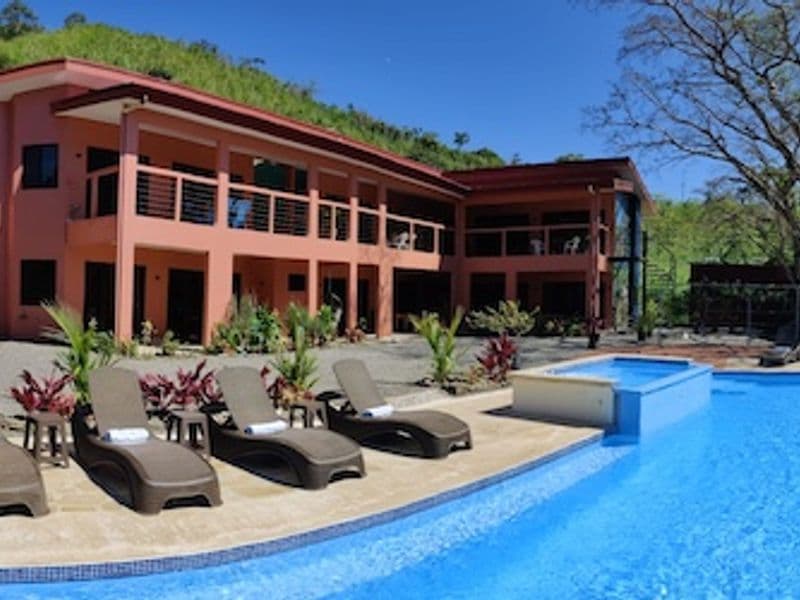
The luxury retreat market in Costa Rica includes properties like Blue Spirit in Nosara, Kinkara in Santa Rosa, and Amatierra Retreat near San Jose, which offer spa-quality amenities alongside comprehensive wellness programming in architecturally stunning natural settings. These properties attract corporate wellness retreats, high-end individual travelers, and professional development programs that combine leadership training with mindfulness and wellness practices.
What a Typical Retreat Day Looks Like
While daily schedules vary significantly by retreat type and center, a typical residential wellness retreat in Costa Rica follows a structure designed to balance structured practice, community experience, and personal integration time. Days begin early, typically at 6 or 6:30 AM, with a sunrise yoga or meditation session. The early morning hours in Costa Rica—when wildlife is most active and the air is cool and fragrant before the tropical heat builds—are uniquely conducive to practice. The sounds of howler monkeys, birds, and rushing rivers create a natural acoustic environment that supports meditative states.
Breakfast follows the morning practice and is typically the most substantial meal of the day, prepared from locally sourced tropical ingredients. Plant-based and whole-food menus are standard at most retreat centers, reflecting the philosophical alignment between conscious eating and yoga/wellness practice. Nutritional workshops, cooking demonstrations, and discussions about food as medicine are common elements of retreat programming during the morning hours following breakfast.
Afternoons are typically less structured than mornings, allowing time for personal integration, optional excursions, spa treatments, or creative expression through art, journaling, or music. Group excursions to nearby natural features—waterfalls, national parks, beaches, or wildlife refuges—provide organized opportunities for nature immersion. Evening programming typically includes a gentler yoga or restorative session, group sharing or discussion circles, and early bedtime in alignment with natural circadian rhythms supported by the tropical environment.
Digital Detox Elements
Many Costa Rica retreat centers encourage or require participants to limit or completely abstain from phone and internet use during their stay. This digital detox element is increasingly recognized as a fundamental component of genuine renewal, allowing the nervous system to rest from the constant stimulation of digital media and social networks. Retreat centers often provide lockboxes for phones and create social environments that support connection through direct human interaction rather than virtual mediation.
Retreat Costs and Budgeting
Costa Rica retreat costs span an enormous range from budget-friendly grassroots programs to ultra-luxury experiences. At the affordable end, work-exchange programs and scholarship rates are available at some centers for participants willing to contribute labor in exchange for reduced fees. Budget retreat programs with shared accommodation and simple but wholesome meals start around $700 to $1,000 USD per week. This price point typically includes basic accommodation, meals, daily yoga or meditation classes, and access to the natural environment.
Mid-range retreats offering private rooms, higher-quality facilities, professional teachers, and more extensive programming run $1,500 to $3,000 USD per week. This is the most populated segment of the market and encompasses the majority of Costa Rica's well-reviewed retreat offerings. Premium retreats at established luxury centers with private bungalows, gourmet cuisine, extensive spa services, and internationally recognized teachers cost $3,000 to $6,000 USD per week. Ultra-luxury properties on the Osa Peninsula or in exclusive coastal settings may charge $6,000 to $10,000 or more per week for their most comprehensive programs.
Beyond retreat fees, budget for international flights ($300 to $800 round trip from most North American cities), airport transfers ($30 to $150 depending on retreat location), and personal spending on optional excursions, additional spa treatments, and souvenirs. Travel insurance covering medical evacuation is strongly recommended for retreat travel to Costa Rica, as it provides financial protection in the unlikely event of a health emergency requiring evacuation to San Jose for hospital care.
Value-Maximizing Booking Strategies
Early bird discounts of 10 to 20 percent are standard at most retreat centers for bookings made 3 to 6 months in advance. Shoulder-season retreats during May through November offer lower prices than peak-season December through April programs. Bringing a friend or partner often triggers referral discounts. Booking accommodation directly with the retreat center rather than through third-party platforms avoids commission markups. Multi-week bookings frequently include progressive discounts on the second and subsequent weeks.
How to Choose the Right Retreat for You
Selecting the right retreat requires honest self-assessment of your goals, physical condition, budget, and preferred social environment. Begin by identifying your primary intention: Are you seeking physical renewal, mental clarity, spiritual exploration, skill development, social connection, or simply rest and disconnection from daily stress? Different retreat formats serve these needs with varying degrees of emphasis, and matching the retreat style to your primary intention significantly increases the likelihood of a transformative experience.
Research the credentials and teaching style of retreat leaders before booking. Look for teachers with verifiable certifications, evidence of ongoing personal practice, and a teaching approach aligned with your learning style. Reviews from past participants on platforms like BookRetreats, Retreat Guru, or TripAdvisor provide valuable qualitative insight into the actual experience of a retreat program, often revealing details about daily logistics, food quality, group dynamics, and guide responsiveness that formal retreat descriptions do not capture.
Consider the physical demands of the retreat environment. Some Costa Rica retreat centers are located on unpaved roads requiring 4WD access, in humid rainforest environments with limited air conditioning, or adjacent to beaches that involve walking on soft sand to access. These are features rather than problems for travelers who embrace rustic immersion, but they may be challenging for participants with mobility limitations or strong preferences for climate-controlled environments. Reading retreat center descriptions carefully and contacting organizers with specific questions before booking prevents logistical mismatches.
Solo vs. Group Retreat Booking
Costa Rica offers retreats structured for solo participants, couples, and small groups. Solo participants form the majority at most open-enrollment retreats and generally find the community environment naturally connective. Couples retreats specifically designed for partnerships integrate relationship-oriented practices alongside individual yoga and wellness programming. Corporate and team retreats can be arranged at numerous centers with tailored programming for leadership development, team cohesion, or employee wellness initiatives.
Frequently Asked Questions
What type of retreat is Costa Rica best known for?
Costa Rica is best known for yoga and wellness retreats, particularly in Santa Teresa and Nosara on the Nicoya Peninsula. However, the country also offers exceptional meditation retreats, surf and yoga retreats, plant medicine retreats, adventure wellness retreats, and luxury spa getaways across diverse ecosystems.
Is Costa Rica safe for retreat travel?
Costa Rica is one of the safest countries in Central America and is a politically stable democracy. Major retreat destinations are considered very safe for tourists. Standard precautions—securing valuables, using reputable transportation, and following local advice—are recommended. Travel insurance with medical evacuation coverage is advisable.
How far in advance should I book a Costa Rica retreat?
Popular retreats with well-known teachers can sell out 3 to 6 months in advance, especially for peak-season programs in December through April. For maximum selection and access to early bird pricing, booking 4 to 6 months ahead is ideal. Last-minute availability exists for less popular programs and off-peak periods.
What should I pack for a Costa Rica retreat?
Pack lightweight, breathable yoga or athletic clothing, a rain jacket or light waterproof layer, closed-toe shoes for hiking, sandals, a refillable water bottle, personal medications, sunscreen and insect repellent (applied before sessions), a journal, and modest clothing for visiting local towns. Most retreat centers provide yoga mats and props.
Can I do a Costa Rica retreat as a first-time traveler to the country?
Absolutely. Costa Rica is an excellent entry point for first-time visitors to Central America. The country's well-developed tourism infrastructure, English-speaking hospitality staff at most retreat centers, and reputation for safety and natural beauty make it welcoming for first-time travelers. Many retreat organizers provide detailed pre-arrival logistics guidance.