
Costa Rica Snorkeling: Best Sites, Marine Life, and Planning Guide
Costa Rica snorkeling reveals an underwater world of extraordinary richness, from the colorful coral reefs of the Caribbean coast to the pelagic-rich Pacific waters around Caño Island and the Gulf of Papagayo. With warm water year-round, abundant marine life, and numerous accessible sites for snorkelers of all abilities, Costa Rica offers one of the most rewarding and diverse snorkeling experiences in Central America. No scuba certification is required to discover an ocean teeming with sea turtles, tropical fish, rays, and vibrant coral.
Overview of Snorkeling in Costa Rica
Costa Rica offers snorkeling across two entirely distinct marine environments: the Pacific Ocean and the Caribbean Sea. Each coast has its own oceanographic character, species composition, and seasonal patterns that make them complementary rather than interchangeable snorkeling destinations. Understanding these differences helps travelers choose the right coast, timing, and specific sites for their snorkeling goals.
The Pacific Coast is characterized by nutrient-rich, sometimes plankton-heavy water that can reduce visibility compared to Caribbean standards but supports exceptionally dense populations of large marine animals. Snorkeling at Pacific sites like Caño Island and the Gulf of Papagayo regularly produces encounters with sea turtles, manta rays, white-tip reef sharks, eels, and large schools of tropical fish. The Pacific's upwelling-driven productivity means that even when visibility is moderate, the sheer volume and diversity of marine life makes for compelling snorkeling.
The Caribbean coast offers clearer water, higher coral cover, and the visual beauty of classic tropical reef snorkeling. Sites at Cahuita National Park and the Gandoca-Manzanillo Wildlife Refuge maintain coral reef systems with excellent species diversity. Visibility during calm periods can reach 15 to 25 meters, allowing snorkelers to survey extensive reef architecture in a single glide. The Caribbean's seasonality is more pronounced than the Pacific's, with conditions variable between calm periods and rough weather driven by Caribbean trade winds and rain systems.
Water Temperature and Visibility
Water temperatures on both coasts range from 26 to 29°C year-round, eliminating the need for wetsuits in most conditions. A thin 2mm rash guard or short wetsuit can provide comfort on longer snorkel sessions by preventing sunburn and slight wind chill at the surface. Visibility varies from 5 to 10 meters at inshore Pacific sites to 15 to 25 meters at offshore Pacific islands and during calm Caribbean conditions.
Best Pacific Coast Snorkeling Sites
Caño Island (Isla del Caño) Biological Reserve is the premier snorkeling destination on Costa Rica's Pacific coast. Located 16 kilometers off the Osa Peninsula, the island's protected status preserves reef systems with excellent coral coverage and diverse marine life. Snorkelers regularly encounter white-tip reef sharks resting on sandy patches between coral heads, schools of sergeant major fish, parrotfish, angelfish, and hawksbill sea turtles. Visibility averages 10 to 20 meters at Caño, with better conditions typically from December through April when upwelling is reduced. Day trips to Caño Island depart from Drake Bay and Uvita, taking approximately 30 to 60 minutes by boat.
The Gulf of Papagayo in Guanacaste offers several accessible snorkeling sites. Playa Ocotal and Las Catalinas near Playa del Coco provide rocky reef snorkeling with diverse fish life and occasional turtle and ray encounters. The waters around the Papagayo Peninsula, including Playa Nacascolo and Bahia de los Piratas within the Guanacaste National Park, are accessible by boat tours from Playa Hermosa and Coco and offer excellent snorkeling in marine protected areas. The protected bay conditions in Papagayo typically offer calmer water than exposed Pacific sites.
The Manuel Antonio National Park coastline provides accessible snorkeling in semi-protected coves where the national park's marine zone has maintained fish populations and coral structures. Playa Biesanz, accessible by a short trail from the park entrance, is a secluded cove with excellent snorkeling conditions and is known for being one of the calmer snorkeling spots in the central Pacific region. The park's marine zone restricts boat traffic, creating quieter conditions for snorkelers than at commercially developed sites.
Tortuga Island Snorkeling
Tortuga Island (Isla Tortuga) in the Gulf of Nicoya is a popular day-trip snorkeling destination from Puntarenas and Jacó. The island's clear waters and modest reef systems provide accessible snorkeling for beginners and cruise ship passengers. While not the most biodiverse site in Costa Rica, Tortuga Island's calm protected lagoon, white sand beaches, and easy access make it a pleasant introduction to Pacific snorkeling for families and non-swimmers seeking a gentle first experience.
Caribbean Coast Snorkeling
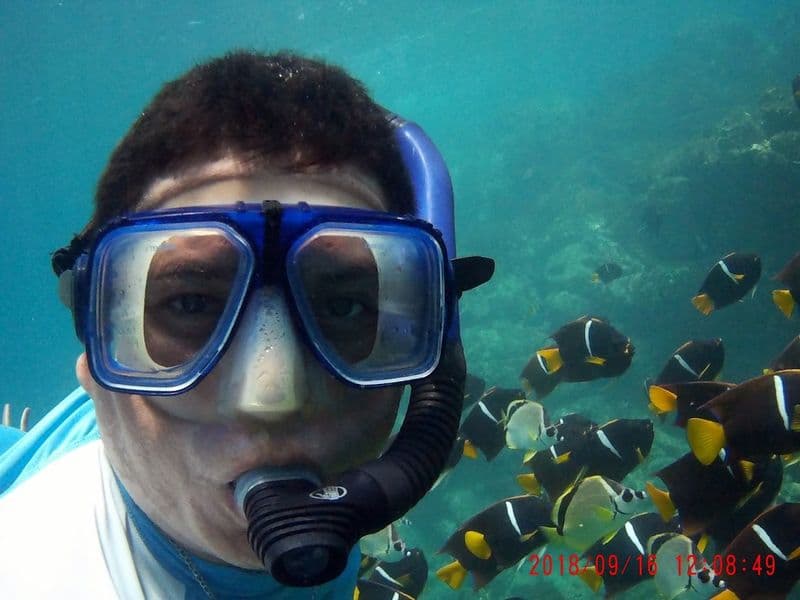
Cahuita National Park on the Caribbean coast is home to Costa Rica's most extensive accessible coral reef, covering approximately 600 hectares of marine protected area. The park's reef is accessible directly from the beach at Puerto Vargas—one of the few Costa Rican snorkeling sites where no boat is required to reach productive reef. The reef has partially recovered from the 1991 earthquake that elevated the seafloor and exposed some coral sections, and diverse fish populations now inhabit the coral structures. Brain corals, star corals, and sea fans provide habitat for blue tang, parrotfish, queen triggerfish, spotted trunkfish, and occasional nurse sharks.
The Gandoca-Manzanillo Wildlife Refuge, stretching from Manzanillo village to the Panamanian border, encompasses some of the most pristine reef systems on Costa Rica's Caribbean coast. Boat-based snorkeling tours from Manzanillo village reach offshore reef structures with good coral coverage, abundant reef fish, hawksbill sea turtles, and excellent visibility during calm periods. The remote location of Gandoca-Manzanillo means fewer tourists than Cahuita, providing a more intimate snorkeling experience.
Sea turtle encounters are particularly spectacular on the Caribbean coast. Hawksbill sea turtles are commonly seen at reef sites in Cahuita and Gandoca-Manzanillo throughout the year. Green sea turtles nest on the beaches of the Caribbean coast from July through October and are occasionally encountered in the water near nesting beaches. The Tortuguero Canal and adjacent Caribbean lagoon system, while primarily a river and canal environment, hosts West Indian manatees that are occasionally glimpsed by snorkelers and kayakers in calm shallow areas.
When to Visit Caribbean Snorkeling Sites
Caribbean snorkeling conditions are best during dry periods when river runoff is minimal and wave action is reduced. February through April is generally the clearest and calmest period. September and October offer a second calm window. Avoid January and December when heavy swells from Caribbean winter storms reduce visibility and access to reef sites. Local dive and snorkeling operators can advise on current conditions before departure.
Marine Life You Will Encounter
Sea turtles are among the most cherished snorkeling encounters in Costa Rica, and they are reliably encountered at many sites on both coasts. Green sea turtles, hawksbill turtles, and leatherback turtles inhabit Costa Rican waters. Hawksbills are most commonly seen on reef sites, feeding on sponges and invertebrates. Pacific green turtles nest on both coasts and are particularly abundant in the Manuel Antonio and Caño Island areas. Snorkelers should maintain a minimum distance of 2 meters from sea turtles and should never attempt to touch or ride them.
Manta rays are magnificent encounters at Pacific sites including Caño Island and the Gulf of Papagayo during upwelling periods when plankton concentrations are high. These filter feeders, which can reach wingspans of 4 to 5 meters, often display curious behavior around snorkelers and divers, sometimes making multiple close passes. White-tip reef sharks are non-aggressive species commonly seen resting on sandy bottoms at Pacific reef sites and are a highlight of Caño Island snorkeling. Bull sharks and nurse sharks are less commonly encountered by snorkelers but present in some areas.
Tropical reef fish diversity is exceptional throughout Costa Rica's snorkeling sites. Species commonly encountered include parrotfish, angelfish, trumpetfish, pufferfish, moray eels, spiny lobster, octopus, and numerous species of damselfish, wrasse, and surgeonfish. Dolphins—particularly bottlenose and spinner dolphins—are commonly seen at surface level and frequently interact with snorkel boats during transit to offshore sites. Whale sharks, while primarily a diving encounter, are occasionally glimpsed by snorkelers at Caño Island during peak season from June through October.
Seasonal Wildlife Highlights
Humpback whale sightings from snorkel boats are possible during migration periods: December through April for North Pacific humpbacks and July through October for Southern Hemisphere populations. Spinner dolphin pods are year-round residents in the Gulf of Papagayo and Central Pacific. Olive ridley sea turtles gather offshore near Ostional on the Pacific during mass nesting events called arribadas, providing extraordinary wildlife viewing for boats in the area.
Snorkeling Tours and Operators
Organized snorkeling tours are the most practical way to access the best sites in Costa Rica, as most top locations require a boat. Tour operators in all major coastal tourism hubs offer half-day and full-day snorkeling excursions that include transportation to the site, snorkeling equipment, guide service, and often lunch or snacks. In Guanacaste, tours depart from Playa del Coco, Tamarindo, and Flamingo for sites in the Gulf of Papagayo and the Catalina Islands. On the central and south Pacific coast, tours depart from Quepos, Uvita, and Drake Bay for Caño Island and other offshore sites.
Half-day snorkeling tours typically include one or two snorkeling stops at accessible sites and cost between $55 and $95 USD per person. Full-day tours visit more distant sites like Caño Island, include more snorkeling time and a full lunch, and typically cost $100 to $180 per person including the national park entrance fee. Boat size and quality varies significantly between operators—smaller boats with fewer passengers provide a more personalized experience and greater flexibility in site selection, while larger catamaran tours offer stability and comfort at the cost of some intimacy.
Catamaran snorkeling tours are popular in Guanacaste and the Gulf of Nicoya. These larger vessels often combine snorkeling with sailing, sunbathing, a buffet lunch, and open bar, creating a social, full-day leisure experience alongside the snorkeling component. While the snorkeling quality on catamaran tours may not match that of specialized small-boat tours, the overall experience package is excellent value for travelers who prioritize the social and scenic aspects of the outing alongside the marine encounters.
Self-Guided Snorkeling
A small number of Costa Rica's best snorkeling sites are accessible without a tour. Cahuita National Park's reef can be reached directly from Puerto Vargas beach within the park, requiring only snorkel gear and an entrance fee. Playa Biesanz near Manuel Antonio, certain beaches in the Papagayo Peninsula, and the rocky shores of Playa Ocotal in Guanacaste offer accessible self-guided snorkeling. Visitors pursuing independent snorkeling should always check local current and wave conditions before entering the water.
Gear, Safety, and Environmental Tips
While most snorkeling tour operators provide basic equipment including mask, fins, and snorkel, bringing your own mask ensures a proper fit critical for comfort and water-tightness. Rental masks frequently leak or fog due to overuse and improper maintenance. A well-fitting mask with a silicone skirt and properly adjusted straps makes an enormous difference in snorkeling enjoyment. Prescription snorkel masks are available for purchase or rent at select operators for those who wear corrective lenses.
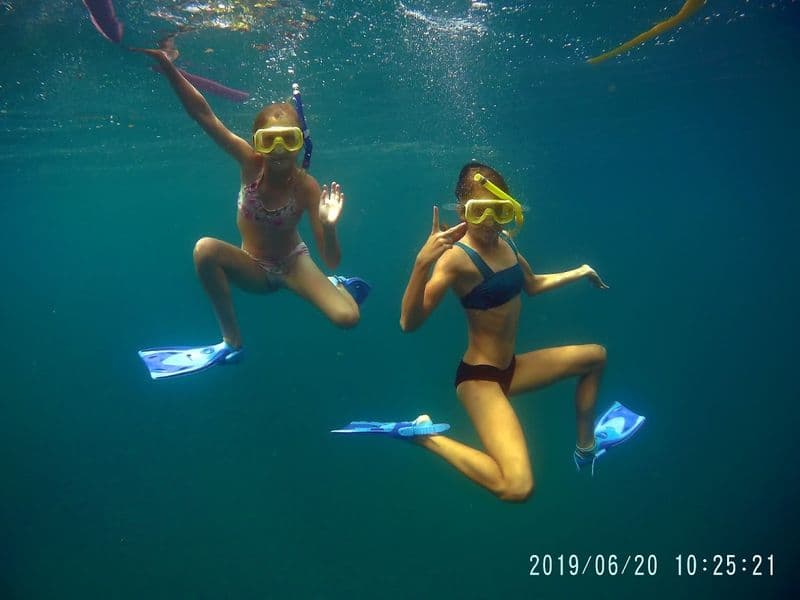
Life vests or snorkel vests are provided by most operators for non-swimmers and children. Even confident swimmers may find a snorkel vest useful in open water with current, as it reduces fatigue and keeps the snorkeler buoyant without effort. Flotation noodles and pool noodles are offered at some operators as an alternative to vests. Regardless of swimming ability, always snorkel with a buddy and stay within sight of the boat or guide.
Environmental stewardship while snorkeling is essential for preserving Costa Rica's coral reefs. Never stand on, touch, or kick coral—even brief contact can damage decades of growth. Use reef-safe sunscreen (free of oxybenzone and octinoxate) to prevent chemical damage to coral. Do not feed fish or other marine life. Maintain respectful distance from sea turtles, rays, and sharks, and never pursue or attempt to touch any marine animal. Following these practices ensures that Costa Rica's snorkeling sites remain healthy and vibrant for future visitors.
Ocean Safety Tips
Before entering the water at any snorkeling site, assess surface conditions including wave height, current direction and strength, and the presence of other vessels. In Costa Rica's Pacific sites, currents can be surprisingly strong, particularly during upwelling periods or at sites near headlands. Always enter the water from a stable platform or beach and never snorkel alone. If caught in a current, remain calm, signal for assistance, and swim parallel to shore or toward calmer water rather than fighting directly against the current.
Frequently Asked Questions
Where is the best snorkeling in Costa Rica?
Caño Island off the Osa Peninsula is the top Pacific snorkeling site for marine life diversity. Cahuita National Park on the Caribbean coast offers excellent coral reef snorkeling accessible directly from shore. The Gulf of Papagayo in Guanacaste and Manuel Antonio are also highly regarded for accessible Pacific coast snorkeling.
Do I need to be a strong swimmer to snorkel in Costa Rica?
Basic swimming ability is recommended, but non-swimmers can participate in snorkeling with a life vest provided by tour operators. Calm protected sites and catamaran tours are appropriate for nervous or inexperienced swimmers. Always inform your guide of your swimming ability so they can provide appropriate supervision and equipment.
Is the water warm enough for snorkeling year-round in Costa Rica?
Yes. Water temperatures average 26 to 29°C year-round on both coasts, making a wetsuit unnecessary for most snorkelers. A rash guard or thin wetsuit top can provide comfort against surface wind chill during longer sessions and protects against sunburn, which is a significant concern in tropical sun at the water's surface.
Will I see sea turtles while snorkeling in Costa Rica?
Sea turtle encounters are common at many Costa Rica snorkeling sites. Hawksbill turtles are regularly seen at Caribbean reef sites in Cahuita and Gandoca-Manzanillo. Pacific green turtles are frequently encountered at Caño Island and Manuel Antonio. Snorkeling around sea turtle nesting season (varies by species and coast) increases encounter probability.
How do I book a snorkeling tour in Costa Rica?
Snorkeling tours can be booked through local operators in any major coastal town, through hotel concierges, or online via platforms like Viator or GetYourGuide. Booking directly with operators is often the most affordable option. Advance booking 1 to 3 days ahead is recommended, especially during peak season from December through April when popular tours fill quickly.