
Costa Rica Things to Do: The Ultimate Activity Guide
Costa Rica offers one of the world's most diverse activity menus, from world-class surfing and white-water rafting to canopy ziplining, sea turtle watching, and volcano hiking. Whether you're an adrenaline seeker, a nature lover, or a beach-and-relaxation traveler, there is more to experience here than any single trip can cover.
Wildlife Watching and National Parks
Costa Rica's national park system encompasses some of the world's most biodiverse habitats and is the primary draw for nature-focused travelers. With roughly 25% of its territory under some form of protection, the country shelters over 500,000 species — roughly 5% of the world's known biodiversity in an area smaller than West Virginia.
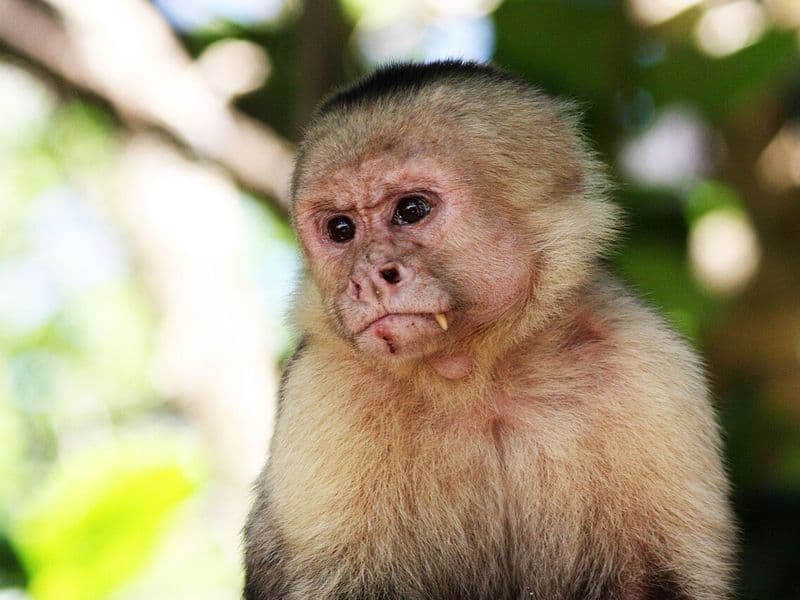
Manuel Antonio National Park on the central Pacific coast is the most visited park in the country, offering accessible trails through lush lowland forest with reliable sightings of white-faced capuchin monkeys, three-toed sloths, coatis, and dozens of bird species. The park's beaches are some of the most scenic in the country, and the combination of wildlife and beach makes it ideal for first-time visitors.
Corcovado National Park on the Osa Peninsula is considered by many biologists to be the most biodiverse place on Earth and offers encounters with scarlet macaws, tapirs, giant anteaters, peccaries, jaguars (rarely seen but present), sea turtles, and an extraordinary array of amphibians and insects. Access requires a licensed guide and advance permit, making it a more adventurous undertaking than Manuel Antonio but immensely rewarding for serious wildlife enthusiasts.
Best Parks for Birdwatching
Costa Rica is a world-class birding destination with over 900 recorded species. Monteverde Cloud Forest Reserve is famous for the resplendent quetzal (especially February–April during nesting season), three-wattled bellbird, and dozens of hummingbird species. Carara National Park near Jacó has accessible trails with superb macaw viewing. The Osa Peninsula harbors species found nowhere else in Central America. Boca Tapada in the north is premier territory for Jabiru storks and tropical lowland species.
Adventure Activities and Adrenaline Sports
Costa Rica pioneered commercial adventure tourism in Central America and remains a global leader in the sector. Canopy ziplining through cloud forest in Monteverde — one of the original zipline experiences in the world — remains a bucket-list experience, with cables stretching hundreds of meters through misty tree canopy. The Arenal area has also developed extensive zipline networks with volcano views.
White-water rafting on the Pacuare River is consistently rated one of the top river experiences in Central America and the world. The Pacuare offers Class III–IV rapids through pristine rainforest gorge over a full-day or two-day guided expedition. The Reventazón and Sarapiquí rivers offer additional rafting options at varying difficulty levels. Rios Tropicales and Desafio Adventure Company are among the most reputable operators.
Canyoning (rappelling down waterfalls) is popular near Arenal and in the Guanacaste highlands. ATV tours are offered throughout tourist zones, particularly in Tamarindo and Jacó. Bungee jumping is available near San José. Paragliding and ultralight flights operate from several locations on clear days. Sport fishing — world-class for marlin, sailfish, mahi-mahi, roosterfish, and tuna — is available off both coasts year-round.
Zipline and Canopy Tours
Ziplining is one of the most popular activities in Costa Rica, available at dozens of locations from the cloud forests of Monteverde to the valleys around Arenal and the Guanacaste highlands. Mistico Arenal Hanging Bridges (which offers hanging bridge walks rather than ziplining, but in the same ecosystem) is an excellent option for families and non-adrenaline seekers who want the canopy experience without the speed. Original Canopy Tour in Monteverde is one of the pioneer operators and remains well-regarded.
Beach Activities and Water Sports
Costa Rica's 1,228 kilometers of coastline encompass beaches for every taste: calm Caribbean waters, powerful Pacific surf breaks, pristine wilderness strands, and developed resort beaches with full amenity infrastructure. Beach activities range from simply relaxing and swimming to surfing, snorkeling, scuba diving, kayaking, paddleboarding, whale watching, and sportfishing.
Surfing is one of Costa Rica's signature activities. Tamarindo in Guanacaste, Jacó on the central Pacific, Nosara, and Santa Teresa on the Nicoya Peninsula are among the country's best-known surf destinations. Playa Salsa Brava near Puerto Viejo de Talamanca on the Caribbean coast is Costa Rica's most challenging wave and a famous destination for experienced surfers. Surf schools in Tamarindo, Jacó, and Nosara cater to beginners and intermediate surfers with quality instruction.
Snorkeling and scuba diving are excellent around Caño Island Biological Reserve off the Osa Peninsula, considered one of the best dive sites in Central America with visibility exceeding 20 meters and encounters with rays, sharks, sea turtles, and large schools of tropical fish. Bat Island in Guanacaste is another world-class dive site known for bull shark encounters. The Caribbean around Cahuita National Park also offers good coral reef snorkeling.
Whale and Dolphin Watching
Costa Rica is one of the world's best places for whale watching. Humpback whales visit Costa Rican waters twice annually, with different populations arriving from both the Northern and Southern Hemispheres — making Costa Rica one of the few places in the world where humpbacks can be seen almost year-round. The best viewing concentrates in the Drake Bay / Ballena Marine National Park area from August through October (Southern Hemisphere whales) and December through April (Northern Hemisphere whales). Spinner and bottlenose dolphins are commonly seen on boat tours year-round.
Cultural Experiences and Local Life
Beyond nature and adventure, Costa Rica offers rich cultural experiences reflecting its Spanish colonial heritage, indigenous roots, and Afro-Caribbean traditions. San José's city center contains excellent museums including the Museo Nacional de Costa Rica (in a historic fortress overlooking a central plaza), the Museo de Arte y Diseño Contemporáneo, and the Jade Museum, which houses the largest collection of pre-Columbian jade artifacts in the Americas.
Coffee plantation tours are a unique and educational Costa Rica experience. The country's coffee industry, centered in the Central Valley highlands, produces some of the world's finest arabica beans. Café Britt, Doka Estate, and Hacienda Alsacia (Starbucks' only wholly owned coffee farm) all offer guided tours through growing, harvesting, and processing, typically ending with a tasting of the finished product.
The Afro-Caribbean culture of Costa Rica's Caribbean coast, particularly in the Puerto Viejo area, is vibrant and distinctive. Rondon (a coconut-milk seafood stew), patí (spiced meat pastries), rice and beans cooked in coconut milk, and reggae music create an atmosphere quite different from the Pacific tourist towns. Visiting on a weekday when local restaurants are quieter provides a more authentic cultural immersion.
Local Food Experiences
Eating at sodas — small, family-run Costa Rican restaurants — is the best way to experience authentic local cuisine at local prices. A typical casado (the national lunch plate) costs $5–$8 and includes rice, black beans, a protein (chicken, beef, fish), salad, and sweet plantains. Gallo pinto (rice and beans stir-fried together with Lizano sauce) is the national breakfast dish. Fresh tropical fruits, ceviche, and agua dulce (warm sugarcane juice) round out the culinary experience.
Volcano and Hot Springs Experiences
Volcanoes are one of Costa Rica's most dramatic natural features, and visiting active or historically active volcanic areas is a highlight for many travelers. Arenal Volcano, towering over the town of La Fortuna, is the country's most visited and most iconic volcano. While Arenal ceased erupting in 2010 after 42 years of activity, it remains a magnificent sight, particularly on clear days when the full cone is visible from end to end.
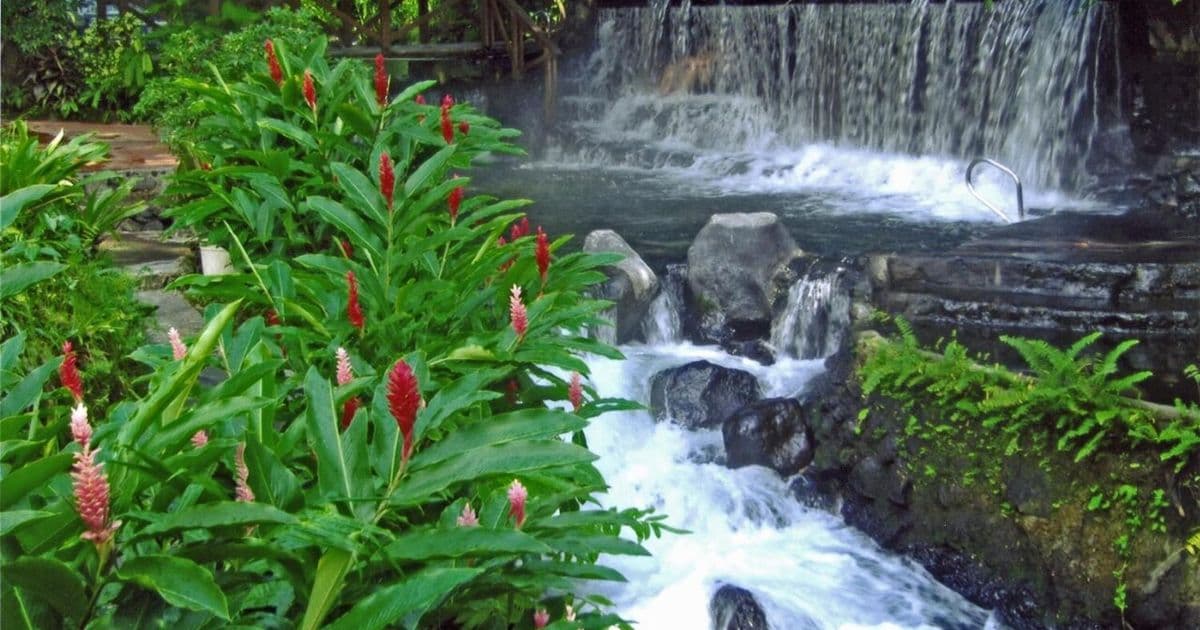
The La Fortuna area has developed extensive hot spring infrastructure fed by the volcanic geothermal system beneath Arenal. Options range from budget-friendly public hot springs to luxury resort pools at properties like Nayara Springs, Tabacón Grand Spa Thermal Resort, and The Springs Resort. Baldi Hot Springs and Eco Termales are popular mid-range options. Soaking in geothermally heated pools surrounded by jungle, ideally under a starry sky or during a light rain, is one of Costa Rica's signature experiences.
Poás Volcano, approximately 90 minutes from San José, offers a dramatically different volcano experience: an active, bubbling acidic crater lake viewed from a well-maintained observation platform. The crater can generate occasional eruptions (Poás erupted significantly in 2017 and has periodic activity), so always check with the national park about current conditions and accessibility before visiting. On clear mornings, the crater is spectacular.
Rincón de la Vieja
Rincón de la Vieja Volcano in Guanacaste, about 40 kilometers from Liberia, is an active geothermal wonderland with bubbling mud pools (pailas), fumaroles, hot springs, and an active crater at the summit. The park's trails lead through dry tropical forest and primary jungle, with excellent wildlife viewing (howler monkeys, white-faced capuchins, coatis, and toucans are commonly seen). It's an excellent complement to a Guanacaste beach itinerary and easily combined with a Liberia Airport arrival.
Family-Friendly Activities in Costa Rica
Costa Rica is an outstanding family destination, offering child-appropriate activities across all regions. Wildlife encounters are typically a highlight for children: seeing sloths, monkeys, toucans, and sea turtles in their natural habitat creates lasting memories. Many eco-lodges have family rooms or connecting accommodations, and children are welcomed warmly throughout the country.
The La Paz Waterfall Gardens near San José is one of the best family attractions in the country, featuring a series of spectacular waterfalls, a butterfly garden, frog exhibit, hummingbird gallery, snake exhibit, and wildlife sanctuary with rescued animals. It provides concentrated wildlife viewing in a safely managed environment that works well for young children. The National Zoo (Simón Bolívar Zoological Park) in San José is another option for younger children.
Beach activities, obviously, are family favorites. The calm waters of certain Caribbean beaches (particularly Cahuita) and some Pacific coves (like Playa Tamarindo's protected bay area and Playa Flamingo) are suitable for children who aren't confident swimmers in powerful surf. Always supervise children closely near Costa Rican Pacific beaches given rip current risks. Water park-style resort pools at all-inclusive properties in Guanacaste are ideal for families with young children who want guaranteed safe water play.
Sea Turtle Watching with Kids
Watching sea turtles nest on a beach at night is one of the most magical wildlife experiences for children and adults alike. Tortuguero National Park is the primary nesting site for Atlantic green sea turtles (July–October). Playa Ostional in Guanacaste is known for mass olive ridley sea turtle arrivals (arribadas) from August to December. Playa Grande near Tamarindo hosts leatherback turtles from October to March. All tours are regulated with licensed guides to protect the turtles, and children usually find the experience unforgettable.
Unique and Off-the-Beaten-Path Experiences
Beyond the classic highlights, Costa Rica offers some extraordinary off-the-beaten-path experiences for travelers who want to venture beyond the standard tourist circuit. Kayaking the Tortuguero canals by early morning, before motorized boat tours begin, offers quiet wildlife observation in a primordial jungle channel system. The canals shelter caimans, river otters, kingfishers, sungrebes, and great green macaws alongside the more expected monkeys and sloths.
The Osa Peninsula's Wilson Botanical Garden near San Vito in the southern highlands is a world-renowned living collection of tropical plants maintained by the Organization for Tropical Studies. Adjacent to Las Cruces Biological Station, it offers one of the finest tropical garden experiences in the Americas with over 2,000 species of palms, heliconias, bromeliads, and orchids in a beautifully maintained setting that feels a world apart from the beach and volcano circuit.
Indigenous community visits in the Talamanca region (Bribri communities near Puerto Viejo) offer authentic cultural exchange with Costa Rica's original inhabitants. Guided tours run by Bribri community members cover traditional medicine, cacao cultivation and chocolate making, spiritual practices, and forest-based livelihoods. Revenue from these tours directly supports indigenous community development — one of the most meaningful ways to spend a travel day.
Night Tours in the Rainforest
Night wildlife walks in the rainforest reveal a completely different cast of creatures than daytime walks: tree frogs (including the famous red-eyed tree frog), sleeping birds, tarantulas, scorpions, insects, kinkajous, porcupines, and the occasional ocelot or margay cat. Many eco-lodges near Arenal, Monteverde, and the Caribbean coast offer guided night walks with expert naturalist guides whose trained eyes spot animals that even experienced visitors routinely miss. This is among the most underrated activities in Costa Rica.
Frequently Asked Questions
What is the number one thing to do in Costa Rica?
There is no single top activity — it depends on your interests. For wildlife lovers, a guided tour in Manuel Antonio or Corcovado National Park consistently ranks highest. For adventure travelers, white-water rafting the Pacuare River or ziplining in Monteverde is iconic. For relaxation, soaking in hot springs at the base of Arenal Volcano is an unforgettable experience. Most visitors try to combine nature, adventure, and beach time.
Is Costa Rica good for families with children?
Costa Rica is an excellent family destination. Manuel Antonio's accessible wildlife trails, La Paz Waterfall Gardens, hot springs at Arenal, sea turtle watching tours, and beach resorts in Guanacaste all offer engaging, safe, and memorable experiences for children. Wildlife encounters — sloths, monkeys, toucans, turtles — are particularly magical for kids. Always supervise children closely near Pacific beaches due to rip currents.
When is the best time to see sea turtles in Costa Rica?
Sea turtle nesting in Costa Rica occurs year-round, but peaks vary by species and location. Atlantic green turtles nest at Tortuguero July–October. Olive ridley mass arrivals (arribadas) at Playa Ostional occur August–December. Leatherback sea turtles nest at Playa Grande near Tamarindo October–March. Hawksbill and loggerhead turtles also nest at various beaches. Check current nesting activity with local tour operators before planning a specific turtle-watching visit.
Can you zipline in Costa Rica year-round?
Yes. Ziplining is available year-round at all major canopy tour operators. During the rainy season (May–November), brief afternoon rain showers are common but typically don't prevent morning or early afternoon tours from operating. Operators routinely run in light rain, and getting slightly wet while ziplining through cloud forest is actually part of the experience for many visitors.
What are the best water activities in Costa Rica?
Top water activities include surfing (Tamarindo, Nosara, Santa Teresa, Jacó), white-water rafting (Pacuare, Reventazón rivers), snorkeling and scuba diving (Caño Island, Bat Islands, Cahuita reef), sea kayaking (Tortuguero canals, Gulf of Nicoya), whale and dolphin watching (Drake Bay area, Ballena Marine National Park), and sportfishing (offshore both coasts year-round).