
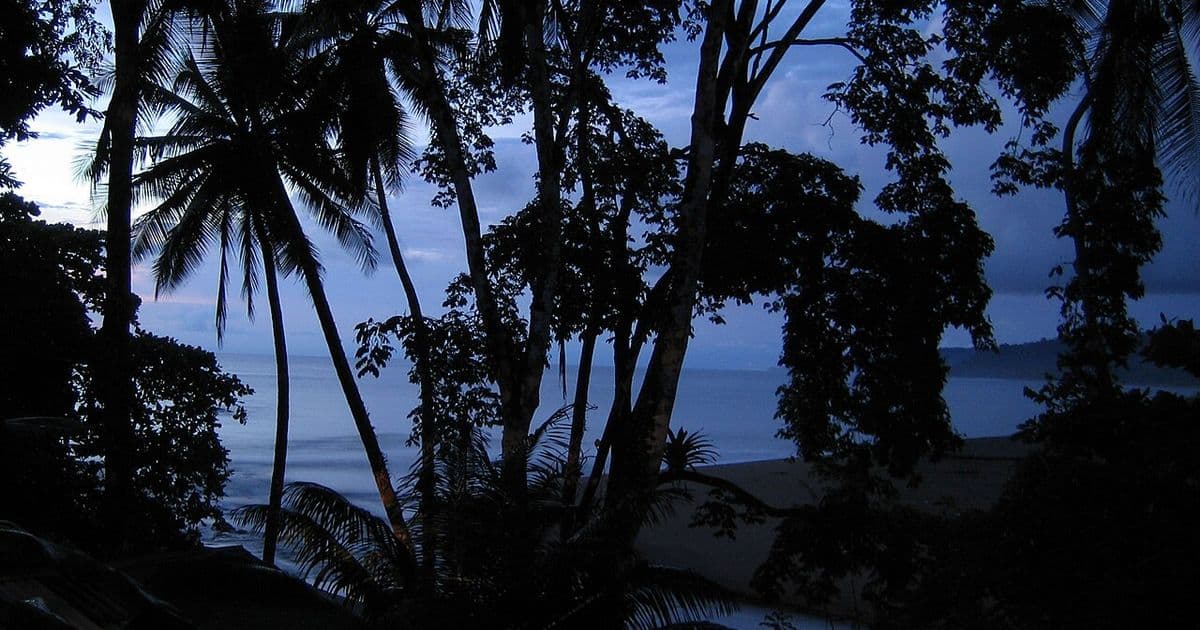
Costa Rica Vacations: Everything You Need to Know
Costa Rica vacations offer an extraordinary mix of biodiversity, adventure, and relaxation that draws millions of visitors each year. From Pacific beaches to Caribbean coastlines and misty cloud forests, this small Central American country packs a remarkable variety of experiences into an area roughly the size of West Virginia. Whether you seek wildlife encounters, surfing, zip-lining, or simply unwinding in a luxury eco-lodge, Costa Rica delivers.
Why Choose Costa Rica for Your Vacation
Costa Rica has established itself as one of the world's premier eco-tourism destinations, and for good reason. The country protects nearly 30% of its land in national parks, wildlife refuges, and biological reserves, giving visitors unparalleled access to tropical biodiversity. Costa Rica is home to roughly 5% of the world's known species, including more than 900 bird species, 200 mammal species, and thousands of plant varieties.
Beyond its natural riches, Costa Rica is politically stable, with a well-developed tourism infrastructure that makes travel relatively straightforward. The country abolished its military in 1948 and has invested heavily in education and health care, resulting in a well-trained hospitality workforce. English is widely spoken in tourist areas, reducing language barriers for North American and European travelers.
The national motto "Pura Vida" — literally "pure life" — captures the relaxed, optimistic spirit that visitors consistently describe as the country's most memorable quality. Costa Ricans, known as Ticos, are generally warm and welcoming to tourists, and petty crime in tourist areas, while not absent, is manageable with standard precautions.
Sustainability and Eco-Tourism Leadership
Costa Rica is a global leader in sustainable tourism. The Certification for Sustainable Tourism (CST) program rates hotels and tour operators on environmental and social responsibility criteria. The country generates more than 98% of its electricity from renewable sources, primarily hydroelectric power, and has ambitious goals to become carbon neutral. Choosing eco-certified operators supports these conservation goals.
Best Time to Visit Costa Rica
Costa Rica has two primary seasons: the dry season (December through April) and the green or rainy season (May through November). The dry season, also called summer by locals, is peak tourist season. Skies are generally clear, roads are more passable, and wildlife is easier to spot near water sources. However, prices are higher and popular sites are more crowded.
The green season offers lush, vibrant landscapes, fewer tourists, lower prices, and more wildlife activity. Afternoon rains are typical but mornings are often sunny, and many activities remain accessible. September and October see the heaviest rainfall in most areas. Guanacaste province on the northwest Pacific coast receives very little rain during the dry season and is ideal for beach vacations from December through April.
The Caribbean coast experiences an inverse weather pattern, with its driest months typically falling in September–October and February–March. This makes the Caribbean a viable destination year-round for those who plan around the regional patterns.
Holiday Peak Periods
The Christmas and New Year period (mid-December through early January) is the busiest and most expensive time to visit. Semana Santa, the week before Easter, is extremely popular with domestic tourists and can make roads and beaches crowded. Booking accommodations and flights well in advance is essential for these periods.
Top Destinations for Costa Rica Vacations
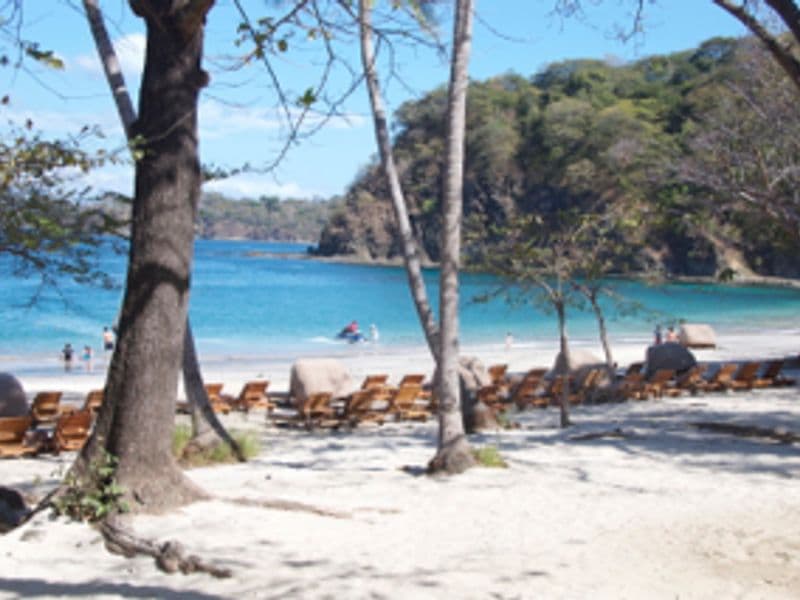
Costa Rica's regions each offer distinct experiences. The Central Pacific zone, anchored by Jacó and Manuel Antonio, is the most accessible from San José and combines beaches with national park wildlife viewing. Manuel Antonio National Park protects squirrel monkeys, sloths, and white-faced capuchins just steps from the ocean.
The Nicoya Peninsula, home to Tamarindo, Santa Teresa, and Montezuma, is a surf and yoga mecca with consistent waves and a laid-back vibe. The peninsula is also one of the world's five Blue Zones, areas where people live statistically longer lives.
The Arenal region in the northern lowlands centers on the imposing Arenal Volcano and the town of La Fortuna, offering hot springs, white-water rafting, zip-lining, and hanging bridges through the cloud forest. The Osa Peninsula in the south is the most remote and biodiverse region, home to Corcovado National Park, often described as the most biologically intense place on Earth.
Caribbean Coast
The Caribbean coast, particularly Puerto Viejo de Talamanca, offers a distinctly different cultural atmosphere influenced by Afro-Caribbean and indigenous Bribri traditions. The cuisine features coconut-based dishes and spiced meats, the music leans toward reggae, and the pace is notably relaxed. Cahuita National Park protects a coral reef just offshore.
Cloud Forests of Monteverde
Monteverde and the Santa Elena Cloud Forest Reserve are among Costa Rica's most visited attractions. The area sits at roughly 1,400 meters elevation, shrouded in mist and home to the resplendent quetzal, three-wattled bellbird, and hundreds of orchid species. The region pioneered community-based eco-tourism and remains a model for sustainable visitor management.
Popular Activities and Experiences
Adventure tourism is a cornerstone of Costa Rica vacations. Zip-lining through forest canopies, white-water rafting on rivers like the Pacuare or Reventazón, canyoning down waterfalls, and ATV tours through rural terrain are widely available across the country. The Pacuare River is consistently rated among the world's top rafting destinations for its Class III–IV rapids and stunning jungle scenery.
Wildlife watching is a primary draw for many visitors. Guided night tours in places like Tortuguero reveal frogs, snakes, and insects invisible during daylight. Sea turtle nesting season brings crowds to Tortuguero (green turtles, July–October) and Ostional (olive ridley turtles, year-round). Whale watching is excellent along the southern Pacific coast, particularly in the Drake Bay and Uvita areas during humpback whale migration months (July–November and December–April).
Wellness tourism has grown significantly. The country's hot springs, particularly around La Fortuna and the Arenal Volcano, are world-class. Yoga retreats, surf camps, and digital detox programs are plentiful on the Nicoya Peninsula.
Surfing
Costa Rica offers world-class surfing for all levels. Beginner-friendly beach breaks are found at Tamarindo, Dominical, and Jacó. Intermediate and advanced surfers seek out Pavones (one of the world's longest left-hand waves), Witch's Rock, and Playa Grande. The Pacific coast receives consistent swell year-round, with the best conditions often from May through November.

Planning and Logistics
Most international travelers enter Costa Rica through Juan Santamaría International Airport (SJO) in Alajuela, just outside San José. A smaller international airport in Liberia (LIR) serves the Guanacaste region and is convenient for beach vacations in the northwest. Domestic flights operated by Sansa and other regional carriers connect San José to destinations like Puerto Jiménez, Quepos, Tamarindo, and Tortuguero, saving many hours of road travel.
Renting a four-wheel-drive vehicle is strongly recommended for exploring beyond main highways, particularly during the green season when unpaved roads can become muddy and rutted. Alternatively, shared shuttles operated by companies like Interbus and Grayline Costa Rica connect major tourist destinations at reasonable prices. Public buses are the most economical option and connect most towns, though journey times can be long.
US citizens do not need a visa to enter Costa Rica for stays up to 90 days and do not need travel vaccinations beyond routine ones, though hepatitis A and typhoid vaccines are recommended. Travel insurance covering medical evacuation is advisable given the country's rugged terrain and adventure activities.
Accommodation Options
Costa Rica's lodging ranges from budget hostels at under $20 per night to ultra-luxury eco-lodges exceeding $1,000 per night. Mid-range travelers can find comfortable boutique hotels and B&Bs for $80–$200 per night. The unique ecolodge category is highly developed here — properties like Lapa Rios, Hacienda AltaGracia, and Finca Rosa Blanca combine luxury with genuine environmental commitment.
Budgeting for Your Trip
Costa Rica is not a budget destination by Central American standards, but offers good value compared to Caribbean island resorts or European travel. A budget traveler staying in hostels, eating at sodas (local restaurants), and using public transport can manage on $60–$80 per day. A mid-range traveler staying in comfortable hotels and joining guided tours should budget $150–$250 per day. Luxury travelers can easily spend $400–$1,000 or more daily.
Major expenses beyond accommodation and flights include guided tours ($50–$150 per person per tour), car rental ($40–$80 per day for a 4WD), and national park entrance fees (typically $15–$20 per person). The US dollar is widely accepted alongside the Costa Rican colón, and ATMs dispensing both currencies are found in most tourist towns. Credit cards are accepted at most mid-range and upscale establishments but less reliably at rural businesses and sodas.
Tipping Customs
A 10% service charge is automatically added to restaurant bills in Costa Rica, though leaving an additional 5–10% for good service is appreciated. Tour guides expect tips of $5–$20 per person per day depending on the quality of the experience. Hotel staff and taxi drivers appreciate but do not expect tips.
Frequently Asked Questions
How long should a Costa Rica vacation be?
Most visitors spend 10–14 days to experience two or three distinct regions without feeling rushed. A one-week trip is feasible if you focus on one or two areas. Two weeks allows you to combine the Arenal volcano zone, a Pacific beach, and the Osa Peninsula or Caribbean coast comfortably.
Is Costa Rica safe for tourists?
Costa Rica is one of the safer countries in Central America. Petty theft (pickpocketing, bag snatching) is the most common concern in urban areas and busy tourist spots. Violent crime targeting tourists is relatively rare. Standard travel precautions — don't display valuables, use ATMs in daylight in secure locations, and secure your rental car — significantly reduce risk.
Do I need to speak Spanish to visit Costa Rica?
Not necessarily. English is widely spoken in tourist areas, hotels, tour companies, and major restaurants. Learning basic Spanish phrases is appreciated and useful in rural areas or local sodas, but you can navigate most tourist destinations without Spanish fluency.
What is the best region for a first-time visitor?
For first-timers, a classic combination is San José (brief overnight), La Fortuna/Arenal (3–4 nights), and Manuel Antonio or a Guanacaste beach (3–4 nights). This covers volcanic scenery, wildlife, hot springs, and Pacific beaches in a manageable circuit. The Nicoya Peninsula is another excellent choice for first-time visitors interested in surf and yoga.
Are Costa Rica vacations family-friendly?
Yes, Costa Rica is an excellent family destination. Wildlife encounters, zip-lining, beach activities, and horseback riding appeal to children and adults alike. Many eco-lodges and resorts cater specifically to families with connecting rooms and kid-friendly activities. The main consideration is travel time between destinations, which can be long on unpaved roads.