
Costa Rica Visa Requirements: Complete Entry Guide for 2026
The great news for most international travelers is that Costa Rica offers visa-free entry to citizens of the United States, Canada, the European Union, the United Kingdom, and dozens of other countries for stays of up to 90 days. This guide covers who needs a visa, what documents are required at the border, how to extend your stay, and the requirements for longer-term residency.
Visa-Free Entry to Costa Rica
Costa Rica maintains open-door tourist entry for citizens of over 130 countries without requiring a visa in advance. Citizens of the following countries and regions may enter Costa Rica for tourist purposes without a visa: United States (90 days), Canada (90 days), all European Union member states (90 days), the United Kingdom (90 days), Australia (90 days), New Zealand (90 days), Japan (90 days), South Korea (90 days), Israel (90 days), and most Latin American and Caribbean countries (stays vary from 30 to 90 days).
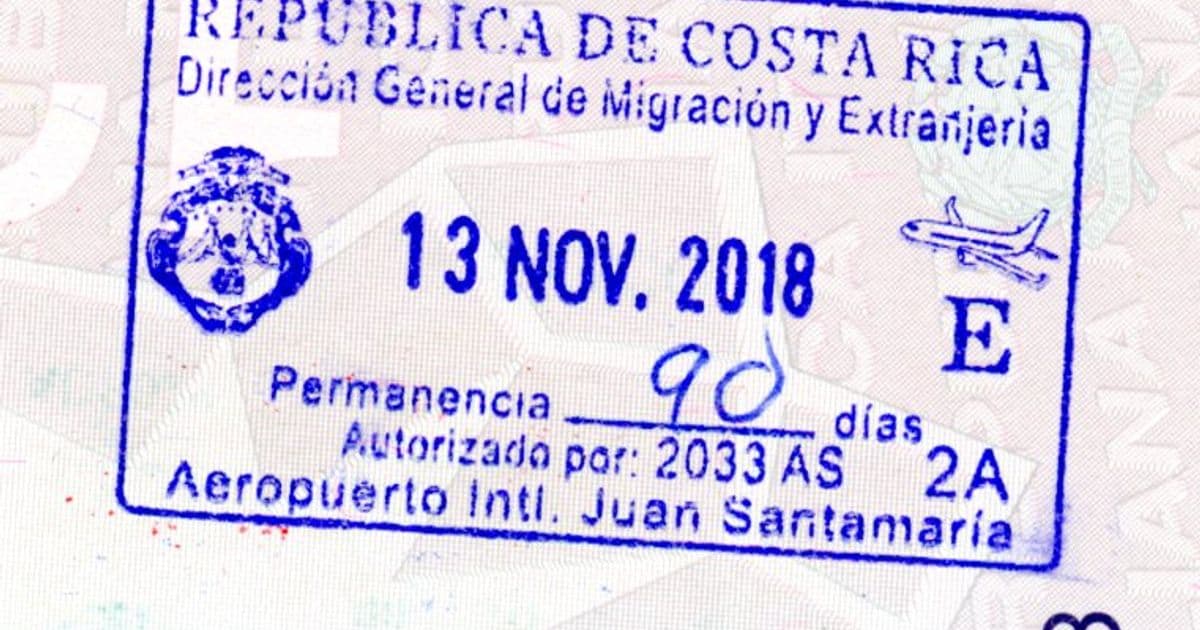
The 90-day tourist permit is stamped in your passport by the immigration officer upon arrival. It begins on the date of entry and allows you to stay as a tourist for the full period without any additional registration or paperwork. Costa Rica does not require tourists to register with any local government authority during their stay, unlike some countries in the region.
While in Costa Rica on a tourist stamp, you may not legally work for pay. Tourist visa holders may participate in language study, volunteer work (without compensation), or tourism activities. Working for local or foreign employers, whether remotely or locally, creates a legal gray area that Costa Rica is increasingly paying attention to as digital nomads have become more prevalent.
Passport Validity Requirements
Costa Rica does not have an official minimum passport validity requirement beyond the length of your intended stay (unlike some countries that require 6 months of validity beyond departure). In practice, airlines typically refuse to board passengers whose passport expires within 6 months, and immigration officers at Costa Rica's airports may apply a similar standard. To avoid any issues, ensure your passport is valid for at least 6 months beyond your planned departure date from Costa Rica.
Countries That Require a Visa
Citizens of countries not on Costa Rica's visa-exempt list must obtain a tourist visa before traveling. Countries whose nationals typically require a visa to enter Costa Rica include most of Africa (with some exceptions like South Africa), several Asian nations, India, Pakistan, Bangladesh, Sri Lanka, most of the Middle East (with exceptions for Israel), Russia, Ukraine, China (mainland), and some other countries. Citizens of these nationalities must apply for a Costa Rica tourist visa at a Costa Rican embassy or consulate in their country of residence before traveling.
The tourist visa application typically requires: a valid passport with at least 6 months validity, completed visa application form, recent passport-sized photographs, proof of travel itinerary (flight bookings), proof of accommodation, proof of sufficient funds for the stay (bank statements), and a fee that varies by nationality and consulate. Processing times vary from a few days to several weeks depending on the consulate's workload and the applicant's nationality.
Citizens of China have a specific arrangement: Chinese nationals holding a valid US visa, Schengen area visa, or Canadian visa may enter Costa Rica without a separate Costa Rica visa for stays up to 30 days, provided the visa from the third country is valid and has been used at least once. Verify the most current rules at the Costa Rican embassy or official immigration website before travel.
How to Check If You Need a Visa
The most authoritative source for Costa Rica visa requirements by nationality is the official website of the Dirección General de Migración y Extranjería (DGME) at migracion.go.cr. This site lists all nationalities and their entry conditions. Your country's Costa Rican embassy or consulate website is another reliable source. Airline booking platforms also flag visa requirement warnings during the booking process, though they should not be considered a substitute for official government sources.
Required Documents at Entry
Whether you are visa-exempt or entering with a visa, all visitors to Costa Rica must present the following at immigration: a valid passport (or other travel document accepted by your nationality's agreement with Costa Rica), a completed immigration entry form (available on the plane, at airport kiosks, or pre-filled online), and proof of onward travel (a return ticket or ticket to a third country departing within your authorized stay period).
The onward travel requirement is important and often catches unprepared travelers off guard. Immigration officers do not always ask for it, but they have the legal authority to deny entry if you cannot demonstrate that you will leave Costa Rica within your permitted period. Having your return flight confirmation on your phone or printed is sufficient. If you're traveling on a one-way ticket for a long trip, have proof of an onward flight from another country in your itinerary.
While not officially mandatory, some immigration officers also ask travelers to demonstrate financial solvency — typically described as having $100 USD per day of intended stay, or $500 USD minimum, available in cash or on a credit card. In practice, this requirement is rarely strictly enforced for travelers who appear to be typical tourists, but it's worth being aware of and having a credit card or cash that can demonstrate solvency if asked.
Digital Immigration Form
Costa Rica has introduced a digital immigration form system that allows travelers to pre-complete their entry declaration at the DGME website before arrival. Completing this online before your flight saves time at the immigration booth and eliminates the need to fill out a paper form on the plane. The form asks for personal information, passport details, flight information, and your planned accommodation address in Costa Rica. A QR code or confirmation is generated that can be scanned at the immigration desk.
Extending Your Stay Beyond 90 Days
If you wish to stay in Costa Rica longer than 90 days without obtaining formal residency, the most common approach used by long-term travelers is the 'border run' — exiting Costa Rica to a neighboring country (Nicaragua or Panama) and then re-entering with a fresh 90-day tourist stamp. You must spend at least 72 hours outside Costa Rica before re-entering to qualify for a new tourist period, though in practice many travelers spend only 1–2 nights in the neighboring country.
Costa Rica's immigration authorities have become more attentive to tourists who appear to be living in the country indefinitely on back-to-back tourist stamps. Immigration officers have discretionary authority to limit the length of a new tourist period for returning travelers who appear to be using border runs to avoid residency requirements. Travelers entering for the second or third time in a year may be questioned more thoroughly and may receive a shorter authorized stay than the standard 90 days.
The legal and intended path for staying longer than 90 days is to apply for residency or one of Costa Rica's specific long-term visa categories. Costa Rica does not have a formal digital nomad visa, though one has been discussed legislatively. However, the existing 'rentista' and 'pensionado' residency categories function as long-term residence options for those who qualify financially.
Overstaying Your Visa
Overstaying your authorized tourist period in Costa Rica is a violation of immigration law and can result in fines, detention, deportation, and a ban from re-entering for a specified period. Fines for overstay accrue daily and can become significant for extended overstays. If you realize you may overstay, contact the DGME (immigration authorities) or an immigration attorney in Costa Rica before your permit expires to understand options for legal status adjustment.
Residency and Long-Term Visa Options
Costa Rica offers several residency categories for foreigners who want to live in the country legally for extended periods. The most popular categories among foreign residents include: Pensionado (retiree) residency for those receiving a guaranteed monthly pension of at least $1,000 USD from a government, company, or institutional source; Rentista residency for those receiving guaranteed monthly income of at least $2,500 USD from foreign sources (investments, trusts, rentals); and Inversionista (investor) residency for those making a qualifying investment in a Costa Rican business or property of at least $150,000 USD.
The temporary residency application process requires submitting an extensive package of documents to the DGME, including certified and apostilled translations (for non-Spanish documents) of birth certificates, criminal background checks from your country of origin, proof of income, and medical certificates. The process typically takes 6–18 months from initial application submission to approval. Many applicants work with a Costa Rican immigration attorney to navigate the process, which is strongly recommended given the complexity and frequent regulatory changes.
A 'Digital Nomad' or remote worker visa has been under legislative consideration in Costa Rica. If enacted, it would provide a formal legal status for remote workers earning income from outside Costa Rica, addressing the gray area that currently exists for this growing population of location-independent workers who reside in the country for extended periods.
Investment and Business Residency
Costa Rica's Inversionista residency category requires a qualifying investment of at least $150,000 USD in a Costa Rican business, real estate, or officially recognized project. This category leads to temporary residency renewable annually, with a path to permanent residency after 3 years. Costa Rica's real estate market has attracted significant foreign investment over the past two decades, and property ownership is a common qualifying investment for this residency category.
Entry Requirements for Special Cases
Several special cases require additional documentation or awareness at Costa Rica immigration. Minors traveling without both parents: Children under 18 traveling with only one parent must carry a notarized letter from the absent parent authorizing the trip, along with proof of the signing parent's identity. Children traveling with neither parent must have documented consent from both parents or legal guardians, along with documentation of the adult accompanying them (notarized letter and identification). Failure to have this documentation can result in the child being denied entry.
Travelers with criminal records: Costa Rica may deny entry to individuals with serious criminal convictions, particularly those involving drug trafficking, violence, or crimes against minors. This is at the discretion of the immigration officer and is more likely to be an issue for travelers from countries where criminal background checks are part of the visa application process.
Travelers returning from yellow fever risk countries: Citizens of any nationality who arrive from countries with yellow fever transmission risk must present a valid International Certificate of Vaccination (yellow card) proving vaccination against yellow fever. This applies to travelers of all nationalities arriving from risk countries, not just to citizens of those countries. See the entry on vacuna fiebre amarilla for more detail on this specific requirement.
Pets and Service Animals
Bringing pets to Costa Rica requires: a health certificate issued by a licensed veterinarian within 14 days of travel, proof of current rabies vaccination (administered at least 30 days before entry), and documentation of current status for internal and external parasite treatment. Dogs and cats are the most commonly transported pets. More exotic animals may require additional SENASA (National Animal Health Service) permits. Contact the Costa Rican embassy and SENASA well in advance if traveling with pets.
Practical Entry Tips
Several practical steps make the Costa Rica entry process smoother. Complete the digital immigration form online at the DGME website before your flight — this saves time at the immigration booth and ensures your accommodation details are already recorded. Have your return flight confirmation readily accessible on your phone; having it saved offline is wise in case of poor connectivity in the arrivals area.
If you're traveling with large amounts of cash, ensure you're prepared to declare anything over $10,000 USD on the customs form. Cash declaration is not a problem in itself — the form simply records it. Attempting to conceal declared amounts is where travelers create legal problems. Similarly, if you're bringing prescription medications, carry them in original pharmacy packaging with your name on the label and have a copy of the prescription for controlled substances.
Keep your entry stamp date visible and accessible throughout your trip — if you need to demonstrate your authorized stay period to a police officer or hostel check-in that requests it, having the passport quickly accessible prevents inconvenience. Costa Rica's immigration stamp in your passport is the official record of your authorized stay; the immigration officer's handwritten date is binding.
Immigration Officer Discretion
Costa Rica's immigration law grants officers significant discretionary authority at the port of entry. Even visa-exempt travelers can technically be denied entry if the officer has reason to believe they are entering to work without authorization, are a threat to public order, or cannot demonstrate ability to support themselves financially during their stay. In practice, this discretionary denial is rare for typical tourists from visa-exempt countries who have the standard documentation. Being polite, prepared, and straightforward in answering questions is the best approach.
Frequently Asked Questions
Do US citizens need a visa to visit Costa Rica?
No. US citizens can enter Costa Rica without a visa for tourist stays of up to 90 days. You need a valid US passport, a completed immigration form, and proof of onward travel (return flight). No advance application is required — the 90-day tourist stamp is given by the immigration officer upon arrival at the airport.
How long can I stay in Costa Rica without a visa?
Citizens of the United States, Canada, the European Union, the United Kingdom, Australia, and New Zealand can stay in Costa Rica for up to 90 days without a visa. Some other nationalities have shorter visa-free periods (30 or 45 days). Check the DGME official website (migracion.go.cr) for your specific nationality's authorized stay length.
Do I need a return ticket to enter Costa Rica?
Technically yes. Costa Rica's immigration law requires proof of onward travel from the country within your authorized stay period. This is typically a return flight, but a ticket to a third country also qualifies. Immigration officers don't always ask for it, but they have authority to deny entry if you cannot demonstrate it. Have your return flight confirmation accessible on your phone or printed.
Can I extend my tourist visa in Costa Rica?
The standard 90-day tourist stamp cannot be extended within Costa Rica through an administrative process. The most common approach for staying longer is a 'border run' — exiting to Nicaragua or Panama, spending at least 72 hours outside the country, and re-entering with a fresh tourist stamp. Costa Rica's immigration authorities have become more vigilant about repeated border runs that suggest the traveler is residing in the country long-term rather than visiting as a tourist.
What are the residency options for living in Costa Rica long-term?
Costa Rica's main residency categories include Pensionado (retiree with $1,000/month guaranteed pension), Rentista (person with $2,500/month guaranteed foreign-source income), and Inversionista (investor with $150,000+ qualifying investment). Applications are submitted to the DGME and typically take 6–18 months to process. Working with a qualified Costa Rica immigration attorney is strongly recommended for residency applications.