
Costa Rica Weather in April: Transition Month Guide
April is Costa Rica's final dry season month—a transition period when the Pacific coast's long stretch of sunshine begins giving way to the first rains of the new wet season. Early April is still essentially dry season, offering excellent conditions at most Pacific destinations. By late April, afternoon showers begin returning, particularly on the Central and Southern Pacific. Throughout the month, temperatures remain high (88–95°F/31–35°C) and Semana Santa (Easter) creates Costa Rica's most crowded domestic travel period.
April Weather Overview: Transition Month
April occupies a unique position in Costa Rica's climate calendar. It's the last month of the dry season but simultaneously the first month when the rainy season begins to make its presence felt. This split character—part dry season, part rainy season—gives April a Jekyll-and-Hyde quality that depends significantly on when in the month you visit and which region you're in.
The dry season on the Pacific coast technically ends in April, though the precise timing varies each year by 1–3 weeks. In some years, Guanacaste stays largely dry through the end of April. In others, afternoon showers begin arriving in the second week of April. The Central and Southern Pacific tend to receive the first rains of the season earlier than Guanacaste—Manuel Antonio and Jacó may start seeing afternoon showers by mid-April while Tamarindo remains dry.
Despite the variability, April remains a very good travel month overall. Temperatures are high, the landscape is still sunny during mornings, and the first rains—when they arrive—typically follow the classic tropical pattern of sunny mornings and afternoon showers. The atmosphere becomes noticeably fresher as humidity increases with the arriving rains, and the first green shoots appear on the golden dry forest trees of Guanacaste.
The First Rains of the Year
Costa Ricans celebrate the first significant rains of the year as the arrival of invierno (their term for the rainy season, literally 'winter'). After months of dry, dusty conditions, the first heavy tropical thunderstorm—typically in mid-to-late April—is welcomed by plants, animals, and people alike. The post-storm freshness transforms the air quality in the Pacific lowlands, and the dried landscape almost visibly begins responding to moisture within hours of the first good soaking.
Early vs. Late April Conditions
April's weather divides fairly clearly between the first and second halves of the month. Understanding this split is crucial for April travel planning.
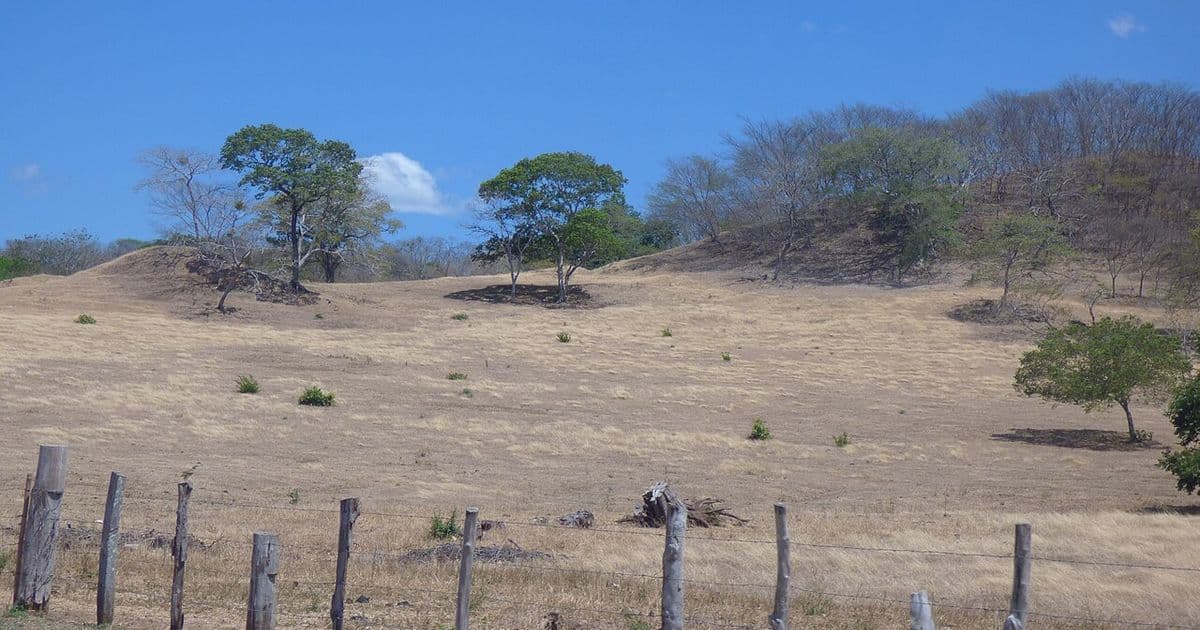
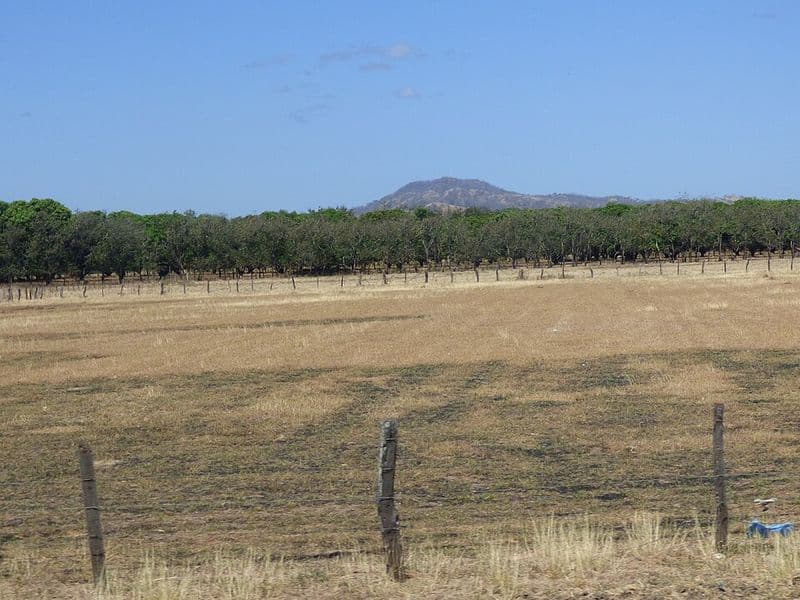
Early April (April 1–14): Conditions are very similar to March. Guanacaste is essentially in dry season, with clear skies and minimal rain. Temperatures remain hot at 90–95°F (32–35°C) in Guanacaste. The Central Pacific may see isolated afternoon showers, but mornings are sunny. This is still a reliable period for beach vacations and outdoor activities throughout the Pacific coast. The landscape in Guanacaste is at its most arid—golden-brown and dusty—but beaches are spectacular.
Late April (April 15–30): The first rains of the rainy season typically begin arriving during this window, particularly in the Central and Southern Pacific. Guanacaste may hold out dry through late April or begin seeing afternoon showers. Temperatures remain high but the arriving rains bring a beautiful freshening of the air and the first green flush to the dry forest. Hotel prices begin declining from their March peaks as the season transitions. Late April can be an excellent time for travelers comfortable with afternoon showers who want lower prices than March and a taste of both seasons.
What to Expect Day to Day
In early April, expect clear sunny weather virtually all day—similar to January and February in terms of rain probability. In late April, mornings are typically sunny and clear, with clouds building by noon and afternoon showers arriving 2–5 PM. These first-of-season rains are often spectacular: dramatic thunder, heavy downpours lasting 1–2 hours, then a rapid clearing as evening approaches. The evening air after the first April rains of the season is exceptionally fresh and pleasant.
April Temperatures by Region
Guanacaste (Tamarindo, Flamingo, Nosara, Sámara): High 90–95°F (32–35°C), Low 74–77°F (23–25°C). Hot and sunny in early April. First afternoon showers possible in late April. Sea temperature 82–84°F (28–29°C). Trade winds begin weakening as the season transitions.
Central Pacific (Jacó, Manuel Antonio): High 88–92°F (31–33°C), Low 73–75°F (23–24°C). First rains arriving by mid-April. Mornings sunny. Afternoon showers increasing through the month.
Southern Pacific (Dominical, Uvita, Osa Peninsula): High 85–89°F (29–32°C), Low 72–74°F (22–23°C). Rainfall: 4–8 inches (102–203 mm). Earliest start to rainy season. Visit early April for best Corcovado conditions.
San José (Central Valley): High 82°F (28°C), Low 65°F (18°C). Rainfall 1.5–2.5 in (38–64 mm) increasing through month. Still largely clear in early April. First rains arriving by mid-to-late April.
La Fortuna (Arenal area): High 84–87°F (29–31°C), Low 70–72°F (21–22°C). Rainfall 7–10 in (178–254 mm). Rainy season already active here. Waterfalls improving.
Caribbean Coast (Puerto Viejo): High 83–85°F (28–29°C), Low 72–74°F (22–23°C). Rainfall 6–10 in (152–254 mm). Good month—still in the Caribbean's drier period through April.
Easter Temperatures
Semana Santa often falls in late March or April. During Easter week, temperatures on Pacific beaches remain at their dry season highs of 90–95°F (32–35°C). This intense heat combined with large crowds—beaches packed with Costa Rican families—can make beach visits challenging. Arriving very early morning (6:30–8:00 AM) is the only way to enjoy beaches without large crowds during Semana Santa. By 10 AM, popular beaches like Jacó, Tamarindo, and Manuel Antonio's Playa Espadilla become very crowded.
Semana Santa: Planning Around Easter
Semana Santa—Holy Week, the week preceding Easter Sunday—is Costa Rica's most important domestic holiday. Virtually the entire country takes vacation during this period, and the resulting demand for beach accommodations is extraordinary. Popular Pacific coast beaches become the most crowded they will be all year, with traffic on coastal roads backed up for hours on Holy Thursday and Holy Friday as families make their annual beach migration.
The practical implications for travelers: if Easter falls in April, book accommodations 4–6 months in advance for any Pacific beach destination. Alternatively, consider visiting the Caribbean coast (Puerto Viejo, Cahuita) or inland destinations (Arenal, Monteverde, San José) during Semana Santa—these are less affected by domestic beach migration and maintain better availability.
The cultural side of Semana Santa is worth experiencing if you can handle the crowds. Towns throughout Costa Rica hold Holy Week processions—solemn, beautiful religious marches through town centers with participants carrying religious statues and wearing robes. Cartago (the former capital east of San José) hosts particularly moving processions. These cultural events are part of Costa Rica's deeply Catholic heritage and offer insight into local traditions.
Good Friday Closures
Many businesses, restaurants, and tour operators close on Good Friday and the Thursday before Easter. Supermarkets, pharmacies, and essential services remain open, but many tourist-oriented businesses take a day off. Plan ahead if traveling over Good Friday—stock up on groceries the day before and confirm that your planned activities and restaurants will be operating. Some towns are quieter than usual on Good Friday morning as residents attend church services.
Wildlife and Nature in April
April is one of the most spectacular months for wildlife in Costa Rica, particularly for birding. Resplendent quetzal breeding season (which began in March) is in full effect, with males displaying brilliant tail plumes in highland cloud forests. San Gerardo de Dota and the Monteverde area offer the best quetzal viewing, with guided early-morning walks giving the highest probability of sightings.
Scarlet macaw nesting activity continues in April. The chicks, born in the dry season, are growing quickly and the nesting trees along the Pacific coast (particularly around Carara National Park and the Central Pacific) remain active with parental activity. The transition from dry to wet season in April triggers extraordinary breeding activity across all bird species—birders often rank April among the top months for species diversity.
Sea turtles: leatherback nesting at Playa Grande wraps up in April. By late April, the park has seen the last nesting females of the season, and the July–October olive ridley season at Ostional is months away. The Caribbean coast continues its marine turtle activity year-round at various scales.
Dry Forest Transition
The ecological transition from dry season to wet season in Guanacaste in April is a remarkable natural spectacle. As the first rains arrive, deciduous trees that have been bare for months suddenly burst into new leaf growth—often flowering before the leaves emerge, creating clouds of color in the golden-brown landscape. This phenological event (the seasonal life cycle response to rainfall) happens rapidly—within days of the first significant rain, the dry forest begins visibly transforming. Travelers who time their visit to catch the first rains in late April witness one of nature's most dramatic seasonal transitions.
Caribbean Coast in April
April is one of the best months for visiting Costa Rica's Caribbean coast. The Caribbean's drier period (February through April) is in full effect, making April an excellent month for Puerto Viejo beach time, snorkeling at Cahuita National Park, and exploring the Talamanca jungle. The coral reef at Cahuita is at its most accessible in April, with calmer seas and better water clarity than the June–August period.
Puerto Viejo in April has a relaxed, sun-soaked atmosphere that contrasts with the busy Pacific destinations experiencing spring break traffic. The town's Afro-Caribbean culture—evident in the music, cuisine (rice and beans in coconut milk, patí pastries, agua de sapo drink), and laid-back lifestyle—is at full expression year-round but feels especially welcoming in April's favorable weather.
Snorkeling at Cahuita in April
The coral reef at Cahuita National Park is one of the Caribbean's most important marine ecosystems and is best accessed in the February through April drier period. Visibility in April can reach 30+ feet (9+ meters) on calm days. The reef supports colorful tropical fish, spotted eagle rays, Caribbean reef sharks, sea turtles, and staghorn coral formations. Entry to the park (Puerto Vargas sector) is officially free by donation. Snorkel gear can be rented in Cahuita town. Swimming and snorkeling is best in the morning before afternoon breezes increase wave action.
Best Activities for April Weather
Early April activities: All the same outdoor activities as the dry season—beach time, snorkeling, hiking, wildlife tours—are available and excellent in early April. National park visits, volcano day trips, and Pacific coast beach vacations are all superb. The Osa Peninsula (Corcovado) is best visited in the first two weeks of April before trails become wetter.
Late April activities: Morning outdoor activities remain excellent—wildlife tours, hiking, surfing (early morning before wind), and beach time are all enjoyable. The arriving afternoon rains make mid-afternoon relaxation, cooking classes, or spa treatments more appealing. White-water rafting becomes more exciting as rivers begin rising with the first rains. Photography opportunities are exceptional as the parched landscape begins greening in the first weeks of rain.
Year-round highlights in April: Resplendent quetzal birding in San Gerardo de Dota (best March–May), Cahuita National Park snorkeling (best February–April), coffee farm tours (end of harvest season), and cultural events including Semana Santa processions in Cartago and other towns.
Surfing in April
April surfing on the Pacific coast can be excellent. The papagayo winds that created choppy conditions in January–March begin weakening in April, and the first south swells of the season start building. This creates improving conditions for intermediate and advanced surfers at spots like Jacó, Playa Hermosa, Santa Teresa, and Dominical. Early April still has north swell possibilities for Guanacaste breaks; by late April, the pattern shifts to more consistent south swells that will dominate May through September.
Frequently Asked Questions
What is the weather like in Costa Rica in April?
April is Costa Rica's final dry season month and hottest period on the Pacific coast (90–95°F/32–35°C in Guanacaste). Early April has conditions similar to March—sunny and dry. Late April sees the first afternoon showers of the new rainy season arriving. The Caribbean coast is in its drier period and conditions are excellent for visiting.
Does it rain in Costa Rica in April?
Early April has minimal rain on the Pacific coast—similar to the dry season months of January–March. By mid-to-late April, the first afternoon showers of the rainy season begin arriving, particularly in the Central and Southern Pacific. Guanacaste may stay largely dry through April. The Caribbean is actually drier in April than in December–January.
Is Semana Santa in April?
Easter (and therefore Semana Santa) falls in either late March or April, depending on the year. When it falls in April, all Pacific beach destinations become extremely crowded with Costa Rican domestic vacationers. This is the busiest domestic travel week in Costa Rica. Book accommodations 4–6 months in advance for Semana Santa weeks at any Pacific coast destination.
Is April a good time to visit Costa Rica?
Early April is excellent—still dry season weather with somewhat lower prices than March's spring break peak. Late April sees the first rains but maintains sunny mornings with only afternoon showers. Semana Santa (when it falls in April) creates major crowd challenges at Pacific beaches. The Caribbean coast is at its best in April. Overall, early April is a good value option between the March peak and the rainy season.
What is the best thing to do in Costa Rica in April?
Top April activities: resplendent quetzal birding in San Gerardo de Dota (peak breeding season), Caribbean coast beach and snorkeling at Cahuita (drier period), Corcovado National Park in early April before trails get wet, cultural Semana Santa processions in Cartago, scarlet macaw nesting observation at Carara National Park, and beach time at any Pacific coast destination in early April.