
Costa Rica Weather in February: The Best Month to Visit?
February is consistently ranked among the very best months for Costa Rica weather. As the driest month of the year on the Pacific coast, February delivers near-perfect beach conditions: sunny skies, warm temperatures of 85–92°F (29–33°C), calm seas, and relative humidity that drops to its annual low. Combine this with the fact that the Caribbean coast simultaneously enters its own drier period, and February stands out as uniquely favorable across multiple regions.
Why February Stands Out
February is notable for being Costa Rica's driest month nationally, with rainfall at its annual minimum on the Pacific coast. Guanacaste—the primary beach destination—receives a statistical average of just 0.1–0.5 inches (3–13 mm) of rain for the entire month of February. This translates to weeks of uninterrupted sunshine at destinations like Tamarindo, Playa Flamingo, Playa Conchal, and the Papagayo Peninsula.
The trade winds that define the dry season are consistent in February, blowing from the northeast and sweeping skies clear of clouds. These winds reduce humidity significantly from the rainy season peaks of 80–90%. In February, coastal relative humidity drops to 55–70%, making the warm temperatures feel considerably more comfortable than the same temperatures during the wet season.
February also stands out because the Caribbean coast begins its own drier period simultaneously. From approximately February through April, Puerto Viejo and Cahuita receive reduced rainfall compared to December and January. This convergence—Pacific and Caribbean both in favorable conditions—makes February the one month when travelers have the most flexibility in choosing which coast to visit.
February Compared to January
February is often slightly drier than January, with fewer residual rain events from the November–December transition. It also has the advantage of slightly reduced crowds compared to January, which still carries some holiday season energy. Hotel prices in February are at peak season levels but often have better availability than mid-January, particularly for the second and third weeks of February after the post-New Year's surge.
February Temperatures by Region
Guanacaste (Tamarindo, Flamingo, Conchal, Nosara, Sámara): Average high 88–92°F (31–33°C). Average low 72–75°F (22–24°C). Sea temperature 80–82°F (27–28°C). Trade winds provide comfortable cooling. Minimal to zero rainfall.
Central Pacific (Jacó, Manuel Antonio, Quepos): Average high 85–88°F (29–31°C). Average low 72–74°F (22–23°C). Rainfall 1–2 inches (25–51 mm). Sunny, with the rare afternoon shower possible.
Southern Pacific (Dominical, Uvita, Osa Peninsula): Average high 84–87°F (29–31°C). Average low 72–74°F (22–23°C). Rainfall 2–4 inches (51–102 mm). Driest period of the year for this wetter region.
San José and Central Valley: Average high 78–80°F (26–27°C). Average low 62–64°F (17–18°C). Rainfall 0.2 inches (5 mm). One of the clearest months in the capital.
La Fortuna and Arenal area: Average high 81–83°F (27–28°C). Average low 68–70°F (20–21°C). Rainfall 3–4 inches (76–102 mm). Driest of the wet-climate zones. Best month for volcano views.
Monteverde Cloud Forest: Average high 68–70°F (20–21°C). Average low 56–58°F (13–14°C). Rainfall 1.5–2 inches (38–51 mm). Windy season. Cool and sometimes misty.
Caribbean Coast (Puerto Viejo, Cahuita): Average high 82–84°F (28–29°C). Average low 72–74°F (22–23°C). Rainfall 5–8 inches (127–203 mm). Beginning of Caribbean drier period. Good snorkeling at Cahuita reef.
Feel-Like Temperatures
With reduced humidity in February, the feel-like (heat index) temperature at coastal destinations is typically 5–8°F (3–4°C) above the actual temperature. A 90°F (32°C) actual temperature with 65% humidity feels like about 95–97°F (35–36°C). In comparison, a 90°F day in the rainy season with 85% humidity feels like 103–105°F (39–41°C). February's lower humidity makes its beach temperatures significantly more comfortable than summer temperatures at the same beaches.
Pacific Coast Conditions in February
Costa Rica's Pacific coast is at its spectacular best in February. The combination of dry conditions, warm water, reduced humidity, and trade wind breezes creates ideal conditions for virtually every beach and water activity. Ocean visibility for snorkeling and diving reaches its annual peak in February—15–40 feet (5–12 meters) at good sites on both coasts.
Swimming is excellent at protected beaches throughout Guanacaste and the Central Pacific. The gentlest swimming beaches include Playa Sámara, Playa Carrillo, Playa Conchal, and the main beach at Manuel Antonio. More exposed beaches can have currents; always swim at beaches with lifeguards or with local knowledge about conditions.
Catamaran tours, sailing, snorkeling excursions, kayaking, and stand-up paddleboarding are all at their best in February's calm Pacific conditions. Full-day boat tours to Isla Tortuga (off the southern Nicoya Peninsula) or Isla del Caño (near the Osa Peninsula) are highly recommended in February for their outstanding water clarity and marine life.
Scuba Diving in February
February is one of the best months for scuba diving in Costa Rica. Dive sites off the Papagayo Peninsula (Catalina Islands), the Nicoya Gulf (Isla Tortuga), and the Southern Pacific (Isla del Caño) all benefit from February's excellent visibility and calm conditions. The Bat Islands off Santa Rosa National Park offer exhilarating bull shark diving November through May, with February being a peak period. Cocos Island (36 hours offshore by liveaboard) offers year-round diving with hammerhead sharks, whale sharks, and manta rays.
Caribbean Coast in February
February begins the Caribbean coast's best weather window. Puerto Viejo, Cahuita, and the surrounding Talamanca coast shift into a relative dry period that persists through April. Rainfall drops to 5–8 inches (127–203 mm) in February—significantly less than December's 15–20 inches. The seas calm and clear, making snorkeling at Cahuita National Park's reef particularly rewarding.
Cahuita National Park is one of the top February destinations for travelers who include the Caribbean in their itinerary. The park's coral reef—one of Costa Rica's most important marine ecosystems—is accessible by snorkeling from the park's beaches in February when conditions are at their calmest. The terrestrial side of the park offers sloths, monkeys, butterflies, and an extraordinary array of tropical birds in the lowland rainforest.
Combining Pacific and Caribbean in February
February is the ideal month to combine both coasts in a single trip. A two-week itinerary might spend the first week on the Pacific (Arenal, Monteverde, Guanacaste) and the second week on the Caribbean (San José, Cahuita, Puerto Viejo). Both coasts offer favorable conditions simultaneously in February, which is unusual—for most other months, one coast is preferable and the other is compromised by rain. This February advantage makes it especially popular for comprehensive Costa Rica tours.
Central Valley and Highland Weather
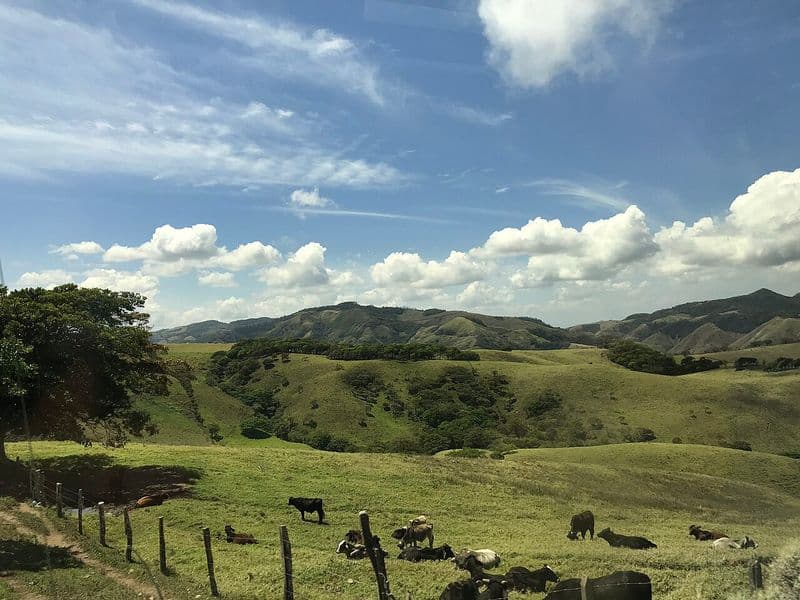
San José in February is exceptionally clear and pleasant. The city receives barely any rainfall—less than 0.2 inches (5 mm) for the month. Morning views of the surrounding volcanoes are sharp and detailed, and the air quality is the year's best. Daytime highs of 78–80°F (26–27°C) are comfortable, while cool evenings of 62–64°F (17–18°C) are pleasant for outdoor dining.
Volcano day trips from San José are at their very best in February. Poás Volcano is often clear in the early morning, with the distinctive aquamarine crater lake (Laguna Caliente) visible through sulfuric steam. Irazú Volcano offers views that on exceptionally clear February mornings extend to both the Pacific Ocean and the Caribbean Sea simultaneously—a truly rare sight possible only on the clearest days from the crater rim at 11,260 feet (3,432 meters).
Coffee Tour Season
February falls in the final stretch of Costa Rica's coffee harvest season (November–February). Visiting a coffee farm in February offers the opportunity to see the final harvest activities, processing, and drying, before the next growing season begins. The Tarrazú region south of San José, the Naranjo area, and the Alajuela slopes all offer excellent coffee tours with direct farm access and fresh-roasted tastings during this period.
February Activities and Wildlife
February's excellent weather supports the full range of Costa Rica's outdoor activities. Wildlife watching is outstanding: scarlet macaw nesting along the Pacific coast is underway (February through May breeding season), leatherback turtle nesting at Playa Grande continues through February, and resplendent quetzal activity increases as breeding season begins to ramp up in the highlands.
The Lankester Botanical Garden near Cartago typically peaks in orchid blooming around February and March. With over 800 orchid species in the collection, a visit in February can reveal spectacular native and exotic specimens in full bloom. The garden also features bromeliad, heliconia, and palm collections that are beautiful year-round.
Adventure activities are all fully operational in February. Zip-lining at Monteverde or Arenal, white-water rafting (lower, beginner-friendly levels in dry season), ATV tours through Guanacaste dry forest, and horseback riding on Pacific beaches are all excellent. Yoga retreats in Nosara and Santa Teresa operate year-round and are particularly popular in February with travelers combining wellness and beach.
Leatherback Turtle Nesting
February is one of the best months to witness leatherback sea turtle nesting at Playa Grande (Las Baulas National Marine Park, Guanacaste). These are the world's largest sea turtles, weighing up to 1,000 lbs (450 kg) and measuring 6–7 feet (1.8–2.1 m). They nest at night, and small groups join guided tours (organized by the park) to witness the nesting process under strict no-flash, no-light protocols. The season runs October through February, with February being a late-season opportunity. Reserve tours in advance as numbers are limited.
February Travel Planning
February falls in peak season, requiring advance planning and budgeting for higher prices. Mid-February (Valentine's Day through end of February) sees a temporary demand surge around the Valentine's holiday, with couples' packages at beach resorts selling out months in advance. Booking accommodations by November–December for February travel is recommended for popular destinations.
An alternative approach for budget-minded February travelers: opt for less-traveled but equally beautiful destinations. Playa Sámara (less crowded than Tamarindo), Dominical (less expensive than Manuel Antonio), and Puerto Viejo (fewer crowds than Pacific destinations) all offer excellent February weather at more accessible prices.
February's weather allows for ambitious multi-stop itineraries. Comfortable driving conditions on Pacific coast roads, excellent flight connections between regional airports, and predictable sunny mornings for long-distance drives make February ideal for exploring multiple destinations. Consider one-way car rentals between Liberia airport and San José airport to save backtracking time on a comprehensive circuit.
February Packing List
For a February Costa Rica trip: lightweight summer clothes for coastal areas (shorts, tank tops, swimwear, sundresses); 1–2 layers (light fleece or jacket) for San José evenings and Monteverde; waterproof hiking shoes or trail runners; SPF 50+ broad-spectrum sunscreen; reef-safe sunscreen for marine protected areas; insect repellent (especially for evening outdoor dining and forest walks); a small daypack; dry bag for electronics on boat tours; and a light rain jacket (rarely needed in February but useful for La Fortuna afternoons or Monteverde mist).
Frequently Asked Questions
What is the weather in Costa Rica in February?
February brings the driest conditions of the year to Costa Rica's Pacific coast. Guanacaste beaches receive barely any rain (0.1–0.5 inches for the month) and enjoy temperatures of 88–92°F (31–33°C) in the day and 72–75°F (22–24°C) at night. San José is clear and comfortable at 78–80°F (26–27°C). The Caribbean coast also begins improving in February.
Is February the best month to visit Costa Rica?
February is among the top 2–3 months to visit Costa Rica. It's statistically the driest month, the humidity is at its annual low, ocean visibility for snorkeling is excellent, and the Caribbean coast simultaneously enters its drier period. It has slightly fewer tourists than January and similar weather. Many experienced Costa Rica travelers consider it the ideal month.
Is Costa Rica expensive in February?
Yes, February is peak season pricing. Expect 20–40% higher hotel rates compared to May–November green season. Valentine's Day week sees an additional demand spike. Book 2–3 months in advance for popular Pacific coast destinations. Budget alternatives include Sámara, Dominical, and Puerto Viejo, which offer comparable February weather at lower demand.
Can you visit both coasts of Costa Rica in February?
February is the best month to visit both coasts. The Pacific coast is in peak dry season (minimal rain, sunny, warm), while the Caribbean coast simultaneously enters its drier period (significantly reduced rainfall from December–January levels). A two-week itinerary combining Pacific (Arenal, Monteverde, Guanacaste) and Caribbean (San José, Cahuita, Puerto Viejo) works particularly well in February.
What wildlife can I see in Costa Rica in February?
February wildlife highlights include leatherback sea turtles nesting at Playa Grande (Guanacaste) through end of the month, scarlet macaw nesting beginning on the Pacific coast, resplendent quetzals increasing in activity as breeding season begins in Monteverde, snorkeling with marine life at Cahuita National Park's reef, and dry-forest mammals (deer, peccaries, coatis, monkeys) visible in the thinning Guanacaste vegetation.