
Costa Rica Weather in January: What to Expect on Your Trip
January weather in Costa Rica is about as good as it gets. The dry season has firmly settled across the Pacific coast, delivering consistently sunny days, low humidity, and warm temperatures of 85–92°F (29–33°C) on the beaches. The Central Valley is cool and clear, making it perfect for city exploration and volcano day trips. Whether you're planning a beach vacation, an adventure tour, or a nature expedition, January is an excellent month to visit Costa Rica.
January at a Glance
January is firmly in the heart of Costa Rica's dry season on the Pacific coast. The trade winds that began arriving in December continue blowing steadily from the northeast, bringing dry air from the Caribbean side and sweeping Pacific skies clear of clouds. This meteorological pattern, called the papagayo wind system, creates the reliable sunshine that makes January one of the top travel months in Costa Rica.
Across most of the country, January weather characteristics include: minimal to zero rainfall on the Pacific coast, comfortable humidity levels (60–75% relative humidity), warm days and cool evenings, excellent road conditions on paved and unpaved routes, and optimal water visibility for snorkeling and diving. The contrast with the preceding rainy season makes January feel especially bright and fresh.
From a travel perspective, January is peak season. The Christmas–New Year's rush has subsided slightly (early January is noticeably calmer than late December), but popular destinations like Tamarindo, Manuel Antonio, and Arenal fill up quickly. Mid-January through February can actually be slightly less crowded than January 1–10, which still carries some holiday energy and pricing.
Sunrise and Daylight in January
Sunrise in Costa Rica in January occurs around 5:45–6:00 AM, and sunset around 5:30–5:45 PM, giving approximately 11.5 hours of daylight. This is slightly less daylight than summer months but more than enough for full days of outdoor activities. Early risers benefit greatly in January—the coolest and clearest part of the day is 6–10 AM, ideal for hiking, wildlife spotting, and volcano visits before afternoon heat and crowds arrive.
Guanacaste Weather in January
Guanacaste province is at its absolute driest and sunniest in January. The region—home to popular beach destinations like Tamarindo, Conchal, Flamingo, Potrero, Ocotal, and the Papagayo Peninsula—receives almost no measurable rainfall in January. Monthly totals are typically under 1 inch (25 mm) and many years see no rain at all for weeks at a stretch.
Daytime temperatures in Guanacaste beach towns average 88–92°F (31–33°C), while lows drop to 72–75°F (22–24°C) overnight. The trade winds (los alisios) provide reliable afternoon breezes that reduce the effective heat. These winds can be strong near the Papagayo Gulf—reaching 20–35 mph on some January days—making it excellent for windsurfing and kitesurfing but potentially choppy for snorkeling and kayaking.
The dry forest ecosystem of Guanacaste National Park and Santa Rosa National Park is particularly interesting in January. The trees begin dropping their leaves (this is the tropical dry forest's equivalent of autumn), making animal viewing easier as vegetation thins. White-tailed deer, pizotes (coatis), collared peccaries, and various monkeys are commonly seen in the more open January habitat.
Guanacaste Beach Conditions
Pacific Ocean conditions at Guanacaste beaches in January are generally calm with small to moderate swells. Swimming is safe at most beaches. Tamarindo, Sámara, and Carrillo are ideal for families with calm, swimmable water. Witch's Rock and Ollie's Point (accessible by boat) can have good surf. Playa Conchal's protected bay offers excellent conditions for paddleboarding and kayaking.
Manuel Antonio and Central Pacific in January
The Central Pacific coast—including Jacó, Herradura, Quepos, and Manuel Antonio—is in clear dry season in January, with typical monthly rainfall of 1–2 inches (25–51 mm). Sunny mornings and blue skies make this region excellent for both beach time and national park visits. Manuel Antonio National Park is particularly rewarding in January, with well-maintained dry trails, thriving wildlife, and beautiful beaches.
Temperatures at Manuel Antonio and Jacó average 85–90°F (29–32°C) during the day and 73–75°F (23–24°C) at night. Ocean water is warm at 80–82°F (27–28°C). Snorkeling around Manuel Antonio's Cathedral Point and at Biesanz Beach can be excellent in January, with good visibility when sea conditions are calm.
Jacó remains a popular surf destination year-round, and January brings consistent if not large waves. The beach at Jacó itself is not recommended for swimming due to rip currents, but nearby Playa Hermosa de Jacó (south of town) is a world-class surf beach and has calmer conditions for wading. Kayaking tours and catamaran sunset cruises operate daily from Jacó and Manuel Antonio in January.
Manuel Antonio National Park in January
January is one of the best months to visit Manuel Antonio National Park. Trails are dry and less muddy than the rainy season. Wildlife is highly active: white-faced capuchin monkeys, mantled howler monkeys, and squirrel monkeys are all present and vocal. Three-toed sloths hang in the cecropia trees. Scarlet macaws are commonly spotted near the park entrance. Arrive by 7 AM to see the most wildlife before crowds and heat arrive. The park closes on Tuesdays.
San José and Central Valley in January
San José in January is a delight. Clear blue skies, cool breezes, comfortable temperatures of 75–79°F (24–26°C), and crisp mornings around 62°F (17°C) make the city a pleasure to explore. The holiday decorations from December are coming down, but the city settles into its regular vibrant pace with markets, museums, and restaurants all operating normally.
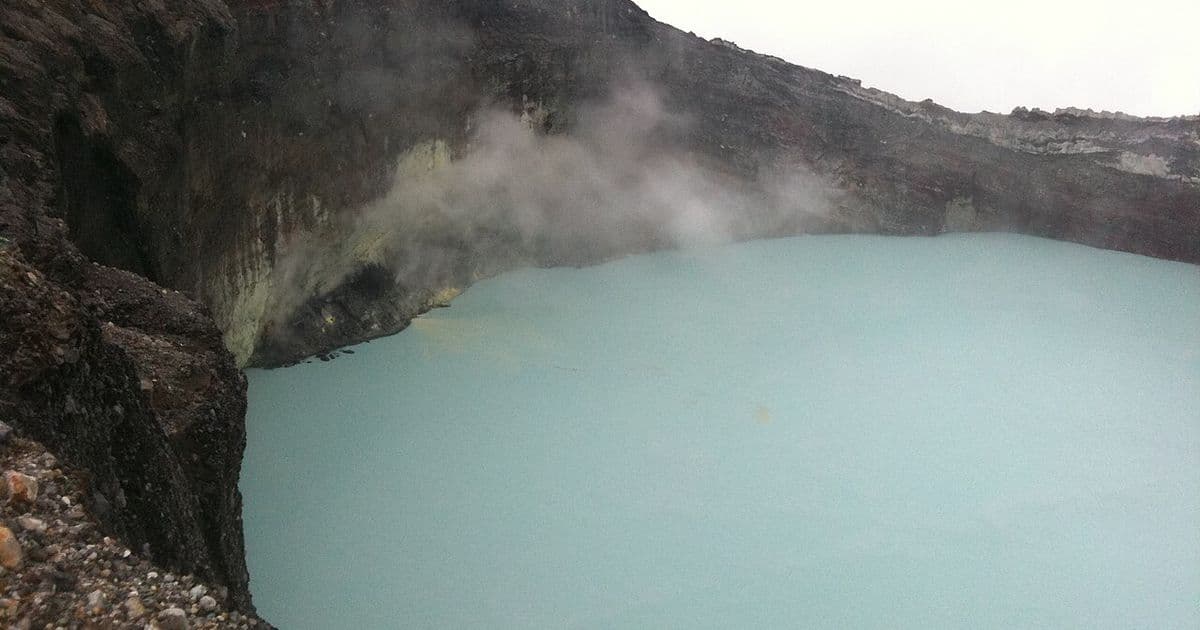
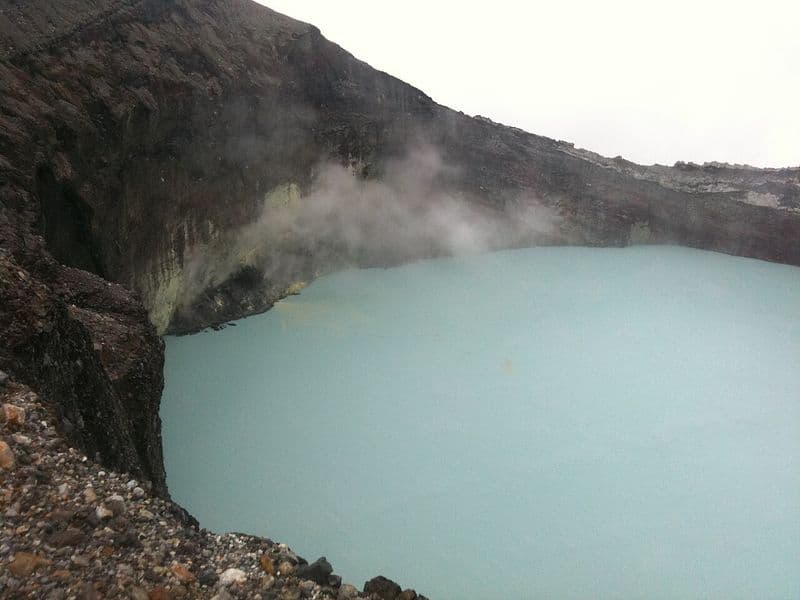
January is an excellent month for day trips from San José. The road to Poás Volcano is clear and accessible, with the best crater views of the year occurring on January mornings before 9 AM. The drive through Central Valley coffee towns—Grecia, Sarchí, Naranjo—showcases the region's famous ox-cart craftsmanship and traditional crafts. Sarchí is particularly famous for its brightly painted traditional ox-carts, a UNESCO Intangible Cultural Heritage item.
January in San José: Culture and Food
San José's cultural scene is active in January. The National Theater hosts performances, the Gold Museum and National Museum have regular exhibitions, and the Mercado Central (Central Market) is a fascinating sensory experience any weekday morning. For food, January is an excellent time for traditional casados at local sodas, fresh tropical fruit at the Mercado de Borbón, and artisanal coffee at the many specialty cafés that have opened in recent years in the Barrio Escalante neighborhood.
La Fortuna and Arenal in January
La Fortuna and the Arenal area represent one of the few inland destinations that maintains significant rainfall in January. Unlike the Pacific coast, La Fortuna receives about 4–5 inches (102–127 mm) of rain in January. This is much less than the rainy season peak but still enough that daily operations follow the sunny-morning, possible-afternoon-rain pattern.
Clear Arenal Volcano views are most likely in January. Early morning departures (6–8 AM) offer the best chance of seeing the volcano's perfect cone before clouds build. Hotel rooms or tours that position you facing the volcano at sunrise are worth the investment. Even on cloudy days, glimpses through parting clouds can be spectacular.
The hot springs around La Fortuna are at their most pleasant in January. Cool evenings (68–70°F/20–21°C) combined with thermal springs at 95–104°F (35–40°C) create ideal conditions for soaking. Tabacón Grand Thermal Resort and Baldi Hot Springs are the most elaborate facilities; public springs like Termales del Bosque offer a more budget-friendly experience.
Activities Around Arenal in January
January is excellent for: white-water rafting on the Balsa River (Class III for families), hanging bridges walks at Mistico Park or El Silencio, kayaking on Lake Arenal, mountain biking in the Arenal area, and the La Fortuna Waterfall hike (500 steps down to a spectacular turquoise pool). Adventure tours including canyoning, ATV rides, and horseback riding to the waterfall are all available and excellent in January's dry conditions.
Caribbean Coast in January
January is a transitional month on the Caribbean coast. The southern Caribbean (Puerto Viejo, Cahuita) typically begins shifting toward its drier period (February–April) in January, but the transition is gradual. January may see 8–12 inches (203–305 mm) of rain—far more than the Pacific coast but less than the December peak. Some sunny beach days do occur in January on the Caribbean.
Tortuguero National Park in January is excellent for canal wildlife, particularly water birds like herons, egrets, kingfishers, and the remarkable sungrebe. The sea turtle nesting season (July–September) has ended, but manatees, caimans, river otters, and hundreds of bird species make any Tortuguero canal tour rewarding.
Caribbean vs. Pacific in January
For most travelers, January means Pacific coast. The Pacific offers reliable sunshine, minimal rain, and warm calm waters. The Caribbean, while improving toward its drier season, still has significantly more rainfall and rougher seas in January. Travel both coasts if your itinerary allows—each has its own distinct culture, cuisine, and wildlife—but for guaranteed beach weather, the Pacific coast in January is the logical choice.
Planning Your January Trip
January requires advance planning due to peak season demand. Accommodations in Tamarindo, Manuel Antonio, Nosara, Santa Teresa, and Arenal/La Fortuna should be booked at least 2–3 months in advance for January visits. The first week of January (Jan 1–7) is particularly busy as holiday travelers are still present; mid-January through early February is busy but slightly more manageable.
Rental car reservations are essential for independent travel in January. Cars sell out well in advance at major agencies; book the same time you book flights. A 4WD vehicle is recommended for visiting any destinations with unpaved access roads, even in the dry season—some roads to beaches, waterfalls, and remote areas remain rough year-round.
Budget for peak season pricing. January rates for hotels and tours run 20–40% higher than the low season (September–October). However, the reliability of January's weather, the full operation of all tour and activity providers, and the optimal conditions for outdoor activities make this premium worthwhile for many travelers.
Sample January Itinerary
Days 1–2: San José (overnight flight arrival, city exploration, Central Market, Gold Museum). Days 3–4: Arenal/La Fortuna (hot springs, hanging bridges, volcano viewing). Days 5–6: Monteverde (cloud forest, wildlife, hanging bridges, coffee tour). Days 7–10: Guanacaste coast (Tamarindo or Flamingo: beach, snorkeling, sunset cruises). Days 11–14: Manuel Antonio (national park, wildlife, beach, kayaking). Day 14: Depart from San José or Liberia depending on routing.
Frequently Asked Questions
What is the weather like in Costa Rica in January?
January brings peak dry season conditions to Costa Rica's Pacific coast: sunny, warm (85–92°F/29–33°C on beaches), and virtually rain-free in Guanacaste. San José is clear and comfortable at 75–79°F (24–26°C) with cool evenings around 60–63°F (15–17°C). It's one of the best months to visit.
Is Costa Rica crowded in January?
Yes, January is peak tourist season. Popular destinations like Tamarindo, Manuel Antonio, Nosara, and Arenal are busy. The first week of January (post-New Year's) is particularly crowded. Mid-January is busy but slightly more manageable. Book accommodations and rental cars well in advance.
What to wear in Costa Rica in January?
Lightweight summer clothes, swimwear, and sandals for beach areas. A light jacket or sweater for San José evenings (60–63°F/15–17°C) and cool restaurants. Strong sunscreen (SPF 50+), a hat, and insect repellent are essential. Bring comfortable walking shoes or trail runners for national parks.
Is it hot in Costa Rica in January?
Yes, coastal areas are warm to hot in January. Pacific beaches reach 88–92°F (31–33°C) in the afternoon. The trade winds provide some cooling, and evenings drop to a comfortable 72–75°F (22–24°C). San José at 3,800 feet elevation is pleasant, not hot, at 75–79°F (24–26°C).
What is the best beach to visit in Costa Rica in January?
In January, all Pacific coast beaches are excellent. Playa Conchal is stunning with calm turquoise water and white shell sand. Manuel Antonio combines a beautiful beach with a world-class wildlife park. Playa Carrillo near Sámara is quieter and photogenic. Santa Teresa and Malpais on the Nicoya Peninsula are excellent for surfers and yoga retreats.