
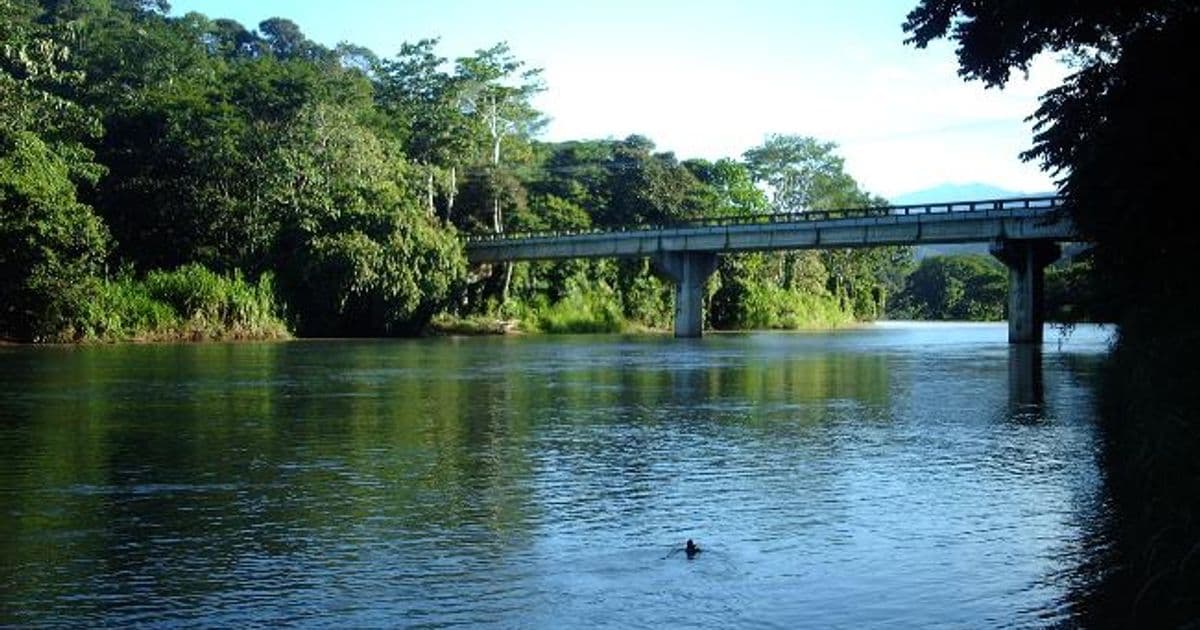
Dominical Costa Rica: The South Pacific Surf and Nature Hub
Dominical is a small, bohemian beach town on Costa Rica's south Pacific coast that has built an international reputation as a laid-back surf destination with access to extraordinary natural experiences. Situated where the jungle meets the sea between the Baru River mouth and dramatic forested headlands, Dominical combines serious surf with close proximity to Marino Ballena National Park (renowned for humpback whale watching), pristine waterfalls, and the biodiversity-rich landscape of the Talamanca Mountains foothills. It is one of the country's most loved destinations for surfers, nature seekers, and those who prefer authentic Costa Rica over polished resort zones.
Overview of Dominical
Dominical is a small coastal community in the canton of Osa within Puntarenas Province on the Costa Rica's South Pacific coast, located approximately 44 kilometers south of Quepos along the Costanera Sur highway. The town sits at the mouth of the Baru River and faces a wide, wave-exposed Pacific beach that creates the powerful surf conditions that define Dominical's identity.
Unlike the manicured resort zones of Guanacaste or the family infrastructure of Manuel Antonio, Dominical maintains a distinctly organic, counterculture character. The community has attracted surfers, yoga practitioners, artists, and international expats who value its low-key atmosphere, relatively modest development, and immediate access to both ocean and jungle. The town is small enough to walk entirely in minutes, with a main drag of surf shops, restaurants, hostels, and small hotels clustered near the beach.
The broader Dominical area extends south to encompass the beach communities of Dominicalito, Uvita, Ojochal, and Bahia Ballena, collectively forming a coastline known as the Whale Coast (Costa Ballena) due to its exceptional humpback whale watching opportunities. This 25-kilometer stretch of coast is one of Costa Rica's most rewarding and relatively unspoiled tourism zones.
The Costa Ballena
The Costa Ballena (Whale Coast) is the collective name for the stretch of South Pacific coastline between Dominical and Punta Uvita. It encompasses Marino Ballena National Park, several small beach communities, and some of Costa Rica's most beautiful and least crowded Pacific beaches. The region takes its name from the extraordinary concentration of humpback whales that visit twice yearly to give birth and nurse their young in the warm, protected waters.
Surfing in Dominical
Dominical's surf break is a beach break that produces consistent and powerful waves year-round, with the best conditions typically occurring from April through November when south and southwest swells generated in the Southern Hemisphere reach Costa Rica's Pacific coast. These swells produce waves of 1.5 to 3 meters or more that are generally suited to intermediate and advanced surfers rather than beginners.
The Baru River outflow creates a sandbars at the river mouth that shapes the most consistent part of the break. During peak swell periods, Dominical can produce hollow, powerful barrels that attract experienced surfers from around the world. The beach extends nearly 2 kilometers and has multiple peak options that distribute the surfing crowd across the break.
Several surf schools operate in Dominical offering lessons for beginners, with instruction often redirected to the more forgiving beach break at nearby Dominicalito or Playa Guapil during large swell periods when conditions in the main break are too powerful for learners. Surfboard rentals, repair shops, and surf camps catering to week-long immersive experiences are well established in the community.
Best Surf Season in Dominical
The most consistent and powerful surf at Dominical occurs between April and November, driven by Southern Hemisphere winter swells. December through March brings smaller, less consistent waves but cleaner conditions and less rainfall. The transitional months of April and November can produce particularly exciting surf with large swells under relatively dry weather. Year-round water temperatures average 27 to 29 degrees Celsius, eliminating any need for a wetsuit.
Marino Ballena National Park
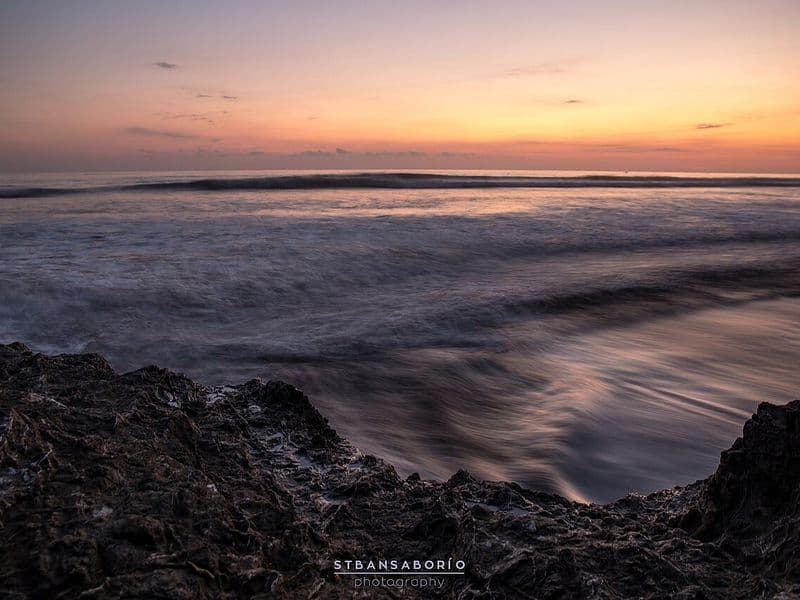
Marino Ballena National Park, located 15 kilometers south of Dominical near Uvita, is one of Costa Rica's most ecologically significant and visually stunning protected areas. The park protects a 9-kilometer stretch of coastline and 5,375 hectares of marine ecosystem including rocky reefs, coral gardens, mangroves, and the famous Punta Uvita tombolo, a whale-tail shaped sandbar that emerges at low tide and is best appreciated from aerial photographs or hilltops above the coast.
The park's primary claim to international fame is its extraordinary humpback whale watching. Costa Rica's South Pacific coast is one of the world's best places to observe humpback whales because two separate population groups visit annually. North Pacific humpbacks (from Alaska and Mexico's Pacific) arrive from December through March, and South Pacific humpbacks (from Antarctica and Chile) arrive from July through November. Mothers with newborn calves are regularly seen in the protected waters of Bahia Ballena.
Beyond whales, the park protects nesting sites for olive ridley and hawksbill sea turtles, supports healthy coral reef communities that can be snorkeled directly from the beach, and provides habitat for pelicans, frigatebirds, boobies, and countless shorebirds. Dolphin pods, including bottlenose and spinner dolphins, are common in the bay throughout the year.
Whale Watching Season
Marino Ballena's exceptional whale watching calendar means sightings are possible for extended periods each year. July through October and December through March are the peak windows when mothers with calves are most frequently encountered close to shore. August and September are particularly productive, with multiple whale groups sometimes visible simultaneously from boat tours departing from Uvita. The park's small size and protected bay conditions allow operators to approach whales at legally mandated distances while still providing excellent viewing.
The Whale Tail Sandbar
Punta Uvita's whale-tail shaped sandbar (also called the Tombolo de Uvita) is formed by sediment accumulation between the mainland and an offshore rocky point, creating a natural formation visible from above that uncannily resembles a whale's tail. The sandbar is fully accessible on foot at low tide and partially submerged at high tide, creating an ever-changing landscape. Visitors walking the sandbar tip at low tide often encounter schools of fish, sea birds, and occasionally spotted rays in the surrounding shallow water.
Waterfalls and Jungle Near Dominical
The steep rainforest-covered slopes of the Talamanca foothills rise directly behind Dominical, feeding numerous rivers and creating spectacular waterfalls within easy reach of the coast. Nauyaca Waterfalls (Catarata Nauyaca) is the area's most impressive and popular natural attraction, a two-tiered waterfall system with a large freshwater pool at its base accessible via a 7-kilometer trail through primary and secondary forest.
The trail to Nauyaca can be done on foot (approximately 3 hours each way), by horseback (2 hours), or by a combination of 4WD truck transport to the trailhead and hiking. The reward at the end is one of Costa Rica's most spectacular swimming holes, where a 45-meter upper fall and a 25-meter lower fall feed a crystal-clear pool large enough for extended swimming. Tours from Dominical to Nauyaca are easily arranged and are among the most popular day activities in the area.
Pozo Azul, a smaller but easily accessible waterfall and swimming hole reached via a short jungle walk near the highway south of Dominical, is an excellent option for those with less time. Several private jungle properties in the hills above Dominical have developed waterfall access with zip-lines and guided hikes as part of ecotourism operations.
Nauyaca Waterfalls Tour
Nauyaca Waterfalls tours typically depart at 7:00 to 8:00 AM and return by early afternoon, allowing visitors to spend 2 to 3 hours at the falls before the return journey. Horseback tours, available through several local operators, provide transportation across the river crossings and open pastures before the forest trail begins. All tours should bring ample water, sunscreen, and sturdy shoes, as the trail involves significant elevation gain and multiple river crossings.
Wildlife and Birdwatching
The Dominical area's position at the meeting point of dry transitional forest to the north and wet rainforest to the south creates exceptional bird diversity. The Hacienda Baru National Wildlife Refuge, 2 kilometers north of Dominical along the Costanera, is a privately managed 330-hectare reserve that has been regenerating secondary forest for over 35 years. The refuge offers guided bird watching walks, night hikes, elevated tree platforms for canopy observation, and a zip-line tour through the forest.
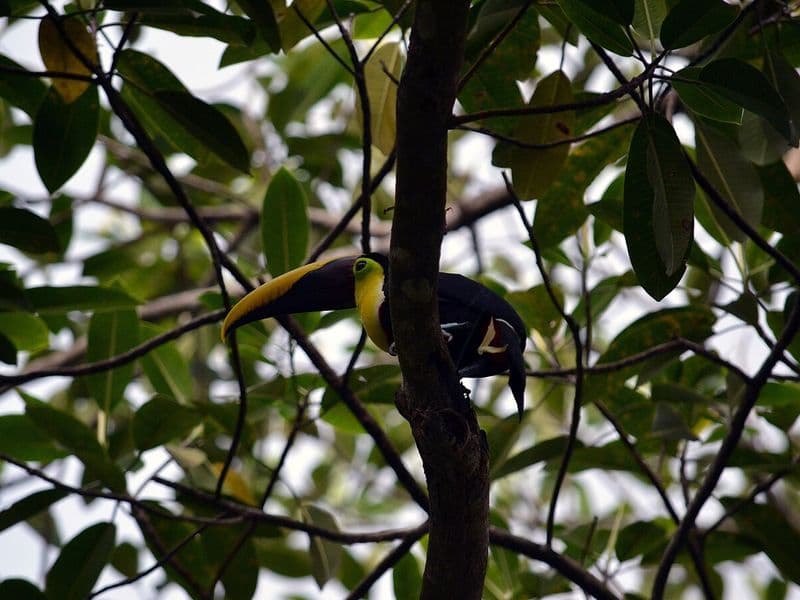
Species recorded at Hacienda Baru and in the surrounding area include scarlet macaws, toucans, trogons, antbirds, woodpeckers, and migratory North American species that winter along the Costa Rican Pacific slope. White-faced capuchin monkeys, howler monkeys, and coatis are commonly encountered on forest trails in the area. Crocodiles are present in the Baru River and its estuary, typically visible from the highway bridge.
The jungle hillsides south of Dominical toward Uvita and Ojochal support intact lowland rainforest with tapirs, peccaries, and ocelots, though these shy mammals require patience and guided expertise to encounter. Several private reserves and ecolodges in the Escaleras hills above Dominical offer naturalist-guided tours that provide high-quality wildlife observation in old-growth and secondary forest.
Hacienda Baru Wildlife Refuge
Hacienda Baru is one of the most accessible and well-managed wildlife reserves on the South Pacific coast, offering a range of guided experiences from beginner birdwatching walks to advanced overnight camping platforms in old-growth forest. The refuge's decades-long reforestation program has transformed degraded cattle pasture into recovering jungle that now supports populations of animals that had largely disappeared from the immediate coastal zone. Guided night walks reveal an impressive array of nocturnal species.
Where to Stay and Eat in Dominical
Accommodation in Dominical ranges from simple beachfront hostels popular with budget surfers to boutique jungle lodges in the hills above town that combine luxury with immersive forest settings. The main beach road has a cluster of affordable hotels, surf camps, and guesthouses that cater primarily to younger travelers and long-stay surfers. Prices are moderate compared to more developed Costa Rica resort areas.
The Escaleras hills between Dominical and Uvita have attracted a number of upscale eco-lodges and private vacation rentals that offer spectacular Pacific and jungle views from elevated positions. Properties like Hacienda Baru Lodge, Pacific Edge, and various boutique options in the hills provide amenities and tranquility that complement rather than replace the town's active character. Staying in the hills typically requires a rental car or reliable taxi access.
Dining in Dominical centers on a handful of excellent restaurants clustered near the beach. Fresh Pacific seafood is the dominant ingredient, with ceviche, grilled fish, and shrimp dishes prepared using local catch. Several restaurants offer ocean views and sunset dining that capitalize on Dominical's west-facing orientation. Healthy food options including vegan, vegetarian, and smoothie bowl menus reflect the surf and wellness community's dietary preferences.
Dining Recommendations
Dominical's restaurant scene punches above its small-town weight, with several quality establishments reflecting the international community's culinary influences. Popular spots serve everything from traditional Costa Rican gallo pinto breakfasts to wood-fired pizza, fresh sushi, and elaborate seafood dishes. Sunday farmers markets and occasional pop-up food events add variety to the weekly dining options and provide opportunities to sample local tropical produce and artisan products.
Getting to Dominical and the Surrounding Area
Dominical is located on the Costanera Sur highway (Route 34), which runs along Costa Rica's Pacific coast from Jaco southward to Palmar Norte and the Osa Peninsula junction. From San Jose, the drive to Dominical takes approximately 3.5 to 4 hours via Jaco and the Costanera, or slightly longer via the mountain route through San Isidro de El General (which offers spectacular Talamanca mountain scenery as compensation for the extra time).
From Quepos and Manuel Antonio to the north, Dominical is approximately 44 kilometers and 45 minutes by car along the Costanera. Regular bus service connects Dominical to Quepos, San Isidro, and San Jose, making it accessible without a rental car. However, exploring the broader area including Hacienda Baru, Nauyaca Waterfalls, and the communities south toward Uvita and Ojochal is significantly easier with a rental vehicle.
No domestic airport serves Dominical directly, but the Quepos La Managua Airport (XQP) receives scheduled domestic flights from San Jose and can be a convenient option for travelers combining Dominical with Manuel Antonio. Alternatively, the larger airports at San Jose and Liberia serve as international entry points with onward road connections.
Road Trip Along the Costanera
The Costanera Sur highway south from Jaco through Quepos, Dominical, Uvita, and Palmar Norte is one of Costa Rica's most scenic drives. The route follows the Pacific coast through alternating rainforest and agricultural landscapes with frequent ocean views. The road is fully paved and in generally good condition, making it a comfortable 4 to 5 hour self-drive from San Jose to Dominical that can be broken with stops at Manuel Antonio or Quepos.
Frequently Asked Questions
Is Dominical good for beginner surfers?
Dominical's main break is generally better suited to intermediate and advanced surfers due to its powerful, fast beach break waves. Beginners are often directed to Dominicalito or Playa Guapil nearby, where wave conditions are more forgiving. Several surf schools in town provide lessons at appropriate skill-level locations with certified instructors.
How far is Dominical from Manuel Antonio?
Dominical is approximately 44 kilometers south of Quepos (the gateway to Manuel Antonio National Park). The drive along the Costanera Sur highway takes about 45 minutes to 1 hour and is entirely paved. The two destinations are easily combined in a multi-destination itinerary for travelers exploring the Central and South Pacific coasts.
What is the best time to see whales near Dominical?
Humpback whales are present near Dominical and Marino Ballena National Park during two annual windows: July through November (South Pacific humpbacks) and December through March (North Pacific humpbacks). August through October and January through March offer the most reliable sightings. Tours depart from Uvita, 15 kilometers south of Dominical.
How do you get to Nauyaca Waterfalls from Dominical?
Nauyaca Waterfalls are reached via a 7-kilometer trail from the trailhead approximately 3 kilometers from Dominical. Tours can be done on foot (3 hours each way), by horseback (2 hours each way), or by 4WD truck plus hiking for the final jungle section. Most visitors book guided tours through Dominical-based operators that include transportation, guides, and sometimes lunch.
Is Dominical safe to visit?
Dominical is generally a safe destination for travelers. Like all Costa Rican beach towns, standard precautions are appropriate: do not leave valuables unattended on the beach, secure belongings in accommodation safes, and be aware of rip currents in the ocean, which can be strong at this exposed beach. The surfing community culture is friendly and welcoming to visiting surfers and travelers.