
Guanacaste Costa Rica Weather: The Sunniest Region's Climate
Guanacaste province in northwestern Costa Rica has the most distinct and longest dry season in the country. This region—home to world-famous beaches like Tamarindo, Flamingo, Conchal, and the Papagayo Peninsula—enjoys up to 7 months of reliably sunny weather from November through May, with virtually no rain in January and February. The trade-off is an intense rainy season and some of the highest temperatures in Costa Rica.
Guanacaste Climate Overview
Guanacaste has a tropical dry forest climate—the only such ecosystem in Central America—driven by its position in the rain shadow of Costa Rica's central mountain ranges. The northeast trade winds that blow November through April bring dry air from the Caribbean, essentially cutting off Pacific moisture from reaching Guanacaste's low-lying plains. This creates a dramatically longer and drier dry season than any other Costa Rica region.
The province spans from the Papagayo Peninsula and Gulf in the north through the Nicoya Gulf coast in the south, including numerous iconic Pacific beaches. Altitude within Guanacaste is low—most beach towns sit below 100 feet (30 meters) elevation—and this low elevation, combined with the dry climate, creates the highest temperatures in Costa Rica. The Tempisque River valley inland from the coast can reach 100–104°F (38–40°C) in March and April.
Guanacaste's climate is a key attraction: more sunshine hours than any other Costa Rica region, the longest stretch of guaranteed beach days, and exceptional visibility for snorkeling and diving in the dry season. The trade-off is an intense rainy season (June through October) and temperatures in the hot months (March–April) that require sun safety precautions.
Guanacaste vs. Other Costa Rica Regions
Compared to the Central Pacific (Jacó, Manuel Antonio), Guanacaste receives dramatically less rain in the dry season. While Manuel Antonio might get 3–4 inches in January, Tamarindo often gets under 1 inch. Compared to Arenal/La Fortuna, which receives 100+ inches of rain annually across all months, Guanacaste's 60–65 inches are concentrated almost entirely in 5 rainy season months. This makes Guanacaste the top choice for travelers prioritizing guaranteed sunshine and dry beach conditions.
Dry Season in Guanacaste
Guanacaste's dry season runs from approximately mid-November through April, with the peak dryness in January and February. During January and February, rainfall is almost nonexistent—many years see zero rain for 6–8 consecutive weeks at beaches like Tamarindo, Flamingo, and Conchal. This level of reliability is rare in the tropics and drives Guanacaste's popularity as a beach destination.
The dry season brings brilliant blue skies, low humidity (55–70% relative humidity compared to 80–90% in the rainy season), strong sunshine, and reliable sea breezes that keep afternoon temperatures comfortable on the coast. Inland areas don't benefit from sea breezes and can become extremely hot—travelers should plan to stay near the coast for the most comfortable dry season experience.
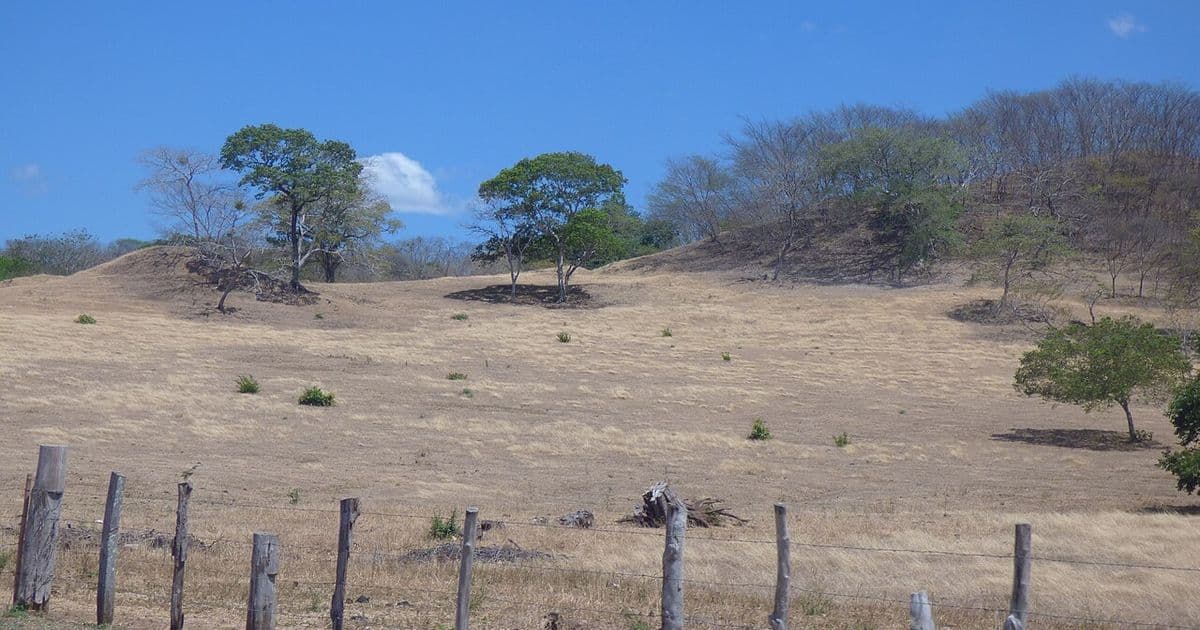
By March and April, the dry season reaches its most extreme phase. The vegetation in the dry forest turns golden-brown as deciduous trees shed their leaves to conserve moisture. The landscape looks somewhat parched, particularly away from the coast. However, beaches remain spectacular—the reduced vegetation makes wildlife easier to spot, and the dry conditions allow for excellent road access to remote beach areas.
November and December: Transition to Dry Season
November is a transitional month in Guanacaste. The rainy season is clearly ending—rainfall drops significantly from October's levels—but the dry season hasn't fully established itself. Some years see sporadic showers through early November; most years are largely dry by mid-November. This transitional period offers an underrated opportunity: vegetation is still green from the rains, humidity is dropping, and prices are below peak season. Late November through early December is a genuine value sweet spot in Guanacaste.
Rainy Season in Guanacaste
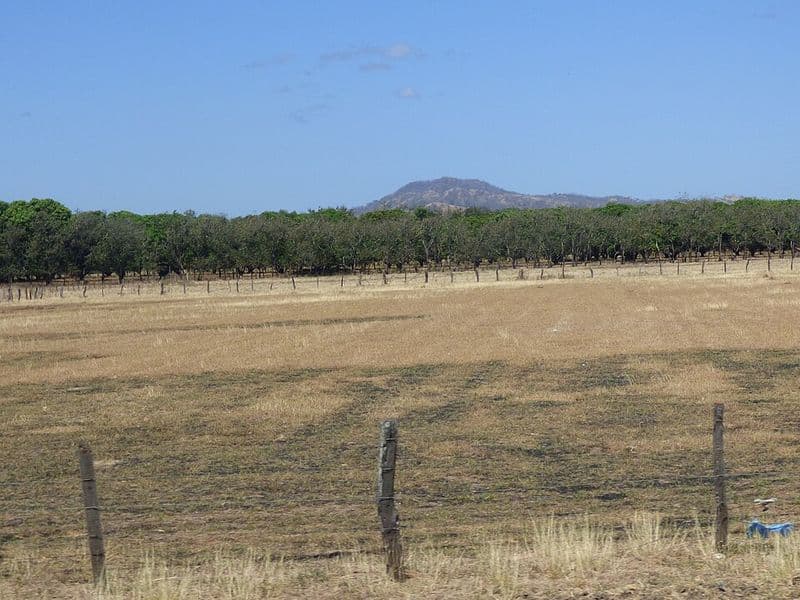
Guanacaste's rainy season runs from approximately June through October. It's dramatically different from the dry season, with significant rainfall most afternoons and the dry forest transforming into a lush green landscape. Monthly rainfall in Guanacaste ranges from 5–8 inches in June to 7–18 inches in September–October (depending on the specific location and year).
Within the rainy season, a unique phenomenon called the 'veranillo' (little summer) occurs, typically in mid-July through mid-August. During this period, the rain temporarily decreases, skies clear, and Guanacaste can experience consecutive dry days that resemble the dry season. The veranillo varies in intensity and timing each year but is a reliable feature of Guanacaste's climate and makes July–August a popular time for visiting at reduced prices.
September and October are the wettest months in Guanacaste's rainy season. Heavy afternoon and evening rains are the norm, and some years see particularly intense rainfall events that can cause flooding on low-lying roads and beaches. Despite this, the landscape is spectacular—rivers are full, waterfalls flow strongly, and wildlife is extremely active as breeding seasons peak.
Rainy Season Visitor Experience
Despite the rain, Guanacaste's rainy season is worthwhile for the right traveler. Mornings are typically sunny until 10 AM–noon, giving solid windows for beach and outdoor activities. Prices drop 25–40%. National parks (Santa Rosa, Rincón de la Vieja) are far less crowded. The Río Tempisque and wetland areas at Palo Verde National Park reach peak biodiversity in the rainy season. Hot springs operations at Rincón de la Vieja's base continue year-round. Overall, the rainy season in Guanacaste is manageable and rewarding for flexible travelers.
Monthly Temperature and Rainfall
January: High 90°F (32°C), Low 73°F (23°C), Rainfall 0.5 in (13 mm). Peak dry season. Excellent beach conditions. Trade winds consistent.
February: High 90°F (32°C), Low 73°F (23°C), Rainfall 0.2 in (5 mm). Driest month of year. Outstanding beach weather.
March: High 93°F (34°C), Low 74°F (23°C), Rainfall 0.3 in (8 mm). Hottest month. Very dry. Spring break crowds begin mid-month.
April: High 93°F (34°C), Low 75°F (24°C), Rainfall 1.8 in (46 mm). Still hot and mostly dry. Rains possible late month.
May: High 90°F (32°C), Low 74°F (23°C), Rainfall 8.5 in (216 mm). Rainy season begins. Prices drop significantly.
June: High 88°F (31°C), Low 73°F (23°C), Rainfall 10.2 in (259 mm). Rainy season in full effect. Mornings usually clear.
July: High 87°F (31°C), Low 73°F (23°C), Rainfall 4.5 in (114 mm) avg—veranillo reduces this in some years. Good month with value prices.
August: High 87°F (31°C), Low 73°F (23°C), Rainfall 7.5 in (191 mm). Veranillo may extend. Green and lush. Good wildlife.
September: High 87°F (31°C), Low 73°F (23°C), Rainfall 13.5 in (343 mm). Wettest month. Deepest discounts. Good for budget travelers.
October: High 87°F (31°C), Low 73°F (23°C), Rainfall 12.5 in (318 mm). Very wet. Beautiful green landscape. Off-season bargains.
November: High 88°F (31°C), Low 73°F (23°C), Rainfall 4.5 in (114 mm). Rains tapering. Transitional and improving.
December: High 89°F (32°C), Low 72°F (22°C), Rainfall 1.5 in (38 mm). Dry season returning. Good conditions from mid-month. Holiday season pricing.
Annual Summary
Guanacaste receives approximately 65 inches (1,650 mm) of annual rainfall—less than the national average and significantly less than Caribbean or Southern Pacific regions. Almost all rainfall occurs from May through October. The annual average temperature is approximately 82°F (28°C). Guanacaste has 6–7 months of essentially dry weather annually, the most of any Costa Rica region.
Guanacaste Beaches by Season
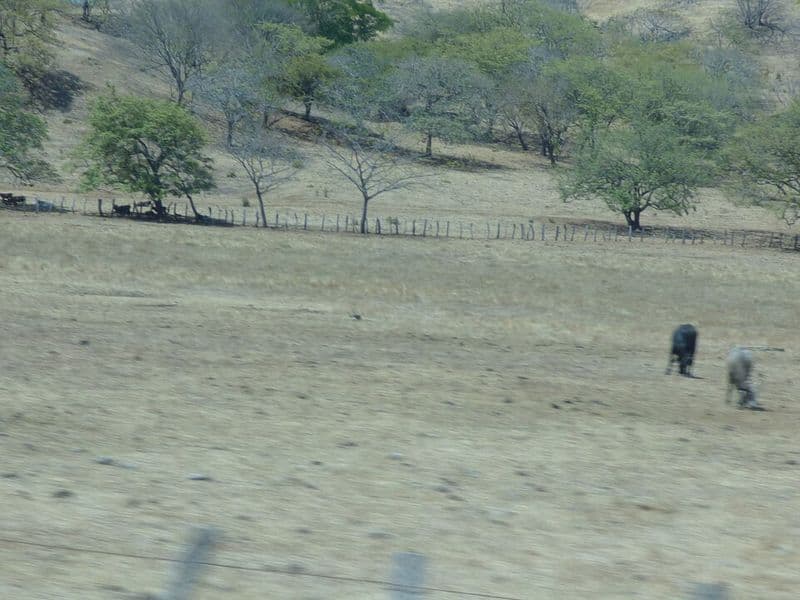
During the dry season (December–April), all Guanacaste beaches are at their most inviting. The top beaches include: Playa Conchal (stunning turquoise water over white shell-sand, best for swimming and snorkeling), Playa Flamingo (large, clean, good for families), Playa Tamarindo (most developed, great surf and water sports scene), Playa Nosara (surfing and yoga, exclusive atmosphere), Playa Sámara (gentle waves, safe swimming, family-friendly), and the Papagayo Peninsula beaches (luxury resort access, calm protected bays).
During the rainy season (June–October), beaches remain beautiful but sea conditions can be rougher, particularly at exposed north-facing beaches. Protected bays like Playa del Coco, Playa Hermosa de Guanacaste, and Playa Sámara remain swimmable throughout. Tamarindo and Flamingo can see increased wave action from north swells in September and October.
Snorkeling and Diving Spots
Guanacaste's best snorkeling and diving sites are most productive during the dry season. The Catalina Islands (Islas Catalinas), accessible by boat from Playa del Coco or Playas del Coco area, offer encounters with manta rays, bull sharks, eagle rays, and diverse reef fish. The Bat Islands in Santa Rosa National Park are famous for bull shark diving, particularly November through May. Isla Tortuga (further south in the Nicoya Gulf) has excellent snorkeling on calm day trips from Tamarindo or Sámara.
The Papagayo Winds
One of Guanacaste's defining climate features is the papagayo wind—a powerful offshore wind that funnels through the Gulf of Papagayo in the northwest, typically blowing strongest from December through March. These winds can reach 25–40 mph and create challenging conditions for water sports, boats, and beach activities in exposed areas.
The papagayo winds have a silver lining: they create ideal conditions for kitesurfing and windsurfing at specific spots like Playa Hermosa (Guanacaste) and are beloved by sailors and wind sport enthusiasts. The winds also create upwelling that brings nutrient-rich cold water to the surface—this biological productivity supports excellent game fishing and marine wildlife viewing but can temporarily reduce water clarity for snorkeling.
For most beach visitors, the papagayo winds are simply an afternoon factor to plan around. They typically strengthen from noon through the afternoon and calm in the morning. Schedule snorkeling, kayaking, and calm-water activities for morning; beach relaxation and wind sports for the afternoon.
Papagayo Peninsula Development
The Papagayo Peninsula (Peninsula de Papagayo) north of Liberia is home to Guanacaste's most luxurious resort development. The Four Seasons, Andaz (now W Costa Rica), and other high-end properties occupy protected coves in this peninsula, somewhat sheltered from the strongest papagayo winds. The area has some of Guanacaste's clearest water and most consistent year-round conditions. The Liberia international airport (LIR) makes the Papagayo area more convenient for direct flights from North America than San José–based travel.
Best Time to Visit Guanacaste
For beach vacations with guaranteed sunshine: January and February are optimal—driest months, excellent ocean conditions, manageable heat (90°F/32°C with trade wind cooling). December is also excellent but expensive during the holiday season. The peak months of January–March are worth the premium for travelers who need predictable sunny weather.
For value with acceptable beach weather: July and August during the veranillo can provide dry-season conditions at 25–35% reduced prices. The veranillo is not guaranteed every year but is a real climate phenomenon. Travelers willing to risk some afternoon rain for significantly lower prices find the July–August window attractive.
For nature and wildlife: October–November when Guanacaste's wildlife is incredibly active at the end of the rainy season, wildflowers are blooming, and prices are still below peak. Santa Rosa and Rincón de la Vieja National Parks are particularly spectacular in October when the rainy season has produced maximum greenery.
Rincón de la Vieja in Guanacaste
Rincón de la Vieja Volcano, the active volcanic centerpiece of Guanacaste, is best visited in the dry season (December–April) when trails are drier and the views of the volcanic craters are clearest. The volcano's geothermal features—hot springs, fumaroles, and mud pots—are fascinating year-round. The dry season also produces clearer views of the volcanic crater from the summit trail. The hot springs at the base (multiple private resorts and natural hot spring pools) are enjoyable year-round.
Frequently Asked Questions
What is the weather like in Guanacaste?
Guanacaste has the longest and driest dry season in Costa Rica (mid-November through April), with virtually no rain in January and February. Temperatures range from 88–93°F (31–34°C) during the day year-round. The rainy season (June–October) brings heavy afternoon rains, with the veranillo offering a temporary dry spell in July–August.
When is the best time to visit Guanacaste?
January and February are the best months for Guanacaste. These are the driest months with the most sunshine, excellent beach conditions, good ocean visibility for snorkeling, and comfortable temperatures. December is also excellent. For value travel, July–August offers the veranillo dry spell at 25–35% lower prices than peak season.
Does Guanacaste have a dry season?
Yes, Guanacaste has the most pronounced dry season in Costa Rica—typically 6–7 months of essentially dry weather from mid-November through May. January and February average less than 0.5 inches of rain for the entire month. This extended dry season is Guanacaste's primary climate advantage over other Costa Rica regions.
Is Guanacaste too hot?
The beaches in Guanacaste reach 90–93°F (32–34°C) in March and April but are moderated by sea breezes. Trade winds in January–March keep the coast feeling comfortable despite the high temperatures. Inland Guanacaste (Liberia, Tempisque Valley) can reach 100–104°F (38–40°C) in March–April—genuinely excessive heat. Stick to coastal areas and schedule midday activities at the beach or pool.
What are the best beaches in Guanacaste?
Top Guanacaste beaches: Playa Conchal (stunning turquoise water, white shell sand, protected cove—excellent for swimming and snorkeling), Playa Flamingo (large, clean, family-friendly), Playa Tamarindo (most developed, surf and water sports), Playa Sámara (gentler waves, safe swimming, bohemian atmosphere), and Playa Nosara (surf, yoga, exclusive). All are at their best from December through April.